Purple Coneflower (Echinacea purpurea ‘Elbrook’ ELTON KNIGHT)
Introduction
The purple coneflower (Echinacea purpurea), specifically the ‘Elbrook’ variety also known as ELTON KNIGHT, is a captivating and versatile perennial plant that is well-loved by gardeners and herbalists alike. This species of coneflower is revered for its stunning purple-pink daisy-like flowers and its remarkable medicinal properties. In this comprehensive guide, we will delve into the culture, uses, care, propagation, and much more about the purple coneflower.
What is the Purple Coneflower (Echinacea purpurea ‘Elbrook’ ELTON KNIGHT)?
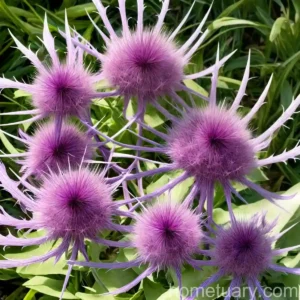
The purple coneflower, scientifically known as Echinacea purpurea, is a herbaceous perennial plant native to the central and southeastern parts of the United States. It belongs to the Asteraceae family and is characterized by its distinctive spiky orange center and gently drooping, purple-pink petals. ‘Elbrook’ is a specific cultivar with the trademark name ELTON KNIGHT, which has gained popularity for its unique qualities and characteristics.
Key Takeaways
Before diving into the specifics, let’s glance at the key takeaways of the purple coneflower, Echinacea purpurea ‘Elbrook’ ELTON KNIGHT:
- Purple Coneflower Varieties: The purple coneflower has several varieties, with ‘Elbrook’ being a prominent cultivar.
- Cultivation of Echinacea purpurea: This plant has gained attention not only for its aesthetic appeal but also for its medicinal benefits, leading to its widespread cultivation.
- Uses of Purple Coneflower: Its uses range from ornamental purposes in gardens to its utilization in herbal medicine due to its various therapeutic properties.
- Coneflower Characteristics: The plant is characterized by its remarkable purple-pink daisy-like flowers, making it a favorite in garden borders and butterfly gardens.
- Care and Maintenance: Proper care and maintenance are essential for the optimal growth of Echinacea purpurea ‘Elbrook’ ELTON KNIGHT, including considerations such as water, sunlight, and soil requirements.
- Propagation and Pruning: Understanding the propagation methods and pruning techniques is crucial for cultivating healthy and abundant purple coneflowers.
Culture
The culture of purple cone flowers involves understanding the plant’s needs, growth habits, and environmental requirements. Let’s explore the diverse aspects of its culture.
Water
Purple coneflowers are drought-tolerant plants, making them well-suited to hot and dry conditions. However, they do benefit from consistent moisture, especially during their initial growth period and while setting blooms. Watering the plants deeply once a week is generally sufficient, but individual plants’ needs may vary based on their specific location and the local climate.
Sunlight
Echinacea purpurea ‘Elbrook’ ELTON KNIGHT thrives in full sun, requiring at least 6 to 8 hours of direct sunlight each day for optimal growth and abundant flowering. In areas with scorching summer temperatures, some afternoon shade may be beneficial, especially to protect the plant from excessive heat stress.
Fertilizer
Being a relatively low-maintenance plant, purple coneflowers do not require frequent fertilization. However, applying a balanced, all-purpose fertilizer in early spring, just as new growth emerges, can bolster their overall health and vigor. Alternatively, top-dressing with compost can provide the necessary nutrients for robust growth and prolific blooms.
Soil
These resilient plants are not overly particular about soil conditions, as long as the soil is well-drained. They can thrive in various soil types, including loamy, sandy, or clay soils. However, amending heavy clay soils with organic matter can enhance drainage and soil structure, further benefiting the growth of purple coneflowers.
Pruning
Pruning is essential to maintain the vigor and aesthetic appeal of purple coneflowers. Deadheading spent flowers regularly not only encourages continued blooming but also prevents self-seeding, which can sometimes lead to an overabundance of seedlings. Additionally, cutting back the foliage to the ground in late fall or early spring promotes fresh growth and prevents the unruly appearance of overwintered plants.
Uses
The purple coneflower is valued for a wide array of uses, ranging from its ornamental appeal in garden settings to its various medicinal and therapeutic applications. Let’s explore its diverse uses in detail.
Ornamental Use
Echinacea purpurea ‘Elbrook’ ELTON KNIGHT, with its delightful purple-pink flowers and its ability to attract pollinators, is a popular choice for ornamental plantings. It can be utilized in mixed borders, cottage gardens, and prairie-style plantings, as well as in wildlife and butterfly gardens, owing to its attractive blooms and its capacity to support local ecosystems.
Medicinal Applications
The purple coneflower has a rich history of medicinal use, particularly among Indigenous communities in the United States, who recognized its immune-boosting and wound-healing properties. Today, it is widely utilized in herbal medicine and natural health remedies, with the plant and its extracts being prominent ingredients in immune-boosting supplements, teas, and topical preparations.
Wildlife Attractant
This plant acts as a valuable wildlife attractant, drawing bees, butterflies, and other pollinators with its nectar-rich flowers. By incorporating purple coneflowers into garden landscapes, enthusiasts can contribute to preserving and supporting local pollinator populations, thereby promoting biodiversity and ecological balance.
Cut Flowers
The long-lasting blooms of Echinacea purpurea make it an ideal cut flower, adding a touch of natural elegance to floral arrangements. Its striking appearance and exceptional vase life make it a sought-after element in both professional and home floral designs.
Propagation
Understanding the propagation methods of purple coneflowers is essential for expanding their population and maintaining their genetic diversity. Let’s explore the various propagation techniques for Echinacea purpurea ‘Elbrook’ ELTON KNIGHT.
Division
Dividing mature clumps of purple coneflowers is a straightforward and effective method of propagation. This process involves carefully lifting and separating the plant’s root mass into smaller sections, each with its own set of roots and growing points. Division is typically conducted in early spring or early fall, ensuring that the new divisions have ample time to establish themselves before the onset of harsh weather conditions.
Seed Propagation
Growing purple coneflowers from seed is a cost-effective and rewarding method of propagation. Despite the plant’s self-seeding tendencies, collecting ripe seed heads for intentional sowing can yield a diverse genetic pool of plants, contributing to the overall resilience and adaptability of the population. Sowing the seeds in prepared soil in the fall or early spring will give rise to vigorous seedlings that will bloom in their second year.
Cuttings
While less commonly practiced, propagating purple coneflowers from stem cuttings is a feasible option for those seeking to replicate specific varieties. Taking 4- to 6-inch cuttings from healthy, non-flowering shoots in early summer and rooting them in a well-draining medium under controlled conditions can result in identical clones of the parent plant.
Container Popularity
The versatility and compact growth habit of the purple coneflower make it well-suited for container cultivation, allowing gardeners with limited space to enjoy its beauty and benefits. Let’s explore the factors that contribute to the container popularity of Echinacea purpurea ‘Elbrook’ ELTON KNIGHT.
Space Efficiency
As a moderately-sized perennial, ‘Elbrook’ is suitable for container growth, requiring relatively limited space while still producing an impressive display of blooms. This makes it an excellent choice for urban gardens, balconies, patios, and other small-scale outdoor settings.
Portability
Container-grown purple coneflowers offer the flexibility to be relocated as needed, allowing gardeners to adjust the plant’s exposure to sunlight, protect it from extreme weather, or simply reposition it for aesthetic purposes.
Decorative Value
Placing Echinacea purpurea ‘Elbrook’ ELTON KNIGHT in decorative containers enhances the visual appeal of the plant, adding a touch of natural beauty and color to outdoor living spaces. Additionally, the plant’s attractive blooms can serve as focal points in container gardens.
Urban Gardening
In urban environments where conventional garden space may be limited, container gardening offers a practical solution for growing ornamental and functional plants. The adaptability of purple coneflowers to container culture makes them a valuable asset in urban gardening initiatives, contributing to the greening of urban landscapes and the promotion of community gardening efforts.
Common Diseases
Purple coneflowers are generally robust and resilient, but they can occasionally succumb to certain diseases and disorders. Understanding the common ailments affecting Echinacea purpurea is crucial for maintaining the plant’s health and vitality.
Powdery Mildew
Powdery mildew, a fungal disease characterized by a white, powdery growth on the plant’s leaves, can occasionally affect purple coneflowers, particularly in humid or poorly ventilated environments. To prevent its occurrence, promoting good air circulation and promptly removing and disposing of infected plant material is advisable.
Aster Yellows
Aster yellows, caused by a phytoplasma, can lead to the development of distorted, discolored, and stunted plant parts, accompanied by the proliferation of leaf-like structures in place of flowers. While there is no cure for this disease, removing and destroying infected plants can help prevent its spread to neighboring specimens.
Botrytis Blight
Botrytis blight, also known as gray mold, can affect the stems, leaves, and flowers of purple coneflowers, causing brown lesions and a fuzzy gray mold to develop. Enhanced air circulation, proper sanitation, and avoiding overhead irrigation can help minimize the risk of botrytis blight.
Disease Diagnosis
Diagnosing diseases in purple coneflowers involves careful observation and understanding of the symptoms exhibited by the plants. By familiarizing themselves with the signs of common plant ailments, gardeners can take timely and effective measures to prevent the spread of diseases.
Symptoms of Powdery Mildew
Powdery mildew appears as a white, powdery coating on the surface of the plant’s leaves, often leading to leaf distortion and premature leaf drop. Moreover, the affected leaves may exhibit a weakened or stunted growth, affecting the overall vigor of the plant.
Identifying Aster Yellows
Plants affected by aster yellows display abnormal growth, including the formation of greenish or yellowish leafy structures instead of normal flowers. The affected plants may also exhibit general discoloration, stunted growth, and a lack of vitality, signaling the presence of this phytoplasma-associated disease.
Recognizing Botrytis Blight
Botrytis blight manifests as brown lesions on the plant’s foliage and flowers, often accompanied by the development of characteristic fuzzy gray mold. Additionally, affected plant parts may exhibit a wilted appearance, signaling the onset of botrytis blight.
Common Pests
While generally resilient, purple coneflowers can be susceptible to certain pests that can compromise their health and vitality. Understanding the common pests affecting Echinacea purpurea is essential for implementing proactive pest management strategies.
Aphids
Aphids, small sap-sucking insects, can infest the tender shoots and flower buds of purple coneflowers, causing distortion and curling of leaves, as well as the excretion of honeydew, which can attract ants. Regularly inspecting the plants and using a strong blast of water or insecticidal soap can help control aphid populations.
Red Spider Mites
Red spider mites, minuscule arachnids that feed on plant sap, can cause stippling and discoloration of the leaves of purple coneflowers, leading to a weakened appearance and reduced vigor. Maintaining adequate humidity and applying horticultural oil can help manage red spider mite infestations.
Japanese Beetles
The voracious feeding habits of Japanese beetles can result in severe defoliation of purple coneflowers, compromising the plant’s overall health and flowering potential. Regular monitoring and employing physical or chemical control methods can aid in mitigating Japanese beetle populations.
Botanist’s Tips
As a plant scientist, it is important to provide practical and science-backed advice to enthusiasts and aspiring gardeners. Here are some invaluable tips for cultivating and caring for Echinacea purpurea ‘Elbrook’ ELTON KNIGHT.
Soil Preparation
Before planting purple coneflowers, it is beneficial to prepare the soil by incorporating organic matter, such as compost or well-rotted manure, to improve its fertility and structure. This ensures that the plants have access to essential nutrients while promoting optimal root development and overall growth.
Companion Planting
Pairing purple coneflowers with complementary plants, such as ornamental grasses, salvias, and rudbeckias, not only enhances their visual appeal but also creates a biodiverse and harmonious garden ecosystem. Strategic companion planting can also help deter pests and attract beneficial insects, thereby promoting natural pest control.
Wildlife Habitat Creation
Incorporating native plants like Echinacea purpurea in garden landscapes plays a vital role in supporting local wildlife, including pollinators and beneficial insects. By designing gardens that prioritize wildlife habitat creation, enthusiasts can contribute to conservation efforts and enjoy the benefits of a thriving, ecologically balanced outdoor space.
Sustainable Gardening Practices
Encouraging eco-friendly gardening practices, such as mulching, water conservation, and minimizing chemical inputs, is essential for promoting sustainable and regenerative landscapes. By prioritizing sustainability, gardeners can reduce their environmental footprint while cultivating thriving, resilient plant communities.
Seasonal Care
Adapting plant care practices to the changing seasons is essential for ensuring the long-term health and vitality of purple coneflowers. From providing winter protection to preparing for the spring growth phase, understanding the seasonal care requirements of Echinacea purpurea is key to fostering robust and flourishing plants year-round.
Fun Facts
Uncover some intriguing and lesser-known facts about the purple coneflower, Echinacea purpurea ‘Elbrook’ ELTON KNIGHT, which add to its allure and fascination.
- Native American Medicinal Use: Indigenous tribes, notably the Plains Indians, have historically utilized the roots and leaves of Echinacea purpurea for various medicinal purposes, including treating infections and promoting general wellness. Their extensive knowledge of the plant’s therapeutic properties has contributed to its widespread use in modern herbal medicine.
- Long Blooming Period: Purple coneflowers are renowned for their extended blooming period, with their colorful, daisy-like flowers continuing to adorn the garden from early summer well into the fall, providing a reliable source of nectar for visiting pollinators.
- Rodent-Repellent Properties: The strong fragrance emitted by the foliage of purple coneflowers acts as a natural deterrent against pests, including voles and rabbits, helping protect the plants from damage caused by herbivorous animals.
- Ecological Significance: Echinacea purpurea plays a valuable role in local ecosystems, serving as a food source for numerous pollinators and supporting a diverse array of insect life due to its nectar-rich flowers and abundant pollen.
Links to External Resources
To further expand your understanding of the purple coneflower, Echinacea purpurea ‘Elbrook’ ELTON KNIGHT, and its various aspects, consider exploring the following external resources:
- The Royal Horticultural Society: The official website of the Royal Horticultural Society provides comprehensive information on the cultivation, care, and characteristics of Echinacea purpurea and its cultivars.
- United States Department of Agriculture: The USDA’s Agricultural Research Service and Plant Hardiness Zone Map offer valuable insights into the native range of Echinacea purpurea and its adaptation to different climatic conditions.
- North American Native Plant Society: The NANPS offers resources on the natural history, conservation, and horticultural use of native North American plants, including Echinacea purpurea and its ecological significance.
Conclusion
The purple coneflower, specifically the ‘Elbrook’ variety with the distinguished name ELTON KNIGHT, stands as a versatile, resilient, and aesthetically pleasing perennial plant. From its enchanting blooms to its rich medicinal history, this beloved species continues to captivate plant enthusiasts and horticulturalists alike. By gaining a comprehensive understanding of its characteristics, cultivation requirements, and uses, gardening enthusiasts can appreciate the inherent beauty and benefits of Echinacea purpurea while contributing to sustainable and biodiverse garden landscapes.