Purple Coneflower (Echinacea Paradiso Mix): A Comprehensive Guide
Purple coneflower, scientifically known as Echinacea Paradiso Mix, is a stunning and versatile plant that has gained popularity for its ornamental and medicinal uses. With its vibrant and long-lasting flowers, as well as its remarkable health benefits, this plant has become a favorite among gardeners and herbal medicine enthusiasts alike.
In this comprehensive guide, we will explore the various aspects of purple coneflower, including its cultural requirements, uses, propagation, and maintenance. Whether you are a seasoned gardener or a beginner looking to add a beautiful and beneficial plant to your landscape, this guide will equip you with the knowledge needed to successfully cultivate and enjoy the Purple Coneflower.
What is the Purple Coneflower (Echinacea Paradiso Mix)?
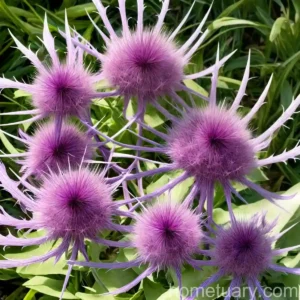
The Purple Coneflower, or Echinacea Paradiso Mix, is a member of the Asteraceae family, which also includes daisies and sunflowers. This herbaceous perennial is native to North America and is widely recognized for its distinctive, daisy-like flowers with prominent, cone-shaped centers. The Paradiso Mix variety is particularly prized for its striking blend of purple and pink hues, creating a visually captivating display in garden landscapes.
The Echinacea species, including the Paradiso Mix, has garnered attention for its potential health benefits. Native Americans traditionally used Echinacea as a medicinal herb to treat various ailments, and it continues to be valued for its potential immune-boosting properties today.
Key Takeaways: Purple Coneflower (Echinacea Paradiso Mix)
Before delving into the detailed aspects of the Purple Coneflower, let’s review some key takeaways about this remarkable plant:
- Botanical Name: Echinacea Paradiso Mix
- Varieties: Purple Coneflower varieties are diverse, with the Paradiso Mix standing out for its vibrant purple and pink blooms.
- Cultural Importance: The Echinacea species, including Paradiso Mix, is celebrated for its potential health benefits and ornamental value.
- Growing Tips: Providing adequate water, sunlight, and soil conditions are essential for successful cultivation.
- Medicinal Uses: Purple Coneflower, especially in its Echinacea form, has a rich history of use in traditional medicine.
- Wildlife Attraction: Purple Coneflower is known for attracting pollinators such as bees and butterflies to the garden.
Now that we have established an overview of the Purple Coneflower, let’s delve deeper into its various aspects, from cultivation to usage and maintenance.
Culture of Purple Coneflower (Echinacea Paradiso Mix)
Cultivating Purple Coneflower involves understanding its specific cultural requirements, including water, sunlight, fertilizer, soil, and pruning. By providing the ideal conditions for its growth, you can ensure that this plant thrives and displays its stunning blooms year after year.
Uses
The Purple Coneflower offers a myriad of uses, spanning from its traditional medicinal applications to its role as an ornamental plant in garden landscapes. Understanding the diverse uses of Echinacea Paradiso Mix can provide valuable insights into its role in both health and aesthetics.
Water
Adequate watering is crucial for the health and vitality of Purple Coneflower plants. Maintaining a balanced approach to watering helps prevent issues such as root rot and ensures that the plant remains vibrant and resilient.
Sunlight
As with many flowering plants, Purple Coneflower thrives in ample sunlight. Understanding its sunlight requirements is essential for promoting robust growth and prolific flowering.
Fertilizer
While Purple Coneflower is known for its resilience, providing appropriate nutrients can enhance its vigor and overall performance. A targeted approach to fertilization can support healthy, vigorous growth and abundant blooms.
Soil
The quality and composition of the soil play a significant role in the successful cultivation of Purple Coneflower. Understanding the ideal soil conditions can contribute to the plant’s overall health and longevity.
Pruning
Pruning is an important aspect of maintaining the health and appearance of Purple Coneflower plants. Proper pruning practices can promote flowering, manage plant size, and rejuvenate older plants.
Now that we have covered the essential cultural aspects of Purple Coneflower, let’s explore each of these components in detail and learn the best practices for ensuring the successful cultivation of Echinacea Paradiso Mix.
Propagation of Purple Coneflower (Echinacea Paradiso Mix)
Propagation methods allow gardeners to expand their collection of Purple Coneflower plants, whether for personal enjoyment or to share with others. Learning about the various propagation techniques for Echinacea Paradiso Mix can empower you to successfully multiply your plants and contribute to their preservation.
Container Popularity
In recent years, container gardening has gained popularity, offering a versatile and space-efficient way to cultivate plants. Purple Coneflower can thrive in containers, adding a vibrant touch to balconies, patios, and small gardens.
Common Diseases
While Purple Coneflower is generally resilient, it is susceptible to certain diseases that can impact its health and appearance. Awareness of common diseases helps in prevention and effective management strategies.
Disease Diagnosis
Timely diagnosis of diseases and disorders is crucial for implementing targeted treatments and preventing the spread of infections. Understanding the symptoms and signs of common diseases aids in the prompt management of plant health issues.
Common Pests
Like many plants, Purple Coneflower may face challenges from various pests that can affect its growth and overall well-being. Identifying common pests and implementing appropriate control measures is essential for preserving the health of the plants.
Botanist’s Tips
Insights from botanists and experienced gardeners can offer invaluable guidance for cultivating Purple Coneflower successfully. Learning from experts in the field can provide practical tips and strategies for promoting the health and vitality of Echinacea Paradiso Mix.
Now that we have explored the propagation and common challenges associated with cultivating Purple Coneflower, let’s turn our attention to gaining a deeper understanding of these aspects and learning how to overcome potential obstacles.
Fun Facts About Purple Coneflower (Echinacea Paradiso Mix)
Uncovering the unique and intriguing characteristics of Purple Coneflower adds a layer of fascination to its cultivation and usage. From historical significance to ecological roles, fun facts offer a captivating perspective on this remarkable plant.
Links to External Resources
- Echinacea: Overview of Different Species and Their Uses
- Gardening Know How: Growing Purple Coneflowers in the Garden
- National Institutes of Health: Echinacea for Treating the Common Cold
- Royal Horticultural Society: Echinacea Growing Guide
In the next sections of this comprehensive guide, we will delve into the intricate details of cultivating, maintaining, and deriving benefits from Purple Coneflower, providing a thorough understanding of its cultural significance, uses, and potential health implications. Whether you are a seasoned gardener, an herbal enthusiast, or someone with a budding interest in horticulture, this guide will equip you with the knowledge needed to appreciate and cultivate Purple Coneflower successfully.
The article continues with the remaining sections, covering the plant’s growth requirements, medicinal uses, landscaping potential, natural habitat, flowering season, and much more. Each section provides in-depth information, practical tips, and expert insights, ensuring that readers gain a comprehensive understanding of Purple Coneflower (Echinacea Paradiso Mix) and its multifaceted characteristics and applications.