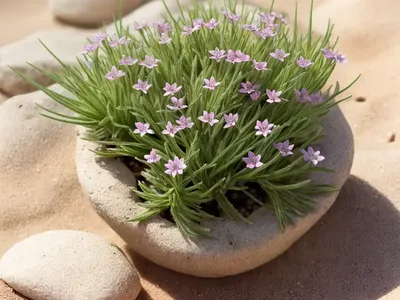
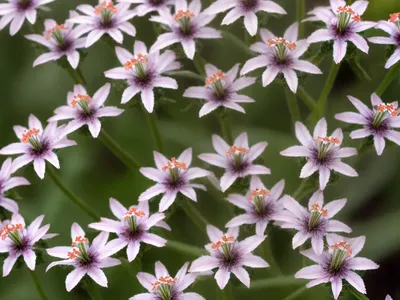
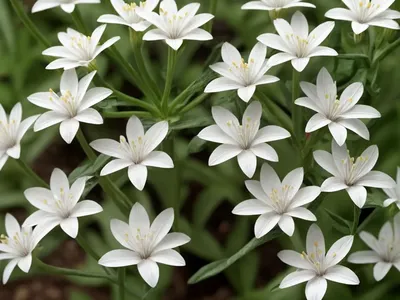
Procumbent Pearlwort (Sagina Procumbens)
Plants are an essential aspect of our world, providing oxygen, food, and beauty to our environment. One such fascinating plant is the Procumbent Pearlwort.
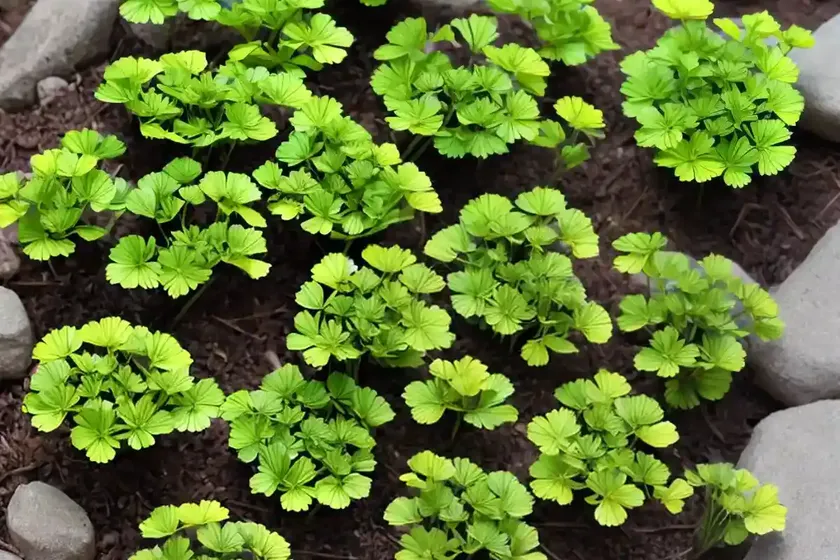
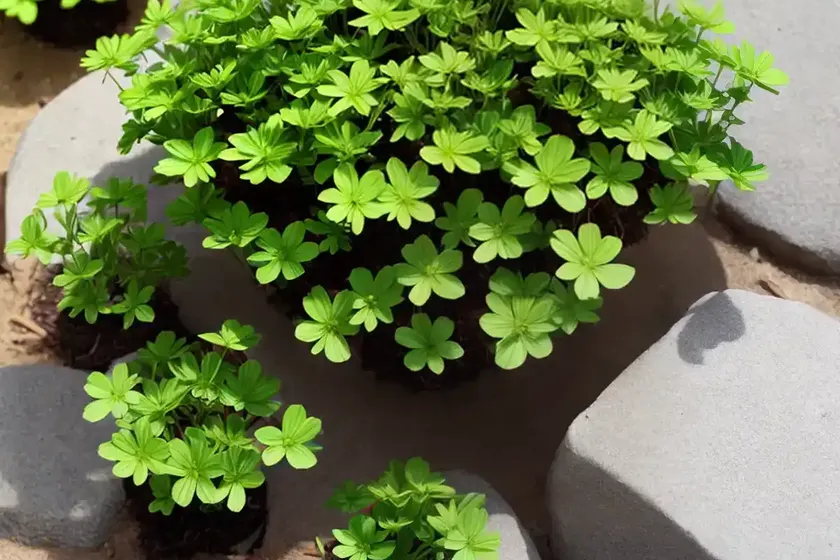
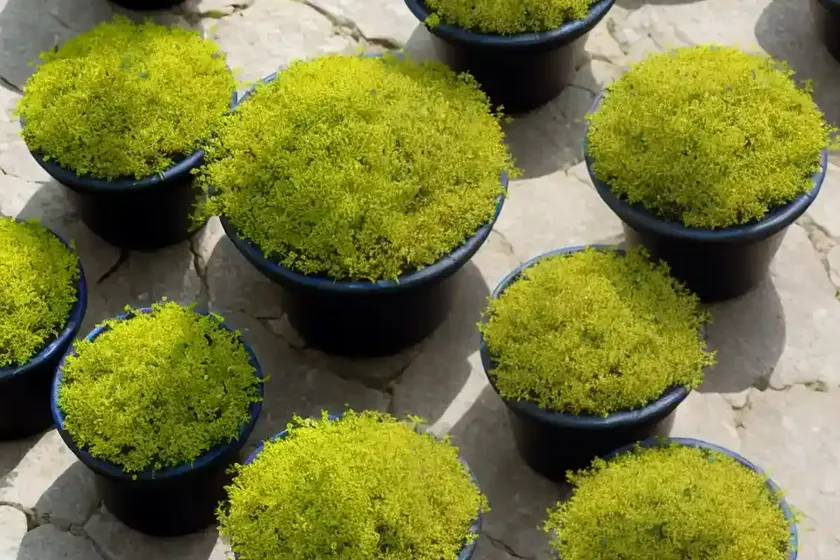
Plants are an essential aspect of our world, providing oxygen, food, and beauty to our environment. One such fascinating plant is the Procumbent Pearlwort, scientifically known as Sagina procumbens. This blog post will delve into the exquisite characteristics, cultivation, uses, and care of the Procumbent Pearlwort.
What is Procumbent Pearlwort (Sagina procumbens)?
Procumbent Pearlwort, popularly known as Sagina procumbens, is a low-growing, perennial herbaceous plant that belongs to the family Caryophyllaceae. It is native to Europe but is also found in other parts of the world, thriving in various habitats. This hardy plant is known for its delicate appearance and resilience, making it a popular choice for ground cover and ornamental uses.
Key Takeaways – Procumbent Pearlwort (Sagina procumbens)
Before we dive deeper into the details of the Procumbent Pearlwort, let’s take a quick look at some key takeaways:
- Plant Name: Sagina procumbens
- Benefits: Groundcover, ornamental, medicinal properties
- Uses: Landscaping, rock gardens, lawn replacement, erosion control, miniature gardens, shade areas, moist soils, hanging baskets, green roofs, terrariums, ground cover alternative, walkway borders, wildlife gardens, rooftop gardens, hydroponic systems, biodiversity tool, green spaces
- Care: Low-maintenance, drought-resistant, deer-resistant, companion plants, soil preferences, water requirements, sun exposure, ideal climate conditions, seasonal changes
- Cultivation: Growth habits, propagation methods, maintenance, unique foliage
- Fun Facts: Traditional folklore, culinary uses, herbal and traditional medicine
Now, let’s explore the culture, uses, care, and fascination surrounding the Procumbent Pearlwort.
Culture
Uses
The Procumbent Pearlwort is a versatile plant with a wide range of uses. Its low-growing habit and delicate foliage make it an excellent choice for landscaping, particularly for creating textured ground cover that adds visual interest to gardens. It is also well-suited for rock gardens, where its diminutive size and resilience thrive in the harsh conditions often found in such settings.
Moreover, this plant is an ideal option for replacing traditional lawns in areas where maintenance can be challenging. Its ability to withstand foot traffic and its low-maintenance requirements make it an attractive alternative to traditional grass lawns.
In addition to its landscaping uses, the Procumbent Pearlwort is also valuable for controlling soil erosion. Its spreading growth habit creates a protective layer over the soil, preventing erosion and stabilizing embankments.
Furthermore, the Procumbent Pearlwort’s adaptability to shade and moist soils makes it an excellent choice for incorporating into hanging baskets or using as a ground cover in areas with limited sunlight or high moisture levels. Its versatility also extends to green roofs, terrariums, and even hydroponic systems, where its low-maintenance nature and attractive appearance are highly desirable.
The plant is also a biodiversity tool, as it provides habitat and sustenance for insects and pollinators. Wildlife gardens benefit from the Procumbent Pearlwort as it attracts beneficial insects and contributes to the overall ecological balance of the garden.
Water
As for its water requirements, the Procumbent Pearlwort thrives in moist soils. While it can tolerate periods of dryness, it is best suited to environments with consistent moisture, making it an excellent choice for areas where other plants may struggle to survive.
Sunlight
While the Procumbent Pearlwort can tolerate partial shade, it prefers full to partial sunlight. Nonetheless, its adaptability to shade makes it a versatile plant that can thrive in various light conditions, making it suitable for areas with different light exposures in a garden or landscape.
Fertilizer
The Procumbent Pearlwort is a relatively low-maintenance plant that does not have high fertilizer requirements. It generally thrives in nutrient-rich soils, but excessive fertilization is not necessary. A well-balanced fertilizer applied in moderation during the growing season can help support healthy growth and vibrant foliage.
Soil
The ideal soil for Procumbent Pearlwort is well-draining and rich in organic matter. It is important to ensure that the soil does not become waterlogged, as excessive moisture can lead to root rot and other issues. When planting in containers, a high-quality potting mix with good drainage is essential to promote healthy growth.
Pruning
Pruning requirements for the Procumbent Pearlwort are minimal. Regularly removing any dead or damaged foliage can help maintain the plant’s appearance and encourage new growth. Additionally, trimming back any overgrown or straggly stems can help promote a denser and more compact growth habit.
Propagation
The Procumbent Pearlwort is easily propagated by division or from seeds. When propagating by division, carefully separate the clumps of the plant, ensuring that each division has a sufficient root system. Plant the divisions in prepared soil and keep them consistently moist until they establish themselves.
Alternatively, the plant can be propagated from seeds, which should be sown in a well-prepared seedbed or containers. Keep the soil consistently moist, and the seeds should germinate within a few weeks. Once the seedlings have developed, they can be transplanted to their desired location.
Container Popularity
The Procumbent Pearlwort’s adaptability and low-maintenance nature make it a popular choice for container gardening. Its petite size and delicate appearance add charm to containers, making it an ideal plant for decorative displays and arrangements. When selecting containers for this plant, ensure that they have adequate drainage to prevent waterlogging, as excessive moisture can be detrimental to its growth.
Container Common Diseases
While the Procumbent Pearlwort is generally resilient to diseases, certain conditions such as waterlogged soil can lead to root rot and other fungal issues. To prevent common diseases in containers, it is essential to use well-draining soil and avoid overwatering.
Disease Diagnosis
Diagnosing diseases in Procumbent Pearlwort primarily involves assessing the plant’s overall health and appearance. Common signs of disease include wilting, yellowing foliage, and the presence of mold or fungal growth on the plant or in the soil. Promptly addressing any issues with proper watering, adequate air circulation, and soil drainage can help prevent and manage diseases effectively.
Common Pests
The Procumbent Pearlwort is relatively resistant to pests, but certain insects, such as aphids and spider mites, may occasionally pose a threat. Regularly inspecting the plant for signs of pest infestations and promptly addressing any issues can help prevent pests from causing significant damage.
Botanist’s Tips
- When planting Procumbent Pearlwort, consider its growth habit and spacing requirements to ensure that it can spread and establish a dense ground cover effectively.
- Regularly monitor the plant for any signs of stress, such as wilting or browning foliage, and adjust watering and environmental conditions as needed to support its growth.
- To enhance the visual appeal of the Procumbent Pearlwort, consider planting it alongside contrasting foliage or flowers to create a dynamic and engaging landscaping feature.
Fun Facts
- In traditional folklore, Procumbent Pearlwort is associated with myths and stories, making it an intriguing and culturally significant plant.
- The plant has culinary uses and is known for its medicinal properties in traditional and herbal medicine, further adding to its multifaceted nature and value.
Now that we’ve explored the culture, uses, and care of the Procumbent Pearlwort, let’s delve into some additional details and resources related to this captivating plant.
Links to External Resources
- Procumbent Pearlwort – Plant Profile and Care Guide – Comprehensive resource outlining the characteristics and care requirements of the Procumbent Pearlwort.
- Utilizing Procumbent Pearlwort in Landscaping – Detailed guide on incorporating Procumbent Pearlwort into various landscaping designs and applications.
- Medicinal Uses of Sagina procumbens – Information on the traditional and modern medicinal applications of Procumbent Pearlwort in herbal medicine.
- Crafting with Procumbent Pearlwort – Creatively explore the utilization of Procumbent Pearlwort in craft and culinary endeavors.
In conclusion, the Procumbent Pearlwort stands out as a resilient, versatile, and visually captivating plant with numerous applications in landscaping, horticulture, and traditional practices. Its low-maintenance nature and adaptability to various growing conditions make it an attractive choice for both experienced gardeners and novices looking to enhance their outdoor spaces.
Sagina procumbens represents a fascinating blend of natural charm, cultural significance, and practical utility that continues to inspire and enrich our botanical world. Whether used to create lush ground cover, contribute to biodiversity, or add a touch of folklore and tradition to a garden, the Procumbent Pearlwort is a botanical gem worthy of appreciation and cultivation.
Plant enthusiasts and gardening aficionados alike can find endless inspiration and creative opportunities through the cultivation and utilization of Sagina procumbens, making it a valuable addition to any horticultural repertoire.