Night-Flowering Catchfly (Silene Nocturna)
Silene nocturna, commonly known as Night-Flowering Catchfly, is a mesmerizing plant species that has intrigued botanists and gardening enthusiasts alike..
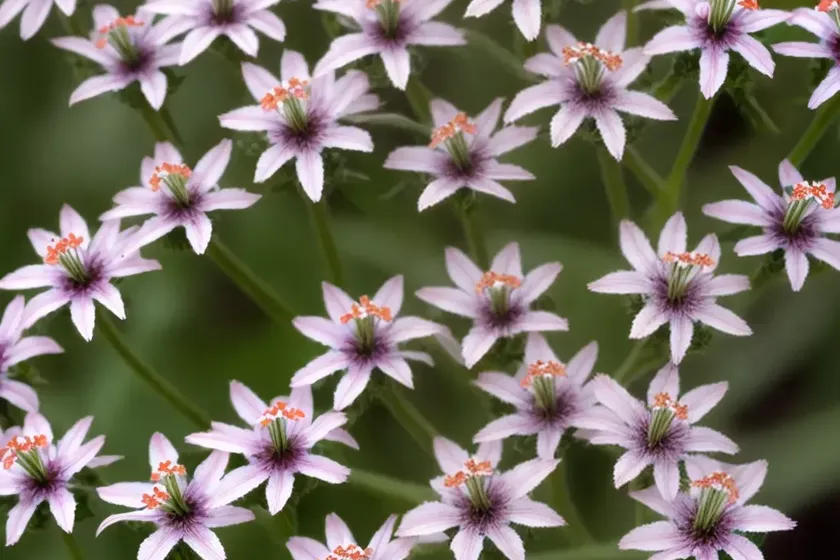
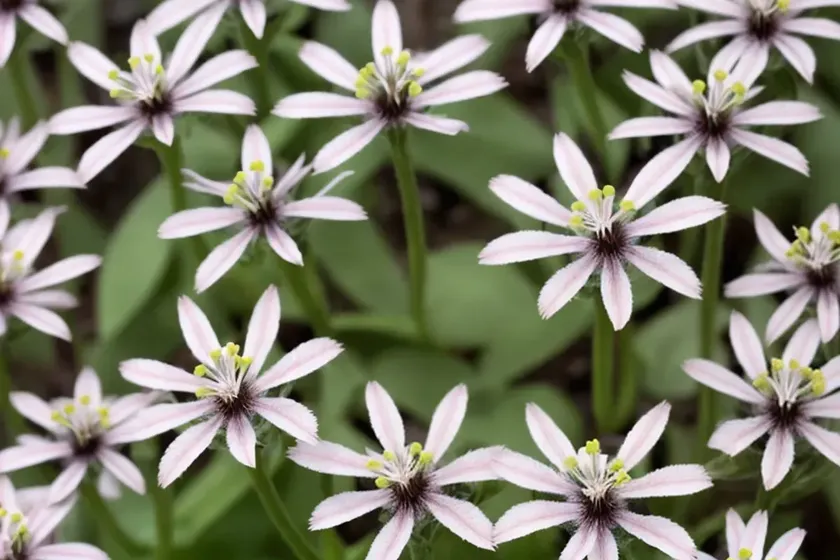
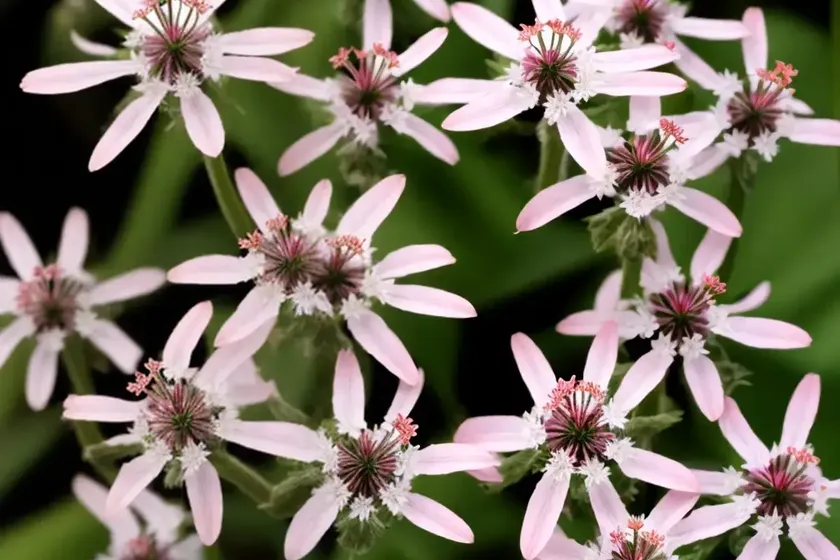
Silene nocturna, commonly known as Night-Flowering Catchfly, is a mesmerizing plant species that has intrigued botanists and gardening enthusiasts alike. Belonging to the Caryophyllaceae family, this plant is renowned for its unique blooming pattern, cultural significance, and ecological importance. In this comprehensive guide, we will delve into the captivating world of Night-Flowering Catchfly, exploring its characteristics, cultivation, significance, and much more.
What is Silene nocturna (Night-Flowering Catchfly)?
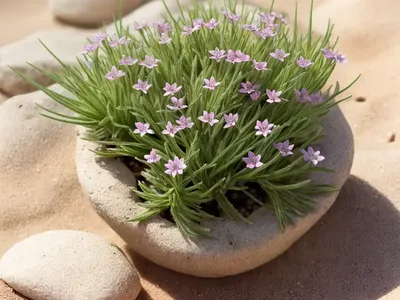
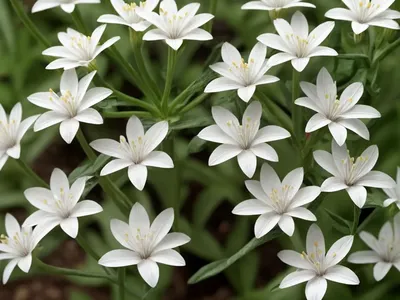
Night-Flowering Catchfly, scientifically classified as Silene nocturna, is a nocturnal blooming plant species that exhibits striking floral traits. Originating from the Mediterranean region, this plant has garnered attention for its remarkable adaptations to low-light environments and its folklore significance. With its delicate, star-like flowers that bloom exclusively at night, Silene nocturna has become a sought-after addition to gardens and landscaping projects.
Key Takeaways – Night-Flowering Catchfly (Silene nocturna)
Before delving into the intricacies of cultivating Night-Flowering Catchfly, let’s explore the key takeaways associated with this enchanting plant.
- Scientific Name: Silene nocturna
- Common Name: Night-Flowering Catchfly
- Blooming Schedule: Exclusively at night
- Cultural Significance: Associated with folklore and symbolic meanings
- Habitat: Indigenous to the Mediterranean region
- Ecological Importance: Plays a vital role in pollinator attraction and ecosystem health
- Botanical Class: Caryophyllaceae family
- Unique Traits: Nocturnal blooming pattern, delicate star-shaped flowers
Now, let’s dive into the comprehensive aspects of cultivating and appreciating Night-Flowering Catchfly in various settings, ranging from home gardens to ecological conservation efforts.
Culture
Understanding the cultural requirements of Night-Flowering Catchfly is essential for successfully nurturing this captivating plant. This section will outline the best practices for promoting healthy growth and vibrant blooms in Silene nocturna.
Uses
- Gardens: Night-Flowering Catchfly serves as an elegant addition to gardens, especially for those seeking to create a mystical and enchanting ambiance during nighttime.
- Landscaping Projects: Due to its unique blooming schedule and delicate appearance, Silene nocturna is often incorporated into landscaping projects to add an element of surprise and allure.
Water
Proper watering is crucial for maintaining the health and vitality of Night-Flowering Catchfly.
- Frequency: Water the plant regularly, ensuring that the soil remains evenly moist, especially during the growing season.
- Avoid Overwatering: While Silene nocturna requires consistent moisture, it is important to prevent waterlogging, as excessively wet soil can lead to root rot.
Sunlight
Silene nocturna’s sunlight requirements play a significant role in its blooming behavior and overall well-being.
- Shade-Tolerant: Night-Flowering Catchfly flourishes in partial to full shade, making it an ideal choice for gardens and shaded areas.
- Protect from Harsh Sunlight: Shield the plant from intense midday sun, as prolonged exposure to direct sunlight may hinder its nocturnal blooming pattern.
Fertilizer
Applying the right fertilizers can greatly enhance the growth and blooming capabilities of Night-Flowering Catchfly.
- Balanced Formula: Utilize a balanced, slow-release fertilizer to provide essential nutrients while minimizing the risk of over-fertilization.
- Application Time: Apply fertilizer in early spring to support vigorous growth and encourage abundant blooms during the flowering season.
Soil
The soil composition significantly impacts the overall health and vitality of Silene nocturna.
- Well-Drained Soil: Plant Night-Flowering Catchfly in well-drained, humus-rich soil to ensure optimal root development and moisture retention.
- pH Levels: Aim for slightly acidic to neutral soil pH (6.0-7.0) to create an ideal growing environment for Silene nocturna.
Pruning
Pruning is an essential practice for maximizing the aesthetic appeal and longevity of Night-Flowering Catchfly.
- Deadhead Spent Blooms: Remove spent flowers regularly to promote continuous blooming and prevent the plant from expending energy on seed production.
- Trim Stems: Periodically trim back any leggy or overgrown stems to maintain a compact and well-shaped growth habit.
Propagation
Understanding the propagation methods for Silene nocturna enables enthusiasts to expand their collection and share this captivating species with others.
- Seed Propagation: Harvest seeds from mature capsules and sow them in well-prepared soil to propagate new plants.
- Division: Propagate Night-Flowering Catchfly by gently dividing mature clumps to create separate, thriving specimens.
Container Popularity
Night-Flowering Catchfly’s adaptability to container gardening has contributed to its popularity among urban and space-constrained gardeners.
- Container Sizes: Choose adequately sized containers to accommodate the plant’s root system and promote healthy growth.
- Drainage: Ensure that containers have adequate drainage holes to prevent waterlogging and maintain optimal soil moisture levels.
Common Diseases
Being aware of potential diseases that can affect Night-Flowering Catchfly is vital for implementing preventive measures and early intervention.
- Powdery Mildew: Look out for powdery, white fungal growth on the plant’s foliage and take prompt measures to mitigate its spread.
- Root Rot: Ensure proper drainage and avoid overwatering to prevent root rot, a common issue in waterlogged soils.
Disease Diagnosis
Early detection and accurate diagnosis of diseases affecting Silene nocturna are crucial for implementing effective treatment strategies.
- Visual Symptoms: Regularly inspect the plant for discolored or distorted foliage, stunted growth, and abnormal blooming patterns, which can indicate underlying diseases.
- Consultation: Seek guidance from experienced botanists or plant health professionals to accurately diagnose and address potential diseases.
Common Pests
Identifying and addressing common pests that may affect Night-Flowering Catchfly is essential for maintaining its health and vitality.
- Aphids: Keep an eye out for aphid infestations, especially on new growth, and utilize natural predators or organic pest control methods to manage their population.
- Spider Mites: Monitor the plant for signs of spider mite infestations, such as webbing and stippled foliage, and employ appropriate pest management practices.
Botanist’s Tips
Incorporating insights from experienced botanists can provide valuable guidance for nurturing and appreciating Night-Flowering Catchfly to the fullest.
- Nocturnal Observation: Take the time to observe the captivating blooming process of Silene nocturna during the nighttime to fully appreciate its enchanting beauty and unique adaptation.
- Ecological Significance: Recognize the role of Night-Flowering Catchfly in supporting nocturnal pollinators and contributing to the biodiversity of local ecosystems.
Fun Facts
Discovering intriguing and lesser-known facts about Night-Flowering Catchfly adds to the enchantment of this remarkable plant species.
- Folklore Ties: Night-Flowering Catchfly is often associated with folklore and symbolic meanings, with its nocturnal blooming pattern captivating the imagination across various cultures.
- Nocturnal Pollinators: Silene nocturna’s blooming schedule is specifically adapted to attract and support nocturnal pollinators such as moths and bats, contributing to the diversity of nighttime wildlife.
Links to External Resources
Explore further insights and detailed information on Night-Flowering Catchfly through these reputable external resources:
In conclusion, Night-Flowering Catchfly (Silene nocturna) stands as a captivating and enigmatic plant species, captivating enthusiasts with its nocturnal blooming splendor and cultural significance. By understanding its unique traits, ecological importance, and best cultivation practices, individuals can cultivate and appreciate Silene nocturna in diverse settings, fostering its enchanting allure while contributing to the conservation of this remarkable species.