Primula japonica ‘Apple Blossom’ (Japanese Primrose)
The Primula japonica ‘Apple Blossom,’ commonly known as the Japanese Primrose, is a stunning plant that can enhance any garden or landscape with its beautiful, delicate flowers. This cultivar is a particular favorite among gardeners due to its unique characteristics and versatility. In this comprehensive guide, we will delve into the various aspects of this delightful plant, including its cultural requirements, uses in different settings, care tips, common diseases and pests, propagation methods, and much more.
What is Primula japonica ‘Apple Blossom’?
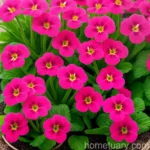
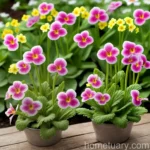
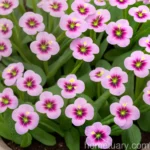
The Primula japonica ‘Apple Blossom’ is a captivating herbaceous perennial that belongs to the Primulaceae family. Originating from Japan, this cultivar is highly valued for its elegant, bell-shaped flowers, which bloom in captivating shades of pink and white. The vivid hues of the ‘Apple Blossom’ cultivar are reminiscent of delicate cherry blossoms, evoking a sense of tranquility and natural beauty.
The Japanese Primrose is characterized by its lush, green foliage and striking flower spikes, making it a charming addition to any garden or landscape. While it is often cultivated for ornamental purposes, Primula japonica has also been used in traditional medicine due to its purported medicinal properties.
Key Takeaways – Primula japonica ‘Apple Blossom’ (Japanese Primrose)
Before we delve into the specifics of caring for and cultivating the Japanese Primrose, it is essential to understand some key takeaways associated with this enchanting plant. Here are a few important points to keep in mind:
- The Primula japonica ‘Apple Blossom’ is a cultivar of the Japanese Primrose, prized for its captivating pink and white flowers.
- It is a versatile plant that can be utilized in various settings, including traditional gardens, rock gardens, perennial borders, and water features.
- Understanding the cultural requirements, such as watering, sunlight, soil, and fertilization, is crucial for nurturing healthy Primula japonica ‘Apple Blossom’ specimens.
- The ‘Apple Blossom’ cultivar is susceptible to certain diseases and pests, so proactive measures should be taken to maintain its vigor and vitality.
- Propagation techniques, such as division and seed sowing, can be employed to propagate Primula japonica ‘Apple Blossom’ and expand its presence in a garden or landscape.
With these key takeaways in mind, let’s explore the various aspects of the Japanese Primrose in greater detail, from its cultural requirements to its propagation and potential uses.
Culture
Cultivating Primula japonica ‘Apple Blossom’ requires a nuanced understanding of its cultural requirements, including considerations for water, sunlight, fertilizer, soil, and pruning. By providing the optimal conditions, gardeners can ensure the health and vibrancy of this captivating plant.
Water
Proper watering is essential for the health and vitality of the Japanese Primrose. Here are some important considerations regarding watering techniques for Primula japonica ‘Apple Blossom’:
- Moisture Retention: Japanese Primroses thrive in consistently moist soil. It is crucial to ensure that the soil remains adequately moist, especially during the growing season and periods of drought.
- Watering Frequency: In general, it is recommended to water the ‘Apple Blossom’ cultivar regularly, particularly during dry spells. However, it is important to avoid waterlogging, as excessive moisture can lead to root rot and other complications.
- Mulching: Applying a layer of organic mulch around the base of Primula japonica ‘Apple Blossom’ can help retain soil moisture and regulate temperature, contributing to overall plant health.
Sunlight
The sunlight requirements of Primula japonica ‘Apple Blossom’ play a crucial role in its overall development and flowering. Consider the following points when determining suitable sunlight conditions for this cultivar:
- Partial Shade: Japanese Primroses generally prefer partial shade, especially in regions characterized by intense sunlight and high temperatures. Partial shade helps protect the plant from excessive heat while still allowing for ample light exposure.
- Morning Sun: Providing morning sunlight can be beneficial for the ‘Apple Blossom’ cultivar, as it allows the plant to photosynthesize and thrive without being exposed to the full intensity of midday sun.
- Shelter from Harsh Sun: In warmer climates, it may be necessary to provide shade or shelter to protect Primula japonica ‘Apple Blossom’ from the harsh afternoon sun, which can potentially scorch the delicate foliage and flowers.
Fertilizer
Fertilization is an important aspect of caring for Primula japonica ‘Apple Blossom,’ as it directly influences the plant’s growth, flowering, and overall vigor. Consider the following guidelines for fertilizing the Japanese Primrose:
- Balanced Fertilizer: Utilize a balanced, water-soluble fertilizer formulated for flowering plants. This can help provide the essential nutrients that Primula japonica ‘Apple Blossom’ requires for robust growth and prolific flowering.
- Application Frequency: Apply fertilizer to the Japanese Primrose in early spring, just as new growth begins to emerge. Additionally, a second application in early summer can support continued flowering and overall plant health.
Soil
The soil composition and quality are paramount to the well-being of Primula japonica ‘Apple Blossom.’ Consider the following soil-related considerations when cultivating this captivating cultivar:
- Well-Draining Soil: Japanese Primroses prefer well-draining soil that prevents waterlogging and promotes aeration of the root system. Amending the soil with organic matter, such as compost or peat moss, can improve its drainage capabilities.
- Acidic Soil: Primula japonica ‘Apple Blossom’ thrives in slightly acidic soil with a pH range between 6.0 and 7.0. Conduct soil tests to assess the pH level and make adjustments as necessary to create optimal growing conditions for the Japanese Primrose.
Pruning
Pruning Primula japonica ‘Apple Blossom’ is an important aspect of plant maintenance, as it promotes healthy growth, enhances flowering, and helps shape the plant’s overall appearance. Consider the following points when undertaking pruning tasks for the Japanese Primrose:
- Deadheading: Removing spent flowers and old blooms can encourage the continuous production of new flowers, prolonging the blooming period of the ‘Apple Blossom’ cultivar.
- Division: Periodically dividing established clumps of Primula japonica ‘Apple Blossom’ can rejuvenate the plant, prevent overcrowding, and promote vigorous growth. This is particularly beneficial after several years of growth when the plant may become congested.
- Trimming Foliage: Trimming back excessive foliage can help maintain a neat and compact appearance while allowing for better air circulation around the plant, reducing the risk of disease and pest infestations.
Uses
The Primula japonica ‘Apple Blossom’ possesses versatile uses in various settings, ranging from traditional gardens to containers and water features. Understanding the potential applications of this captivating plant can inspire gardeners to incorporate it into their landscapes in creative and impactful ways.
Landscape Planting
Japanese Primroses, including the ‘Apple Blossom’ cultivar, are well-suited for planting in traditional landscapes and gardens. Consider the following uses of Primula japonica in these settings:
- Perennial Borders: The striking flowers of the Japanese Primrose make it an excellent addition to perennial borders, where it can contribute vibrant color and visual interest throughout the blooming season. Planting ‘Apple Blossom’ specimens alongside other perennial flowers can create captivating displays.
- Shade Gardens: Primula japonica ‘Apple Blossom’ thrives in partial shade, making it an ideal choice for shaded garden areas. Its lush foliage and elegant flowers can illuminate and enliven shaded spaces, adding a touch of elegance and charm.
- Rock Gardens: The compact growth habit of the ‘Apple Blossom’ cultivar renders it suitable for rock gardens and alpine plantings. Its delicate flowers can contrast beautifully against the rugged terrain, creating a captivating juxtaposition of textures and colors.
Container Cultivation
Japanese Primroses, including the ‘Apple Blossom’ cultivar, can be cultivated in containers, offering a versatile and portable option for gardening enthusiasts. Consider the following tips for growing Primula japonica ‘Apple Blossom’ in containers:
- Container Selection: Choose spacious containers with adequate drainage holes to support the healthy growth of Primula japonica ‘Apple Blossom.’ The containers should allow for ample root development and provide stability to the plants.
- Potting Mix: Utilize well-draining, high-quality potting mix to ensure proper aeration and moisture retention. Amending the mix with organic matter can enhance its nutrient content and promote healthy growth.
- Placement: Position the containers in partially shaded areas, shielding them from intense sunlight and heat. This can help maintain optimal growing conditions for the ‘Apple Blossom’ cultivar, especially in warmer climates.
Water Features
The captivating beauty of the Japanese Primrose makes it an ideal choice for embellishing water features, such as ponds, streams, and water gardens. Consider the following considerations when incorporating Primula japonica ‘Apple Blossom’ into water-centric landscapes:
- Marginal Planting: Japanese Primroses are well-suited for marginal planting along the edges of ponds or water features. Their lush foliage and elegant flowers can gracefully cascade into the water, creating a picturesque and serene ambiance.
- Moisture-Loving Species: Primula japonica ‘Apple Blossom’ thrives in moist conditions, making it an ideal candidate for water gardens and areas near aquatic environments. Its adaptability to moisture-rich settings enhances its suitability for water feature landscaping.
Propagation
Expanding the presence of Primula japonica ‘Apple Blossom’ in a garden or landscape can be achieved through effective propagation methods. Understanding various propagation techniques can empower gardeners to propagate this captivating cultivar and incorporate it into new areas of their gardens.
Division
Dividing established clumps of Primula japonica ‘Apple Blossom’ is a reliable and straightforward method of propagation. Follow these steps for successful division and propagation of the Japanese Primrose:
- Selective Division: Choose healthy, vigorously growing clumps of the ‘Apple Blossom’ cultivar for division. Select clumps that exhibit robust growth and ample foliage.
- Spring Division: Perform division in early spring, just as new growth begins to emerge. This timing allows the divided segments to establish themselves and acclimate to their new growing environment.
- Dividing Clumps: Gently lift the clumps from the soil and use a sharp, sterilized tool to divide them into smaller segments. Each segment should contain several shoots and a healthy root system.
- Replanting: Transplant the divided segments into prepared soil, ensuring that they are positioned at the appropriate depth. Water the newly propagated segments thoroughly to support their establishment and minimize transplant shock.
Seed Sowing
Growing Primula japonica ‘Apple Blossom’ from seeds offers an alternative method for propagating this enchanting cultivar. Here are a few considerations for successful seed sowing and propagation:
- Seed Collection: Collect mature seeds from existing Primula japonica ‘Apple Blossom’ plants after the flowering period. Allow the seed pods to dry and mature before harvesting the seeds for sowing.
- Sowing Medium: Utilize a well-draining, moist seed-starting mix for sowing Primula japonica ‘Apple Blossom’ seeds. Ensure adequate aeration and moisture retention to support germination and seedling growth.
- Light Requirements: Primula japonica seeds require exposure to light for germination. Press the seeds lightly onto the surface of the sowing medium without covering them with additional soil.
- Germination Conditions: Maintain consistent moisture and moderate temperatures to facilitate seed germination. Using a propagation dome or covering the containers with plastic can help create a humid environment conducive to germination.
By employing these propagation techniques, gardeners can effectively propagate Primula japonica ‘Apple Blossom’ and introduce new plants into their gardens or landscapes.
Popularity
The popularity of Primula japonica ‘Apple Blossom’ stems from its captivating aesthetic qualities, versatile uses, and relatively manageable cultural requirements. As a favored cultivar of the Japanese Primrose, the ‘Apple Blossom’ variety has garnered attention and admiration from gardening enthusiasts and landscape designers alike.
Gardeners’ Choice
Gardeners are captivated by the allure of Primula japonica ‘Apple Blossom,’ leading to its widespread popularity in horticultural circles. The captivating pink and white flowers, coupled with the lush foliage, make the ‘Apple Blossom’ cultivar an irresistible choice for many gardeners seeking to enhance the visual appeal of their outdoor spaces.
Landscape Design
Landscape designers value the versatility of the Japanese Primrose, including the ‘Apple Blossom’ cultivar, and often incorporate it into their designs. The plant’s suitability for various settings, such as traditional gardens, water features, and shaded landscapes, contributes to its popularity as a highly versatile and aesthetically pleasing species.
Horticultural Interest
The unique characteristics of Primula japonica ‘Apple Blossom’ have sparked horticultural interest, prompting enthusiasts and researchers to explore its potential uses, propagation techniques, and genetic diversity. This cultivar’s popularity has led to increased awareness of the broader genus Primula and its diverse array of species and cultivars.
Common Diseases
While the Japanese Primrose, including the ‘Apple Blossom’ cultivar, boasts resilience and vigor, it is susceptible to certain diseases that can compromise its health and vitality. Understanding common diseases and their associated symptoms is crucial for implementing proactive measures and maintaining the well-being of Primula japonica plants.
Powdery Mildew
Powdery mildew is a fungal disease that can affect Primula japonica ‘Apple Blossom,’ particularly in conditions of high humidity and poor air circulation. Symptoms of powdery mildew may include:
- White Powdery Coating: The presence of a powdery, white coating on the leaves and flower spikes of the Japanese Primrose is indicative of powdery mildew infestation.
- Stunted Growth: Infected plants may exhibit stunted growth and reduced vigor, with diminished flowering and foliage development.
- Fungal Spores: The fungal spores of powdery mildew can spread rapidly, affecting neighboring plants and perpetuating the infestation.
Leaf Spot
Leaf spot diseases, caused by various fungal pathogens, can also afflict Primula japonica ‘Apple Blossom.’ Common symptoms of leaf spot diseases include:
- Circular Lesions: Circular or irregular lesions may appear on the leaves of the Japanese Primrose, exhibiting discoloration and tissue necrosis.
- Leaf Yellowing: Infected leaves may exhibit yellowing, browning, or premature defoliation, impacting the overall aesthetic appeal of the plant.
- Reduced Vitality: The presence of leaf spot diseases can lead to a decline in the overall vitality and health of Primula japonica ‘Apple Blossom’ specimens.
Root Rot
Excessive moisture and poor drainage can predispose Primula japonica ‘Apple Blossom’ to root rot, a potentially devastating condition that affects the plant’s root system. Symptoms of root rot may include:
- Wilting Foliage: Infected plants may display wilting or drooping foliage, even in the presence of adequate soil moisture.
- Decay and Discoloration: The roots of the Japanese Primrose may exhibit signs of decay, such as darkening, softening, and foul odors, indicative of root rot.
- Stunted Growth: The overall growth and vigor of the plant can be compromised by the presence of root rot, leading to diminished flowering and foliage development.
Disease Diagnosis
Accurately diagnosing diseases affecting Primula japonica ‘Apple Blossom’ is essential for implementing targeted management strategies and preserving the plant’s health. By identifying key symptoms and signs associated with common diseases, gardeners can effectively diagnose and address potential health issues in their Japanese Primrose specimens.
Visual Inspection
Conducting a thorough visual inspection of the Japanese Primrose can provide valuable insights into its health status and potential disease infestations. Look for the following visual cues when diagnosing diseases:
- Leaf Abnormalities: Examine the leaves for any discoloration, spotting, or deformities, as these can be indicative of fungal diseases such as powdery mildew or leaf spot.
- Root Examination: If root rot is suspected, carefully inspect the roots for signs of decay, discoloration, and mushiness, which are classic symptoms of this detrimental condition.
Pathogen Identification
Identifying the causative agents of diseases affecting Primula japonica ‘Apple Blossom’ can aid in accurate diagnosis and targeted management. Consider the following steps for pathogen identification:
- Laboratory Analysis: Submit samples of infected plant material to diagnostic laboratories or horticultural experts for comprehensive analysis and pathogen identification.
- Microscopic Examination: Utilize a microscope to observe potential fungal spores, mycelium, or other pathogenic structures that may be present on affected plant tissue.
Professional Consultation
Seeking guidance from professional plant pathologists or horticultural experts can assist in the accurate diagnosis of diseases affecting the Japanese Primrose. Horticultural professionals can offer valuable insights, diagnostic services, and recommendations for disease management.
Common Pests
In addition to diseases, Primula japonica ‘Apple Blossom’ may also be susceptible to certain pests that can affect its growth and overall well-being. Understanding common pests and their associated symptoms is crucial for implementing effective pest management strategies and preserving the health of the Japanese Primrose.
Aphids
Aphids are common sap-feeding insects that can infest Primula japonica ‘Apple Blossom,’ posing a threat to the plant’s vitality. Recognize the following symptoms of aphid infestations:
- Sticky Residue: The presence of sticky honeydew residue on the foliage and flower spikes of the Japanese Primrose is indicative of aphid infestations.
- Deformed Shoots: Infested plants may exhibit distorted or deformed new growth, particularly in areas where aphids are actively feeding.
- Sooty Mold: The honeydew excreted by aphids can lead to the development of sooty mold on the foliage of the Japanese Primrose, further detracting from its aesthetic appeal.
Slugs and Snails
Slugs and snails are notorious pests that can feed on the foliage and flowers of Primula japonica ‘Apple Blossom,’ resulting in unsightly damage. Look for the following signs of slug and snail infestations:
- Irregular Holes: Infested plants may display irregular holes and feeding damage on the leaves, caused by the voracious feeding behavior of slugs and snails.
- Slime Trails: The presence of silvery, viscous slime trails on the foliage and surrounding soil is indicative of slug and snail activity, providing clear evidence of their presence.
- Feeding Debris: Recognize the presence of feeding debris, such as chewed leaf fragments and flower remnants, as a result of slug and snail feeding.
Caterpillars
Certain caterpillar species can feed on the foliage and flowers of Primula japonica ‘Apple Blossom,’ causing aesthetic damage and compromising the overall health of the plant. Identify the following symptoms of caterpillar infestations:
- Chewed Foliage: Inspect the leaves for conspicuous chewing damage, characterized by irregular holes and missing leaf tissue resulting from caterpillar feeding.
- Frass Accumulation: Look for the accumulation of caterpillar frass, or excrement, on the foliage and surrounding soil, serving as a telltale sign of their presence.
- Defoliation: Severe caterpillar