Common Cabbage Tree (Cussonia Spicata): A Fascinating Plant Species
Plants play an indispensable role in shaping our environment, contributing to our well-being, and adding aesthetic pleasure to our surroundings. Common Cabbage Tree, scientifically known as Cussonia Spicata, is an intriguing plant species with a rich history and diverse uses. In this comprehensive guide, we will delve into the various aspects of this remarkable tree, including its cultural significance, botanical characteristics, growth requirements, uses, and much more. Whether you are an enthusiastic gardener, a plant aficionado, or a nature lover, there is something fascinating to learn about the Common Cabbage Tree.
What is a Plant?
Plants are multicellular organisms belonging to the kingdom Plantae. They are characterized by their ability to produce their own food through the process of photosynthesis. Plants encompass a wide variety of species, ranging from tiny mosses to towering trees. They are essential for sustaining life on Earth, as they contribute oxygen to the atmosphere, provide food for humans and animals, and contribute to the overall balance of ecosystems.
Plants come in diverse forms, each with unique features and requirements. Understanding and appreciating the intricacies of different plant species not only enhances our knowledge of the natural world but also allows us to cultivate a deeper connection with the environment.
Common Cabbage Tree (Cussonia Spicata)
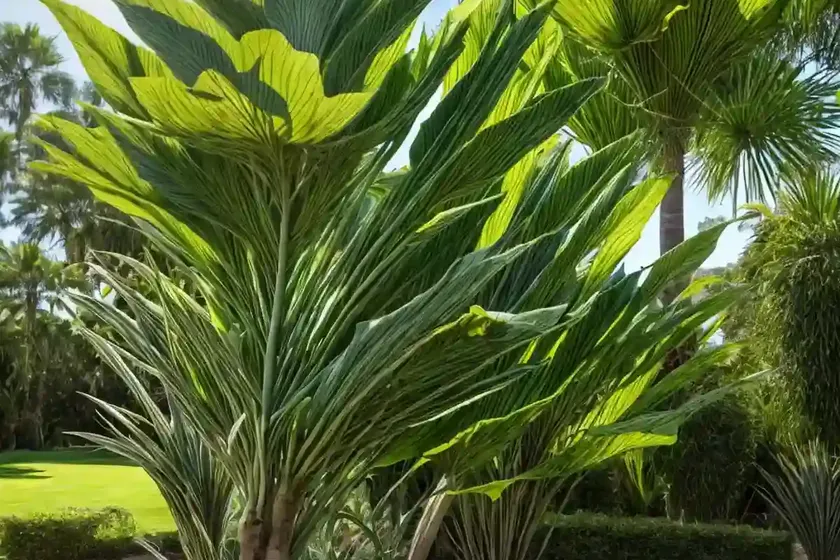
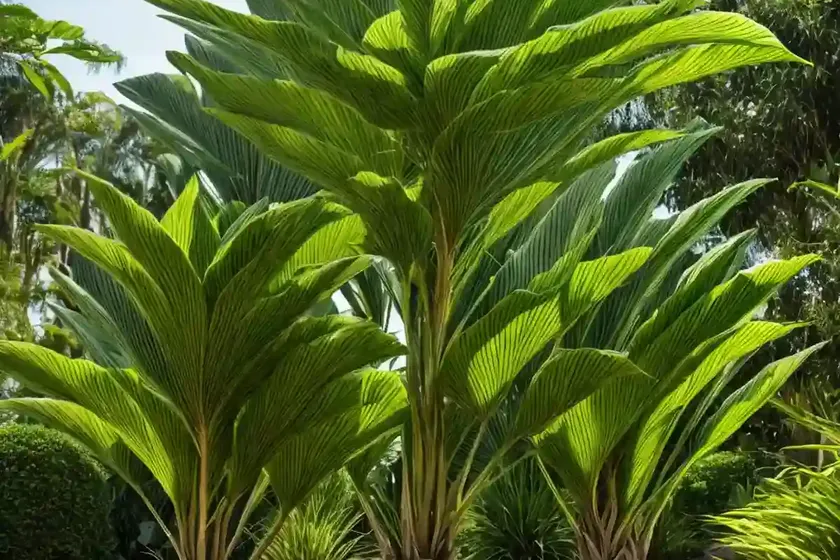
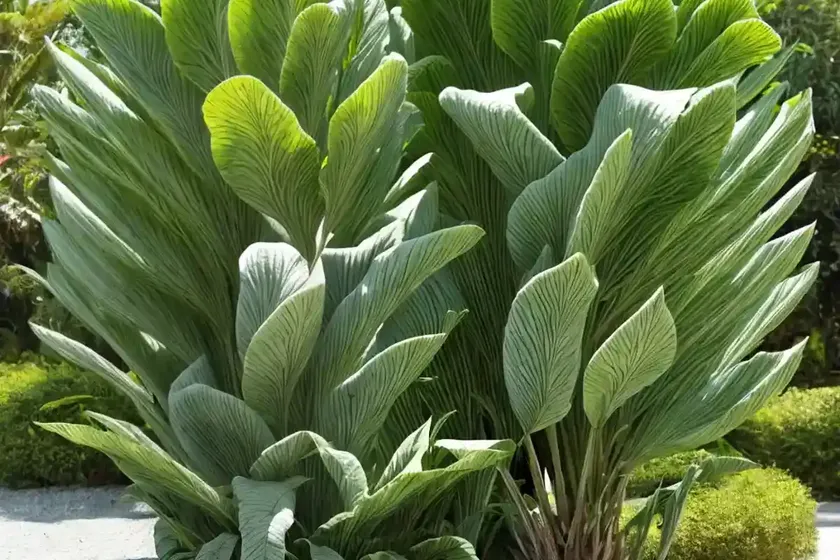
Cussonia Spicata, commonly known as the Common Cabbage Tree, is a species of flowering plant in the family Araliaceae. This species is native to South Africa, where it is widely distributed across various regions. It is renowned for its distinctive appearance, cultural significance, and diverse uses. Let’s embark on an insightful journey to explore the key aspects of the Common Cabbage Tree, ranging from its cultural significance to its ecological importance.
Key Takeaways – Common Cabbage Tree (Cussonia Spicata)
Before diving into the specific details of this remarkable plant, it is essential to provide an overview of the key takeaways that will be covered in this guide. The following sections will delve into each of these aspects in depth, allowing you to gain a comprehensive understanding of the Common Cabbage Tree.
Culture
Uses
Water
Sunlight
Fertilizer
Soil
Pruning
Propagation
Container Popularity
Container Common Diseases
Disease Diagnosis
Common Pests
Botanist’s Tips
Fun Facts
Links to External Resources
Now, let’s embark on this captivating exploration of the Common Cabbage Tree, unraveling its cultural significance, growth requirements, uses, and so much more.
Culture
Understanding the cultural significance of the Common Cabbage Tree provides a glimpse into the historical, traditional, and societal aspects associated with this plant. Culturally, the Common Cabbage Tree holds a special place within the communities where it is found. It is revered for its medicinal uses, symbolic value, and traditional practices that have been passed down through generations.
Medicinal Uses of Cabbage Tree
The Common Cabbage Tree has a long history of traditional medicinal uses among indigenous communities in South Africa. Various parts of the plant, including the leaves, bark, and roots, are utilized in traditional medicine for treating a range of ailments. The leaves are often brewed into teas or concoctions, believed to have therapeutic properties for addressing conditions such as stomach ailments, respiratory issues, and inflammatory conditions. The bark and roots are also employed in traditional remedies, showcasing the diverse pharmacological potential of the Common Cabbage Tree.
Cabbage Tree Symbolism
In addition to its medicinal uses, the Common Cabbage Tree holds symbolic significance within South African cultures. It is often associated with resilience, endurance, and vitality. The tree’s robust and upright stature is emblematic of strength and tenacity, making it a powerful symbol in various cultural contexts.
Traditional Medicinal Plants South Africa
The presence of the Common Cabbage Tree in the realm of traditional medicinal plants in South Africa highlights its enduring significance in indigenous healing practices. It is revered as a valuable resource for healthcare and well-being, underscoring the profound connection between plants and human health within traditional knowledge systems.
Uses
The applications of the Common Cabbage Tree extend beyond its medicinal uses, encompassing a broad spectrum of practical, cultural, and ecological uses. Understanding the diverse uses of this plant sheds light on its multifaceted contributions to various aspects of human life and the natural environment.
Cabbage Tree Uses
The Common Cabbage Tree is valued for its versatile uses, ranging from practical applications to ecological contributions. The wood of the tree is known for its durability and is utilized in crafting tools, implements, and traditional artifacts. Additionally, the leaves of the tree are employed for thatching roofs and constructing shelters, showcasing the ingenuity of utilizing natural resources for practical purposes.
Ornamental Cabbage Tree
Within the realm of landscaping and horticulture, the Common Cabbage Tree serves as an ornamental plant, admired for its striking appearance and architectural presence. Its lush foliage and distinctive growth habit make it a captivating addition to gardens, parks, and urban green spaces, elevating the aesthetic appeal of the surroundings.
Cabbage Tree in Garden Landscaping
The Common Cabbage Tree’s adaptability to garden landscapes makes it a sought-after ornamental species. Its ability to thrive in diverse climatic conditions, coupled with its visually appealing features, positions it as a valuable asset in garden design and landscaping endeavors.
Edible Parts of Common Cabbage Tree
In addition to its utilitarian and ornamental uses, the Common Cabbage Tree offers edible components that hold cultural and nutritional significance. Certain parts of the plant, such as the young shoots and leaves, are edible and part of traditional culinary practices, showcasing its role in providing sustenance and culinary diversity.
Water
Water is a fundamental requirement for the growth and development of plants, including the Common Cabbage Tree. Understanding the plant’s water needs and the best practices for watering is essential for ensuring its optimal health and vitality.
Cabbage Tree Water Requirements
The Common Cabbage Tree thrives in well-drained soils and benefits from regular watering, particularly during its initial establishment phase. Adequate moisture is crucial for supporting healthy growth and foliage development, making consistent watering an essential aspect of the plant’s care routine.
Cabbage Tree Irrigation Techniques
Effective irrigation techniques, such as providing deep, thorough waterings and avoiding waterlogged conditions, contribute to the overall well-being of the Common Cabbage Tree. Balancing the plant’s moisture requirements while preventing water stress or waterlogging is pivotal for achieving an optimal growing environment.
Water Conservation Practices
In regions where water conservation is a priority, implementing sustainable water management techniques is crucial for cultivating the Common Cabbage Tree while minimizing water usage. Utilizing mulching, optimizing irrigation systems, and selecting drought-tolerant cultivars are strategies that align with water conservation efforts and promote the sustainable cultivation of this species.
Sunlight
Sunlight is an indispensable factor that influences the growth, flowering, and overall vitality of plants. Understanding the sunlight requirements of the Common Cabbage Tree is essential for ensuring its successful cultivation and thriving in various environmental conditions.
Cabbage Tree Sunlight Preferences
The Common Cabbage Tree exhibits a preference for full to partial sun exposure, thriving in locations that receive ample sunlight. Providing the plant with adequate sunlight promotes robust growth and lush foliage, contributing to its overall vigor and visual appeal.
Sunlight Optimization Techniques
In scenarios where sunlight availability is limited, employing strategies to optimize the plant’s exposure to sunlight becomes crucial. This may include selective pruning of surrounding vegetation, strategic placement in the landscape, and utilizing reflective surfaces to enhance light penetration, thereby creating a favorable growing environment for the Common Cabbage Tree.
Managing Sunlight Stress
While sunlight is essential for the plant’s growth, it is essential to mitigate the potential stress caused by excessive heat or intense sunlight. Implementing shading mechanisms, adjusting planting times, and ensuring adequate moisture levels can help alleviate sunlight-related stress and maintain the plant’s health under challenging environmental conditions.
Fertilizer
Proper nutrition is vital for the health and vitality of plants, and the Common Cabbage Tree is no exception. Understanding the plant’s fertilizer requirements and implementing appropriate feeding regimes contributes to its overall vigor and resilience against environmental stressors.
Cabbage Tree Fertilization Guidelines
Providing the Common Cabbage Tree with a balanced fertilizer regimen supports its nutritional needs and fosters healthy growth. Selecting a fertilizer with the appropriate nutrient composition, such as a well-balanced NPK formulation, ensures that the plant receives essential macronutrients and micronutrients critical for its development.
Organic Fertilizer Options
Incorporating organic fertilizers, such as compost, manure, or organic-based formulations, offers a sustainable and environmentally friendly approach to nourishing the Common Cabbage Tree. Organic fertilizers enrich the soil, enhance microbial activity, and promote long-term soil fertility, aligning with the principles of organic and sustainable gardening practices.
Fertilization Timing
Timing the application of fertilizers to coincide with the plant’s active growth phases optimizes nutrient uptake and utilization. Dividing the fertilization schedule into strategic intervals, such as pre-growing season, mid-season, and post-harvest applications, ensures that the Common Cabbage Tree receives consistent nourishment tailored to its specific growth requirements.
Soil
The type of soil in which a plant is cultivated significantly impacts its overall health, root development, and nutrient uptake. Understanding the Common Cabbage Tree’s soil preferences and implementing appropriate soil management practices is pivotal for creating an optimal growing environment for this species.
Cabbage Tree Soil Preferences
The Common Cabbage Tree thrives in well-drained, loamy soils that offer a balanced combination of moisture retention and permeability. Soil with good aeration and texture facilitates root development and nutrient accessibility, contributing to the plant’s overall vigor and resilience.
Soil Amendment Techniques
Amending the soil with organic matter, such as compost, peat moss, or aged manure, enhances its structure, fertility, and microbial activity. Incorporating soil amendments tailored to the plant’s requirements optimizes the growing environment, fostering robust growth and flourishing foliage.
Soil pH Considerations
The Common Cabbage Tree performs best in slightly acidic to neutral soil pH conditions. Monitoring and adjusting the soil pH as needed ensures that the plant can efficiently access essential nutrients, supporting its overall health and physiological processes.
Pruning
Pruning is an essential horticultural practice that influences the form, structure, and flowering of plants. Implementing proper pruning techniques for the Common Cabbage Tree contributes to its aesthetic appeal, health, and longevity.
Cabbage Tree Pruning Objectives
Pruning objectives for the Common Cabbage Tree may include shaping its growth habit, maintaining a desired size, and removing damaged or diseased branches. By establishing clear pruning goals, the plant’s overall form and structure can be managed in a manner that aligns with aesthetic and functional preferences.
Timing and Frequency of Pruning
Pruning the Common Cabbage Tree at the optimal times, such as during the dormant season or after flowering, minimizes stress and promotes vigorous regrowth. Additionally, adhering to a consistent pruning schedule tailored to the plant’s growth patterns and requirements ensures its continued health and vitality.
Pruning Techniques
Utilizing appropriate pruning tools and techniques, such as making clean cuts, avoiding excessive pruning, and addressing potential pest or disease issues, contributes to the plant’s overall well-being. Proper pruning methods minimize the risk of injury or stress to the plant while promoting a balanced and visually appealing growth habit.
Propagation
Propagating the Common Cabbage Tree allows for the expansion of its presence and the preservation of desirable genetic traits. Understanding the various propagation methods and best practices enables individuals to propagate this species successfully, contributing to its conservation and accessibility.
Propagation Techniques
Common methods of propagating the Common Cabbage Tree include seed propagation, stem cuttings, and air layering. Each technique offers distinct advantages and considerations, depending on the desired propagation outcomes and environmental conditions.
Seed Propagation
Propagating the Common Cabbage Tree from seeds requires careful seed collection, preparation, and germination techniques. Understanding the seed propagation process, including stratification requirements and germination conditions, facilitates successful establishment and growth of new plantings.
Stem Cutting Propagation
Utilizing stem cuttings as a propagation method offers the advantage of generating clones of the parent plant, preserving its desirable traits. Implementing appropriate cutting preparation, hormone application, and environmental control fosters strong root development and ensures the successful propagation of the Common Cabbage Tree.
Air Layering
Air layering presents an effective method for propagating the Common Cabbage Tree, particularly for plants with a woody growth habit. By creating conducive conditions for root development from a stem section, air layering allows for the production of new plants with established root systems, facilitating efficient establishment and growth.
Container Popularity
The Common Cabbage Tree’s adaptability to container cultivation makes it a popular choice for individuals seeking to incorporate ornamental plants in indoor or outdoor settings. Its striking visual appeal, low maintenance requirements, and adaptability to container growth contribute to its widespread popularity as a container plant.
Indoor Container Cultivation
Cultivating the Common Cabbage Tree in indoor containers offers an opportunity to enhance interior spaces with its lush foliage and unique growth habit. Selecting appropriately sized containers, providing adequate sunlight, and implementing proper watering and fertilization practices are essential for the successful container cultivation of this species.
Outdoor Container Gardening
In outdoor settings, the Common Cabbage Tree thrives in containers placed on patios, decks, or other outdoor spaces. Its adaptability to container growth enables individuals to incorporate this species into various landscape designs, enhancing the visual appeal of the outdoor environment.
Container Size and Selection
Choosing the right container size and type is pivotal for the well-being of the Common Cabbage Tree. Selecting containers with sufficient drainage, appropriate volume, and suitable materials creates an optimal growing environment, fostering healthy growth and vitality in containerized plantings.
Container Common Diseases
While container cultivation offers numerous advantages, it is essential to be mindful of potential diseases that may affect the Common Cabbage Tree. Understanding common container diseases and implementing preventive measures is crucial for maintaining the health and vigor of container-grown specimens.
Container Disease Susceptibility
Certain diseases, such as root rot, powdery mildew, and leaf spot, may pose risks to the health of Common Cabbage Trees cultivated in containers. Monitoring the plants for signs of disease, addressing environmental stressors, and providing optimal growing conditions mitigate the risk of disease development in containerized specimens.
Disease Prevention Practices
Implementing preventive practices, such as maintaining proper watering and drainage, providing adequate air circulation, and minimizing stress factors, contributes to disease prevention in container-grown Common Cabbage Trees. Additionally, selecting disease-resistant cultivars and employing organic disease control methods align with sustainable gardening practices.
Treatment Options
In the event of disease occurrence, prompt identification and treatment are crucial for managing the health of containerized Common Cabbage Trees. Utilizing targeted treatments, adjusting cultural practices, and addressing underlying environmental factors are pivotal for mitigating the impact of diseases and restoring the plants to health.
Disease Diagnosis
Identifying and diagnosing diseases that affect the Common Cabbage Tree is essential for effectively managing plant health and implementing appropriate control measures. Recognizing common disease symptoms and understanding their underlying causes is pivotal for accurate disease diagnosis.
Common Cabbage Tree Diseases
The Common Cabbage Tree may be susceptible to various diseases, including fungal infections, bacterial diseases, and viral pathogens. Symptoms such as leaf discoloration, wilting, abnormal growth patterns, and lesion formation may indicate the presence of specific diseases, warranting a comprehensive diagnostic assessment.
Diagnostic Techniques
Utilizing diagnostic techniques, such as visual inspection, symptom analysis, laboratory testing, and microbial assays, aids in pinpointing the underlying causes of disease symptoms in Common Cabbage Trees. Accurate diagnosis provides a foundation for implementing targeted disease management strategies tailored to the specific pathogens or stressors involved.
Integrated Disease Management
Integrating cultural, biological, and chemical control measures forms an effective disease management approach for the Common Cabbage Tree. By addressing predisposing factors, enhancing plant immunity, and employing targeted treatments, the impact of diseases can be minimized, safeguarding the overall health and vitality of the plants.
Common Pests
Pest infestations can pose significant challenges to the health and aesthetics of the Common Cabbage Tree. Recognizing common pests, understanding their lifecycle, and implementing appropriate pest management strategies are essential for mitigating the impact of pests on plant health.
Cabbage Tree Pest Identification
Pests such as aphids, scale insects, and caterpillars may target the Common Cabbage Tree, causing damage to foliage, stems, and overall plant health. Recognizing the specific pests, their feeding habits, and associated damage symptoms enables targeted pest management interventions tailored to the unique pest pressures.
Pest Monitoring and Observation
Regular monitoring and observation of Common Cabbage Trees aid in detecting early signs of pest infestations, allowing for timely intervention and control. Vigilance in inspecting plant parts, using sticky traps, and noting unusual pest activity contribute to the effective management of pest populations.
Pest Control Measures
Implementing integrated pest management practices, such as biological controls, cultural interventions, and targeted pesticide applications, forms a comprehensive approach to pest control for the Common Cabbage Tree. By integrating multiple strategies and optimizing pest management tactics, the impact of pests on plant health can be mitigated sustainably.
Botanist’s Tips
Drawing insights from botanical knowledge and expertise enhances the successful cultivation and management of the Common Cabbage Tree. Botanist’s tips encompass a range of recommendations, best practices, and insights that contribute to the optimal care and appreciation of this remarkable plant species.
Soil Preparation and Amending
Prior to planting the Common Cabbage Tree, preparing the soil with organic amendments, assessing drainage conditions, and optimizing soil fertility sets the stage for successful establishment and growth. Incorporating organic matter, testing soil pH, and addressing potential compaction issues create an optimal growing environment for the plant.
Pruning for Health and Aesthetic Appeal
Strategic pruning practices, such as removing dead or diseased branches, shaping growth habits, and promoting air circulation, contribute to the overall health and aesthetic appeal of the Common Cabbage Tree. Regular pruning activities tailored to the plant’s growth requirements and natural form enhance its vigor and visual presence.
Cultural Practices for Optimal Growth
Implementing cultural practices, such as providing consistent moisture, ensuring adequate sunlight, and addressing nutrient requirements, fosters the optimal growth and development of the Common Cabbage Tree. By aligning cultural practices with the plant’s specific needs, individuals can promote robust growth and resilience in this species.
Fun Facts
Exploring the intriguing facets and fun facts associated with the Common Cabbage Tree adds an element of fascination and appreciation for this remarkable plant. From historical anecdotes to botanical curiosities, there are numerous captivating aspects that contribute to the allure of this species.
Historical Significance
The Common Cabbage Tree has a rich historical significance, with references to its traditional uses, cultural symbolism, and ecological role dating back centuries. Its enduring presence in various cultural narratives and historical accounts underscores its deep-rooted significance within the landscapes it inhabits.
Ecological Contributions
As a native species in South Africa, the Common Cabbage Tree plays a vital role in supporting local ecosystems, contributing to biodiversity, and providing habitat for various organisms. Its ecological contributions, including soil stabilization, nectar resources, and wildlife support, emphasize its importance within diverse ecological contexts.
Cultivation Traditions
Throughout history, the Common Cabbage Tree has been intertwined with cultivation traditions, indigenous knowledge systems, and sustainable land management practices. Its role in sustainable cultivation, traditional agroforestry, and cultural landscapes highlights the enduring relevance of this species in human-environment interactions.