Potentilla fruticosa Happy Face™ Pink Paradise (Shrubby Cinquefoil): A Complete Guide
Potentilla fruticosa, commonly known as Shrubby Cinquefoil, is a versatile and resilient plant that has been a favorite among gardeners and landscapers for decades. Within this species, the Happy Face™ Pink Paradise variety stands out with its stunning pink flowers and compact growth habit. In this comprehensive guide, we will delve into the various aspects of growing and caring for Potentilla fruticosa Happy Face™ Pink Paradise, including its cultural requirements, uses, maintenance, common diseases, pests, and much more.
What is Potentilla fruticosa Happy Face™ Pink Paradise?
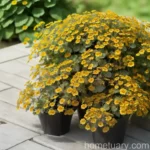
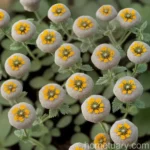
Potentilla fruticosa, a member of the Rosaceae family, is a deciduous flowering shrub native to the cooler regions of Europe, Asia, and North America. The Happy Face™ Pink Paradise variety is cherished for its profusion of beautiful pink flowers, which bloom throughout the summer, enhancing the aesthetic appeal of gardens, landscapes, and mixed borders.
This cultivar typically forms a compact mound, reaching a height and spread of around 2-3 feet, making it an excellent choice for small gardens, urban landscapes, and container gardens. With its adaptability to various soil types and resistance to many pests and diseases, Potentilla fruticosa Happy Face™ Pink Paradise is a low-maintenance addition to any garden, offering vibrant color and visual interest.
Key Takeaways – Potentilla fruticosa Happy Face™ Pink Paradise
Culture
- Family: Rosaceae
- Genus: Potentilla
- Species: fruticosa
- Cultivar: Happy Face™ Pink Paradise
- Common Name: Shrubby Cinquefoil
- Plant Type: Deciduous flowering shrub
- Mature Height: 2-3 feet
- Mature Spread: 2-3 feet
- Flower Color: Pink
- Bloom Time: Summer
- USDA Hardiness Zones: 2-7
- Watering: Moderate
- Sunlight: Full sun to partial shade
- Soil pH: Slightly acidic to neutral
Uses
- Landscape Plant: Ideal for garden borders, mixed borders, urban landscapes, and coastal gardens
- Container Plant: Well-suited for container gardening
- Cut Flowers: Suitable for floral arrangements
Water
- Watering Frequency: Regular, especially during the establishment phase
- Watering Method: Water at the base of the plant to avoid wetting the foliage
- Drought Tolerance: Moderate, benefits from consistent moisture
Sunlight
- Light Requirements: Full sun for optimal blooming; can tolerate partial shade
- Sun Orientation: Prefers south-facing or west-facing exposure
Fertilizer
- Fertilization: Apply a balanced, slow-release fertilizer in spring
- Frequency: Once a year
- Application Method: Sprinkle fertilizer evenly around the base of the plant
Soil
- Soil Type: Well-draining loamy soil
- pH Level: Slightly acidic to neutral (pH 5.5-7.0)
- Soil Amendments: Incorporate organic matter to improve soil structure and fertility
Pruning
- Pruning Time: Early spring before new growth emerges
- Pruning Method: Remove dead, damaged, or overgrown branches; trim for desired shape
- Pruning Tools: Clean, sharp pruning shears
Propagation
- Propagation Method: Softwood cuttings in early summer
- Rooting Hormone: Optional, for enhanced root development
- Potting Mix: Well-draining mix with good moisture retention
Container Popularity
- Container Size: Suitable for medium-sized containers
- Design Use: Provides vibrant color and texture in container gardens
- Maintenance: Regular watering and fertilization; occasional pruning
Common Diseases
- Powdery Mildew (Sphaerotheca mors-uvae)
- Botrytis Blight (Botrytis cinerea)
- Leaf Spot (Septoria potentillae)
- Root Rot (Phytophthora spp.)
Disease Diagnosis
- Symptoms: White powdery patches on leaves, gray mold on flowers, dark spots on foliage, wilting, and yellowing of leaves
- Prevention: Proper spacing, adequate air circulation, and avoiding overhead watering
- Treatment: Fungicidal sprays and removing affected plant parts
Common Pests
- Aphids
- Spider Mites
- Leafhoppers
- Caterpillars
Botanist’s Tips
- Mulching: Apply a layer of mulch around the base of the plant to conserve moisture and regulate soil temperature.
- Companion Plants: Pair with other sun-loving perennials such as Salvia, Coreopsis, and Lavender for a vibrant garden display.
- Wildlife Interaction: Attracts pollinators like bees and butterflies; provides habitat for beneficial insects.
Fun Facts
- The genus name “Potentilla” is derived from the Latin word “potens,” meaning powerful, in reference to the plant’s historical medicinal uses.
- Potentilla fruticosa has been traditionally used in herbal medicine for its astringent and anti-inflammatory properties.
Links to External Resources
As we continue to explore the various aspects of growing and caring for Potentilla fruticosa Happy Face™ Pink Paradise, it’s crucial to understand the specific requirements and best practices to ensure the plant’s health and vitality. From soil preparation to disease management, each element contributes to the overall success of nurturing this captivating shrub.
In the following sections, we will delve deeper into each of these aspects, providing valuable insights and practical guidance for cultivating Potentilla fruticosa Happy Face™ Pink Paradise in a variety of gardening and landscaping settings.
In the next sections, I will cover the following topics in detail:
- Cultural Requirements: Exploring the ideal growing conditions for Potentilla fruticosa Happy Face™ Pink Paradise.
- Planting and Maintenance: Providing guidance on planting and ongoing care, including watering, fertilization, and soil management.
- Pruning and Propagation: Highlighting the importance of pruning and discussing effective propagation methods for this cultivar.
- Container Gardening: Discussing the suitability of Potentilla fruticosa Happy Face™ Pink Paradise for container gardens and essential care tips.
- Disease and Pest Management: Detailing common diseases and pests affecting this cultivar, along with preventive measures and treatments.
- Enriching Landscapes: Exploring the role of Potentilla fruticosa Happy Face™ Pink Paradise in enhancing garden landscapes and attracting wildlife.
Stay tuned for a thorough exploration of each of these topics, equipping you with the knowledge and expertise to cultivate and enjoy the beauty of Potentilla fruticosa Happy Face™ Pink Paradise in your own outdoor spaces.
Cultural Requirements
The successful cultivation of Potentilla fruticosa Happy Face™ Pink Paradise hinges on providing optimal growing conditions that mimic its natural habitat. Understanding the plant’s water, sunlight, soil, and fertility requirements is crucial for fostering healthy growth and abundant blooming. Let’s delve into each of these cultural elements to ensure that you can create an environment where Happy Face™ Pink Paradise thrives.
Water
Potentilla fruticosa Happy Face™ Pink Paradise benefits from moderate and consistent moisture, especially during the initial establishment and active growth phases. Adequate watering fosters strong root development and supports the shrub’s overall health and vitality. Here are some key considerations for watering Happy Face™ Pink Paradise:
-
Watering Frequency: While this cultivar displays moderate drought tolerance once established, it is crucial to water newly planted shrubs regularly to ensure root establishment. During the growing season, monitor soil moisture and provide supplemental irrigation during extended dry periods.
-
Watering Method: When watering Potentilla fruticosa Happy Face™ Pink Paradise, direct water at the base of the plant to deliver moisture to the root zone. Avoid overhead watering, as wet foliage can promote fungal diseases.
-
Drought Tolerance: While this cultivar adapts to varying moisture levels to some extent, consistent watering, especially during hot and dry periods, supports optimal blooming and overall vigor.
Sunlight
Sunlight plays a pivotal role in the growth, flowering, and overall performance of Potentilla fruticosa Happy Face™ Pink Paradise. Providing the appropriate amount of sunlight enables the shrub to produce an abundance of vibrant pink flowers and maintain a compact, dense growth habit. Consider the following aspects when assessing the sunlight requirements for this cultivar:
-
Light Requirements: Happy Face™ Pink Paradise thrives in full sun, characterized by at least 6-8 hours of direct sunlight per day. When planted in a sunny location, the shrub will exhibit robust flowering and lush foliage.
-
Sun Orientation: When selecting a planting site or positioning containers, prioritize south-facing or west-facing exposures to ensure that the shrub receives ample sunlight throughout the day.
-
Partial Shade Tolerance: While full sun is ideal for maximizing flowering, Potentilla fruticosa Happy Face™ Pink Paradise can tolerate partial shade, especially in regions with intense midday sun or during exceptionally hot summers.
Fertilizer
Fertilization is a vital aspect of maintaining the vigor and bloom production of Potentilla fruticosa Happy Face™ Pink Paradise. A balanced, slow-release fertilizer applied at the appropriate time provides essential nutrients for healthy growth and floral abundance. Consider the following guidelines for fertilizing Happy Face™ Pink Paradise:
-
Fertilization Timing: Apply fertilizer to the shrub in early spring, just before the onset of active growth. This timing allows the plant to utilize the nutrients as it initiates new growth and prepares to bloom.
-
Frequency: A single annual application of fertilizer is generally sufficient to meet the nutritional needs of Potentilla fruticosa Happy Face™ Pink Paradise. Over-fertilization can lead to excessive vegetative growth at the expense of flowering.
-
Application Method: Spread the granular, slow-release fertilizer evenly around the base of the shrub, taking care to keep it away from direct contact with the stems. Water the area thoroughly after applying the fertilizer to facilitate nutrient uptake.
Soil
The soil conditions play a crucial role in the overall health and performance of Potentilla fruticosa Happy Face™ Pink Paradise. Well-draining, nutrient-rich soil with the appropriate pH level supports robust growth, root development, and floral display. Consider the following soil-related aspects when planting and caring for Happy Face™ Pink Paradise:
-
Soil Type: Happy Face™ Pink Paradise thrives in loamy, well-draining soil that retains adequate moisture without becoming waterlogged. Amending heavy clay soil with organic matter improves drainage and soil structure.
-
pH Level: The ideal soil pH range for Potentilla fruticosa Happy Face™ Pink Paradise is slightly acidic to neutral, typically within the range of 5.5 to 7.0. Testing the soil pH and adjusting it as needed before planting is crucial for the shrub’s long-term health.
-
Soil Amendments: Incorporating organic matter such as compost, well-rotted manure, or peat moss during soil preparation enhances fertility, improves moisture retention, and fosters a favorable root environment for the shrub.
With a clear understanding of the cultural requirements of Potentilla fruticosa Happy Face™ Pink Paradise, you can create an environment that supports the shrub’s vitality, floral display, and overall resilience. Providing adequate water, sunlight, nutrients, and suitable soil conditions sets the stage for a thriving and visually captivating shrub in your garden or landscape.
In the subsequent sections, I will explore the practices for planting and maintaining Potentilla fruticosa Happy Face™ Pink Paradise, including specific guidelines for watering, fertilization, and soil management to ensure successful cultivation of this stunning shrub. Additionally, I will address the essential aspects of pruning and propagation, shedding light on best practices for enhancing the growth, vigor, and floral abundance of Happy Face™ Pink Paradise in various gardening settings.
Let’s proceed to the planting and maintenance practices for Potentilla fruticosa Happy Face™ Pink Paradise, equipping you with the knowledge and guidance needed to nurture this captivating shrub with confidence and success.
Planting and Maintenance
The process of planting and maintaining Potentilla fruticosa Happy Face™ Pink Paradise involves several critical steps and ongoing care practices that contribute to the shrub’s health, blooming capacity, and overall vigor. From selecting the planting site to providing regular maintenance, attending to these foundational elements ensures the successful establishment and long-term vitality of Happy Face™ Pink Paradise in your garden or landscape. Let’s delve into the essential practices for planting and maintaining this captivating shrub.
Planting
The initial planting stage sets the foundation for the shrub’s growth and establishes the conditions for thriving in the chosen environment. Whether you are planting Potentilla fruticosa Happy Face™ Pink Paradise in the ground or in a container, attending to key considerations such as planting time, spacing, and soil preparation is crucial for a successful start. Consider the following guidelines for planting this cultivar:
-
Planting Time: The ideal time for planting Potentilla fruticosa Happy Face™ Pink Paradise is in early spring, just as the soil begins to warm up and the risk of frost diminishes. This timing allows the shrub to establish its root system ahead of the active growing season.
-
Spacing: When planting multiple Happy Face™ Pink Paradise shrubs or incorporating them into a mixed border, space the plants approximately 2-3 feet apart to allow for adequate air circulation and future growth without overcrowding.
-
Soil Preparation: Prepare the planting area by loosening the soil to a depth of 12-18 inches and incorporating organic matter such as compost or aged manure. This practice improves soil structure, fertility, and drainage, setting the stage for healthy root development.
Maintenance
Regular maintenance practices, including watering, fertilization, and soil management, support the ongoing health and vitality of Potentilla fruticosa Happy Face™ Pink Paradise. By attending to the following maintenance aspects, you can ensure that the shrub thrives and continues to grace your garden or landscape with its vibrant pink flowers and lush foliage:
-
Watering: Provide regular, moderate watering during the growing season, ensuring that the soil remains consistently moist but not waterlogged. Be mindful of dry periods and adjust the watering frequency to meet the shrub’s moisture needs.
-
Fertilization: Apply a balanced, slow-release fertilizer in early spring, following the recommended guidelines for dosage and application method. Avoid over-fertilizing, as this can lead to excessive vegetative growth at the expense of flowering.
-
Mulching: Apply a 2-4 inch layer of organic mulch, such as wood chips or shredded bark, around the base of Potentilla fruticosa Happy Face™ Pink Paradise. Mulch helps conserve soil moisture, suppresses weed growth, and moderates soil temperature.
-
Weed Control: Regularly inspect the planting area and container gardens for weeds, promptly removing any competing vegetation that can impede the shrub’s growth and compete for nutrients.
-
Deadheading: As the blooms fade, remove spent flowers promptly to encourage continuous blooming and prevent the formation of seeds, redirecting the plant’s energy into new flower production.
By adhering to these maintenance practices, you can provide a nurturing environment for Potentilla fruticosa Happy Face™ Pink Paradise, promoting its growth, blooming capacity, and overall resilience. Careful attention to watering, fertilization, and essential upkeep tasks ensures that the shrub remains in optimal health and consistently delivers a dazzling floral display throughout the growing season.
In the following sections, I will explore advanced cultivation practices for Potentilla fruticosa Happy Face™ Pink Paradise, including the crucial aspects of pruning and propagation. By understanding the principles and techniques associated with these practices, you can further enhance the growth, flowering, and overall performance of this captivating shrub, thereby elevating its visual impact in your garden or landscape.
Stay tuned for detailed insights and practical guidance on pruning and propagation, providing you with the expertise needed to optimize the health and aesthetic appeal of Potentilla fruticosa Happy Face™ Pink Paradise across diverse gardening settings.
Pruning and Propagation
The strategic application of pruning and propagation techniques plays a pivotal role in shaping the growth habit, enhancing flowering, and promoting the overall health and vitality of Potentilla fruticosa Happy Face™ Pink Paradise. Understanding the principles and best practices associated with these practices empowers you to cultivate and maintain this captivating shrub with precision and confidence. Let’s delve into the essential aspects of pruning and propagation, providing valuable insights for nurturing Happy Face™ Pink Paradise in your garden or landscape.
Pruning
Pruning plays a crucial role in optimizing the structure, floral abundance, and overall appearance of Potentilla fruticosa Happy Face™ Pink Paradise. By executing targeted pruning at the appropriate time and following best practices, you can shape the shrub’s growth, promote vigorous blooming, and rejuvenate mature plants. Consider the following guidelines for effective pruning of this cultivar:
-
Pruning Time: The most suitable time to prune Potentilla fruticosa Happy Face™ Pink Paradise is in early spring, just before new growth emerges. This timing allows you to remove dead, damaged, or overgrown branches and shape the shrub for the upcoming growing season.
-
Pruning Tools: Ensure that your pruning tools, such as clean and sharp bypass pruners or loppers, are in good condition before initiating the pruning process. Clean cuts minimize the risk of disease and promote rapid healing of the pruned areas.
-
Pruning Objectives: When pruning Happy Face™ Pink Paradise, focus on removing dead, diseased, or crossing branches to enhance air circulation, encourage new growth, and maintain a tidy growth habit. Additionally, consider shortening overly long or leggy branches to promote branching and compact growth.
Propagation
The propagation of Potentilla fruticosa Happy Face™ Pink Paradise through softwood cuttings presents an opportunity to increase your collection of this captivating shrub and share its beauty with fellow gardening enthusiasts. By following proven propagation methods and setting the stage for successful root development, you can expand your gardening palette with healthy, genetically identical plants. Consider the following guidelines for propagating Happy Face™ Pink Paradise:
-
Propagation Method: Select softwood cuttings from the current season’s growth, typically in early summer when the stems are actively growing and not yet fully mature. Choose healthy, non-flowering shoots to ensure successful rooting.
-
Cutting Preparation: Prepare the softwood cuttings by removing the lower leaves, leaving only a few sets of leaves at the tip. Dip the cut end of the stem in a rooting hormone to stimulate rapid root