Pondoland Crassula (Crassula Streyi)
As a plant scientist, it’s always exciting to explore and study different plant species. In this comprehensive guide, we will delve into the intriguing.
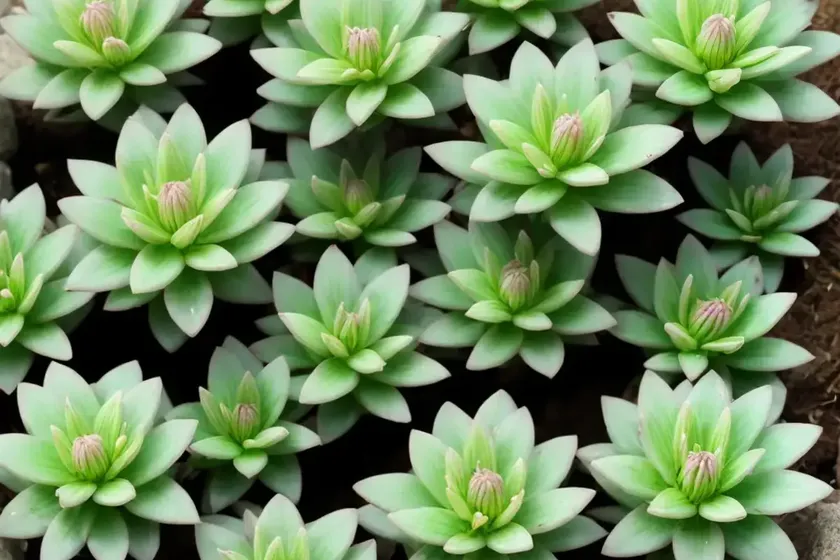
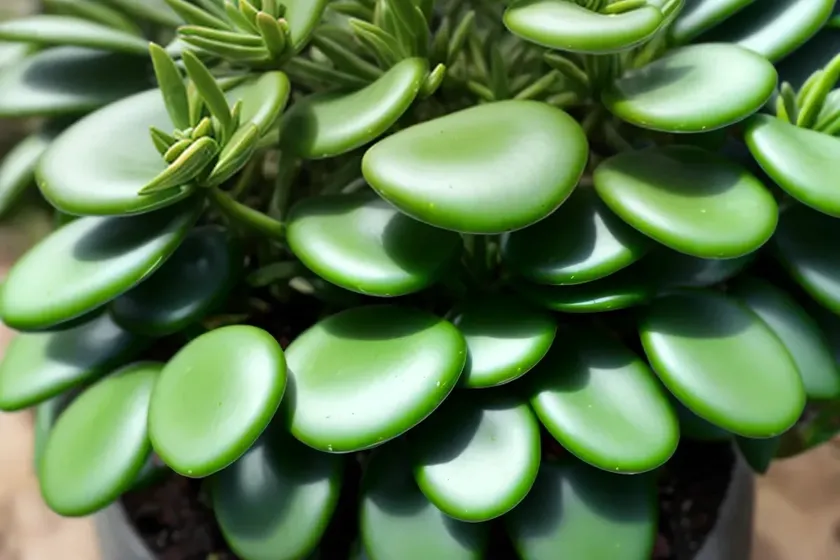
As a plant scientist, it’s always exciting to explore and study different plant species. In this comprehensive guide, we will delve into the intriguing world of Pondoland Crassula, scientifically known as Crassula Streyi. This remarkable succulent plant holds immense value, not only for its aesthetic appeal but also for its cultural, environmental, and horticultural significance.
Table of Contents
1. What is Pondoland Crassula (Crassula Streyi)?
2. Key Takeaways – Pondoland Crassula (Crassula Streyi)
3. Culture
4. Uses
5. Water
6. Sunlight
7. Fertilizer
8. Soil
9. Pruning
10. Propagation
11. Container Popularity
12. Common Diseases
13. Disease Diagnosis
14. Common Pests
15. Botanist’s Tips
16. Fun Facts
17. Links to External Resources
What is Pondoland Crassula (Crassula Streyi)?
Pondoland Crassula or Crassula Streyi is an intriguing succulent plant that belongs to the Crassulaceae family. Endemic to the Pondoland region of the Eastern Cape province in South Africa, this unique plant has captivated plant enthusiasts and horticulturists around the world. Its distinct features and adaptability make it a sought-after addition to both indoor and outdoor plant collections.
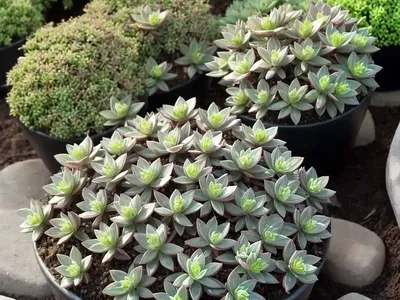
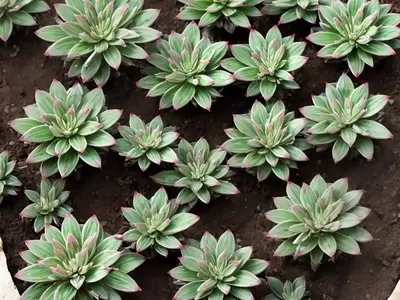
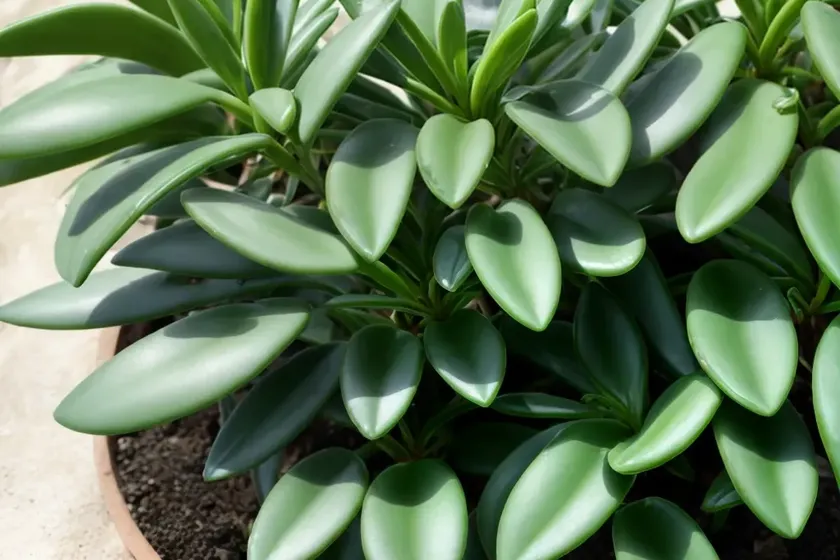
The Pondoland Crassula is characterized by its compact, rosette-forming growth habit, featuring fleshy, spoon-shaped leaves with a stunning array of hues, ranging from vibrant greens to reddish or bronzy tones. The plant’s striking appearance and relatively low maintenance requirements have made it a popular choice for succulent enthusiasts, both beginners and experienced growers alike.
Key Takeaways – Pondoland Crassula (Crassula Streyi)
Before delving deeper into the specifics of Pondoland Crassula care and cultivation, let’s outline some key takeaways that will guide our exploration of this fascinating plant:
- Scientific Name: Crassula Streyi
- Family: Crassulaceae
- Native Habitat: Pondoland region of the Eastern Cape province in South Africa
- Growth Habit: Rosette-forming succulent with fleshy, spoon-shaped leaves
- Distinct Features: Vibrant green to reddish or bronzy leaf colors
- Adaptability: Suitable for both indoor and outdoor cultivation
- Low Maintenance: Relatively easy to care for, making it ideal for beginners
- Cultural Significance: Valued for its ornamental appeal and environmental benefits
Now that we have a foundational understanding of Pondoland Crassula and its unique characteristics, let’s delve into the essential aspects of its culture, care, and cultivation.
Culture
Understanding the cultural preferences and requirements of Pondoland Crassula is fundamental to ensuring its optimal growth and well-being. From its native habitat to its adaptability to different environmental conditions, let’s explore the cultural aspects that contribute to the successful cultivation of this remarkable succulent.
Native Habitat
Pondoland Crassula is native to the rugged landscapes of the Pondoland region in South Africa. This region is characterized by its diverse plant life, rocky terrain, and varying microclimates, all of which have influenced the evolution and adaptation of Crassula Streyi. The plant’s natural habitat provides valuable insights into its preferred growing conditions, including factors such as sunlight exposure, soil characteristics, and moisture levels.
Adaptability
One of the remarkable qualities of Pondoland Crassula is its adaptability to diverse growing conditions. While it thrives in its native habitat’s rocky outcrops and well-draining soils, it has also demonstrated resilience in cultivated environments, including container gardens, rockeries, and succulent displays. This adaptability makes it a versatile choice for both indoor and outdoor cultivation, catering to a wide range of gardening preferences and environments.
Environmental Benefits
Beyond its ornamental value, Pondoland Crassula offers environmental benefits, particularly in arid and semi-arid regions. Its ability to thrive under low to moderate water availability, combined with its air-purifying properties, makes it an attractive option for sustainable landscaping and xeriscaping initiatives. By incorporating Pondoland Crassula into garden designs and green spaces, individuals and communities can enhance their environmental stewardship while enjoying the plant’s aesthetic appeal.
Uses
Pondoland Crassula serves various purposes, ranging from ornamental displays to ecological contributions. Understanding its potential uses provides valuable insights into its significance and relevance in both horticulture and environmental conservation efforts.
Ornamental Value
The primary use of Pondoland Crassula lies in its ornamental appeal. Whether grown in pots, containers, or within naturalistic landscapes, the plant’s charming rosettes and colorful foliage add a touch of elegance to any setting. Its compact growth habit and striking leaf colors make it an ideal choice for succulent gardens, desert-themed landscapes, and modern interior décor.
Environmental Stewardship
In addition to its ornamental uses, Pondoland Crassula contributes to environmental stewardship through its drought tolerance and air-purifying properties. When incorporated into sustainable landscaping projects, it aids in water conservation and the promotion of biodiversity in urban and suburban environments. Furthermore, its role in improving indoor air quality enhances its value as a practical and environmentally conscious plant choice.
Water
Understanding the water requirements of Pondoland Crassula is crucial for maintaining its health and vigor. Given its natural habitat and growth characteristics, the plant’s water needs are influenced by factors such as seasonal changes, soil conditions, and moisture retention.
Watering Frequency
Pondoland Crassula is well-adapted to arid and semi-arid conditions, displaying a preference for infrequent but thorough watering. During the active growing season, typically from spring to fall, it is advisable to water the plant when the top layer of the soil becomes dry to the touch. However, it is essential to avoid overwatering, as excessive moisture can lead to root rot and other related issues.
Seasonal Adjustments
As with many succulent species, Pondoland Crassula benefits from seasonal adjustments in watering frequency. During the winter months or periods of dormancy, it is advisable to reduce the frequency of watering, allowing the plant to experience a slight dry spell between watering sessions. This helps mimic its natural habitat’s conditions and promotes overall plant health.
Soil Moisture Considerations
When determining the water needs of Pondoland Crassula, it is essential to consider the soil’s moisture-retaining properties. Well-draining soil, supplemented with materials such as perlite or coarse sand, facilitates proper water movement and prevents excess moisture around the plant’s root zone. By ensuring adequate soil drainage, gardeners can support the plant’s water retention needs while minimizing the risk of water-related issues.
Sunlight
Sunlight plays a pivotal role in the growth and development of Pondoland Crassula. Understanding its sunlight preferences and requirements is essential for creating an optimal growing environment and promoting its vibrant foliage colors and overall well-being.
Sun Exposure
Pondoland Crassula thrives in bright, indirect sunlight. When grown indoors, placing the plant near a south- or west-facing window often provides the ideal balance of light exposure, allowing it to receive bright light without being subjected to intense, direct sunbeams. In outdoor settings, partial to full sun exposure is suitable, provided that the plant is acclimated to the outdoor environment gradually.
Light Intensity
The plant’s vibrant foliage colors and compact growth habit are closely tied to its light requirements. Insufficient light can lead to leggy growth and faded leaf colors, compromising the plant’s aesthetic appeal. Conversely, excessive or prolonged exposure to intense sunlight may result in leaf scorching, particularly during the hottest parts of the day. Striking a balance and providing moderate, consistent light levels is key to supporting Pondoland Crassula’s optimal growth.
Indoor Cultivation
For individuals growing Pondoland Crassula indoors, it is important to monitor its response to indoor light conditions. If natural light is limited or inconsistent, supplemental grow lights can be beneficial, especially during the darker winter months. By providing adequate light levels, whether from natural or artificial sources, indoor growers can support the plant’s photosynthetic processes and maintain its vibrant appearance.
Fertilizer
While Pondoland Crassula is renowned for its resilience and low maintenance requirements, occasional fertilization can enhance its growth and overall vitality. Understanding the principles of succulent fertilization and employing suitable fertilizers contribute to the plant’s long-term health and aesthetic appeal.
Fertilizer Composition
When selecting a fertilizer for Pondoland Crassula, it is advisable to choose a well-balanced, liquid or granular succulent fertilizer with a formulation designed to meet the nutritional needs of succulent plants. These specialized fertilizers typically feature balanced N-P-K ratios, supplemented with micronutrients essential for succulent growth and development.
Fertilization Frequency
For mature Pondoland Crassula plants, a general guideline is to apply a diluted, balanced fertilizer solution every 2 to 4 weeks during the active growing season, which typically spans from spring to early fall. However, it is important to adjust the frequency based on the specific fertilizer’s instructions and the plant’s response, ensuring that the application does not lead to fertilizer buildup or nutrient imbalances.
Seasonal Adjustments
As the plant’s growth and metabolic activity naturally fluctuate throughout the year, it is beneficial to adapt the fertilization routine to reflect these changes. During the winter months or periods of reduced growth, it is advisable to decrease or suspend fertilization, allowing the plant to enter a period of relative dormancy without being subjected to excessive nutrient supplementation.
Soil
The choice of soil plays a critical role in ensuring the well-being of Pondoland Crassula. From its native rocky substrates to the soil compositions used in cultivated settings, understanding and selecting suitable soil types are vital for promoting healthy growth and minimizing the risk of water-related issues.
Well-draining Soil
Pondoland Crassula flourishes in well-draining soil that facilitates efficient water movement and prevents waterlogged conditions around the plant’s root zone. Common soil components used for succulent cultivation, such as cactus mix, sandy loam, and perlite, offer the essential properties of porosity and air circulation, contributing to an optimal growing medium for the plant.
Soil Components
When preparing a soil mix for Pondoland Crassula, incorporating components that mimic its native habitat’s characteristics is beneficial. A blend of coarse sand, perlite, and gritty soil creates a balanced substrate that promotes both moisture retention and drainage, providing the plant’s roots with the necessary access to water and oxygen.
Container Cultivation
For individuals growing Pondoland Crassula in containers, selecting an appropriate potting mix is crucial. Specialized succulent or cactus mixes, combined with additional amendments such as pumice or crushed granite, create an ideal growing medium that complements the plant’s growth habits and adapts well to container cultivation.
Pruning
Pruning plays a role in maintaining the aesthetic appeal and overall health of Pondoland Crassula. Understanding the principles of succulent pruning and implementing appropriate techniques contribute to the plant’s vitality and visual charm.
Removal of Spent Leaves
As Pondoland Crassula matures and produces new growth, older or discolored leaves may naturally senesce and require pruning. Gently removing these spent leaves not only improves the plant’s appearance but also minimizes the risk of fungal or bacterial infections, particularly in crowded rosettes.
Control of Leggy Growth
In some instances, Pondoland Crassula may exhibit leggy or elongated growth, often in response to insufficient light conditions. To address this, pruning the leggy stems and encouraging a more compact, bushy growth habit can help restore the plant’s form and vigor. Additionally, the removed stem cuttings can be utilized for propagation, maximizing their potential for new plant growth.
Propagation
The propagation of Pondoland Crassula offers an opportunity to expand plant collections, share cuttings with fellow enthusiasts, and rejuvenate aging specimens. Understanding the various propagation methods and their associated techniques is essential for successfully propagating this captivating succulent.
Leaf Cuttings
Leaf propagation is one of the most common and reliable methods for propagating Pondoland Crassula. By carefully removing healthy leaves and allowing them to callus before placing them on a well-draining propagation medium, such as perlite or a succulent mix, individuals can encourage the development of new plantlets at the leaf’s base.
Stem Cuttings
Stem cuttings provide another avenue for propagating Pondoland Crassula, particularly when dealing with leggy growth or when rejuvenating overgrown plants. Selecting healthy stem segments and allowing the cut ends to callus before planting them in a suitable rooting medium promotes the emergence of new roots and shoots, leading to the establishment of new plants.
Container Popularity
The popularity of Pondoland Crassula in container gardening arises from its compact growth habit, vibrant foliage colors, and adaptability to potted environments. Whether grown as a standalone specimen or as part of a succulent arrangement, the plant’s appeal and low maintenance requirements have contributed to its widespread popularity among container gardeners.
Succulent Collections
Pondoland Crassula serves as a prized addition to succulent collections maintained in containers. Its striking appearance and relatively slow growth make it an ideal candidate for showcasing alongside other succulent species, creating visually captivating displays while catering to the unique preferences of succulent enthusiasts.
Indoor Décor
For indoor gardeners and plant enthusiasts, Pondoland Crassula’s popularity stems from its ability to thrive in indoor environments with consistent light and moderate humidity levels. Its ornamental value and adaptability make it well-suited for adorning windowsills, desktops, and indoor plant displays, adding a touch of natural elegance to interior spaces.
Common Diseases
While Pondoland Crassula is generally resilient to many common plant diseases, it may be susceptible to certain issues when grown under unfavorable conditions or when subjected to stress factors. Recognizing and addressing potential diseases are essential for preserving the plant’s health and vitality.
Root Rot
Excessive moisture and waterlogged conditions can predispose Pondoland Crassula to root rot, a fungal disease that affects the plant’s root system. Symptoms include wilting, yellowing of leaves, and a mushy texture at the base of the plant. To prevent and address root rot, it is crucial to avoid overwatering, promote proper soil drainage, and promptly remove affected parts of the plant to prevent the spread of the disease.
Powdery Mildew
In environments with high humidity or poor air circulation, Pondoland Crassula may be at risk of powdery mildew, a fungal disease characterized by the appearance of white, powdery patches on the plant’s leaves. Practices such as avoiding overhead watering, promoting good air circulation, and providing proper spacing between plants help minimize the risk of powdery mildew infestations.
Disease Diagnosis
The diagnosis of potential diseases affecting Pondoland Crassula involves careful observation of the plant’s symptoms and an assessment of its growing conditions. By identifying and addressing disease issues in a timely manner, gardeners and enthusiasts can safeguard the plant’s health and prevent the spread of diseases to other specimens.
Symptom Recognition
When monitoring Pondoland Crassula for signs of disease, it is important to pay attention to symptoms such as leaf discoloration, wilting, unusual leaf spots, or changes in overall growth patterns. By recognizing and documenting these symptoms, individuals can gather valuable information that aids in the accurate diagnosis and treatment of potential diseases.
Growing Condition Assessment
In addition to symptom recognition, assessing the plant’s growing conditions is essential for diagnosing diseases. Factors such as watering practices, light exposure, airflow, and soil moisture levels offer insights into potential stressors that may compromise the plant’s immune system or predispose it to disease issues. Addressing any unfavorable growing conditions helps bolster the plant’s natural defenses and resilience against diseases.
Common Pests
Pondoland Crassula may encounter certain pest challenges, particularly when grown in conditions that favor pest infestations. Recognizing common pests and implementing suitable pest control measures are essential for protecting the plant from potential damage and ensuring its long-term health.
Mealybugs
Mealybugs are a common pest that may afflict Pondoland Crassula, often congregating at the plant’s leaf nodes and crevices. These small, white, cottony insects feed on the plant’s sap, causing wilting and yellowing of leaves. To combat mealybug infestations, mechanical removal using cotton swabs dipped in rubbing alcohol, as well as the application of horticultural oils or insecticidal soaps, can help control and manage these pests.
Aphids
Aphids pose a potential threat to Pondoland Crassula, particularly when the plant is subjected to high humidity levels or overcrowded growing conditions. These small, soft-bodied insects feed on the plant’s sap, often clustering on the undersides of leaves. To address aphid infestations, practices such as spraying the plant with a strong stream of water, introducing natural predators, or using insecticidal soaps offer effective means of pest control.
Botanist’s Tips
As a plant scientist with a passion for succulents and ornamental plants, I offer the following tips and recommendations for cultivating and caring for Pondoland Crassula, drawing from both scientific insights and practical gardening experience:
- Embrace Well-Draining Soils: The use of well-draining soil, whether in native habitats or cultivated environments, is essential for promoting healthy root development and reducing the risk of water-related issues.
- Monitor Light Exposure: Pay close attention to the plant’s response to light levels, ensuring that it receives adequate, balanced sunlight for vibrant growth and optimal leaf pigmentation.
- Practice Propagation Prudence: When propagating Pondoland Crassula, exercise patience, and attention to detail to maximize the success rate of leaf and stem cuttings, further expanding your plant collection.
- Emphasize Disease Prevention: Implement proactive measures to prevent disease issues, such as optimizing growing conditions, practicing proper watering techniques, and maintaining good airflow around the plant.
- Embrace Sustainability: Consider the environmental and ecological benefits of Pondoland Crassula, integrating the plant into sustainable landscaping and indoor green initiatives for a greener, healthier living environment.
Fun Facts
In the world of plants and horticulture, there are always captivating stories and intriguing facts that add to the allure of each species. Here are some fun and interesting facts about Pondoland Crassula:
- Native Heritage: Pondoland Crassula’s native habitat in South Africa includes the ecologically diverse and picturesque Pondoland region, where it thrives among other unique plant species.
- Aesthetic Diversity: The leaf coloration of Pondoland Crassula can range from vibrant green to bronzy or reddish hues, enhancing its ornamental appeal and adaptability to different design schemes.
- Succulent Resilience: As a succulent plant, Pondoland Crassula exhibits remarkable resilience to challenging growing conditions, reflecting its evolutionary adaptations to survive in arid environments.
- Cultural Significance: In South African culture, succulent plants like Pondoland Crassula hold symbolic value, representing resilience, endurance, and the beauty of natural diversity.
- Landscape Elegance: When grown in rockeries, xeriscapes, or container gardens, Pondoland Crassula adds a touch of elegance and charm, enhancing the visual appeal of diverse landscape