Pom Pom Weed (Eupatorium Macrocephalum)
Pom Pom Weed (Eupatorium Macrocephalum) is a breathtaking and multi-faceted plant that belongs to the Asteraceae family. This dynamic perennial plant is.
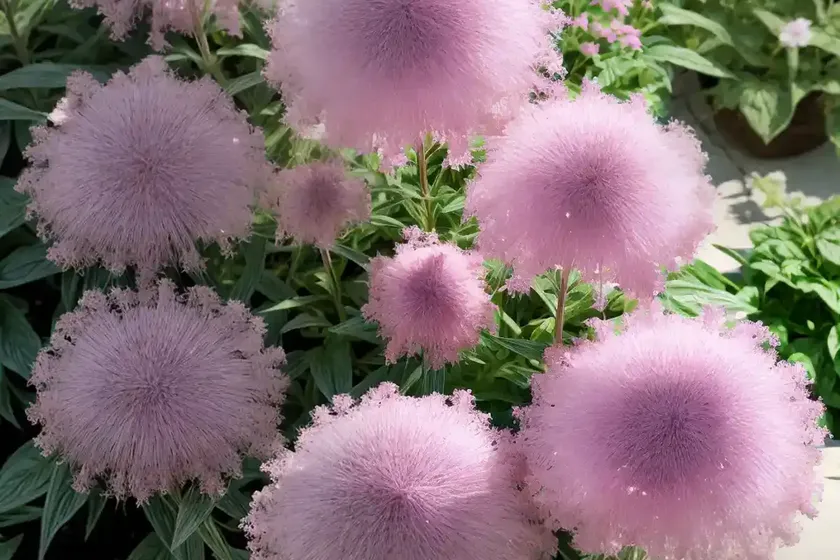
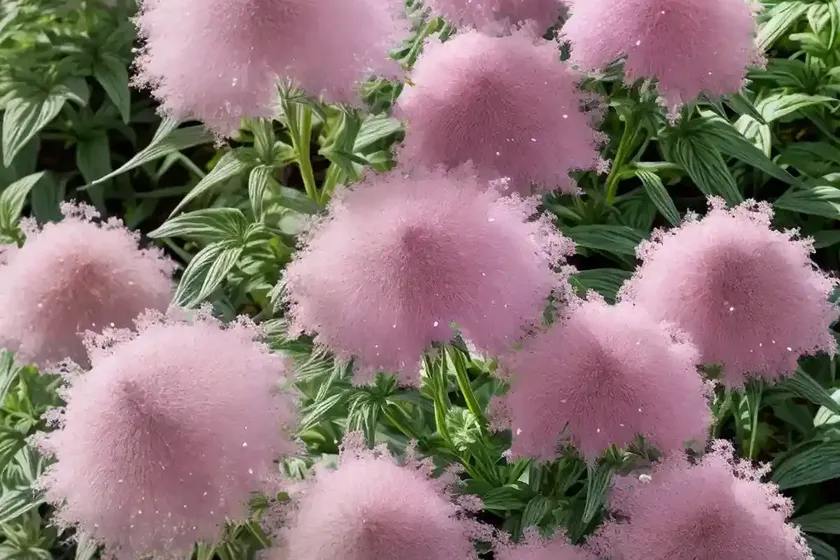
Pom Pom Weed (Eupatorium Macrocephalum) is a breathtaking and multi-faceted plant that belongs to the Asteraceae family. This dynamic perennial plant is also known by the names of Large-Headed Thoroughwort and False Boneset. It is indigenous to various regions of North America and attracts a plethora of pollinators, making it a delightful addition to any garden. In this comprehensive guide, we will delve into all aspects of the Pom Pom Weed, including its culture, uses, care requirements, and much more.
What is Pom Pom Weed (Eupatorium Macrocephalum)?
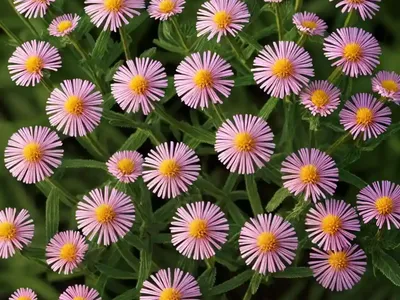
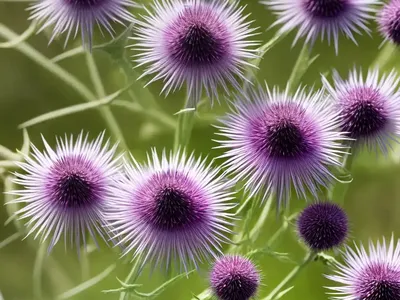
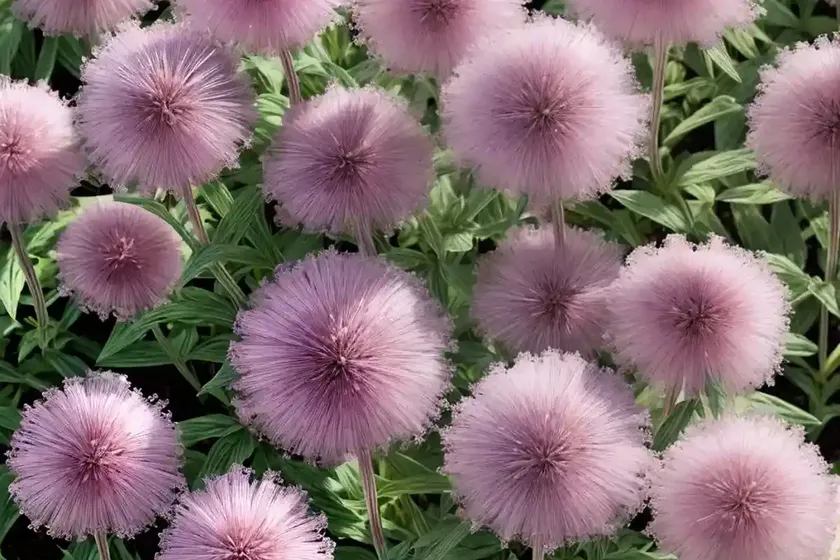
Pom Pom Weed, scientifically known as Eupatorium Macrocephalum, is a species of flowering plant that is native to North America. It is renowned for its stunning pom-pom-like clusters of lavender or white blossoms, which bloom during the late summer and early fall. These vibrant clusters of flowers not only add a touch of whimsy to any landscape but also function as a valuable source of nectar for pollinators such as butterflies and bees.
Given its striking appearance and its essential role in supporting local ecosystems, the Pom Pom Weed has gained popularity as an ornamental plant and is often cultivated in gardens, parks, and natural landscapes.
Now, let’s embark on a detailed exploration of the various facets of this captivating plant.
Key Takeaways – Pom Pom Weed (Eupatorium Macrocephalum)
Culture
The culture or growing conditions required by Pom Pom Weed are relatively straightforward. It thrives in moist, well-drained soils and full sun, but it can also tolerate partial shade. This plant is relatively low-maintenance and can flourish in a variety of garden settings, including borders, meadows, and naturalized areas. Its ability to attract pollinators and its remarkable visual appeal make it an excellent addition to both formal and informal gardens.
Uses
The uses of Pom Pom Weed are diverse and compelling. Beyond its ornamental value, this plant has been used in traditional medicine for its purported health benefits. Additionally, it attracts and supports pollinators, making it a valuable asset for bee and butterfly gardens. The striking blooms of this plant also make it an ideal candidate for cut flower arrangements. With its numerous uses, the Pom Pom Weed is a versatile and practical addition to any garden.
Water
Pom Pom Weed requires consistently moist soil, especially during its initial growth stages. However, it is crucial to avoid overwatering, as excessive moisture can lead to root rot. Once established, the plant exhibits some tolerance to drought conditions, making it a suitable choice for gardens in various climates.
Sunlight
This plant thrives in full sun, but it can also tolerate partial shade. To ensure healthy growth and abundant flowering, it is advisable to provide Pom Pom Weed with at least six hours of direct sunlight per day.
Fertilizer
Pom Pom Weed generally does not require extensive fertilization. A balanced, all-purpose fertilizer applied in early spring can help promote healthy growth and blooming. However, excessive fertilization can result in lush foliage at the expense of flowers, so a cautious and conservative approach to fertilization is recommended.
Soil
The ideal soil for Pom Pom Weed is moist, well-drained, and rich in organic matter. However, this plant is adaptable and can thrive in a range of soil types, including loamy and sandy soils. It is crucial to avoid waterlogged or poorly drained soils, as these conditions can lead to root rot.
Pruning
Pruning helps to maintain the vigor and aesthetic appeal of Pom Pom Weed. Deadheading faded blooms can prolong the flowering period, while cutting back the plant in late fall or early spring can promote bushier and more compact growth. Additionally, removing dead or damaged foliage can enhance the overall appearance of the plant.
Propagation
Pom Pom Weed can be propagated using both seeds and division. Seeds can be sown in the fall or early spring, while division can be carried out in the spring. Both methods are relatively straightforward and can yield new plants with minimal effort.
Container Popularity
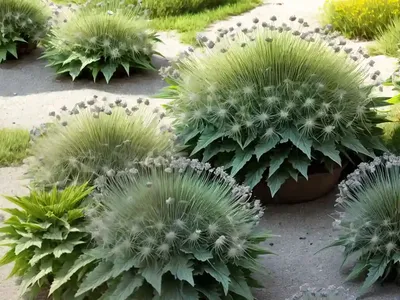
While Pom Pom Weed is traditionally grown in garden beds and naturalized settings, it can also thrive in large containers. When grown in containers, it is essential to ensure adequate drainage and provide regular watering to maintain optimal soil moisture levels.
Common Diseases
Pom Pom Weed is generally resistant to most common plant diseases. However, it may be susceptible to fungal infections such as powdery mildew, especially in humid conditions. Proper spacing, adequate air circulation, and avoiding overhead watering can help prevent disease issues.
Disease Diagnosis
Diagnosing diseases in Pom Pom Weed primarily involves visual inspection for symptoms such as powdery white patches on leaves, wilting, or unusual discoloration. If disease issues arise, prompt action, such as removing affected plant parts and applying appropriate fungicidal treatments, can help prevent the spread of infections.
Common Pests
Pom Pom Weed is relatively resistant to pest infestations, but it may occasionally attract aphids, spider mites, or caterpillars. Regular monitoring and the use of natural predators or targeted treatments can effectively manage pest issues.
Botanist’s Tips
For optimal success with Pom Pom Weed, it is advisable to select well-drained soil, provide adequate sunlight, and incorporate companion plants that attract pollinators. Additionally, integrating this plant into wildlife-friendly gardens can enhance biodiversity and contribute to a thriving ecosystem.
Fun Facts
- Pom Pom Weed is highly attractive to pollinators, including butterflies, bees, and other beneficial insects, making it a valuable addition to ecological landscapes.
- The large, showy flower clusters of Pom Pom Weed make it an eye-catching focal point in garden designs.
- The herbal uses of Pom Pom Weed have been recognized in traditional medicine for their potential health benefits.
After exploring the key takeaways related to Pom Pom Weed, let’s delve deeper into the various aspects of this remarkable plant.
Pom Pom Weed (Eupatorium Macrocephalum): Plant Care and Cultivation
Introduction to Pom Pom Weed (Eupatorium Macrocephalum)
Pom Pom Weed, scientifically known as Eupatorium Macrocephalum, is an herbaceous perennial that is valued for its striking clusters of flowers and its role in supporting local ecosystems. This section will provide a comprehensive overview of the critical aspects of cultivating and caring for Pom Pom Weed, thereby enabling both novice and experienced gardeners to harness the full potential of this exceptional plant.
How to Grow Pom Pom Weed
Planting Location
Selecting an appropriate planting location is a crucial first step in successfully growing Pom Pom Weed. This plant thrives in full sun but can tolerate partial shade, making it adaptable to various garden settings. When choosing a site for Pom Pom Weed, ensure that the soil is rich in organic matter, well-drained, and able to retain moisture without becoming waterlogged.
Soil Preparation
Prior to planting, it is advisable to prepare the soil by incorporating organic matter, such as compost or well-rotted manure, to improve its texture and fertility. Amending the soil with organic matter not only enhances its water retention capacity but also provides essential nutrients for the vigorous growth of Pom Pom Weed.
Planting Process
The planting process for Pom Pom Weed typically involves two primary methods: sowing seeds and transplanting nursery-grown plants.
Sowing Seeds:
– Sow the seeds in early spring or late summer.
– Prepare a seedbed by raking the soil to create a fine, level surface.
– Sow the seeds at a depth of approximately 1/8 inch and lightly cover them with soil.
– Water the seedbed gently to ensure even moisture levels.
Transplanting Nursery-Grown Plants:
– Select healthy nursery-grown plants with well-established root systems.
– Dig a hole that is slightly larger than the root ball of the plant.
– Place the plant in the hole, ensuring that the top of the root ball is level with the soil surface.
– Backfill the hole and gently firm the soil around the plant.
– Water the newly transplanted Pom Pom Weed thoroughly to aid in root establishment.
Watering Requirements
After planting, Pom Pom Weed requires regular watering to support its initial establishment. Keep the soil consistently moist but not waterlogged during the early stages of growth. Once the plant is well-established, it exhibits some drought tolerance and can thrive with less frequent watering. However, during prolonged dry spells, it is essential to provide supplemental irrigation to ensure the plant’s vitality and blooming performance.
Sunlight Needs
Pom Pom Weed flourishes in full sun, making it an ideal choice for sunny garden locations. To optimize the plant’s growth and blooming potential, ensure that it receives at least six hours of direct sunlight daily. When planted in partial shade, Pom Pom Weed may produce fewer flowers but can still thrive and contribute to the visual appeal of the garden.
Pom Pom Weed Fertilizer Requirements
Pom Pom Weed generally does not demand excessive fertilization. However, a balanced, all-purpose fertilizer applied in early spring can promote healthy growth and robust flowering. It is crucial to avoid overfertilization, as this can result in excessive vegetative growth at the expense of flowers. A cautious and conservative approach to fertilization is recommended to prevent potential imbalances in growth and flowering.
Pom Pom Weed Pruning Techniques
Pruning is an essential aspect of maintaining the health and aesthetic appeal of Pom Pom Weed. The following pruning techniques can help enhance the plant’s vigor and visual impact:
Deadheading:
– Deadheading, or the removal of faded blooms, can prolong the flowering period of Pom Pom Weed. This practice redirects the plant’s energy towards producing new blooms, contributing to a prolonged and vibrant display of flowers.
Cutting Back:
– Cutting back the stems of Pom Pom Weed in late fall or early spring can help maintain its compact and bushy growth habit. This practice encourages the development of new shoots and promotes a fuller plant form.
Foliage Maintenance:
– Periodic removal of dead or damaged foliage can improve the overall appearance of the plant and reduce the risk of disease issues. By maintaining clean, healthy foliage, the plant’s vitality and visual allure are preserved.
Propagation of Pom Pom Weed
Pom Pom Weed can be propagated through two primary methods: seed sowing and division.
Propagation by Seed
Sowing seeds is a straightforward and cost-effective method of propagating Pom Pom Weed. To propagate the plant from seeds, follow these guidelines:
- Collect mature seeds from existing plants after the flowering period.
- Sow the seeds in well-prepared, moist soil in the fall or early spring.
- Ensure that the seeds are sown at the appropriate depth, typically around 1/8 inch, and cover them lightly with soil.
- Keep the seedbed consistently moist until the seeds germinate and the seedlings emerge.
Propagation by Division
The division of established Pom Pom Weed plants is another effective means of propagation. To propagate the plant by division, follow these steps:
- In early spring, carefully dig up the established plant, ensuring that the root ball is intact.
- Gently divide the root ball into sections, with each section containing healthy roots and shoots.
- Replant the divided segments in well-prepared soil at the desired locations in the garden.
- Water the newly transplanted divisions thoroughly to facilitate root establishment and encourage new growth.
Cultivation Guidelines for Pom Pom Weed
Cultivating Pom Pom Weed involves providing optimal growing conditions and implementing best practices to ensure the plant’s health and vitality. Consider the following cultivation guidelines to maximize the potential of this exceptional perennial:
Companion Planting:
– Pair Pom Pom Weed with companion plants that complement its growth habits and enhance its ecological value. Select plants that attract pollinators, such as butterfly milkweed (Asclepias tuberosa) and bee balm (Monarda spp.), to create a vibrant and biodiverse garden space.
Wildlife-Friendly Gardens:
– Integrate Pom Pom Weed into wildlife-friendly gardens to support and attract beneficial insects, birds, and other wildlife. By fostering a diverse and dynamic ecosystem, the plant contributes to the ecological balance and resilience of the garden environment.
Biodiversity Enhancement:
– Incorporate Pom Pom Weed into garden designs with a focus on enhancing biodiversity. By diversifying the plant species within the garden, a rich tapestry of flora and fauna can thrive, resulting in a resilient and thriving ecosystem.
Pom Pom Weed Perennial Flowering
As a herbaceous perennial, Pom Pom Weed exhibits a reliable and recurring flowering habit. The large, showy clusters of flowers emerge during the late summer and continue into the early fall, creating a captivating display of color in the garden. By providing the plant with suitable growing conditions and proper care, gardeners can enjoy the perennial beauty and charm of Pom Pom Weed year after year.
Pom Pom Weed Landscaping Ideas
Pom Pom Weed offers a range of landscaping possibilities, enriching garden designs with its distinctive form and vibrant blooms. Consider the following landscaping ideas to incorporate Pom Pom Weed into garden settings:
Floral Borders:
– Use Pom Pom Weed as a striking focal point or as part of mixed floral borders to introduce height, texture, and seasonal interest into garden designs. Its prominent flower clusters create a visually appealing display that enhances the overall aesthetic of the border.
Naturalized Areas:
– Establish Pom Pom Weed in naturalized areas, such as meadows or informal gardens, to introduce a wild and unstructured charm. Its ability to attract pollinators and its low-maintenance nature make it a valuable addition to naturalistic garden settings.
Butterfly and Bee Gardens:
– Cultivate Pom Pom Weed in butterfly and bee gardens to create a nurturing habitat for pollinators. Its rich nectar resources and appealing blooms make it a welcoming and supportive presence in gardens designed to attract and sustain beneficial insects.
Growing Pom Pom Weed from Seeds
Growing Pom Pom Weed from seeds is an accessible and rewarding method for incorporating this impressive plant into gardens. To grow Pom Pom Weed from seeds, follow these steps:
- Collect mature seeds from existing Pom Pom Weed plants after the flowering period.
- Prepare a well-drained seed-starting mix in trays or pots.
- Sow the seeds at the appropriate depth, typically around 1/8 inch, and lightly cover them with the growing medium.
- Keep the seed-starting mix consistently moist and maintain appropriate warmth and light to facilitate germination.
- Once the seedlings have developed several sets of true leaves, transplant them into larger containers or directly into the garden soil.
By starting Pom Pom Weed from seeds, gardeners can witness and partake in the complete life cycle of this remarkable plant, from germination to flowering.
Pom Pom Weed Pests and Diseases
While Pom Pom Weed is generally resistant to most common pests and diseases, it may encounter occasional issues that require attention and management. Understanding the potential pests and diseases that can affect Pom Pom Weed is essential for maintaining the plant’s health and vitality.
Common Pests
Pom Pom Weed may attract certain pests that can impact its growth and appearance. Common pests that may affect this plant include:
-
Aphids: These small, soft-bodied insects can cluster on the undersides of leaves and suck sap from the plant, causing wilting and distortion of foliage. A strong jet of water or insecticidal soap can effectively control aphid infestations.
-
Spider Mites: Spider mites are tiny arachnids that feed on the undersides of leaves, causing stippling, discoloration, and webbing. Regular monitoring and the use of horticultural oil or insecticidal soap can help manage spider mite populations.
-
Caterpillars: Certain caterpillar species may feed on the foliage of Pom Pom Weed, leading to defoliation and reduced plant vigor. Manual removal of caterpillars or the use of biological control methods can mitigate caterpillar damage.
Disease Issues
Pom Pom Weed may be susceptible to certain diseases, particularly under conditions of poor air circulation and excessive moisture. Common diseases that can affect this plant include:
-
Powdery Mildew: Powdery mildew is a fungal disease characterized by the development of white, powdery patches on the leaves and stems of plants. Improving air circulation, avoiding overhead watering, and applying fungicidal treatments can help manage and prevent powdery mildew.
-
Root Rot: Excessive soil moisture and poor drainage can lead to the development of root rot, a condition that affects the root system and can result in wilting and decline of the plant. Implementing proper watering practices and improving soil drainage can reduce the risk of root rot.
Pom Pom Weed Companion Plants
When selecting companion plants for Pom Pom Weed, consider species that not only complement its growth habits and aesthetic appeal but also contribute to the overall ecological balance of the garden. Certain companion plants can enhance the ornamental value of Pom Pom Weed and provide additional benefits, such as attracting pollinators and supporting biodiversity. Some suitable companion plants for Pom Pom Weed include:
-
Butterfly Milkweed (Asclepias tuberosa): This native perennial produces vivid orange flowers that attract and sustain a diverse range of butterflies. Pairing Pom Pom Weed with butterfly milkweed creates a striking and wildlife-friendly garden display.
-
Bee Balm (Monarda spp.): Bee balm is valued for its colorful, nectar-rich flowers that appeal to bees and butterflies. The vibrant blooms of bee balm complement the showy clusters of Pom Pom Weed, resulting in a dynamic and pollinator-friendly garden composition.
-
Black-Eyed Susan (Rudbeckia spp.): The cheerful yellow flowers of black-eyed Susan provide a vibrant contrast to the lavender or white blooms of Pom Pom Weed. This combination creates a visually appealing and biodiverse planting scheme.
By integrating these and other suitable companion plants, gardeners can establish harmonious and diverse plant communities that enhance the beauty and ecological significance of their gardens.
Uses of Pom Pom Weed in Traditional Medicine
Pom Pom Weed has a history of traditional uses in herbal medicine, with various parts of the plant being attributed with potential health benefits. While scientific studies on the medicinal properties of Pom Pom Weed are limited, the plant has been historically valued for its purported healing capabilities. Some potential uses of Pom Pom Weed in traditional medicine include:
-
Respiratory Support: Pom Pom Weed has been used in traditional herbal remedies to support respiratory health and alleviate coughs and colds.
-
Immune System Support: Certain preparations of Pom Pom Weed have been employed to boost the body’s natural defenses and promote overall well-being.
-
Anti-inflammatory Properties: The plant has been attributed with anti-inflammatory properties, potentially useful for addressing various inflammatory conditions.
-
Wellness Tonic: Pom Pom Weed has been crafted into medicinal tonics to enhance vitality and promote holistic wellness.
While the traditional uses of Pom Pom Weed are fascinating and rich in cultural significance, it is essential to exercise caution and seek professional guidance before using any plant material for medicinal purposes.
Pom Pom Weed for Bee and Butterfly Gardens
Pom Pom Weed is an invaluable addition to bee and butterfly gardens, providing essential nectar resources and hosting a diverse array of pollinators. By cultivating Pom Pom Weed in bee and butterfly gardens, gardeners can create vital habitats that support the health and abundance of these beneficial insects. The abundant nectar and captivating blooms of Pom Pom Weed make it a centerpiece of attraction in pollinator-friendly garden spaces, contributing to the overall vibrancy and ecological significance of the landscape.
Water Requirements for Pom Pom Weed
Pom Pom Weed prefers consistently moist soil, especially during its establishment phase. It is essential to provide regular watering to ensure that the soil remains adequately moist, particularly during dry periods. However, once established