Polka Dot Begonia (Begonia Maculata)
The Polka Dot Begonia (Begonia maculata) is a stunning plant known for its striking patterned leaves and graceful appearance. This species of begonia has.
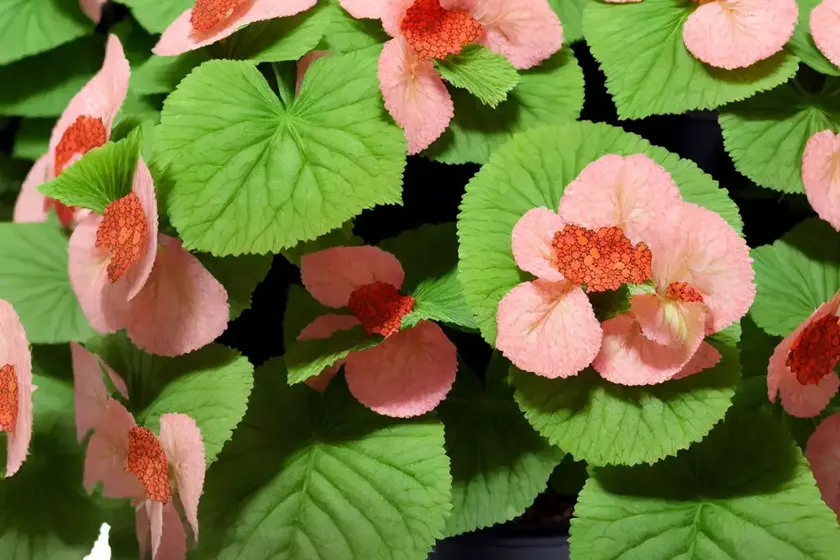
The Polka Dot Begonia (Begonia maculata) is a stunning plant known for its striking patterned leaves and graceful appearance. This species of begonia has gained popularity as a houseplant due to its unique foliage and low maintenance requirements. In this comprehensive guide, we will delve into the culture, uses, watering and sunlight needs, fertilizer, soil, pruning, propagation, common diseases, and pests that affect the Polka Dot Begonia plant. Whether you are a beginner or an experienced plant enthusiast, this guide will equip you with the knowledge and skills needed to successfully care for and grow your own Polka Dot Begonia.
What is Polka Dot Begonia (Begonia maculata)?
The Polka Dot Begonia, scientifically known as Begonia maculata, is a species of flowering plant in the family Begoniaceae. It is native to the rainforests of Brazil and is prized for its beautiful, glossy leaves adorned with silver polka dots. The leaves of the Polka Dot Begonia exhibit a unique pattern of dark green with silver spots, making it an eye-catching addition to any indoor space.
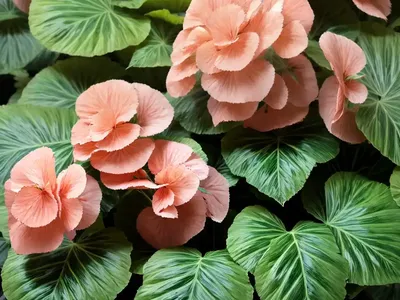
This begonia species is a rhizomatous perennial, meaning it grows from an underground stem called a rhizome and is capable of producing an abundance of leaves, creating a lush and full appearance. The Polka Dot Begonia can also produce delicate, pink flowers, although its foliage is the primary reason for its widespread appeal.
Key Takeaways – Polka Dot Begonia (Begonia maculata)
The following key takeaways will serve as an outline for the comprehensive guide to caring for the Polka Dot Begonia. Each section will provide detailed insights into the specified aspects of cultivating and maintaining this beautiful plant.
- Culture
- Uses
- Water
- Sunlight
- Fertilizer
- Soil
- Pruning
- Propagation
- Container
- Popularity
- Common Diseases
- Disease Diagnosis
- Common Pests
- Botanist’s Tips
- Fun Facts
- Links to External Resources
In the following sections, we will explore each of these aspects in detail to ensure that you have a comprehensive understanding of caring for the Polka Dot Begonia.
1. Culture
The cultural requirements of the Polka Dot Begonia are essential for creating an environment in which it can thrive. Understanding the plant’s native habitat and preferred growing conditions is crucial for successfully cultivating this species.
Polka Dot Begonia Natural Habitat
Begonia maculata is native to the lush rainforests of Brazil, where it thrives in a humid, subtropical environment. In its natural habitat, it is typically found growing as an understory plant, receiving filtered sunlight and protection from direct exposure to intense rays. The humidity levels in its native environment are relatively high, and the plant is accustomed to consistent moisture and a well-draining substrate. These natural conditions serve as a valuable reference point for replicating an ideal growing environment in a home setting.
Environmental Preferences
The Polka Dot Begonia thrives in environments that mimic its natural habitat. When cultivating this plant, it is important to consider the following environmental preferences:
-
Light Intensity: Bright, indirect light is ideal for the Polka Dot Begonia. It should be placed near a window that receives filtered sunlight or in a location with ample ambient light. Direct sun exposure should be avoided, as it can scorch the leaves.
-
Temperature: The Polka Dot Begonia prefers temperatures between 65°F and 75°F (18°C to 24°C). It is sensitive to cold drafts and temperature fluctuations, so it should be placed in a stable, warm environment.
-
Humidity: High humidity levels are beneficial for the Polka Dot Begonia. It thrives in environments with humidity levels ranging from 50% to 60%. To increase humidity, misting the plant or using a humidifier can be beneficial, especially during drier periods.
-
Soil Moisture: The soil should be consistently moist but well-draining to prevent waterlogging. The Polka Dot Begonia does not tolerate drought well, so it is important to maintain adequate soil moisture levels.
Understanding these environmental preferences is key to ensuring the success of the Polka Dot Begonia in a home environment. By replicating its natural habitat to the best of your ability, you can provide an optimal growing environment for the plant.
2. Uses
The Polka Dot Begonia is primarily grown for its ornamental value, with its striking foliage making it a popular choice for indoor plant enthusiasts. Some of the key uses of the Polka Dot Begonia include:
-
Indoor Decoration: The Polka Dot Begonia serves as an attractive and visually captivating addition to indoor spaces. Its unique foliage adds a touch of elegance and beauty to any room, making it a popular choice for interior decoration.
-
Air Purification: Like many other houseplants, the Polka Dot Begonia contributes to air purification by absorbing harmful gases and volatile organic compounds (VOCs) from the surrounding environment. This natural air-purifying ability enhances indoor air quality, creating a healthier living space.
-
Biophilic Design: The Polka Dot Begonia lends itself well to biophilic design, which seeks to incorporate natural elements into human environments. Its lush foliage and intriguing patterns contribute to a sense of tranquility and connection with nature.
-
Stress Reduction: Caring for plants, also known as horticultural therapy, has been shown to reduce stress and improve overall well-being. The presence of the Polka Dot Begonia in an indoor setting can contribute to a calming and soothing atmosphere.
By understanding the various uses of the Polka Dot Begonia, plant enthusiasts can appreciate its value beyond its aesthetic appeal. Its contributions to indoor air quality and overall well-being make it a valuable addition to any indoor space.
3. Water
Proper watering is critical for the health and vitality of the Polka Dot Begonia. As a tropical plant with high humidity requirements, maintaining adequate soil moisture levels is essential for its overall well-being.
Watering Schedule
The Polka Dot Begonia should be watered consistently to ensure that the soil does not dry out. A regular watering schedule is an effective way to maintain optimal soil moisture levels. Here are some key considerations for establishing a watering schedule:
-
Frequency: Water the Polka Dot Begonia when the top inch of the soil feels slightly dry to the touch. It is important to avoid overwatering, as soggy soil can lead to root rot and other issues. On average, watering every 7 to 10 days is suitable, but the frequency may vary depending on environmental conditions.
-
Water Quality: The water used for watering should be at room temperature and free from chlorine or other chemicals that could harm the plant. Using filtered or dechlorinated water is recommended, especially for sensitive houseplants like the Polka Dot Begonia.
-
Drainage: Ensure that the pot or container has adequate drainage to prevent water from pooling at the bottom. Excess water should be able to flow out of the container easily, allowing the soil to retain moisture without becoming waterlogged.
-
Humidity Considerations: During periods of low humidity, such as winter months or in dry climates, misting the Polka Dot Begonia’s foliage can help maintain adequate moisture levels. This additional source of water can benefit the plant, especially when indoor humidity levels are lower.
By adhering to a consistent watering schedule and monitoring soil moisture levels, plant enthusiasts can ensure that the Polka Dot Begonia receives the appropriate amount of water to support healthy growth.
4. Sunlight
Proper sunlight exposure is crucial for the Polka Dot Begonia, as it directly impacts the plant’s growth and overall well-being. Understanding its sunlight requirements is essential for creating an optimal growing environment.
Light Requirements
The Polka Dot Begonia thrives in bright, indirect light. When placing the plant in an indoor setting, it is important to consider the following light requirements:
-
Indirect Sunlight: Position the Polka Dot Begonia near a window that receives filtered sunlight. Direct sun exposure should be avoided, as it can scorch the leaves and cause damage. A sheer curtain or blinds can help filter intense sunlight, providing the ideal light conditions for the plant.
-
Light Intensity: The plant benefits from consistent, moderate light intensity. Avoid placing the Polka Dot Begonia in low-light conditions, as it can result in leggy growth and diminished foliage quality. Conversely, exposure to direct sunlight for prolonged periods should be prevented to protect the plant from leaf burn.
-
Sun Exposure: In its natural habitat, the Polka Dot Begonia grows beneath the canopy of larger plants, receiving dappled sunlight. Replicating these light conditions in an indoor setting can promote healthy growth and vibrant foliage.
Understanding and accommodating the Polka Dot Begonia’s sunlight requirements is essential for sustaining its ornamental value and overall health. By providing appropriate light conditions, plant enthusiasts can ensure that the plant thrives and flourishes in their care.
5. Fertilizer
Fertilizing the Polka Dot Begonia is an important aspect of its care, as it provides essential nutrients that support healthy growth and robust foliage. Understanding the appropriate fertilization regimen is key to promoting the plant’s vitality.
Fertilizer Application
When selecting a fertilizer for the Polka Dot Begonia, it is important to choose a balanced, water-soluble formula that is specifically formulated for indoor plants. A fertilizer with a balanced N-P-K ratio, such as 20-20-20, can provide the necessary nutrients without risking nutrient imbalances.
Here are some key considerations for fertilizing the Polka Dot Begonia:
-
Frequency: During the growing season, which typically spans from spring to early fall, fertilize the Polka Dot Begonia every 4 to 6 weeks. Reduce the frequency during the dormant winter months, as the plant’s growth slows down during this period.
-
Dilution: When applying fertilizer, follow the manufacturer’s instructions for dilution ratios. It is advisable to dilute the fertilizer to half the recommended strength to prevent the risk of over-fertilization, which can cause damage to the plant.
-
Application Method: Apply the diluted fertilizer to the soil around the base of the plant, ensuring that it is evenly distributed. Avoid applying fertilizer to the foliage, as this can lead to burns or damage.
-
Nutrient Balance: A balanced fertilizer with equal parts nitrogen, phosphorus, and potassium (N-P-K) is suitable for the Polka Dot Begonia. This balanced formula provides the necessary nutrients for healthy foliage growth and overall plant vigor.
By adhering to a consistent fertilization schedule and using a balanced, water-soluble fertilizer, plant enthusiasts can provide the Polka Dot Begonia with the essential nutrients it needs to thrive.
6. Soil
Selecting the right soil type is crucial for the Polka Dot Begonia, as it directly impacts the plant’s ability to absorb water and nutrients. Choosing a well-draining, moisture-retentive soil is key to promoting healthy growth and preventing issues such as root rot.
Ideal Soil Composition
The Polka Dot Begonia thrives in a lightweight, well-draining potting mix that retains moisture without becoming waterlogged. A high-quality potting mix formulated for tropical plants or African violets is suitable for the Polka Dot Begonia. When considering the ideal soil composition, it is important to prioritize the following characteristics:
-
Moisture Retention: The soil should have the capacity to retain moisture to support the Polka Dot Begonia’s high humidity requirements. At the same time, it should not become waterlogged, as excessive moisture can lead to root rot and other issues.
-
Aeration: Aeration is essential for root health, as it ensures that oxygen reaches the plant’s roots and prevents the soil from compacting. An airy, well-draining soil mix facilitates proper aeration, creating an optimal growing environment for the Polka Dot Begonia.
-
Nutrient Availability: The soil should provide a balanced supply of nutrients to support healthy growth. In addition to using a well-draining potting mix, incorporating organic matter into the soil can contribute to improved nutrient availability and overall soil health.
-
pH Level: The ideal pH range for the Polka Dot Begonia is slightly acidic, typically ranging from 6.0 to 6.5. A mildly acidic soil pH promotes nutrient uptake and supports the plant’s overall vitality.
By selecting a high-quality potting mix that aligns with these soil composition considerations, plant enthusiasts can create an optimal growing medium for the Polka Dot Begonia. A suitable soil mix contributes to the plant’s ability to thrive and flourish in indoor environments.
7. Pruning
Pruning the Polka Dot Begonia is an essential aspect of its maintenance, as it helps shape the plant, promote healthy growth, and prevent issues such as overcrowding and disease. Understanding the appropriate pruning techniques and timing is key to maintaining the plant’s ornamental value.
Pruning Techniques
When engaging in pruning activities, it is important to prioritize the following techniques to ensure effective care for the Polka Dot Begonia:
-
Leaf Removal: Regularly remove any yellowing or damaged leaves from the plant. This not only improves the plant’s aesthetics but also prevents the spread of diseases and promotes overall plant health.
-
Stem Pruning: If the Polka Dot Begonia becomes leggy or exhibits excessive growth, consider pruning back the stems to promote a more compact, bushy appearance. Pruning stimulates new growth and encourages the plant to produce thicker foliage.
-
Flower Pruning: If the Polka Dot Begonia produces flowers, deadhead faded blooms to divert energy back into foliage growth. Removing spent flowers prevents the plant from expending unnecessary resources on seed production, promoting ongoing leaf development.
-
Propagation Cuttings: Pruning can also serve as an opportunity to collect cuttings for propagation. By taking healthy stem cuttings and leaf cuttings, plant enthusiasts can create new Polka Dot Begonia plants and expand their collection.
By incorporating these pruning techniques into the plant care routine, plant enthusiasts can promote the health, vitality, and ornamental value of the Polka Dot Begonia. Regular pruning contributes to the plant’s overall well-being and aesthetic appeal.
8. Propagation
Propagation is a valuable technique for expanding your collection of Polka Dot Begonias and sharing the beauty of this plant with others. Understanding the various propagation methods and best practices is essential for successfully propagating new plants from existing specimens.
Propagation Methods
The Polka Dot Begonia can be propagated through several methods, each offering its own advantages and considerations. The following propagation methods are commonly used for this species:
-
Stem Cuttings: Propagating the Polka Dot Begonia through stem cuttings is a popular method that involves collecting a healthy stem segment with several leaves. The cutting is placed in a moist, well-draining propagation medium until roots develop, at which point it can be transferred to a potting mix for continued growth.
-
Leaf Cuttings: Leaf cuttings offer another propagation option for the Polka Dot Begonia. By taking healthy leaves and placing them in a propagation medium, plant enthusiasts can encourage the development of new plantlets, which can be transplanted once they have established roots.
-
Division: If the Polka Dot Begonia has multiple rhizomes and offshoots, division can be used to separate the plant into multiple individuals. This method can be employed during repotting to create new plants from existing clusters.
-
Air Layering: Air layering is a more advanced propagation technique that involves creating a small incision in a healthy stem, packing it with a rooting hormone, and enclosing it with moist moss and plastic wrap. This method induces the development of roots on the stem, allowing for new plant formation.
By exploring these propagation methods and experimenting with different approaches, plant enthusiasts can propagate the Polka Dot Begonia effectively, expanding their collection and sharing the plant’s beauty with others.
9. Container
Selecting an appropriate container for the Polka Dot Begonia is important, as it directly impacts the plant’s growth and overall well-being. Understanding the key considerations for container selection is essential for creating an optimal growing environment.
Container Considerations
When choosing a container for the Polka Dot Begonia, the following considerations should be taken into account:
-
Size: Select a container that provides ample room for the plant’s roots to spread and grow. The container should be proportionate to the plant’s size, promoting stability and balanced growth.
-
Drainage: Ensure that the container has sufficient drainage holes to allow excess water to escape. Proper drainage prevents waterlogging and helps maintain optimal soil moisture levels.
-
Material: Containers made from materials such as plastic, ceramic, or terracotta are suitable for the Polka Dot Begonia. It is important to choose a container material that aligns with the plant’s moisture needs and environmental preferences.
-
Aesthetic Appeal: Consider the visual aesthetic of the container, as it can contribute to the overall presentation of the Polka Dot Begonia. Select a container that complements the plant’s foliage and enhances its ornamental value.
By selecting the right container and considering these key factors, plant enthusiasts can create an ideal habitat for the Polka Dot Begonia, promoting healthy growth and long-term vitality.
10. Popularity
The Polka Dot Begonia has gained significant popularity as a houseplant due to its striking foliage and low maintenance requirements. Its unique appearance and ornamental value have made it a sought-after addition to indoor spaces, contributing to its widespread appeal among plant enthusiasts.
Rise in Popularity
Several factors have contributed to the growing popularity of the Polka Dot Begonia:
-
Aesthetic Appeal: The Polka Dot Begonia’s eye-catching foliage, characterized by dark green leaves adorned with silver spots, has captivated plant enthusiasts and interior decorators alike. Its striking appearance adds a touch of elegance to any setting.
-
Low Maintenance: This species of begonia is relatively low maintenance, making it accessible to a wide range of plant enthusiasts, including beginners. Its ability to thrive in indoor environments with minimal care requirements has contributed to its rising popularity.
-
Air-Purifying Qualities: As with many other houseplants, the Polka Dot Begonia contributes to air purification, helping improve indoor air quality and creating a healthier living space. Its air-purifying qualities have enhanced its appeal as a houseplant.
-
Online Presence: The growing popularity of indoor gardening and plant care across social media platforms and online communities has further fueled interest in the Polka Dot Begonia. Plant enthusiasts share their experiences and showcase the beauty of this species, contributing to its widespread appeal.
The combination of its visual allure, low maintenance nature, and air-purifying benefits has cemented the Polka Dot Begonia as a beloved houseplant, making it a popular choice for both experienced and novice plant enthusiasts.
11. Common Diseases
The Polka Dot Begonia is susceptible to certain diseases, which can impact its overall health and vitality. Understanding the common diseases that affect this plant and how to prevent and address them is crucial for effective care and maintenance.
Common Diseases
Several common diseases can affect the Polka Dot Begonia, including:
-
Powdery Mildew: Powdery mildew is a fungal disease that manifests as a powdery, white substance on the plant’s leaves. It thrives in humid conditions and can impact the plant’s foliage, leading to diminished aesthetic appeal.
-
**Botry