Poet’s Narcissus (Narcissus Poeticus)
Narcissus poeticus, commonly known as Poet’s Narcissus, is a stunning spring-flowering bulbous plant that belongs to the Amaryllidaceae family. This.
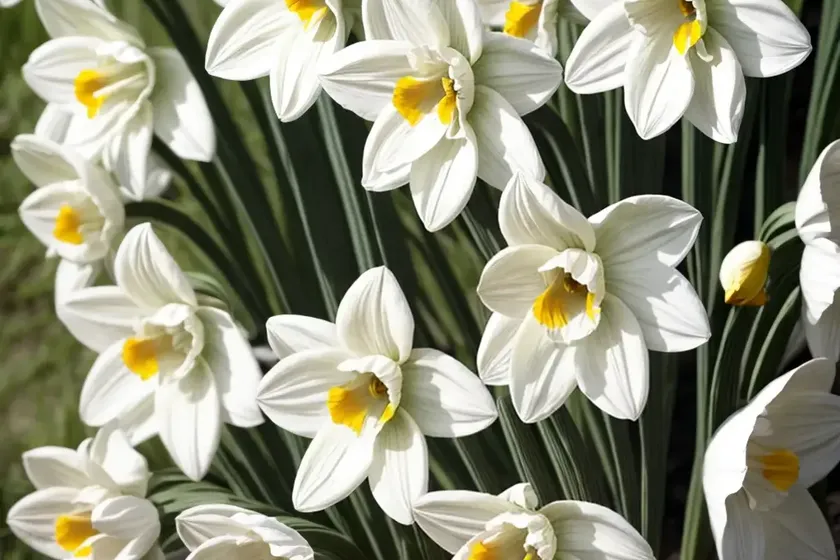
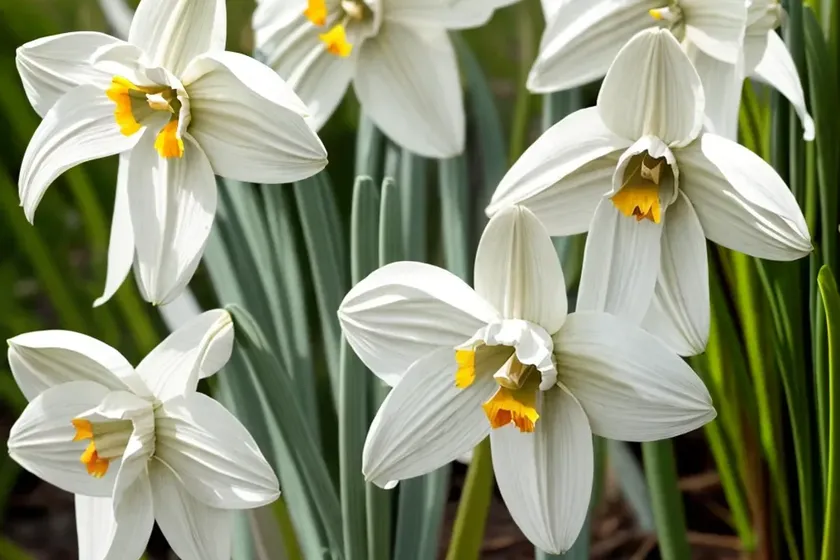
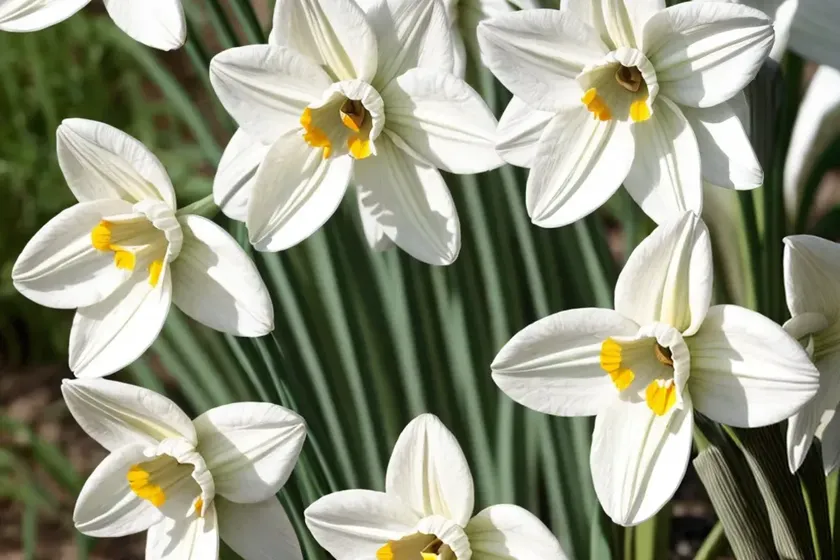
Narcissus poeticus, commonly known as Poet’s Narcissus, is a stunning spring-flowering bulbous plant that belongs to the Amaryllidaceae family. This delicate and fragrant flower has been adored for centuries, with its captivating beauty and cultural significance making it a beloved addition to gardens around the world.
In this comprehensive guide, we will delve into the world of Poet’s Narcissus, exploring its cultural significance, uses, and essential care tips for optimum growth. Whether you are a seasoned gardener or a novice enthusiast, this guide aims to provide valuable insights into nurturing and enjoying the splendor of Poet’s Narcissus in your own garden.
What is Poet’s Narcissus?
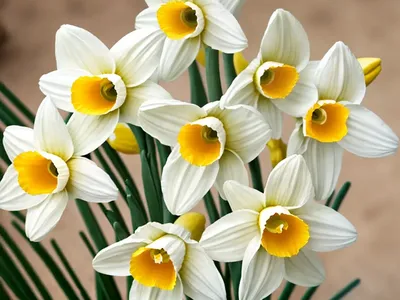
Poet’s Narcissus, scientifically known as Narcissus poeticus, is a perennial herbaceous plant indigenous to various regions in Europe, including the Mediterranean. It is characterized by its striking white petals and distinctive yellow and red corona, exuding a sweet fragrance that adds to its allure.
In addition to its aesthetic appeal, Poet’s Narcissus holds historical and cultural significance, often mentioned in literature and mythology. It has long been associated with themes of rebirth, rejuvenation, and unrequited love, making it a symbolically rich flower with a storied past.
Key Takeaways
Before delving into the specific details of caring for Poet’s Narcissus, it’s valuable to highlight some key takeaways about this captivating plant.
- Scientific Name: Narcissus poeticus
- Family: Amaryllidaceae
- Common Names: Poet’s Narcissus, Pheasant’s Eye Narcissus
- Bloom Time: Spring
- Cultural Significance: Historically associated with mythology, literature, and symbolism
- Fragrance: Sweet and alluring
- Habitat: Indigenous to Europe, particularly regions around the Mediterranean
- Plant Type: Perennial bulbous plant
Now that we have grounded ourselves in the essence of Poet’s Narcissus, let’s explore the practical aspects of cultivating and nurturing these magnificent blooms.
Culture
Uses
Poet’s Narcissus is cherished for its manifold uses, encompassing both ornamental and cultural applications. Some common uses of Narcissus poeticus include:
-
Ornamental Purposes: The exquisite beauty and fragrant nature of Poet’s Narcissus make it a popular choice for ornamental garden displays, adding a touch of elegance to spring landscapes.
-
Symbolic Meanings: Throughout history, Poet’s Narcissus has symbolized various themes, including rebirth, purity, and unrequited love. It has been a staple in literature, art, and cultural ceremonies, often carrying profound symbolism.
-
Traditional Medicine: In some cultures, certain parts of Poet’s Narcissus have been used in traditional medicine for their purported medicinal properties. However, caution is advised, as some parts of the plant can be toxic if ingested.
With its rich cultural heritage and aesthetic appeal, Poet’s Narcissus has carved out a unique place in both gardens and various cultural practices.
Care Tips
Caring for Poet’s Narcissus entails a thoughtful approach to its water, sunlight, fertilizer, soil, and pruning needs, ensuring that the plant thrives and graces your garden with its enchanting presence.
Water
Proper watering is crucial for the health and vitality of Poet’s Narcissus. Here are some essential water-related care tips for this exquisite plant:
-
Moist, Well-Draining Soil: Poet’s Narcissus thrives in moist, well-draining soil. Ensure that the soil is consistently moist but not waterlogged, especially during the growing and blooming seasons.
-
Reduced Watering After Blooming: Once the flowers have bloomed and the foliage starts to die back, reduce watering. This allows the bulbs to enter a period of dormancy, preparing for the next growing season.
-
Avoid Overwatering: Overwatering can lead to bulb rot and other detrimental conditions. Monitor the soil moisture and adjust your watering frequency based on the plant’s needs and environmental conditions.
Sunlight
Appropriate sunlight is essential for ensuring robust growth and vibrant blooms in Poet’s Narcissus. Consider the following tips when addressing the sunlight needs of this plant:
-
Full to Partial Sun: Poet’s Narcissus generally thrives in full to partial sunlight exposure. Aim to provide it with at least 6 hours of direct sunlight daily for optimal growth and flowering.
-
Morning Sunlight: Morning sunlight is particularly beneficial, as it helps to dry any dew or moisture on the leaves and petals, reducing the risk of fungal diseases.
-
Avoid Extreme Heat: While Poet’s Narcissus enjoys sunlight, it is important to prevent the bulbs from being exposed to excessive heat, especially during the peak of summer.
Fertilizer
Strategic fertilization plays a pivotal role in nourishing Poet’s Narcissus and promoting vigorous growth. Consider the following fertilizer-related care tips for this captivating plant:
-
Balanced Fertilizer Formula: Use a balanced, water-soluble fertilizer with a formulation such as 10-10-10 or 5-10-5 to provide essential nutrients without overstimulating excessive foliage growth at the expense of flowers.
-
Application Timing: Apply fertilizer in early spring when the shoots emerge and subsequently after flowering to support bulb development. Avoid fertilizing after the foliage begins to yellow and die back.
-
Avoid High Nitrogen Content: Refrain from using fertilizers with high nitrogen content, as this can lead to lush foliage at the expense of flower production.
Soil
The quality and composition of the soil are critical factors in ensuring the well-being of Poet’s Narcissus. Here are some valuable soil-related care tips for this beloved plant:
-
Well-Draining Soil: Poet’s Narcissus thrives in well-draining soil to prevent waterlogging, which can lead to bulb rot and other issues.
-
Slightly Acidic to Neutral pH: Aim for a slightly acidic to neutral soil pH range of 6.0 to 7.0, which provides an optimal environment for nutrient uptake and overall plant health.
-
Amended Soil: Prior to planting, enrich the soil with organic matter such as compost or well-rotted manure to improve its texture and fertility.
Pruning
Thoughtful pruning practices contribute to the long-term health and vitality of Poet’s Narcissus. Here are essential pruning-related care tips for this enchanting plant:
-
Post-Blooming Care: After the flowers have faded, leave the foliage intact to allow the plant to photosynthesize and replenish the bulbs for the next season. Avoid removing the foliage until it has completely yellowed and withered.
-
Deadheading: Remove spent flowers to prevent the plant from expending energy on seed production, directing its resources toward bulb development instead.
-
Leave Foliage Intact: Allowing the foliage to die back naturally helps the plant store essential nutrients for the next growing season, contributing to robust blooms.
Propagation
While Poet’s Narcissus can be propagated through various methods, including division and seed propagation, bulb division is the most common and reliable technique. Here are some pointers for propagation:
-
Bulb Division: Dig up mature bulbs after the foliage has died back and carefully separate the offsets, ensuring that each division has sufficient roots and a portion of the basal plate.
-
Replanting: Plant the divisions at the appropriate depth in well-prepared soil, ensuring adequate spacing to allow for growth and future division.
-
Patience: It may take a couple of years for newly propagated bulbs to mature and produce robust blooms. Exercise patience and provide appropriate care during the establishment phase.
Container
Planting Poet’s Narcissus in containers offers flexibility and enables gardeners to enjoy these captivating flowers on patios, balconies, or indoor spaces. Here are some key considerations for container gardening with Poet’s Narcissus:
-
Well-Draining Containers: Select containers with drainage holes to prevent waterlogging, ensuring that excess water can freely escape and not compromise the health of the bulbs.
-
Quality Potting Mix: Use a high-quality, well-draining potting mix specifically formulated for bulbs and perennial plants.
-
Adequate Space: Choose a container that provides ample space for the bulbs to grow and develop, preventing overcrowding and competition for resources.
Popularity
Poet’s Narcissus has achieved widespread popularity among gardeners and flower enthusiasts, thanks to its innate beauty, cultural significance, and ease of cultivation. Its enduring allure has made it a beloved addition to gardens and landscapes around the world, earning a place as a cherished spring-blooming flower.
Common Diseases
While Poet’s Narcissus is generally resilient, it can be susceptible to certain diseases and health issues, particularly when growing conditions are suboptimal. Some common diseases that may affect Poet’s Narcissus include:
-
Botrytis: Also known as gray mold, botrytis can cause browning and decay of flowers and foliage, particularly in humid conditions.
-
Fungal Rots: Bulb rot and root rot can occur when the soil is excessively moist and poorly draining, leading to deterioration and decay of the bulbs.
-
Viral Diseases: Various viral diseases can affect Poet’s Narcissus, resulting in distorted growth, mottled leaves, and reduced vigor.
Disease Diagnosis
Prompt diagnosis of diseases is crucial for implementing targeted interventions to protect Poet’s Narcissus. When diagnosing potential diseases, consider the following steps:
-
Visual Inspection: Carefully examine the plants for any signs of abnormal growth, discoloration, or lesions on the foliage and flowers.
-
Symptom Comparison: Compare observed symptoms with known indicators of common diseases to narrow down potential diagnoses.
-
Consultation: If unsure about a disease or health issue affecting Poet’s Narcissus, consider consulting with a local extension service, botanist, or horticultural expert for accurate diagnosis and treatment recommendations.
Common Pests
Poet’s Narcissus may encounter various pests that can compromise its growth and vitality. Some common pests that may target this plant include:
-
Aphids: These soft-bodied insects can cluster on tender young growth, sucking sap and potentially transmitting viral diseases.
-
Thrips: Thrips can cause stippling and deformation of flowers and foliage, leading to aesthetic and physiological damage.
-
Narcissus Bulb Fly: The larvae of this fly can infest and feed on the bulbs, leading to weakened plants and reduced flowering.
Botanist’s Tips
Harnessing the insights and expertise of botanists can provide invaluable guidance for nurturing Poet’s Narcissus with the utmost care and prowess. Consider the following tips from seasoned botanists:
-
Plant at the Right Depth: Ensure that you plant Poet’s Narcissus bulbs at the appropriate depth, generally 3 to 4 times their height, to facilitate robust growth and flowering.
-
Mulch Considerations: Apply a layer of organic mulch around the planted bulbs to help conserve moisture, suppress weed growth, and regulate soil temperature.
-
Adhere to Dormancy Periods: Respect the natural dormancy periods of Poet’s Narcissus, refraining from watering and feeding the bulbs after the foliage has died back to promote healthy cycles of growth and rest.
Fun Facts
Delight in these intriguing and captivating fun facts about Poet’s Narcissus, adding depth to your appreciation of this timeless flower:
-
Mythological Origins: Poet’s Narcissus is rooted in Greek mythology, where it is associated with the story of Narcissus, a beautiful youth who fell in love with his own reflection and was subsequently transformed into a flower that bears his name.
-
Fragrance Notes: The fragrance of Poet’s Narcissus is often described as sweet, delicate, and enchanting, making it an alluring addition to gardens and floral arrangements.
-
Naturalizing Beauty: Poet’s Narcissus has a gift for naturalizing in the right conditions, spreading its charm and beauty in a seemingly effortless manner across landscapes.
-
Bulb Production: The bulbs of Poet’s Narcissus can multiply and naturalize over time, offering an ever-expanding display of stunning blooms.
Now, armed with a deeper understanding of Poet’s Narcissus, let’s direct our focus to external resources that can further enrich your knowledge and appreciation of this captivating plant.
Links to External Resources
-
The American Daffodil Society: The American Daffodil Society offers a wealth of information on daffodils, including Poet’s Narcissus, with resources ranging from cultivation tips to historical insights.
-
Royal Horticultural Society – Narcissus poeticus: The Royal Horticultural Society provides detailed guidance on growing and caring for Narcissus poeticus, shedding light on its ornamental and cultural significance.
-
University of Vermont Extension Department of Plant and Soil Science – Narcissus: The University of Vermont Extension Department hosts an informative article on various aspects of Narcissus, including cultivation, varieties, and potential issues.
-
North Carolina State University – Narcissus Selection and Care: This resource from North Carolina State University offers practical insights into the selection and care of daffodils, including valuable recommendations for Poet’s Narcissus.
-
Missouri Botanical Garden – Narcissus poeticus: The Missouri Botanical Garden’s plant finder tool provides in-depth information on Narcissus poeticus, encompassing its botanical attributes and cultivation requirements.
Conclusion
In this comprehensive guide, we have embarked on a captivating journey through the world of Poet’s Narcissus, unraveling its cultural significance, essential care tips, and intriguing facets that make it a perennial favorite in gardens and landscapes.
By understanding the nuances of nurturing and appreciating Poet’s Narcissus, we equip ourselves with the knowledge and appreciation needed to cultivate these enchanting blooms with the utmost care and reverence.
As we part ways, may the allure of Poet’s Narcissus continue to inspire and enchant, infusing our gardens and hearts with the splendor of its timeless beauty.
Happy gardening!