Plumeria Rubra ‘Celadine’ (Frangipani)
Plumeria rubra ‘Celadine’, commonly known as Frangipani, is a beautiful and exotic plant that is prized for its stunning, fragrant flowers. Belonging to.
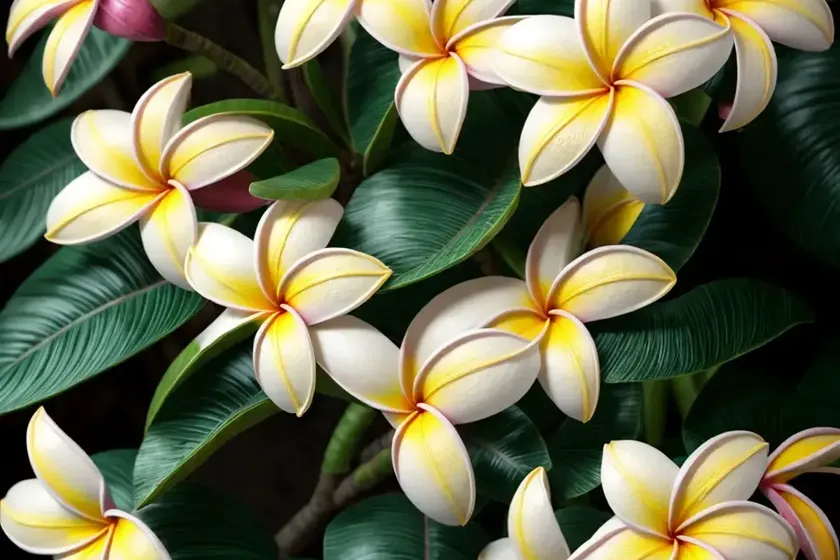
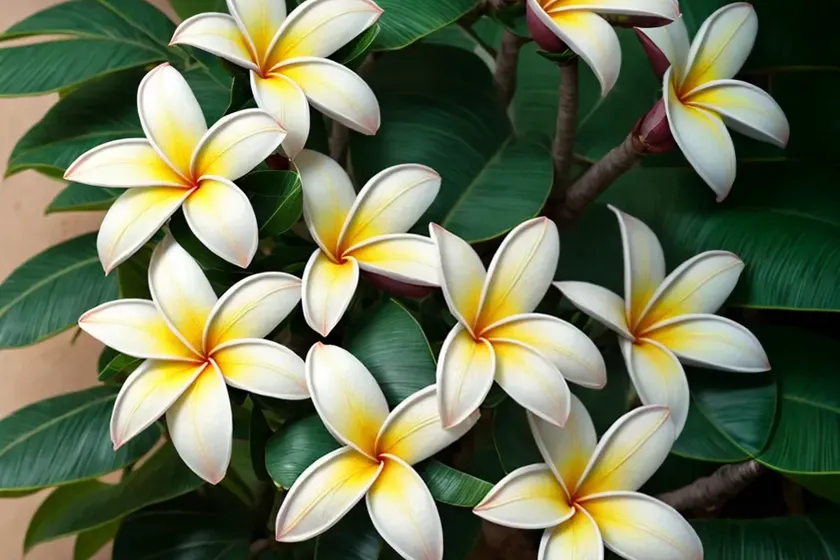
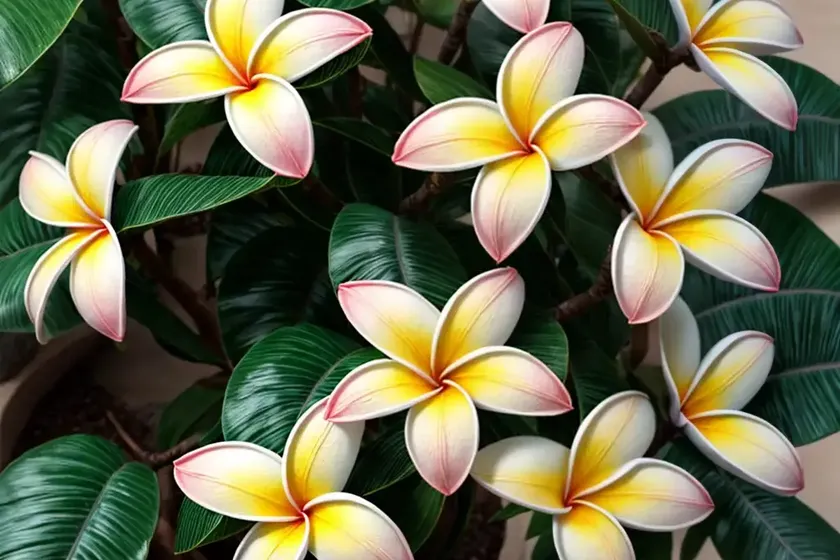
Plumeria rubra ‘Celadine’, commonly known as Frangipani, is a beautiful and exotic plant that is prized for its stunning, fragrant flowers. Belonging to the Apocynaceae family, this tropical plant is native to Mexico, Central America, the Caribbean, and South America. In this comprehensive guide, we will explore the key aspects of caring for and growing the Plumeria rubra ‘Celadine’, including its culture, uses, maintenance, common diseases, and more. Whether you are a seasoned gardener or a novice plant enthusiast, this guide will equip you with insights and tips to successfully cultivate and enjoy the beauty of the Frangipani plant.
What is Plumeria rubra ‘Celadine’ (Frangipani)?
Plumeria rubra ‘Celadine’, or Frangipani, is a flowering plant known for its vibrant, fragrant flowers and ornamental value. It typically grows as a small tree or shrub and is characterized by its thick, succulent branches and striking, leathery leaves. The highlight of the Frangipani plant is undoubtedly its flowers, which come in a variety of colors, including shades of white, yellow, pink, and red, often with contrasting or complementary hues in the center.
Key Takeaways – Plumeria rubra ‘Celadine’
Before delving into the details of caring for the Plumeria rubra ‘Celadine’, let’s summarize some key takeaways about this beautiful plant:
- Scientific Name: Plumeria rubra ‘Celadine’
- Common Name: Frangipani
- Family: Apocynaceae
- Native Regions: Mexico, Central America, the Caribbean, and South America
- Characteristics: Thick, succulent branches, leathery leaves, vibrant and fragrant flowers
- Varieties: Different color variations available, including white, yellow, pink, and red flowers
- Uses: Ornamental plant, often used in tropical and exotic gardens
- Growth Habit: Small tree or shrub
Now that we have an overview of the Plumeria rubra ‘Celadine’, let’s explore the key aspects of its culture, maintenance, and propagation.
Culture
Cultivating the Plumeria rubra ‘Celadine’ requires an understanding of its specific cultural requirements, including its preferred growing conditions, soil preferences, and sunlight exposure. By providing the ideal environment for the plant, you can encourage healthy growth and abundant flowering.
Sunlight
- Sunlight Requirements: Frangipani plants thrive in full sunlight and require at least 6 to 8 hours of direct sunlight daily.
- Positioning: When planting or positioning the Frangipani, choose a location that receives ample sunlight, such as south-facing or west-facing areas in the garden.
Water
- Watering Frequency: During the growing season, water the Frangipani plant deeply but infrequently, allowing the soil to dry out partially between waterings. In winter, reduce watering to prevent waterlogging.
- Avoid Overwatering: Frangipani plants are sensitive to overwatering, which can lead to root rot and other problems. It’s essential to strike a balance and avoid water stagnation.
Fertilizer
- Nutrient Requirements: Fertilize the Frangipani plant during the growing season with a balanced, slow-release fertilizer to support healthy foliage and flowering.
- Timing: Apply fertilizer sparingly at the beginning of the growing season and monitor the plant’s response to avoid over-fertilization.
Soil
- Well-Draining Soil: Plumeria rubra ‘Celadine’ prefers well-draining, sandy soils that allow excess water to escape easily. Avoid heavy, compacted soils to prevent waterlogging.
- Soil pH: Ideally, the soil pH should range between 6.5 and 7.5 to support optimal nutrient uptake and overall plant health.
- Potting Mix: When growing Frangipani in containers, use a well-formulated potting mix designed for tropical plants, ensuring good aeration and drainage.
Uses
The Plumeria rubra ‘Celadine’ (Frangipani) serves various practical and aesthetic purposes, making it a sought-after plant for gardens, landscapes, and floral arrangements. Let’s explore the primary uses of the Frangipani plant:
Ornamental Plant
- Garden Display: Frangipani plants are often cultivated for their stunning, fragrant flowers, enhancing the visual appeal of tropical and exotic gardens.
- Landscaping: Due to their vibrant colors and striking appearance, Frangipani plants are frequently incorporated into landscaping projects, adding a touch of tropical elegance to outdoor spaces.
Fragrant Flowers
- Aromatherapy: The fragrant flowers of the Frangipani plant are valued for their aromatic properties and are commonly used in perfumery and aromatherapy.
- Floral Decor: The cut flowers of the Frangipani plant are popularly used in floral arrangements and decorative displays, lending a tropical and exotic ambiance to indoor spaces.
Symbolism
- Cultural Significance: In various cultures and traditions, the Frangipani plant holds symbolic meanings related to love, beauty, and positivity, often featured in ceremonies and celebrations.
Maintenance
Maintaining the health and vigor of the Plumeria rubra ‘Celadine’ involves attentive care, regular maintenance practices, and timely interventions to address any issues that may arise. Let’s delve into the essential maintenance aspects for growing and nurturing the Frangipani plant.
Pruning
- Pruning Tips: Periodic pruning of the Frangipani plant is beneficial for promoting branching, controlling its size, and removing dead or damaged branches. Use clean, sharp pruning tools to make precise cuts without causing unnecessary stress to the plant.
- Timing: Prune the Frangipani plant during the dormant season or early spring before new growth emerges. Avoid excessive pruning, as it can impact flowering.
Propagation
- Propagation Methods: Frangipani plants can be propagated through various methods, including stem cuttings, seed germination, and grafting.
- Cutting Propagation: Stem cuttings taken from healthy, mature branches can be rooted in a well-draining, moist propagation medium to establish new plants.
- Seed Germination: While less common, Frangipani seeds can be collected from mature pods and germinated under controlled conditions to produce new plants.
Container Popularity
- Container Gardening: Frangipani plants are well-suited for container gardening, allowing enthusiasts in cooler climates to cultivate these tropical beauties indoors or on patios during the growing season.
Common Diseases
Despite being relatively low-maintenance, the Plumeria rubra ‘Celadine’ (Frangipani) is susceptible to certain diseases, particularly when grown under unfavorable conditions or exposed to stress factors. Understanding the common diseases affecting the Frangipani plant and their diagnosis is crucial for implementing timely interventions and preventing the spread of infections.
Disease Diagnosis
- Black Tip Fungus: This common fungal disease is characterized by the appearance of blackened, necrotic tips on the branches and leaves of the Frangipani plant.
- Prevention and Treatment: To prevent black tip fungus, ensure proper air circulation and avoid overwatering. Prune affected parts and apply fungicidal treatments as needed.
Common Pests
In addition to diseases, the Frangipani plant may attract certain pests that can compromise its health and vitality. Identifying and addressing pest infestations promptly is essential for protecting the plant and preventing pest-related damage.
Botanist’s Tips
As a plant scientist, I have had the opportunity to study and observe the fascinating characteristics and behaviors of the Plumeria rubra ‘Celadine’. Here are some insightful tips that can enhance your understanding and care of this remarkable plant:
-
Fragrant Flower Phenomenon: The Frangipani plant’s flowers are not only visually captivating but also emit a sweet, intoxicating fragrance, especially during the evening and early morning hours. This unique feature adds to its allure and charm, attracting pollinators and admirers alike.
-
Resilience in Adverse Conditions: While the Frangipani plant thrives in warm, tropical climates, it exhibits remarkable resilience and adaptability. With proper care and protection from frost, it can withstand brief periods of cooler temperatures without significant harm.
-
Symbiotic Relationships: Frangipani plants often form symbiotic associations with specific pollinators, including moths and butterflies, showcasing the fascinating interactions and dependencies that contribute to ecological balance and biodiversity.
Fun Facts
Before we conclude this comprehensive guide, let’s explore some intriguing and delightful fun facts about the Plumeria rubra ‘Celadine’ (Frangipani) that showcase its captivating nature and cultural significance:
-
Cultural Traditions: In many tropical regions, the Frangipani plant is integrated into cultural traditions, religious ceremonies, and folklore, representing love, immortality, and positivity in various contexts.
-
Symbolism in Art and Literature: The striking beauty of the Frangipani’s flowers has inspired artists, writers, and poets across different cultures, featuring prominently in artworks, poems, and narratives as symbols of beauty, grace, and resilience.
-
Medicinal and Therapeutic Uses: Beyond its ornamental value, the Frangipani plant has been historically utilized for its medicinal properties, with various parts of the plant employed in traditional herbal remedies for treating skin conditions, fevers, and inflammatory ailments.
By uncovering these captivating aspects of the Frangipani plant, we gain a deeper appreciation for its impact on diverse facets of human life, cultural expression, and ecological connections.
Links to External Resources
For further exploration and in-depth information about the Plumeria rubra ‘Celadine’ (Frangipani), I recommend delving into the following resources:
-
The Frangipani Society: This online community and resource center offers valuable insights, forums, and articles dedicated to the cultivation and appreciation of Frangipani plants, along with connections to enthusiasts and experts.
-
Royal Horticultural Society – Growing Plumerias: The Royal Horticultural Society provides detailed guidance on growing and caring for Plumerias, including specific recommendations for optimal cultivation conditions.
-
University of Florida IFAS Extension – Plumeria: The University of Florida’s IFAS Extension offers a comprehensive overview of Plumeria plants, including their characteristics, cultivation requirements, and pest management strategies.
In closing, the Plumeria rubra ‘Celadine’ (Frangipani) stands as a captivating and enchanting plant that embodies the allure of tropical beauty, fragrant elegance, and cultural symbolism. Whether adorning gardens, inspiring artistic creations, or serving as therapeutic treasures, the Frangipani plant continues to captivate and inspire individuals worldwide, nurturing a profound connection with the natural world and its mesmerizing wonders.