Plumeria Flore Roseo Odoratissimo (Plumeria Rubra)
Plumeria Flore Roseo Odoratissimo, also known as Plumeria Rubra, is a stunning tropical plant that is cherished for its vibrant, fragrant blooms. This.
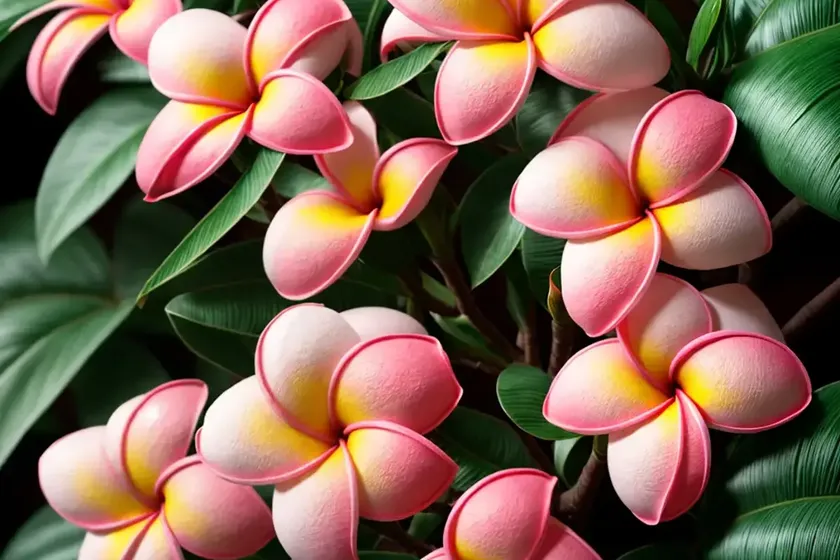
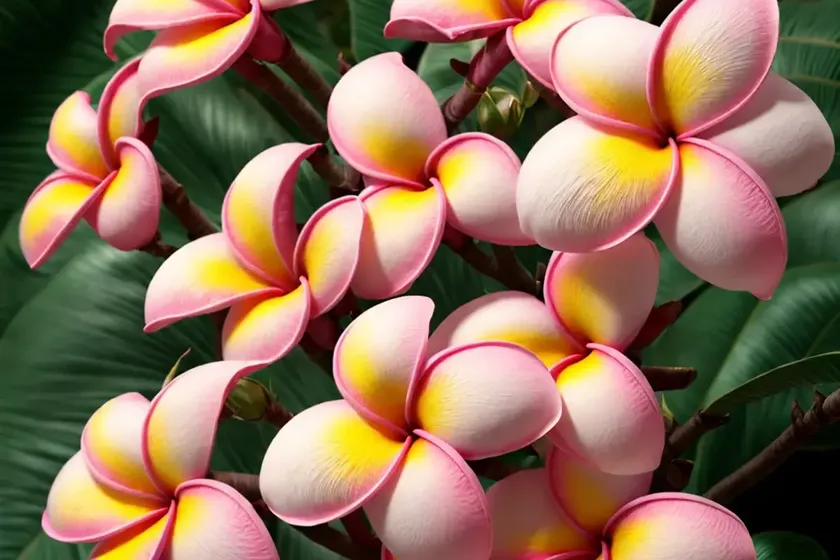
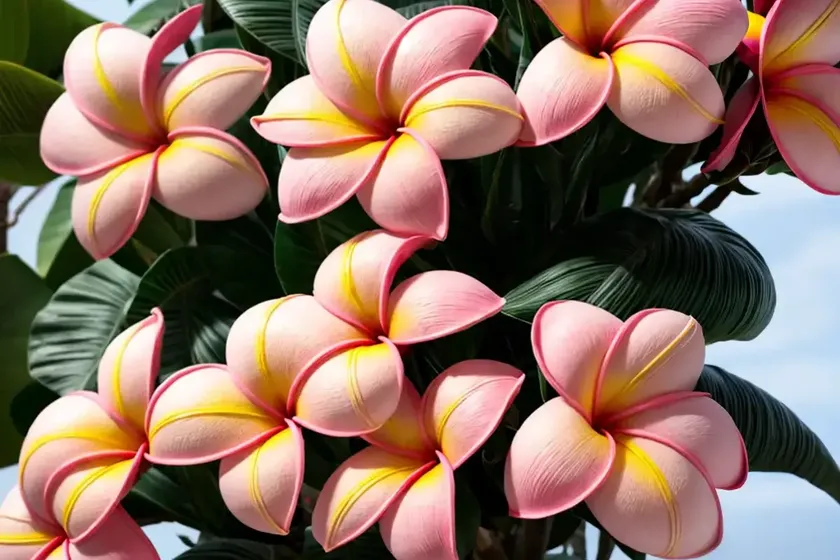
Plumeria Flore Roseo Odoratissimo, also known as Plumeria Rubra, is a stunning tropical plant that is cherished for its vibrant, fragrant blooms. This plant is widely cultivated for its use in gardens, landscapes, and floral arrangements, and its symbolic significance in various cultures has made it a beloved choice for many.
In this comprehensive guide, we will delve into the various aspects of Plumeria Flore Roseo Odoratissimo, including its culture, uses, care requirements, propagation techniques, common diseases, and more. Whether you’re a seasoned gardener or a novice plant enthusiast, this guide will equip you with the knowledge and tips to cultivate and care for Plumeria Rubra effectively.
What is Plumeria Flore Roseo Odoratissimo (Plumeria Rubra)?
Plumeria Flore Roseo Odoratissimo, commonly referred to as Plumeria Rubra, is a species of flowering plant in the dogbane family, Apocynaceae. Native to Mexico, Central America, and Venezuela, this tropical plant is renowned for its vibrant and aromatic flowers, which are often used in various cultural and ceremonial practices.
Key Takeaways – Plumeria Flore Roseo Odoratissimo (Plumeria Rubra)
Before we delve into the specific aspects of Plumeria Flore Roseo Odoratissimo, let’s highlight some key takeaways about this captivating plant:
- Scientific Name: Plumeria Rubra
- Common Names: Red Frangipani, Common Frangipani
- Family: Apocynaceae
- Origin: Mexico, Central America, Venezuela
- Uses: Garden plant, landscaping, floral arrangements, cultural symbolism
- Distinctive Features: Fragrant, rose-colored flowers, glossy leaves
- Cultivation Requirements: Warm climate, well-draining soil, ample sunlight
Now that we have an overview of Plumeria Flore Roseo Odoratissimo, let’s explore the various aspects of cultivating and caring for this exquisite plant.
Culture
Cultivating Plumeria Flore Roseo Odoratissimo requires an understanding of its specific cultural needs, including environmental conditions, watering, sunlight, fertilizer application, soil requirements, and pruning techniques. By creating an optimal cultural environment, you can ensure the healthy growth and abundant flowering of your Plumeria Rubra plant.
Uses
The uses of Plumeria Flore Roseo Odoratissimo extend beyond its ornamental value, as its fragrant blooms are employed in diverse applications, ranging from garden landscaping to therapeutic practices. Let’s explore the various uses of this captivating plant:
-
Garden Plant: Plumeria Rubra serves as an exquisite addition to tropical and subtropical gardens, enhancing their beauty with its vibrant flowers and glossy foliage.
-
Floral Arrangements: The fragrant blooms of Plumeria Flore Roseo Odoratissimo are often used in floral arrangements, adding a touch of elegance and exotic flair to bouquets and centerpieces.
-
Cultural Symbolism: In many cultures, Plumeria Rubra holds symbolic significance, representing love, beauty, immortality, and the ephemeral nature of life.
-
Therapeutic Applications: The fragrance of Plumeria blossoms is valued for its therapeutic properties, often used in aromatherapy, perfumery, and skincare products.
Water
Proper watering is essential for the health and vitality of Plumeria Flore Roseo Odoratissimo. While this tropical plant thrives in warm, humid conditions, it is important to strike a balance in watering to prevent waterlogged soil or drought stress.
-
Watering Frequency: During the active growing season, water the plant deeply whenever the top inch of soil feels dry to the touch. In winter or during dormancy, reduce watering to prevent root rot.
-
Watering Technique: Apply water at the base of the plant, avoiding wetting the foliage, which can lead to fungal diseases. Use a watering can or hose with a gentle flow to distribute water evenly.
-
Drainage: Ensure that the plant is potted in a container with drainage holes to allow excess water to escape, preventing waterlogging and root suffocation.
Sunlight
Plumeria Flore Roseo Odoratissimo thrives in full sunlight, requiring ample light exposure to promote vigorous growth and prolific flowering. Proper sunlight exposure is crucial for the plant’s overall health and blooming performance.
-
Sunlight Requirements: Position the plant in a location that receives at least 6-8 hours of direct sunlight daily, such as a south or west-facing aspect.
-
Light Intensity: Strong, direct sunlight is preferred, as it enhances flower production and maintains the plant’s compact, sturdy growth.
-
Indoor Cultivation: If growing Plumeria Rubra indoors, place it near a bright, sunlit window or supplement with grow lights to ensure sufficient light exposure.
Fertilizer
A balanced fertilization regimen is key to promoting the lush foliage and abundant blooms of Plumeria Flore Roseo Odoratissimo. By providing essential nutrients in the right proportions, you can support the plant’s growth and flowering cycles effectively.
-
Fertilizer Selection: Use a high-phosphorus, water-soluble fertilizer with a formulation such as 10-30-10 or 10-50-10 to encourage flowering and root development.
-
Fertilization Schedule: Apply fertilizer every 2-3 weeks during the active growing season, tapering off in late summer to prepare the plant for dormancy.
-
Application Method: Dissolve the fertilizer in water according to the manufacturer’s instructions and apply it to the soil around the plant, avoiding direct contact with the foliage.
Soil
The choice of soil is critical for ensuring proper drainage, root aeration, and nutrient availability for Plumeria Flore Roseo Odoratissimo. Selecting the right soil type and composition will lay the foundation for healthy growth and blooming of the plant.
-
Well-Draining Soil: Use a well-draining potting mix specifically designed for succulent or cacti plants, blending coarse sand or perlite to enhance drainage and prevent water retention.
-
pH Level: The ideal soil pH for Plumeria Rubra ranges from 6.0 to 7.0, providing a slightly acidic to neutral environment for optimal nutrient uptake.
-
Repotting: Repot the plant every 2-3 years to refresh the soil and provide ample space for root expansion, using a slightly larger container to accommodate the growing plant.
Pruning
Pruning plays a crucial role in shaping the growth, controlling the size, and enhancing the flowering of Plumeria Flore Roseo Odoratissimo. By employing proper pruning techniques, you can maintain the plant’s form and encourage prolific blooming.
-
Pruning Time: Prune Plumeria Rubra in late winter or early spring before the onset of new growth, allowing the wounds to heal quickly and minimizing stress on the plant.
-
Removal of Deadwood: Eliminate dead or diseased branches and stems to promote air circulation, reduce disease incidence, and rejuvenate the plant.
-
Maintenance Pruning: Regularly trim back excessive growth, suckers, or crossing branches to maintain an open, balanced structure and encourage lateral branching.
Propagation
Propagating Plumeria Flore Roseo Odoratissimo allows you to expand your plant collection and share the beauty of this tropical gem with others. Understanding the various propagation methods enables you to propagate Plumeria Rubra successfully.
-
Propagation Techniques: Plumeria can be propagated from cuttings, seeds, or grafting. Cuttings from healthy, mature branches are the most commonly used method for home gardeners.
-
Cutting Preparation: Select a healthy stem cutting that is at least 12 inches long and allow it to dry and callus for 1-2 weeks before planting.
-
Planting Cuttings: Plant the dried cutting in a well-draining potting mix, ensuring that the lower end is inserted into the soil to stimulate root formation.
-
Rooting Process: Keep the soil slightly moist and the cutting in a warm, bright location to facilitate root development, which typically occurs within 4-6 weeks.
Container Popularity
Plumeria Flore Roseo Odoratissimo is well-suited for container cultivation, allowing enthusiasts in various climates to enjoy its beauty and fragrance. The popularity of growing Plumeria Rubra in containers has risen due to its adaptability and stunning aesthetics.
-
Container Selection: Choose a spacious, well-draining container with adequate drainage holes to accommodate the plant’s root system and prevent waterlogging.
-
Indoor Cultivation: Plumeria Rubra can be grown indoors in containers, provided that it receives ample sunlight and favorable growing conditions.
-
Balcony and Patio Gardens: Placing Plumeria Flore Roseo Odoratissimo in containers on balconies, patios, or terraces brings a touch of tropical elegance to urban and limited outdoor spaces.
Common Diseases
While Plumeria Flore Roseo Odoratissimo is a resilient plant, it is susceptible to certain diseases and disorders that can affect its health and blooming performance. Familiarizing yourself with common diseases and their symptoms allows for timely intervention and effective management.
Disease Diagnosis
Recognizing the signs of disease or stress in your Plumeria Rubra plant enables you to address the underlying issues promptly and prevent further spread. Here are some common diseases and their diagnostic characteristics:
- Powdery Mildew: White, powdery spots on the foliage, leading to leaf distortion and reduced vigour.
- Black Tip Fungus: Dark, necrotic lesions at the tips of branches, often caused by wet, cool conditions.
- Root Rot: Yellowing, wilting leaves, accompanied by a foul odor from the soil and mushy, decaying roots.
Common Pests
Pests can pose a threat to the health and vitality of Plumeria Flore Roseo Odoratissimo, with certain insects causing damage to the foliage, stems, and flowers. Vigilance and early pest detection are essential for preventing infestations and minimizing damage.
-
Aphids: Small, pear-shaped insects that feed on the sap of new growth, causing distorted leaves and the secretion of sticky honeydew.
-
Mealybugs: White, cottony pests that congregate in leaf axils and feeding sites, leading to yellowing and stunted growth.
-
Spider Mites: Tiny arachnids that form fine webs on the undersides of leaves, causing stippling, discoloration, and leaf drop.
Botanist’s Tips
Drawing from the expertise of botanists and seasoned gardeners, here are some valuable tips for cultivating and caring for Plumeria Flore Roseo Odoratissimo:
-
Winter Protection: In regions with cold winters, provide protection for Plumeria Rubra by overwintering it indoors or in a sheltered, frost-free environment.
-
Air Circulation: Ensure adequate air circulation around the plant to minimize humidity-related diseases and promote overall plant health.
-
Sanitation Practices: Regularly remove fallen leaves, debris, and spent flowers to prevent disease buildup and maintain a clean growing environment.
Fun Facts
Uncover fascinating and little-known facts about Plumeria Flore Roseo Odoratissimo that add to its allure and appeal:
-
Cultural Significance: In Hawaiian culture, Plumeria flowers are often used to create leis, symbolizing love, friendship, and respect.
-
Fragrance Variability: Plumeria blooms exhibit a diverse range of fragrances, from sweet and fruity to floral and spicy, depending on the variety.
-
Tropical Symbolism: Plumeria Flore Roseo Odoratissimo is emblematic of tropical beauty and paradise, evoking images of idyllic island settings and lush landscapes.
Links to External Resources
For further exploration of Plumeria Flore Roseo Odoratissimo, its cultivation, and cultural significance, refer to the following external resources:
-
The Plumeria Society of America: An authoritative organization dedicated to advancing the knowledge and enjoyment of Plumeria species and cultivars.
-
Royal Hawaiian Orchards: A renowned supplier of Plumeria Flore Roseo Odoratissimo plants, offering a diverse selection of varieties and expert cultivation advice.
-
Hawaiian Tropical Plant Nursery: Explore an array of tropical plants, including Plumeria Rubra, and access valuable insights on their care, propagation, and uses.
With its captivating blooms, rich cultural symbolism, and versatile uses, Plumeria Flore Roseo Odoratissimo (Plumeria Rubra) stands as a symbol of tropical beauty and exudes a timeless allure. By embracing the insights and tips shared in this guide, you can embark on a rewarding journey of cultivating and appreciating the splendor of this remarkable plant. Whether adorning a garden, accentuating a floral display, or enhancing well-being through its fragrance, Plumeria Flore Roseo Odoratissimo continues to captivate and inspire enthusiasts around the world.