Platycodon (Platycodon Grandiflorus)
Platycodon grandiflorus, also known as balloon flower, is a charming and resilient plant that has captured the interest of plant enthusiasts and.
Introduction
Platycodon grandiflorus, also known as balloon flower, is a charming and resilient plant that has captured the interest of plant enthusiasts and horticulturists alike. Belonging to the family Campanulaceae, this herbaceous perennial is native to East Asia and has found its way into gardens around the world due to its captivating balloon-like flower buds and ornamental appeal. In this comprehensive guide, we will explore the various facets of Platycodon grandiflorus, from its cultivation and care to its cultural significance and health benefits.
What is Platycodon grandiflorus?
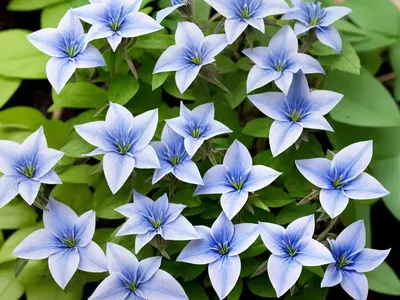
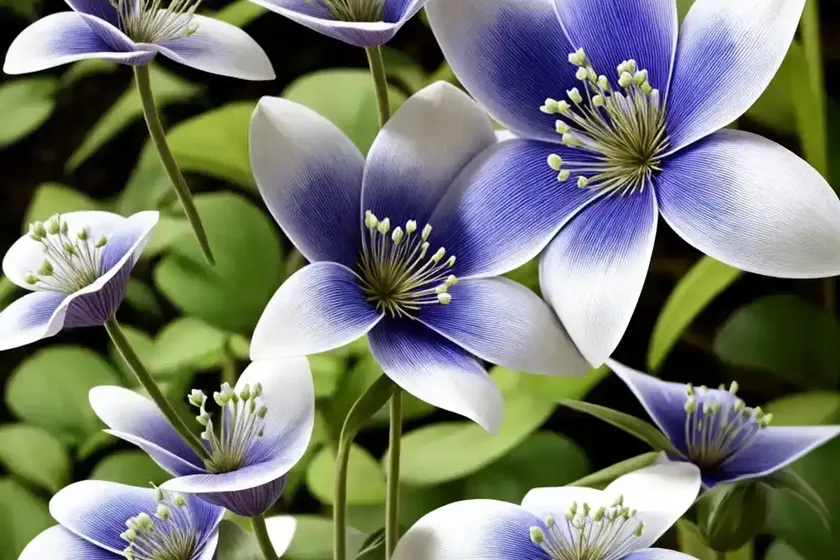
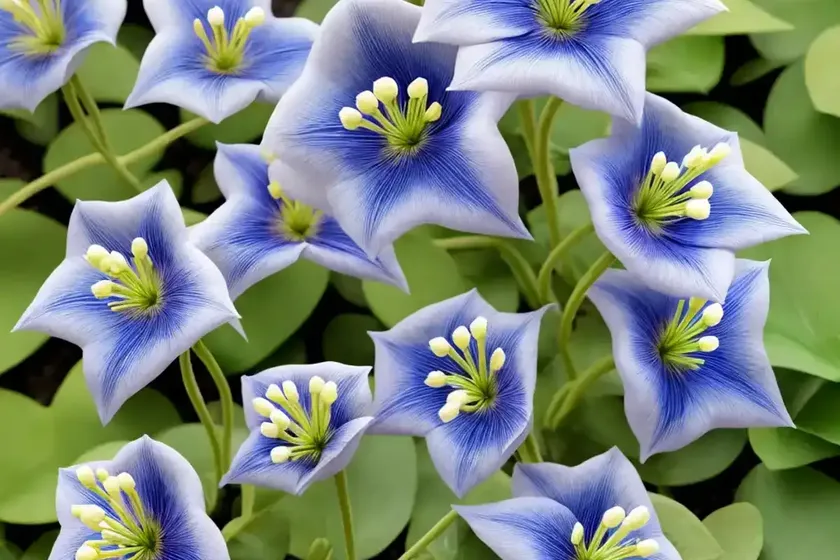
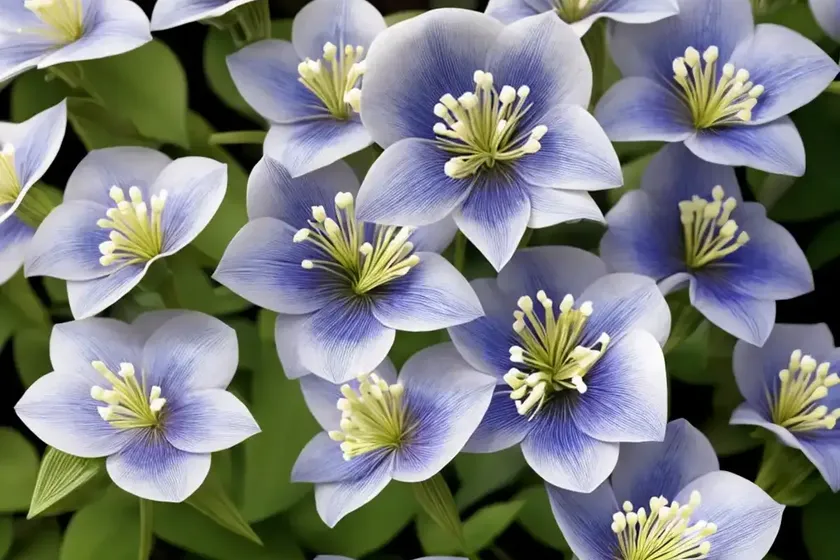
Platycodon grandiflorus, commonly known as balloon flower, is a herbaceous perennial that is renowned for its balloon-shaped flower buds which burst open to reveal star-shaped flowers. It is a low-maintenance plant that is well-suited for gardens, borders, and containers, contributing unique charm and color to outdoor spaces.
Key Takeaways – Platycodon grandiflorus:
- Scientific Name: Platycodon grandiflorus
- Common Name: Balloon flower
- Family: Campanulaceae
- Native to: East Asia
- Hardiness Zone: 3-9
- Growth Habit: Herbaceous perennial
Culture
Uses
Platycodon grandiflorus is cherished for its ornamental value, often used in gardens, landscapes, and as a cut flower. In traditional medicine, its roots have been used for their potential medicinal properties.
Water
- Requirement: Well-draining soil to avoid waterlogging
- Frequency: Regular watering, especially during periods of drought
- Caution: Avoid overwatering, as the plant is sensitive to waterlogged conditions
Sunlight
- Light: Prefers full sun to partial shade
- Optimal Conditions: 6-8 hours of sunlight daily
- Shading: Protection from intense midday sun in hotter regions
Fertilizer
- Type: Balanced, all-purpose fertilizer
- Application: Once a month during the growing season
- Caution: Avoid excessive application, which can lead to lush foliage at the expense of flowering
Soil
- Ideal Type: Well-draining, loamy soil
- pH Level: Slightly acidic to neutral (pH 6.1-7.5)
- Amendments: Organic matter can improve soil structure and moisture retention
Pruning
- Timing: Late winter to early spring or after flowering
- Purpose: Encourages bushier growth and prolongs blooming
- Technique: Trim back stems to the base or to a pair of healthy buds
Propagation
- Methods: Seeds, division, or stem cuttings
- Seed Starting: Sow seeds in spring or fall
- Division: Divide mature plants in early spring
- Cuttings: Take softwood or semi-hardwood cuttings in summer
Container Popularity
Platycodon grandiflorus is well-suited for container gardening, thriving in appropriately sized pots with well-draining soil. Its compact size and charming appearance make it a popular choice for balcony gardens and small urban spaces.
Common Diseases
Platycodon grandiflorus is relatively resistant to diseases but may occasionally face issues such as:
- Root Rot: Caused by waterlogged soil
- Powdery Mildew: Fungal infection due to poor air circulation
- Leaf Spot: Fungal or bacterial infection leading to browning or spotting of leaves
Disease Diagnosis
Regular inspection for signs including wilting, discoloration, or unusual growth can help identify potential diseases. Additionally, maintaining optimal growing conditions can prevent disease occurrences.
Common Pests
While generally resistant to pests, Platycodon grandiflorus can be susceptible to:
- Aphids: Small, sap-sucking insects
- Slugs and Snails: Feed on foliage and flowers
- Spider Mites: Common in dry and warm conditions
- Observe local climatic conditions and amend care accordingly.
- Practice regular deadheading to encourage continuous flowering.
- Mulching can aid in moisture retention and weed control.
Fun Facts
- The name “Platycodon” is derived from the Greek words “platys” and “kodon,” meaning “broad bell” in reference to the flower shape.
- In traditional Chinese medicine, Platycodon grandiflorus root, known as Jie Geng, has been used for various health benefits.
- The balloon-like buds of the plant often pop open when gently squeezed, adding a touch of whimsy to the garden.
Links to External Resources
For further information on Platycodon grandiflorus care, varieties, and more, explore the following resources:
- American Society for the Prevention of Cruelty to Plants (ASPCP)
- Royal Horticultural Society (RHS)
- University Cooperative Extension Services
- North American Plant Society (NAPS)
Platycodon grandiflorus, with its enchanting flowers and ease of care, has carved a niche for itself in the vast landscape of ornamental plants. Its significance in horticulture, traditional medicine, and folklore makes it a plant of multifaceted appeal, enriching gardens and captivating enthusiasts across the globe. Whether admired for its aesthetic allure or valued for its potential health benefits, the balloon flower continues to flourish, adding a touch of elegance and wonder to the world of plants.