Platycodon Grandiflorus ‘Double Blue’ (Balloon Flower)
Platycodon grandiflorus ‘Double Blue’, commonly known as Balloon Flower, is a stunning and versatile plant that can enhance any garden or landscape with.
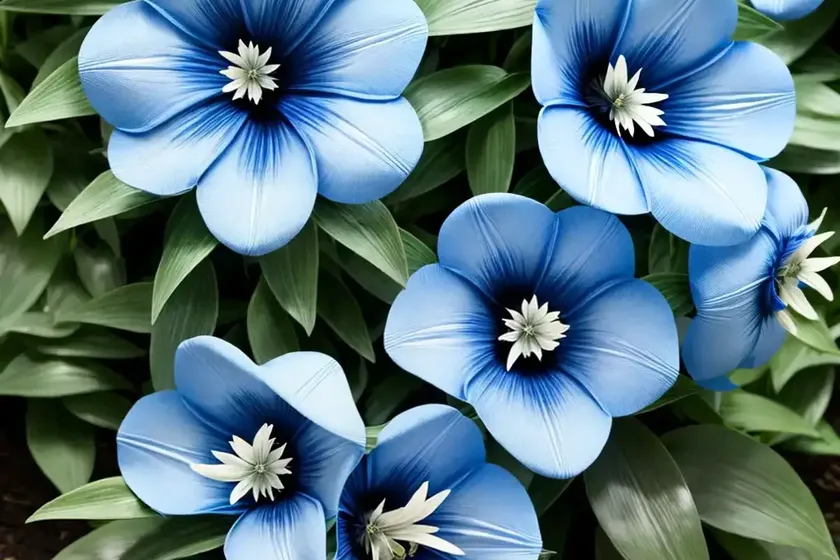
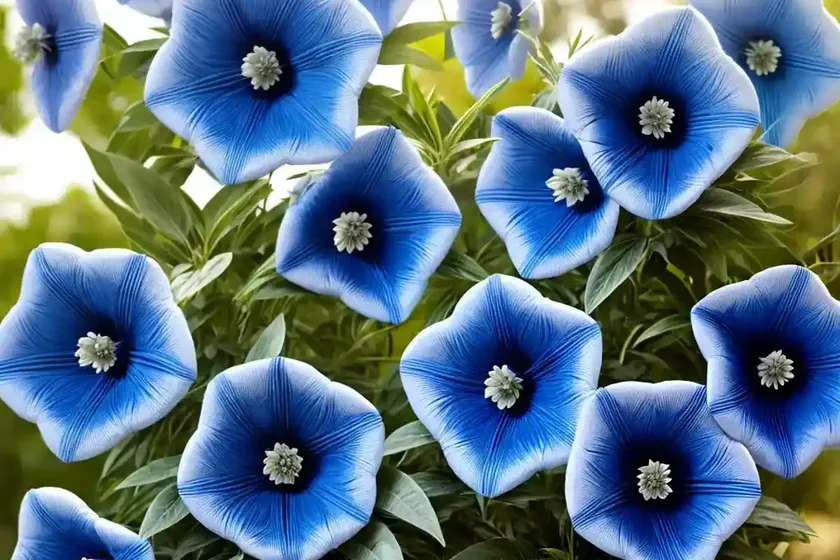
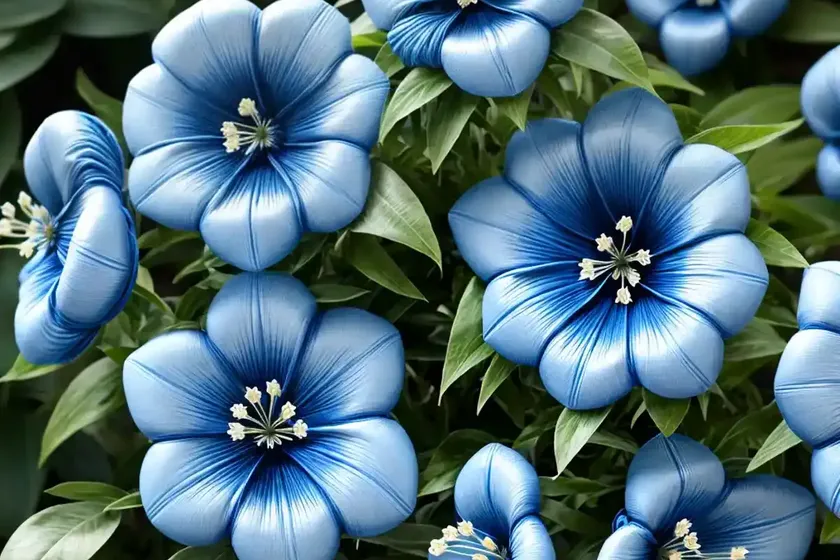
Platycodon grandiflorus ‘Double Blue’, commonly known as Balloon Flower, is a stunning and versatile plant that can enhance any garden or landscape with its unique blue flowers and low-maintenance nature. In this detailed guide, we will explore the various aspects of Platycodon grandiflorus ‘Double Blue’, from its cultural requirements and uses to its common pests and diseases, along with botanist’s tips and fun facts.
What is Platycodon grandiflorus ‘Double Blue’ (Balloon Flower)?
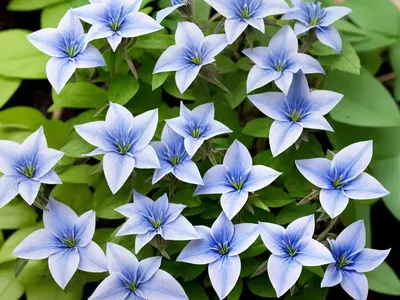
Platycodon grandiflorus ‘Double Blue’, a member of the Campanulaceae family, is a herbaceous perennial native to East Asia, including China, Korea, Japan, and Siberia. The common name “Balloon Flower” is derived from the unique balloon-shaped buds of the flower, which slowly swell before bursting open into star-shaped blooms. The species name “grandiflorus” translates to “large flower,” highlighting the plant’s impressive floral display.
Key Takeaways – Platycodon grandiflorus ‘Double Blue’
Before delving into the specifics of Platycodon grandiflorus ‘Double Blue’, let’s summarize some key takeaways about this captivating plant:
- Plant Name: Platycodon grandiflorus ‘Double Blue’ (Balloon Flower)
- Other Names: Platycodon double blue, Balloon flower double blue, Double blue balloon flower
- Botanical Family: Campanulaceae
- Native Habitat: East Asia (China, Korea, Japan, Siberia)
- Features: Balloon-shaped buds, star-shaped blue flowers
- Uses: Ornamental, medicinal
Now, let’s explore the cultural requirements, common uses, and maintenance tips for Platycodon grandiflorus ‘Double Blue’ in greater detail.
Culture
Understanding the specific cultural requirements of Platycodon grandiflorus ‘Double Blue’ is essential for successfully cultivating and enjoying this enchanting plant. Cultivation involves knowledge of the plant’s water, sunlight, fertilizer, soil, pruning, and propagation needs. Let’s delve into each of these aspects to gain a comprehensive understanding of the plant’s cultural requirements.
Uses
Platycodon grandiflorus ‘Double Blue’ serves a variety of purposes in gardens and landscapes, with its unique features and versatility making it a popular choice among gardeners and landscapers. The common uses of this plant include:
-
Ornamental Purposes: The stunning blue flowers and compact growth habit of Platycodon grandiflorus ‘Double Blue’ make it an excellent choice for ornamental planting in gardens, borders, and containers.
-
Medicinal Uses: In traditional medicine, certain parts of the Balloon Flower plant have been used to prepare herbal remedies, with purported benefits for respiratory and digestive health.
Water
Platycodon grandiflorus ‘Double Blue’ generally prefers consistently moist, well-draining soil. While it can tolerate short periods of drought once established, regular watering is essential, especially during prolonged dry spells.
The following are key points to consider regarding watering practices for Platycodon grandiflorus ‘Double Blue’:
-
Regular Watering: Provide regular, moderate watering, particularly during the plant’s active growth periods in spring and summer. The soil should be kept consistently moist but not waterlogged.
-
Mulching: Applying a layer of organic mulch around the plant can help retain soil moisture, reduce weed competition, and provide insulation to the root system.
-
Avoid Overwatering: While Platycodon grandiflorus ‘Double Blue’ requires consistent moisture, it is important to avoid overwatering, as excessively wet conditions can lead to root rot and other issues.
Sunlight
Platycodon grandiflorus ‘Double Blue’ thrives in full sun to part shade, displaying the best floral display and overall growth with ample sunlight. Understanding the sunlight preferences of the plant is crucial for selecting an ideal planting location and ensuring optimal growth and blooming.
Consider the following sunlight-related points when growing Platycodon grandiflorus ‘Double Blue’:
-
Sun Exposure: Provide the plant with at least 6 hours of direct sunlight per day for robust growth and abundant flowering. However, it can also tolerate partial shade, especially in regions with intense afternoon sun.
-
Morning Sun: In warmer climates, positioning the plant where it receives morning sun and partial shade in the afternoon can help prevent excessive heat stress.
-
Adjustment Period: When transplanting or relocating the plant, it is important to allow it to acclimate gradually to its new sun exposure to minimize stress.
Fertilizer
Appropriate fertilization can promote healthy growth and flowering in Platycodon grandiflorus ‘Double Blue’. The plant’s fertilizer needs are relatively moderate, and a balanced approach is recommended to avoid overfeeding or nutrient imbalances.
Consider the following fertilization guidelines for Platycodon grandiflorus ‘Double Blue’:
-
Slow-Release Fertilizer: Apply a balanced, slow-release fertilizer in the spring as new growth begins, following the product’s recommended application rates.
-
Organic Amendments: Working organic matter, such as compost or well-rotted manure, into the soil around the plant in spring can provide a natural source of nutrients and improve soil structure.
-
Avoid Excessive Nitrogen: Although some nitrogen is beneficial for foliage and overall growth, excessive nitrogen can lead to lush foliage at the expense of flowering, so it is crucial to maintain a balanced fertilization approach.
Soil
Platycodon grandiflorus ‘Double Blue’ thrives in well-draining, fertile soil with a slightly acidic to neutral pH. Understanding the soil preferences of the plant is pivotal in creating an optimal growing environment for healthy and vigorous growth.
The following considerations are important for selecting and preparing soil for Platycodon grandiflorus ‘Double Blue’:
-
Drainage: Ensure that the planting site has good drainage to prevent waterlogging, as overly wet soil can lead to root rot and other issues.
-
Soil Amendment: Amending heavy or compacted soils with organic matter, such as compost or peat moss, can improve drainage and fertility, fostering better growing conditions for the plant.
-
Soil pH: The ideal soil pH for Platycodon grandiflorus ‘Double Blue’ is in the range of 6.0 to 7.0, which supports nutrient uptake and overall plant health.
Pruning
Pruning plays a crucial role in maintaining the appearance and health of Platycodon grandiflorus ‘Double Blue’. With proper pruning practices, the plant can be kept tidy, encouraged to produce more blooms, and rejuvenated as needed.
Key points to consider when pruning Platycodon grandiflorus ‘Double Blue’ include:
-
Deadheading Blooms: Regularly removing spent flowers can encourage continuous blooming and prevent seed formation, redirecting the plant’s energy into producing new buds.
-
Cutting Back: In late summer or early fall, cutting back the stems of Platycodon grandiflorus ‘Double Blue’ to a few inches above the soil line can promote a tidy appearance and stimulate new growth for the following season.
Propagation
Propagating Platycodon grandiflorus ‘Double Blue’ allows for the expansion of its presence in the garden or landscape. Understanding the different propagation methods and the optimal timing for each approach is essential for successful propagation.
Common methods for propagating Platycodon grandiflorus ‘Double Blue’ include:
-
Division: Dividing mature clumps of the plant in early spring allows for the creation of new plants, with each division containing several vigorous shoots and a portion of the root system.
-
Seed Propagation: Sowing seeds in early spring, either indoors or directly in the garden, can yield new plants. However, it is important to note that seed-grown Balloon Flowers may not exhibit true characteristics of the parent plant, as they may display natural genetic variation.
Container Popularity
Platycodon grandiflorus ‘Double Blue’ is well-suited for container cultivation, making it a popular choice for small gardens, balconies, and patios. Its compact growth habit and striking flowers can enhance the visual appeal of containers and provide opportunities for creative arrangements and displays.
Container Common Diseases
Growing Platycodon grandiflorus ‘Double Blue’ in containers can present unique challenges related to disease management. It is important to be aware of common diseases that may affect the plant in a containerized environment and take proactive measures to prevent or address these issues.
Common diseases that can affect Platycodon grandiflorus ‘Double Blue’ in containers include:
-
Root Rot: Overwatering and poor drainage can create conditions conducive to root rot, a fungal disease that can lead to wilting, yellowing foliage, and overall decline in the plant’s health.
-
Powdery Mildew: In humid or poorly ventilated conditions, powdery mildew may develop on the plant’s foliage, resulting in a white powdery coating and potential distortion of leaves.
Understanding the specific needs and considerations for growing Platycodon grandiflorus ‘Double Blue’ in containers is crucial for maximizing its visual impact and overall health in a contained environment.
Disease diagnosis
Diagnosing and addressing diseases that affect Platycodon grandiflorus ‘Double Blue’ is essential for maintaining the plant’s health and vitality. Timely identification of disease symptoms and appropriate intervention measures can help mitigate the impact of diseases on the plant.
Common diagnostic considerations for disease identification in Platycodon grandiflorus ‘Double Blue’ include:
-
Visual Symptoms: Pay attention to visual cues such as leaf spots, discoloration, wilting, and abnormal growth patterns, which can indicate the presence of a disease or other health issue.
-
Environmental Conditions: Assess environmental factors such as moisture levels, temperature, and airflow, as these can influence the development and spread of diseases.
-
Professional Consultation: If unsure about the nature of a plant’s disease, seeking guidance from a professional horticulturist or plant pathologist can aid in accurate diagnosis and treatment.
Common Pests
Platycodon grandiflorus ‘Double Blue’ is generally resistant to most pest issues, but certain pests may occasionally target the plant, necessitating vigilant monitoring and intervention as needed.
Common pests that may affect Platycodon grandiflorus ‘Double Blue’ include:
-
Aphids: These small, sap-sucking insects can colonize the plant, leading to distorted growth and the development of a sticky substance known as honeydew.
-
Snails and Slugs: These mollusks are known to feed on the tender foliage of Balloon Flowers, leaving behind ragged edges and holes in the leaves.
Vigilance and prompt action against potential pest infestations can help safeguard the health and appearance of Platycodon grandiflorus ‘Double Blue’.
Botanist’s Tips
As a plant scientist, I recommend the following tips for successful cultivation and enjoyment of Platycodon grandiflorus ‘Double Blue’:
-
Mild Pruning: When pruning this plant, especially for deadheading, use a gentle touch to avoid damaging the delicate stems and buds.
-
Supportive Structures: Providing support, such as small stakes or rings, can help keep the stems upright and prevent bending or leaning, especially in exposed or windy locations.
-
Mulching: Apply a layer of mulch around the plant to conserve soil moisture, regulate temperature, and deter weed growth.
-
Regular Inspection: Periodically inspect the plant for signs of disease, pest activity, or nutrient deficiencies, intervening as necessary to maintain its health.
-
Overwintering Care: Mulching around the base of the plant in late fall can provide insulation and protection during the winter months.
Fun Facts
Platycodon grandiflorus ‘Double Blue’ is not only a beautiful and resilient plant but also boasts some interesting and unique characteristics:
-
Ethnobotanical Significance: In traditional Korean and Chinese herbal medicine, certain parts of the Balloon Flower plant have been used for their purported medicinal properties, particularly in addressing respiratory ailments.
-
Cultural Symbolism: In South Korea, Platycodon grandiflorus is considered a symbol of passionate love, making it a popular choice for floral displays in romantic contexts.
-
Edible Buds: The closed flower buds of Platycodon grandiflorus can be consumed and are commonly used in various culinary preparations, particularly in East Asian cuisine.
Links to External Resources
For further exploration and in-depth information on Platycodon grandiflorus ‘Double Blue’ and related topics, I recommend the following external resources:
Conclusion
In conclusion, Platycodon grandiflorus ‘Double Blue’, or Balloon Flower, is a captivating and versatile plant with a rich cultural history, ornamental value, and potential medicinal uses. By understanding its specific cultural requirements, including water, sunlight, fertilizer, soil, pruning, and propagation needs, gardeners and enthusiasts can successfully cultivate and enjoy this delightful plant. Additionally, being mindful of common pests and diseases, while incorporating botanist’s tips and fun facts, can further enrich the experience of growing and appreciating Platycodon grandiflorus ‘Double Blue’ in gardens and landscapes.
Remember, the unique balloon-like buds and enchanting blue flowers of Platycodon grandiflorus ‘Double Blue’ can bring a touch of elegance and charm to any garden, making it a valuable addition to diverse horticultural settings. Whether admired for its ornamental beauty, cultural significance, or potential health benefits, this resilient and alluring plant continues to captivate the hearts and gardens of plant enthusiasts around the world.