Platycodon Grandiflorus (Balloon Flower)
Platycodon grandiflorus, commonly known as the Balloon Flower, is a herbaceous perennial plant belonging to the Campanulaceae family. This beautiful plant.
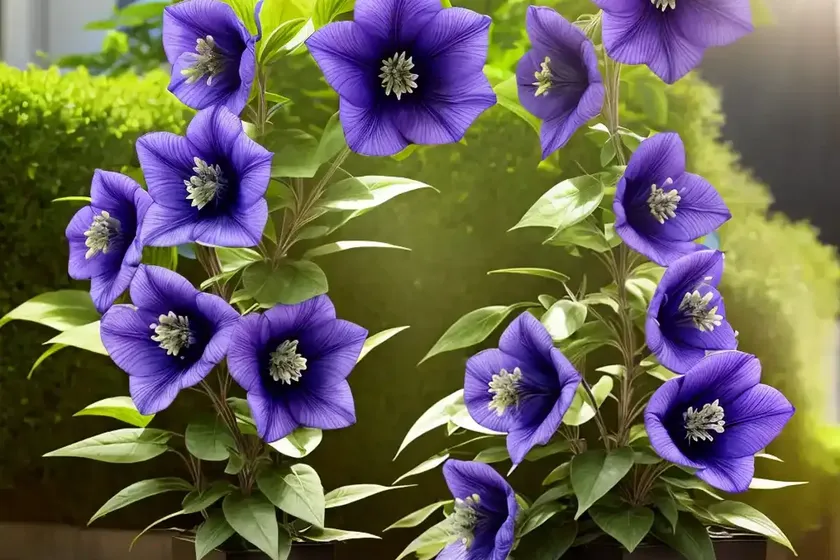
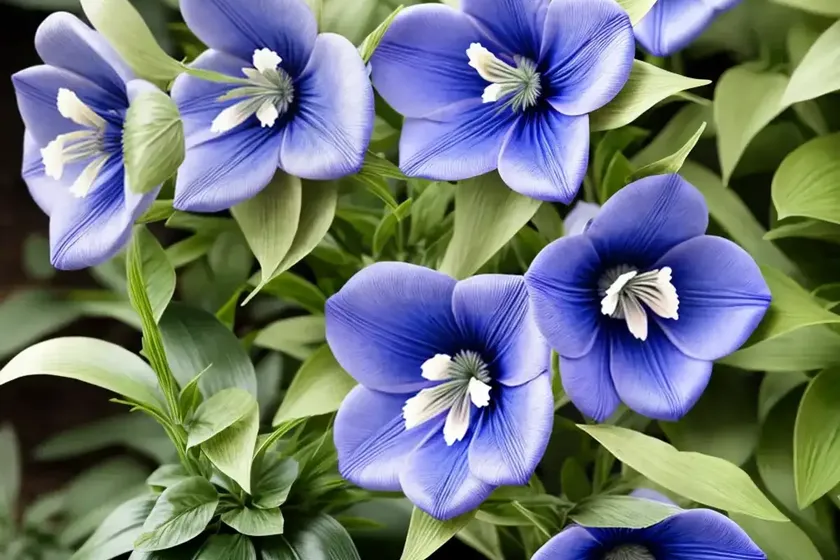
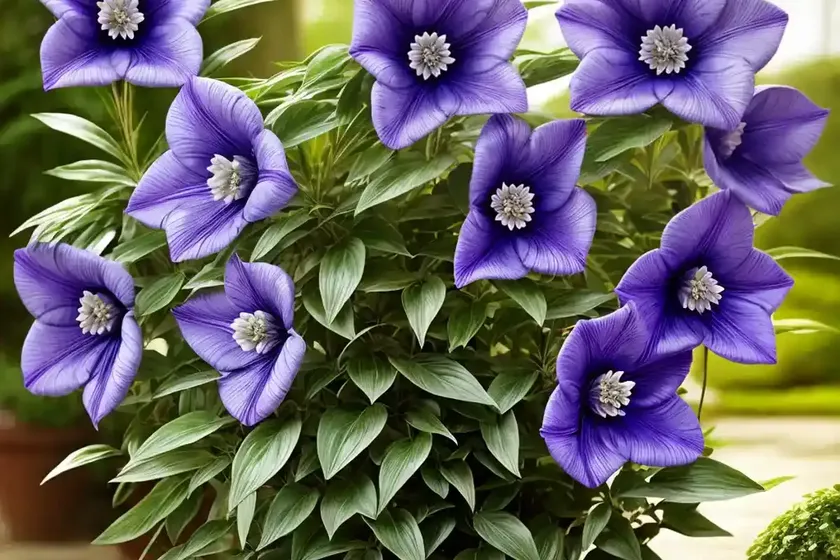
Platycodon grandiflorus, commonly known as the Balloon Flower, is a herbaceous perennial plant belonging to the Campanulaceae family. This beautiful plant is native to East Asia and is popular for its unique balloon-like flower buds that pop open to reveal star-shaped blooms in various colors. If you’re looking to add a charming and low-maintenance plant to your garden, the Platycodon grandiflorus is an excellent choice.
In this comprehensive care guide, we will delve into various aspects of Platycodon grandiflorus, including its culture, uses, ideal growing conditions, propagation methods, common diseases, and much more. By the end of this guide, you’ll have a thorough understanding of how to cultivate and care for this captivating plant.
Let’s start by exploring the key characteristics of Platycodon grandiflorus and how you can incorporate it into your outdoor space.
What is Platycodon grandiflorus (Balloon Flower)?
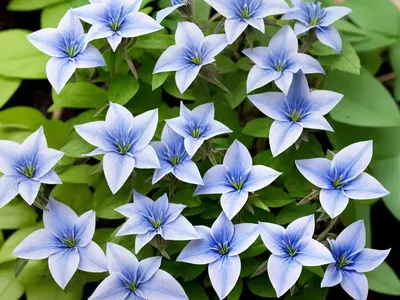
The Platycodon grandiflorus, or Balloon Flower, is a clump-forming perennial that typically reaches a height of 30 to 60 centimeters. It is recognized for its unique balloon-shaped flower buds, which swell up before blooming into delicate, star-shaped flowers. The flowers come in a range of colors, including blue, white, and pink, adding a delightful pop of color to any garden.
The Balloon Flower is a versatile plant that can be used in various settings, such as borders, rock gardens, and even containers. Its ability to thrive in both sunny and partially shaded areas makes it a popular choice for gardeners looking for a plant that can adapt to different light conditions.
Now that we have an overview of Platycodon grandiflorus, let’s dive into the specifics of caring for this enchanting plant.
Key Takeaways – Platycodon grandiflorus (Balloon Flower)
Before we delve into the care guide, let’s summarize the essential aspects of Platycodon grandiflorus care:
- Scientific Name: Platycodon grandiflorus
- Common Name: Balloon Flower
- Family: Campanulaceae
- Plant Type: Herbaceous Perennial
- Blooms: Summer to Early Fall
- Water Needs: Moderate
- Sunlight: Full Sun to Partial Shade
- Soil Type: Well-draining, Fertile
- Growth Rate: Moderate
- USDA Hardiness Zone: 3 – 8
- Uses: Borders, Rock Gardens, Containers
With these key takeaways in mind, let’s explore the specific care requirements for Platycodon grandiflorus.
Culture
Cultivating Platycodon grandiflorus involves understanding its preferred growing conditions, water and sunlight requirements, soil type, and suitable companion plants. By providing the right cultural environment, you can ensure the healthy growth and abundant blooming of this charming plant.
Uses
Platycodon grandiflorus serves various purposes in the garden and landscape. Its versatility makes it suitable for the following uses:
- Borders: The Balloon Flower’s compact size and attractive blooms make it an ideal choice for border plantings. When planted in groups, it creates a stunning display of color and texture.
- Rock Gardens: The plant’s ability to thrive in rocky, well-draining soil makes it a perfect addition to rock gardens. Its blooms add a touch of elegance to these rugged landscapes.
- Containers: Platycodon grandiflorus can be grown in containers, allowing gardeners with limited space to enjoy its beauty on patios, balconies, or even indoors.
- Cut Flowers: The long-lasting blooms of Platycodon grandiflorus make it an excellent choice for cut flower arrangements, bringing a fresh accent indoors.
- Pollinator Gardens: The nectar-rich flowers of the Balloon Flower attract pollinators such as bees and butterflies, making it a valuable addition to pollinator-friendly gardens.
Water
Platycodon grandiflorus thrives in moderate moisture conditions. While it does not tolerate waterlogged soil, it also does not do well in excessively dry conditions. Here are some essential tips for watering the Balloon Flower:
- Regular Watering: Provide consistent moisture to the plant, especially during the growing season and periods of drought.
- Avoid Overwatering: Ensure that the soil has good drainage to prevent waterlogging, which can lead to root rot and other issues.
- Mulching: Applying a layer of mulch around the base of the plant helps retain soil moisture and regulate the temperature, promoting optimal growth.
Sunlight
Balloon Flowers are adaptable when it comes to sunlight, thriving in various light conditions. Understanding their sunlight requirements is crucial for their overall health and blooming. Here’s how to manage sunlight for Platycodon grandiflorus:
- Full Sun to Partial Shade: Balloon Flowers prefer full sun for at least six hours a day but can also thrive in partially shaded areas. Ensure they receive adequate sunlight for healthy growth and abundant blooms.
- Morning Sun: If you’re planting Balloon Flowers in warmer climates, providing them with morning sun and afternoon shade can help prevent heat stress.
Soil
The right soil type is essential for the well-being of Platycodon grandiflorus. Here are some soil requirements and tips for optimal growth:
- Well-Draining Soil: Ensure the soil is well-draining to prevent waterlogging, as Balloon Flowers are susceptible to root rot in overly moist conditions.
- Fertile Soil: Amend the soil with organic matter such as compost or well-rotted manure to enhance its fertility and structure. This provides the necessary nutrients for robust growth and blooming.
- pH Level: Balloon Flowers thrive in slightly acidic to neutral soil with a pH range of 6.0 to 7.5. Conduct a soil test to determine the pH level and make any necessary adjustments.
Pruning
Pruning is an essential aspect of Platycodon grandiflorus care, helping to maintain its shape, promote new growth, and enhance blooming. Here are some key pointers for pruning the Balloon Flower:
- Deadheading: Removing spent blooms encourages the plant to produce new flowers, prolonging the blooming period.
- Trimming: Prune back the plant in late winter or early spring to remove dead or damaged growth and shape the plant for the upcoming growing season.
Propagation
Understanding the propagation methods for Platycodon grandiflorus allows you to expand your plant collection and share this delightful species with fellow gardeners. Here are the primary propagation techniques for the Balloon Flower:
- Division: Divide mature Balloon Flower clumps in early spring to create new plants. Ensure each division has sufficient roots and shoots for successful establishment.
- Seeds: Collect seeds from mature Balloon Flowers and sow them in well-prepared soil in the garden or containers. Keep the soil consistently moist until the seeds germinate and establish.
Container Popularity
Platycodon grandiflorus is a popular choice for container gardening due to its compact size and colorful blooms. Here are some key considerations for growing Balloon Flowers in containers:
- Container Selection: Choose a well-draining container with sufficient drainage holes to prevent waterlogging.
- Potting Mix: Use a high-quality, well-draining potting mix that provides adequate aeration and moisture retention.
- Watering: Containers may dry out more quickly than garden soil, so monitor the moisture levels and water as needed to keep the soil consistently moist but not waterlogged.
Now that we’ve covered the cultural aspects of Platycodon grandiflorus care, let’s explore the common diseases and pests that can affect this plant, along with strategies for prevention and management.
Common Diseases
While Platycodon grandiflorus is relatively resistant to diseases, it is essential to be vigilant and address any issues promptly to maintain the plant’s health and vitality. Here are some common diseases that can affect Balloon Flowers:
- Powdery Mildew: This fungal disease appears as a powdery white substance on the leaves and stems, leading to stunted growth and distorted foliage.
- Leaf Spot: Leaf spot diseases cause dark lesions on the foliage, potentially weakening the plant and reducing its ornamental value.
- Root Rot: Overly wet soil or poorly draining conditions can lead to root rot, causing the plant to wilt and decline.
Implementing good cultural practices, such as proper watering, adequate spacing between plants, and maintaining overall plant health, can help reduce the risk of these diseases.
Disease Diagnosis
Diagnosing diseases in Platycodon grandiflorus involves careful observation of the plant’s symptoms and understanding the environmental conditions that may contribute to disease development. Here are some diagnostic steps to identify potential diseases:
- Symptom Identification: Examine the leaves, stems, and overall appearance of the plant for any signs of discoloration, wilting, or unusual growth patterns.
- Environmental Factors: Consider the prevailing weather conditions, moisture levels, and any recent changes in the plant’s surroundings that may have triggered disease onset.
- Consultation: If you are unable to diagnose the issue accurately, seek professional advice from a local extension office, nursery, or horticulture expert to identify and address the problem effectively.
Common Pests
Various pests can pose a threat to Platycodon grandiflorus, potentially affecting its growth and blooming. Being aware of these pests and implementing appropriate control measures is crucial for maintaining a healthy plant. Here are some common pests that can infest Balloon Flowers:
- Aphids: These small, soft-bodied insects cluster on new growth, consuming plant sap and excreting honeydew, which can lead to sooty mold development.
- Slugs and Snails: These mollusks feed on the foliage of Balloon Flowers, leaving behind irregular holes and damage.
- Spider Mites: Spider mites are tiny arachnids that can cause stippling and discoloration on the leaves, impacting the plant’s overall vigor.
Implementing integrated pest management strategies, such as physical removal, natural predators, and targeted applications of insecticidal soaps or horticultural oils, can help mitigate pest infestations.
Now, let’s dive into some essential tips from botanists for successfully growing and caring for Platycodon grandiflorus.
Botanist’s Tips
Botanists and horticulture experts offer valuable insights for cultivating and maintaining Balloon Flowers. Here are some tips from botanists to help you achieve success with Platycodon grandiflorus:
- Supportive Soil: Provide well-draining, fertile soil with good structure and adequate nutrients to support healthy growth and blooming.
- Regular Monitoring: Keep a close eye on the plant for signs of disease, pest infestations, and overall health. Early detection enables prompt intervention.
- Mulching: Apply a layer of organic mulch around the base of the plant to conserve moisture, suppress weeds, and maintain a consistent soil temperature.
- Pruning Practices: Engage in regular deadheading and selective pruning to encourage continuous blooming and maintain the plant’s compact form.
- Watering Wisely: Avoid overwatering by monitoring soil moisture levels and adjusting watering frequency based on environmental conditions and plant needs.
By incorporating these expert tips into your care routine, you can enhance the health and vitality of Platycodon grandiflorus in your garden.
Fun Facts
Platycodon grandiflorus, the Balloon Flower, has several intriguing characteristics and historical uses that make it a fascinating addition to any garden. Let’s explore some fun facts about this captivating plant:
- Medicinal Uses: In traditional Chinese medicine, the roots of Platycodon grandiflorus are used to produce a herbal remedy known as “Jie Geng,” which is believed to have various medicinal properties.
- Culinary Delight: The young shoots and roots of Balloon Flowers are edible and are used in culinary preparations in East Asian cuisines, adding a unique flavor and texture to dishes.
- Symbolism: In Korean culture, Platycodon grandiflorus is known as “Doraji” and is a symbol of patience and strong will, reflecting its enduring qualities as a garden plant.
- Botanical Name Meaning: The genus name “Platycodon” is derived from the Greek words “platys” and “kodon,” which translate to “broad” and “bell,” referencing the shape of the flower.
- Longevity: With proper care, Platycodon grandiflorus can live for several years, providing a reliable source of beauty and charm in the garden.
These fun facts add depth to the allure of Platycodon grandiflorus, showcasing its cultural significance and botanical intrigue.
Now that we’ve explored the cultural, diagnostic, and fascinating aspects of Platycodon grandiflorus, let’s provide links to external resources for additional information and guidance on caring for this enchanting plant.
Links to External Resources
- Platycodon grandiflorus: A Comprehensive Guide – The Spruce
- Growing Balloon Flowers in Your Garden – Gardener’s Path
- Balloon Flower (Platycodon) – University of Illinois Extension
- Platycodon grandiflorus: Balloon Flower – Missouri Botanical Garden
- Growing Balloon Flowers in Containers – FineGardening
These resources provide valuable information, expert tips, and additional insights into cultivating and caring for Platycodon grandiflorus, offering a comprehensive understanding of this captivating plant.
In conclusion, Platycodon grandiflorus, the Balloon Flower, is a delightful addition to any garden, offering a blend of beauty, resilience, and cultural significance. By understanding its cultural requirements, propagation techniques, and management of diseases and pests, you can cultivate healthy, flourishing Balloon Flowers that bring joy and elegance to your outdoor space. Whether you’re a seasoned gardener or a novice plant enthusiast, the charm and versatility of Platycodon grandiflorus make it a must-have for any garden or landscape setting.
Remember to cultivate patience, observe the unique beauty of the swelling flower buds, and celebrate the enduring nature of Platycodon grandiflorus as it graces your garden with its enchanting presence.
Happy gardening!