Pinwheel Jasmine (Tabernaemontana Divaricata)
Pinwheel Jasmine, scientifically known as Tabernaemontana divaricata, is a popular evergreen shrub that is beloved for its attractive, star-shaped.
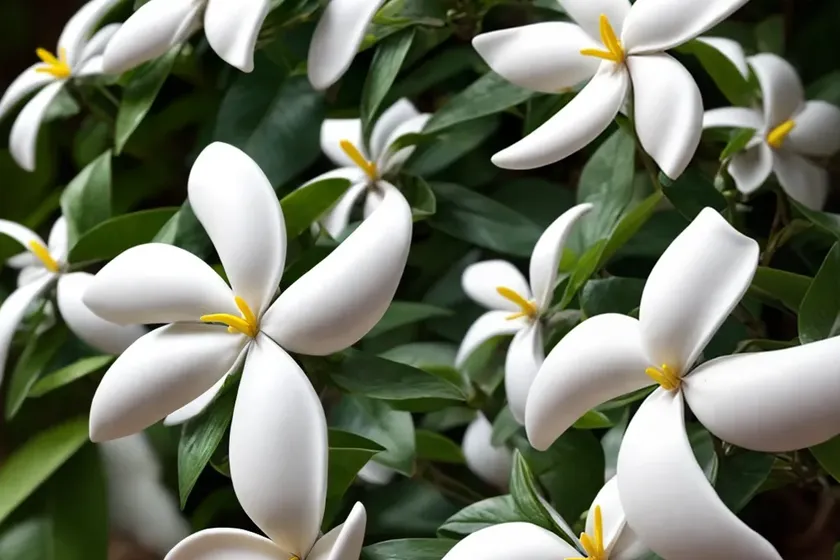
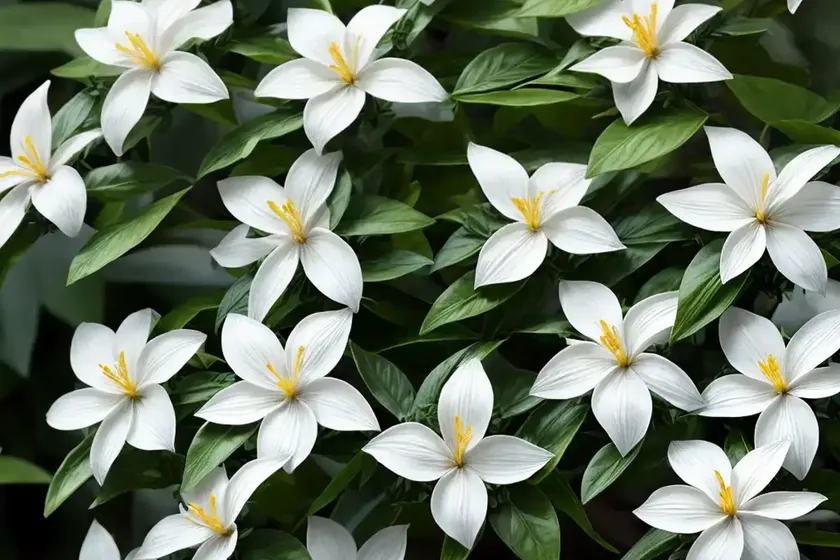
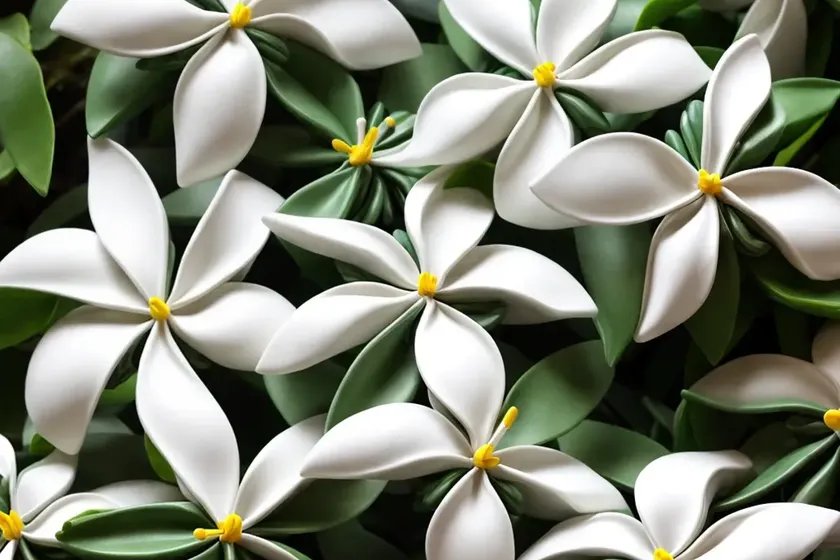
Pinwheel Jasmine, scientifically known as Tabernaemontana divaricata, is a popular evergreen shrub that is beloved for its attractive, star-shaped, pinwheel-like flowers. The plant belongs to the family Apocynaceae and is native to India and Indonesia. Tabernaemontana divaricata is commonly cultivated in tropical and subtropical regions and is known by several common names, including Crepe Jasmine, East Indian Rosebay, and Pinwheel Flower.
In this comprehensive guide, we will explore the key aspects of Pinwheel Jasmine, including its culture, uses, care requirements, propagation techniques, common diseases and pests, and interesting facts. Whether you are a beginner gardener or an enthusiast looking to expand your plant collection, the insights shared here will help you cultivate and care for Tabernaemontana divaricata successfully.
Key Takeaways – Pinwheel Jasmine (Tabernaemontana divaricata)
- Scientific Name: Tabernaemontana divaricata
- Family: Apocynaceae
- Common Names: Crepe Jasmine, East Indian Rosebay, Pinwheel Flower
- Native to: India and Indonesia
- Growth Habits: Evergreen shrub
- Flower Description: Star-shaped, pinwheel-like flowers
- Cultivation Zones: Suitable for tropical and subtropical regions
Let’s delve deeper into the various aspects of Pinwheel Jasmine, from its culture and uses to propagation methods and common pests and diseases.
What is Plant: Pinwheel Jasmine (Tabernaemontana divaricata)
Pinwheel Jasmine (Tabernaemontana divaricata) is a compact, evergreen shrub that typically reaches a height of 4 to 6 feet. It is characterized by its glossy, dark green leaves and fragrant, white flowers. The flowers of Tabernaemontana divaricata are star-shaped, resembling pinwheels, and emit a delightful fragrance, making the plant a popular choice for gardens, landscapes, and indoor spaces.
The leaves of Pinwheel Jasmine are arranged opposite each other along the stems, adding to the plant’s attractive appearance. When in bloom, the shrub becomes adorned with clusters of delicate, pinwheel-like flowers that exude a sweet, lingering scent, attracting pollinators such as butterflies and bees.
Culture
Uses
Pinwheel Jasmine (Tabernaemontana divaricata) is valued for its ornamental and aromatic qualities, making it a versatile addition to various settings. Here are some common uses of Tabernaemontana divaricata:
-
Gardens and Landscapes: The attractive foliage and fragrant flowers of Pinwheel Jasmine make it a prized ornamental plant for gardens, where it can be grown as a standalone specimen, hedge, or border plant. It adds elegance and charm to outdoor spaces with its year-round greenery and periodic bloom cycles.
-
Indoor Décor: Due to its compact size and appealing fragrance, Pinwheel Jasmine is often cultivated as an indoor potted plant. It brings a touch of nature indoors and provides a refreshing scent, especially when placed in living areas, offices, or lobbies.
-
Aromatic Essence: The flowers of Tabernaemontana divaricata are sometimes used to produce essential oils for perfumery. The sweet fragrance of the blooms lends itself well to creating scented products and aromatic blends.
Water
Watering Tips for Pinwheel Jasmine:
– Established Plants: Water deeply when the top inch of the soil feels dry to the touch. Ensure proper drainage to prevent waterlogging, especially in container-grown specimens.
– Young Plants: Provide regular, consistent moisture to newly planted Pinwheel Jasmine to support healthy root establishment. Avoid waterlogged conditions, as this can lead to root rot.
Sunlight
Sunlight Preferences for Pinwheel Jasmine:
– Light Conditions: Pinwheel Jasmine thrives in bright, indirect light, making it suitable for partially shaded to lightly shaded locations. Protect the plant from intense midday sun, especially in hotter climates.
Fertilizer
Fertilizer Requirements for Pinwheel Jasmine:
– Nutrient Needs: Feed Tabernaemontana divaricata with a balanced, water-soluble fertilizer designed for flowering plants. Apply the fertilizer according to the manufacturer’s recommendations during the growing season to support healthy growth and prolific flowering.
Soil
Soil Preferences for Pinwheel Jasmine:
– Well-Draining Medium: Plant Pinwheel Jasmine in well-draining, slightly acidic to neutral soil with a pH range of 6.0 to 7.0. Consider incorporating organic matter such as compost or peat moss to improve soil structure and fertility.
Pruning
Pruning Techniques for Pinwheel Jasmine:
– Maintenance Pruning: Regularly remove dead or spent flowers to promote continuous blooming and maintain the plant’s appearance. Additionally, prune any damaged or overgrown branches to enhance air circulation and overall plant health.
Propagation
Propagation Methods for Pinwheel Jasmine:
– Semi-Hardwood Cuttings: Propagate Tabernaemontana divaricata from semi-hardwood cuttings taken during the growing season. Use a rooting hormone to encourage successful root formation and provide the cuttings with a warm, humid environment until they establish roots.
Container Popularity
Container Gardening with Pinwheel Jasmine:
– Suitable Containers: Choose a well-draining container with ample drainage holes when planting Pinwheel Jasmine indoors or on patios. Ensure the container is large enough to accommodate the plant’s root system and provides space for growth.
Container Common Diseases
Disease Risks in Container-Grown Pinwheel Jasmine:
– Root Rot: Overly wet or poorly drained growing medium in containers can predispose Pinwheel Jasmine to root rot, a fungal disease that affects the plant’s root system. To mitigate this risk, use well-draining soil and allow excess water to escape freely from the container.
Disease Diagnosis
Identifying and Managing Plant Diseases:
– Visual Symptoms: Keep an eye out for signs of disease, such as wilting, yellowing leaves, unusual spots or lesions, and stunted growth. Promptly address any suspected disease issues by adjusting cultural practices, applying appropriate treatments, or seeking professional assistance.
Common Pests
Pest Management for Pinwheel Jasmine:
– Aphids: Monitor the plant for pest activity, particularly aphids, which may gather on the tender new growth or the undersides of leaves. Use insecticidal soap or neem oil to manage aphid infestations while minimizing harm to beneficial insects.
Botanist’s Tips
Ideal Growing Conditions for Pinwheel Jasmine
- Temperature Range: Provide a warm, subtropical to tropical climate for Pinwheel Jasmine, with average temperatures ranging from 65°F to 85°F. Protect the plant from temperatures below 50°F, as it is sensitive to frost.
Flowering Patterns
- Flowering Season: Tabernaemontana divaricata typically blooms in cycles throughout the warmer months in its preferred growing zones. Enjoy the fragrant and visually appealing flowers that adorn the plant during its flowering periods.
Watering Tips
- Avoid Waterlogged Conditions: Prevent waterlogging by ensuring proper drainage in the planting area or container. Soggy soil can lead to root issues and compromise the plant’s overall health.
Pollination Process
- Attracting Pollinators: The aromatic flowers of Pinwheel Jasmine entice pollinators such as butterflies and bees, supporting ecological diversity in outdoor spaces. Encourage the presence of these beneficial insects to aid in the pollination process.
Fun Facts
- The flowers of Tabernaemontana divaricata are often used in traditional ceremonies and religious rituals in some regions due to their symbolic and aromatic qualities.
Now that we have explored the culture, uses, care requirements, and other aspects of Pinwheel Jasmine, let’s turn our attention to some resources that provide further insights into cultivating and enjoying this exquisite plant.
Links to External Resources
- American Society for Horticultural Science
- Royal Horticultural Society
- Missouri Botanical Garden
- Gardening Know How
- University of Florida IFAS Extension
These reputable organizations and websites offer a wealth of information on plant care, gardening practices, and horticultural research, which can further enrich your knowledge and skills in cultivating Pinwheel Jasmine and other plant varieties.
In conclusion, Pinwheel Jasmine (Tabernaemontana divaricata) is an enchanting plant that captivates with its elegant appearance, delightful fragrance, and versatile uses. By understanding and implementing the recommended culture and care practices, you can savor the beauty of this evergreen shrub in your outdoor garden or indoor spaces while contributing to the preservation of horticultural heritage.
Remember to observe the specific environmental conditions and individual characteristics of your growing area to provide the most suitable care for Pinwheel Jasmine, ensuring its vitality and visual appeal throughout the seasons.
Whether you are drawn to the aromatic allure of the blooms or the lush green foliage of Tabernaemontana divaricata, the journey of cultivating and nurturing this captivating plant is filled with discovery and gratification.
Happy gardening, and may your landscape bloom with the timeless elegance of Pinwheel Jasmine!
References:
American Society for Horticultural Science. (n.d.). https://ashs.org/
Royal Horticultural Society. (n.d.). https://www.rhs.org.uk/
Missouri Botanical Garden. (n.d.). https://www.missouribotanicalgarden.org/
Gardening Know How. (n.d.). https://www.gardeningknowhow.com/
University of Florida IFAS Extension. (n.d.). https://sfyl.ifas.ufl.edu/