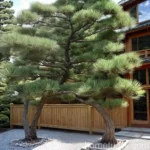
Pinus sylvestris (Scotch Pine): A Comprehensive Guide
Pinus sylvestris, commonly known as the Scotch Pine or Scots Pine, is a majestic and versatile species of pine tree that has been cherished for centuries. Its adaptability, resilience, and aesthetic characteristics have made it a favorite among homeowners, landscapers, and forestry professionals. In this guide, we will explore the various aspects of Pinus sylvestris, including its culture, uses, care tips, common diseases, and much more. So, whether you’re a seasoned plant enthusiast or just starting your journey in the world of horticulture, sit back and immerse yourself in the enchanting world of Pinus sylvestris.
What is Pinus sylvestris (Scotch Pine)?
Pinus sylvestris, belonging to the Pinaceae family, is a species of pine tree native to Eurasia. It is widely distributed across Europe, Asia, and even into the Arctic Circle, showcasing its remarkable adaptability to diverse environmental conditions. The Scotch Pine is known for its straight trunk, deeply fissured orange-brown bark, and distinctively long needles that are arranged in pairs. It’s a relatively fast-growing tree, capable of reaching heights of 35 to 50 meters in its natural habitat, with a pyramidal or irregular crown.
Key Takeaways – Pinus sylvestris (Scotch Pine)
Before delving deeper into the specifics of Pinus sylvestris, let’s highlight some key takeaways to pique your interest:
- Scotch Pine is a resilient and adaptable pine tree species, capable of thriving in various environmental conditions.
- It is prized for its ornamental value, commercial uses, and ecological benefits, making it a versatile addition to landscapes and forestry plantations.
- Proper care and maintenance, including watering, sunlight exposure, soil conditions, and disease management, are crucial for ensuring the health and vitality of Pinus sylvestris.
- Understanding its cultural significance, uses, common diseases, and pests will provide valuable insights into the holistic management of Scotch Pine.
Now that we have an overview of Pinus sylvestris, let’s embark on a comprehensive journey to explore its culture, uses, care requirements, and other intriguing facets.
Culture
Understanding the cultural requirements of Pinus sylvestris is essential for creating an environment where it can thrive and flourish. From its water needs to soil preferences, let’s delve into the cultural aspects of this remarkable pine tree.
Water
Scotch Pine Watering Needs:
- Pinus sylvestris exhibits a moderate tolerance to drought once established, making it suitable for regions with less predictable rainfall.
- While young trees require regular watering during the establishment phase, mature Scotch Pines generally thrive in well-drained soils and can withstand dry periods.
Watering Recommendations:
- Water newly planted or young Scotch Pine trees deeply once a week during dry spells, ensuring that the soil is moist but not waterlogged.
- Consider providing supplemental irrigation during prolonged periods of drought to support healthy growth and reduce stress on the tree.
Sunlight
Light Requirements for Scotch Pine:
- Pinus sylvestris thrives in full sun to partial shade, preferably receiving at least 6 hours of direct sunlight daily for optimal growth and development.
- Adequate sunlight exposure contributes to the tree’s dense foliage, vibrant green needles, and overall resilience.
Sunlight Considerations:
- When selecting a planting site for Scotch Pine, prioritize locations with ample sunlight exposure, especially in cooler climates where sunlight plays a crucial role in the tree’s vitality.
Soil
Preferred Soil Conditions:
- Pinus sylvestris prefers well-drained soil with a slightly acidic to neutral pH range (pH 5.5 to 7.0).
- It can tolerate a wide range of soil textures, including sandy, loamy, or clay soils, as long as they provide good drainage and aeration.
Soil Preparation Tips:
- Prior to planting, ensure that the soil is well-drained and free from compacted layers that may hinder root development.
- Incorporating organic matter into the soil can enhance its fertility and water retention capacity, promoting favorable conditions for Scotch Pine growth.
Fertilizer
Fertilization plays a vital role in providing essential nutrients to Pinus sylvestris, supporting its overall health, growth, and resilience. However, it’s important to approach fertilization with care, considering the tree’s natural nutrient requirements and the potential impact of excessive fertilization on its well-being.
Fertilization Guidelines:
- Given its adaptability, Pinus sylvestris often thrives in nutrient-deficient soils, particularly in its native habitats.
- Excessive fertilization, especially with high-nitrogen formulations, may lead to imbalanced growth, reduced drought tolerance, and increased susceptibility to certain pests and diseases.
Fertilizer Recommendations:
- Apply a slow-release, balanced fertilizer designed for acid-loving plants in early spring to provide essential nutrients for healthy growth.
- Avoid fertilizing newly transplanted Scotch Pine trees in the first year, allowing them to acclimate to the soil and establish their root systems before receiving supplemental nutrients.
Pruning
Pruning is an essential aspect of maintaining the health, form, and aesthetics of Pinus sylvestris. Proper pruning techniques can help shape the tree, remove dead or diseased branches, and promote strong, well-spaced growth.
Pruning Guidelines:
- Prune Scotch Pine during the dormant season in late winter to early spring to minimize stress on the tree and allow for efficient wound healing.
- Focus on removing dead, damaged, or overcrowded branches, as well as any competing leaders to maintain a central trunk structure.
Pruning Tips:
- Avoid excessive pruning of the lower branches in young Scotch Pines, as they contribute to the tree’s taper and overall stability.
- Use clean, sharp pruning tools to make clean cuts and minimize the risk of introducing pathogens to the tree.
Propagation
Propagation methods play a crucial role in expanding the presence of Pinus sylvestris, whether for commercial forestry, reforestation efforts, or ornamental tree production. Understanding the propagation techniques for Scotch Pine can provide valuable insights into expanding its cultivation and diversity.
Propagation Techniques:
- Seed propagation is the primary method for propagating Pinus sylvestris, involving the collection, processing, and sowing of seeds to produce new trees.
- Grafting and cutting propagation techniques are also employed for specific cultivars and breeding programs aimed at selecting desirable traits.
Seed Propagation Tips:
- Collect ripe pine cones from healthy trees, and allow them to dry and release their seeds naturally.
- Sow the seeds in well-draining, sterile soil mix in containers or seedbeds, and provide appropriate environmental conditions for germination and early growth.
Container Popularity
The adaptability and ornamental charm of Pinus sylvestris make it a popular choice for container cultivation, allowing homeowners, landscapers, and garden enthusiasts to enjoy its beauty in various settings.
Benefits of Container Cultivation:
- Container-grown Scotch Pine trees offer flexibility in landscaping, allowing for easy mobility and placement in outdoor spaces such as patios, decks, and urban settings.
- They provide an opportunity to bring the distinctive beauty and fragrance of Pinus sylvestris to locations where planting directly in the ground may not be feasible.
Container Cultivation Tips:
- Select large, sturdy containers with adequate drainage holes to accommodate the tree’s root system and prevent waterlogging.
- Use a well-draining, acidic soil mix tailored for conifers, and place the container in a sunny location to support healthy growth and development.
Common Diseases
Comprehensive knowledge of the common diseases affecting Pinus sylvestris is essential for implementing proactive disease management and preserving the health of the tree. From needle blight to root rot, understanding the symptoms, causes, and control measures for these diseases is crucial for sustaining the vitality of Scotch Pine.
Disease Diagnosis and Management:
- Scleroderris Canker (Scleroderris canker):
- Identified by the presence of resinous cankers on the trunk and branches, often accompanied by dieback of the affected areas.
-
Implement cultural practices such as proper pruning, removal of infected branches, and application of protective fungicides to minimize disease spread.
-
Brown Spot Needle Blight (Mycosphaerella dearnessii):
- Manifests as brown spots and lesions on the needles, leading to premature needle drop and reduced overall vigor.
-
Improve tree spacing to enhance air circulation, and consider applying fungicidal sprays during periods conducive to disease development.
-
Root Rot (Phellinus pini):
- Caused by various fungal pathogens, leading to decay of the tree’s root system and subsequent decline in health.
- Implement proper soil drainage, avoid excessive irrigation, and consider root-zone applications of biocontrol agents to manage root rot.
Common Pests
Pinus sylvestris is susceptible to a range of pests, including insects and mites, which can impact its vitality and aesthetic appeal. Recognizing the signs of pest infestations and implementing appropriate control measures are crucial for preserving the health of Scotch Pine.
Pest Identification and Control:
- Pine Sawfly (Diprion pini):
- Larvae of pine sawflies feed on the needles, leading to defoliation and potential stress on the tree.
-
Introduce natural predators and parasitoids, and consider targeted insecticidal treatments to manage pine sawfly populations.
-
Pine Needle Scale (Chionaspis pinifoliae):
- Scales infest the needles, causing yellowing, premature needle drop, and overall decline in tree vigor.
-
Implement horticultural oils or insecticidal soaps during the crawler stage to control pine needle scale populations effectively.
-
European Pine Shoot Moth (Rhyacionia buoliana):
- Larvae bore into the terminal shoots, causing damage and distortion of new growth, impacting the tree’s aesthetic quality.
- Utilize pheromone traps to monitor adult populations, and consider implementing targeted insecticide applications during the vulnerable stages of the moth life cycle.
Botanist’s Tips
As a botanist or plant enthusiast, you can enhance your appreciation and understanding of Pinus sylvestris by incorporating these tips into your interactions with and management of Scotch Pine trees.
Botanist’s Insights:
- Embrace the Ecological Significance: Explore the ecological role of Pinus sylvestris in diverse habitats, including its contributions to wildlife habitat, soil stabilization, and nutrient cycling.
- Study Diversity and Cultivars: Investigate the genetic diversity and cultivars of Scotch Pine, recognizing the unique traits and adaptations observed in different populations and breeding programs.
- Engage in Conservation Efforts: Participate in or support conservation initiatives aimed at preserving the genetic diversity and natural habitats of Pinus sylvestris to ensure its long-term sustainability.
Fun Facts
Uncover intriguing and captivating facts about Pinus sylvestris that shed light on its rich history, cultural significance, and ecological importance.
Fascinating Tidbits:
- Symbol of Endurance: In various cultures, Scotch Pine symbolizes resilience, endurance, and steadfastness, reflective of its ability to thrive in harsh environmental conditions.
- Historical Utilization: The wood of Pinus sylvestris has been valued for centuries, used in shipbuilding, construction, and even in the creation of the Stradivarius violin.
- Traditional Holiday Icon: Scotch Pine has become a beloved symbol of the holiday season, adorning homes as Christmas trees and adding festive charm to seasonal celebrations.
Links to External Resources
For enthusiasts and professionals seeking in-depth information and resources on Pinus sylvestris, the following links provide valuable insights and knowledge:
- Royal Botanic Gardens, Kew – Pinus sylvestris
- USDA Forest Service – Scotch Pine Species Profile
- The European Forest Genetic Resources Programme – Scotch Pine
- University of Florida IFAS Extension – Pine Diseases
- North Carolina State University Extension – Insect Pests of Conifers
Conclusion
Pinus sylvestris, the Scotch Pine, stands as a testament to the enduring beauty and resilience of coniferous trees. From its cultural significance to its ecological contributions and ornamental appeal, the Scotch Pine captivates hearts and minds across the globe. Whether it’s adorning landscapes with its majestic presence, providing valuable timber resources, or serving as a symbol of seasonal cheer, Pinus sylvestris continues to inspire and enrich our lives.
Understanding and appreciating the nuances of Scotch Pine cultivation, care, and environmental interactions paves the way for a deeper connection with this remarkable species. So, whether you’re exploring the forests of Eurasia or contemplating the role of Scotch Pine in your local landscape, let the enchanting allure of Pinus sylvestris instill a sense of wonder and admiration for the natural world.
As we continue to cherish and conserve the legacy of Pinus sylvestris, may its timeless grace and resilience continue to thrive for generations to come.