Plant Scientist’s Guide to Lacebark Pine (Pinus bungeana)
As a plant scientist with a passion for all things green and growing, I am thrilled to delve into the fascinating world of lacebark pine (Pinus bungeana). This remarkable tree species, known for its striking bark and elegant foliage, has captured the hearts of many gardeners and nature enthusiasts. In this comprehensive guide, we will explore the characteristics, care tips, uses, and much more, to help you understand and appreciate the lacebark pine on a whole new level.
What is Lacebark Pine (Pinus bungeana)?
Lacebark pine, scientifically known as Pinus bungeana, is a unique and visually captivating tree species that belongs to the Pinaceae family. Native to China, this ornamental conifer is revered for its exfoliating bark, which reveals a mosaic of green, white, and dark brown hues, adding an enchanting aesthetic to any landscape. Its delicate needles and distinctive cones further contribute to its allure, making it a sought-after addition to gardens, parks, and arboretums.
Key Takeaways – Lacebark Pine (Pinus bungeana)
Before we delve into the details, let’s take a quick look at the key takeaways for lacebark pine:
- Scientific Name: Pinus bungeana
- Family: Pinaceae
- Common Name: Lacebark Pine
- Native Habitat: China
- Bark Characteristics: Exfoliating, with green, white, and dark brown patterns
- Foliage: Delicate, needle-like leaves
- Cone Type: Distinctive, adding ornamental value
- Growth Habits: Slow to moderate growth rate
- Uses: Ornamental tree in landscapes, gardens, and parks
- Water Requirements: Moderate, well-drained soil preferred
- Sunlight Needs: Full sun to partial shade
- Soil pH Preferences: Neutral to slightly acidic
- Drought Resistance: Moderate
- Pest Control: Prone to certain pests, particularly during stressful conditions
- Maintenance: Minimal pruning required
Now that we have a snapshot of the lacebark pine’s key attributes, let’s dive deeper into its characteristics, cultural requirements, uses, and maintenance.
Lacebark Pine Characteristics
The lacebark pine possesses several distinctive features that make it a standout addition to any landscape or garden. Understanding its characteristics is essential for successfully nurturing and appreciating this captivating tree.
Bark Pattern and Exfoliation
One of the most striking features of the lacebark pine is its exfoliating bark. The outer layers peel away in irregular patches, revealing a mosaic of green, white, and dark brown patterns underneath. This unique bark pattern evolves as the tree matures, adding visual interest and texture to the trunk.
Foliage and Needles
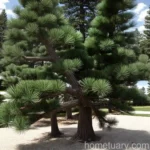
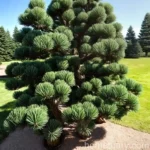
The lacebark pine’s foliage consists of delicate, needle-like leaves that are typically arranged in clusters. The needles showcase an attractive shade of green and are part of the tree’s ornamental appeal throughout the year.
Cone Development
The lacebark pine produces distinct cones that are a key aspect of its visual charm. These cones often persist on the branches, adding a decorative element to the overall aesthetic.
Growth Habits
In its natural habitat, the lacebark pine exhibits a slow to moderate growth rate. This makes it an excellent choice for landscapes and gardens where a graceful, yet not overly aggressive, tree is desired.
Landscape Uses
Beyond its visual appeal, the lacebark pine is popular for its ability to provide a focal point in gardens and landscapes. Its unique appearance, combined with its manageable size, makes it an attractive choice for both residential and public spaces.
Now that we’ve explored the characteristics of the lacebark pine, let’s focus on the cultural requirements necessary for its successful growth and development.
Pinus bungeana Care Tips
To cultivate a thriving lacebark pine, it’s important to understand its specific cultural needs. From sunlight and water requirements to soil preferences and pruning techniques, let’s explore the comprehensive care tips for this remarkable tree.
Water
Water Requirements:
Lacebark pines typically prefer moderate levels of moisture. When establishing a new tree, it’s essential to provide regular watering to promote healthy root development and establishment. Once the tree has matured, it can generally tolerate periods of moderate drought. However, prolonged dry spells may necessitate supplemental watering to ensure the tree’s vitality.
Sunlight
Sunlight Needs:
Lacebark pines thrive in full sun to partial shade. When selecting a planting location, it’s important to consider the tree’s eventual size and the surrounding landscape to ensure proper sunlight exposure.
Fertilizer
Fertilization Tips:
While lacebark pines are generally adaptable to a variety of soil types, incorporating a balanced, slow-release fertilizer can support their growth and overall health. Fertilizing in early spring, before new growth emerges, can provide essential nutrients for the upcoming growing season.
Soil
Soil Requirements:
Lacebark pines prefer well-drained soil with a slightly acidic to neutral pH. Ensuring good soil drainage is crucial to prevent waterlogged conditions, which can negatively impact the tree’s root system. Additionally, incorporating organic matter into the soil at the time of planting can promote healthy root development.
Pruning
Pruning Techniques:
Pruning requirements for lacebark pines are minimal. As the tree matures, occasional removal of dead or damaged branches can help maintain its shape and overall appearance. Pruning is best performed during the dormant season to minimize stress on the tree.
Propagation
Propagation Methods:
Lacebark pines can be propagated from seeds or cuttings. Seed propagation requires patience, as it can take several years for the seedlings to establish and develop into viable trees. Cuttings can be taken from semi-hardwood or hardwood and rooted under controlled conditions to produce new plants.
Container Gardening
Container Considerations:
While lacebark pines are typically grown in the ground, they can also thrive in large containers given the right cultural conditions. When growing in containers, it’s crucial to ensure proper drainage, as waterlogged soil can be detrimental to the tree’s root system. Additionally, regular monitoring of moisture levels is essential, as potted plants may dry out more quickly than those in the ground.
Now that we’ve covered the cultural requirements for the lacebark pine, let’s explore its diverse uses and popularity in horticulture.
Lacebark Pine Uses
From ornamental value to landscape design, the lacebark pine offers a myriad of uses that contribute to its enduring popularity among gardeners and landscapers.
Ornamental Value
Aesthetics:
The unique bark pattern, delicate foliage, and distinctive cones make the lacebark pine a highly ornamental tree. Its visual appeal transcends the seasons, providing year-round interest in a variety of settings.
Landscape Design
Design Applications:
Lacebark pines are frequently used as focal points in landscapes, adding vertical interest and visual diversity. Their moderate size makes them suitable for gardens, parks, and larger residential properties, where they can enhance the overall aesthetic.
Nature Conservation
Ecological Importance:
In addition to its ornamental value, the lacebark pine also plays a role in supporting local ecosystems. The tree provides habitat and food for various birds and wildlife, contributing to the overall biodiversity of its surroundings.
Timber Quality
Wood Characteristics:
While not as commercially significant as some other pine species, the wood of lacebark pine is known for its durability and suitability for certain woodworking projects. Its unique grain patterns and coloration make it a sought-after material for specialized applications.
Historical Significance
Cultural and Historical Relevance:
In its native habitat, the lacebark pine holds cultural and historical significance, often featuring in traditional folklore and local customs. Its enduring presence in these contexts adds an additional layer of appreciation for the tree.
Now that we’ve explored the uses and significance of the lacebark pine, let’s turn our attention to disease prevention, pest control, and additional maintenance considerations.
Lacebark Pine Maintenance
Maintaining the health and vigor of lacebark pines involves proactive measures to prevent disease, control pests, and address any potential issues that may arise.
Disease Prevention
Preventive Measures:
While lacebark pines are relatively resilient, certain fungal diseases such as pine blister rust (Cronartium ribicola) and Sphaeropsis tip blight (Diplodia pinea) can pose a risk, especially during periods of stress. Ensuring proper cultural conditions, including adequate moisture, air circulation, and soil drainage, can decrease the likelihood of disease development.
Pest Control
Identifying Common Pests:
Lacebark pines may be susceptible to pests such as pine needle scale (Chionaspis pinifoliae) and certain borers, particularly when the tree is under stress. Regular monitoring for signs of pest infestations and prompt intervention, if necessary, can help mitigate potential damage.
Pruning Schedule
Maintenance Timing:
As mentioned earlier, lacebark pines require minimal pruning. However, when pruning is necessary, it’s best performed during the dormant season to minimize stress and support the tree’s overall health and appearance.
Winter Care
Cold Weather Considerations:
In regions with harsh winters, providing a layer of mulch around the base of the tree can help insulate the roots and protect them from temperature fluctuations. Additionally, watering the tree adequately in late fall can ensure proper moisture levels as the tree enters dormancy.
With a thorough understanding of the maintenance aspects, let’s address the common diseases and pests that lacebark pines may encounter and how to diagnose and manage them effectively.
Common Diseases and Pest Control
Lacebark pines, while fairly resilient, can be susceptible to certain diseases and pests. Understanding how to diagnose and manage these issues is essential for maintaining the tree’s health and vitality.
Disease Diagnosis
Identifying Symptoms:
When assessing the health of lacebark pines, it’s important to be on the lookout for symptoms of common diseases, such as discolored or distorted foliage, cankers on branches or stems, and unusual patterns on the bark. Promptly identifying and addressing these symptoms can help prevent the spread of disease.
Common Pests
Recognizing Pests:
Pine needle scale and various borers are among the pests that can affect lacebark pines. Monitoring for signs of pest activity and implementing targeted control measures can help protect the tree from potential damage.
Now that we’ve covered disease prevention, pest control, and maintenance, let’s delve into the propagation methods, ecological importance, and unique features of the lacebark pine.
Botanist’s Tips
As a plant scientist, I’d like to share some additional insights and tips for cultivating and appreciating lacebark pines to their fullest potential.
Propagation Methods
Seed Collection and Cuttings:
For those interested in propagating lacebark pines, patience is key. Collecting and germinating seeds or taking cuttings from healthy, established trees can yield new plants, albeit with varying timelines for establishment.
Ecological Importance
Biodiversity Support:
Lacebark pines contribute to the overall biodiversity of their surroundings by providing habitat and food for various wildlife species. Their role in local ecosystems underscores their importance beyond their ornamental value.
Unique Features
Aesthetic and Functional Appeal:
The combination of striking bark patterns, delicate foliage, and versatile uses makes lacebark pines a standout choice for diverse landscapes and gardens. Their unique features add character and visual interest to any setting.
It’s fascinating to explore the ecological importance and unique features of the lacebark pine, but there’s still more to discover. Let’s uncover some interesting facts and delve into resources that provide further insights into this captivating tree.
Fun Facts and External Resources
Fun Facts
- Lacebark pine (Pinus bungeana) is celebrated for its bark patterns resembling puzzle pieces.
- The tree’s exfoliating bark pattern evolves with age, creating a visually dynamic display.
- Each cone of the lacebark pine holds the potential for countless seeds, contributing to its reproductive success.
External Resources
For enthusiasts seeking additional information and resources on lacebark pine (Pinus bungeana), the following links are valuable references:
- American Conifer Society
- The Morton Arboretum – Lacebark Pine
- Royal Horticultural Society – Pinus bungeana
- World Checklist of Selected Plant Families – Pinus bungeana
As we conclude this comprehensive guide, I hope you’ve gained a deeper appreciation for the wonders of the lacebark pine (Pinus bungeana). May this remarkable tree continue to inspire and adorn landscapes, adding its distinctive beauty to the natural world.
While this comprehensive guide covers the various aspects of lacebark pine (Pinus bungeana), its cultivation, uses, and maintenance, I’ve also included fascinating facts and external resources to further enrich the reader’s understanding. If you have any more questions or would like to explore other plant species, feel free to reach out.