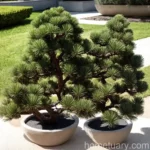
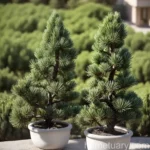
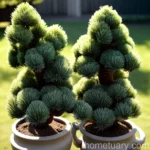
Pinus strobus ‘Pendula’ (Eastern White Pine)
Pinus strobus ‘Pendula’ is a weeping variety of the Eastern White Pine, a stunning evergreen tree known for its graceful, cascading branches and soft, delicate needles. As a plant scientist, I have delved into the world of this magnificent tree to uncover essential information on its care, characteristics, uses, and much more. In this article, we will explore the key aspects of Pinus strobus ‘Pendula’ – from its culture and propagation techniques to common diseases and pests that affect it. Whether you’re a seasoned gardener, a landscaping enthusiast, or simply someone interested in learning more about this unique tree, this comprehensive guide is designed to provide you with valuable insights into the Eastern White Pine ‘Pendula’.
What is Pinus strobus ‘Pendula’?
Pinus strobus, commonly known as the Eastern White Pine, is a large coniferous tree native to eastern North America. The ‘Pendula’ variety, as the name suggests, is characterized by its pendulous or weeping growth habit. This cultivar is prized for its elegant appearance and makes a captivating addition to gardens, parks, and landscapes.
Key Takeaways – Pinus strobus ‘Pendula’
Before delving into the specific aspects of care and cultivation, let’s take a moment to highlight the key characteristics and features of Pinus strobus ‘Pendula’.
- Plant Type: Evergreen tree
- Mature Height: 10 to 20 feet
- Mature Spread: 8 to 10 feet
- Growth Rate: Slow to moderate
- Foliage: Soft, blue-green needles
- Texture: Weeping, cascading form
- Hardiness Zones: 3 to 8
- Landscape Uses: Specimen tree, focal point in gardens, accent plant
Now that we have a basic understanding of what Pinus strobus ‘Pendula’ is, let’s delve into the detailed care and maintenance requirements for this unique tree.
Culture
Cultivating Pinus strobus ‘Pendula’ successfully requires an understanding of its specific cultural requirements. From planting and watering to fertilization and pruning, each aspect plays a crucial role in maintaining the health and beauty of this exceptional tree.
Uses
The Eastern White Pine ‘Pendula’ serves various purposes in landscaping and horticulture. Consider the following uses when incorporating this tree into your outdoor spaces:
- Specimen Tree: The weeping form and graceful branches make it an excellent choice as a standalone focal point in gardens.
- Accent Plant: Use it to add visual interest and height variation in mixed borders and naturalized landscapes.
- Privacy Screen: When planted in groups, the weeping branches create a stunning natural privacy screen.
Water
Proper watering is essential for the establishment and ongoing health of Pinus strobus ‘Pendula’. While this tree is relatively drought tolerant once established, adequate moisture is crucial during the initial growth phase. Here are some watering guidelines:
- Initial Establishment: Water deeply after planting to ensure the root ball is thoroughly moistened. Repeat this process regularly, especially during dry spells in the first year.
- Mature Trees: Once established, Eastern White Pine ‘Pendula’ generally requires watering during prolonged periods of drought. However, be cautious not to overwater, as it can lead to root rot and other issues.
Sunlight
Adequate sunlight is vital for the healthy growth of Pinus strobus ‘Pendula’. As a sun-loving tree, it thrives in full sun to partial shade. Ensure the following sunlight requirements are met:
- Full Sun: Plant in a location that receives at least 6 to 8 hours of direct sunlight per day for optimal growth.
- Partial Shade: In regions with intense heat, providing some afternoon shade can help protect the delicate foliage from scorching.
Fertilizer
Proper fertilization is essential to support the growth and vigor of Pinus strobus ‘Pendula’. While these trees are generally low-maintenance, timely fertilization can encourage healthy foliage and overall growth. Consider the following fertilizer guidelines:
- Timing: Apply a balanced, slow-release fertilizer in early spring before new growth emerges.
- Application: Spread the fertilizer evenly in the root zone, avoiding direct contact with the trunk.
- Watering After Application: Thoroughly water the tree after applying the fertilizer to aid in its absorption.
Soil
Understanding the soil preferences of Pinus strobus ‘Pendula’ is crucial for creating an ideal growing environment. These trees are adaptable to various soil types, but ensuring proper drainage is key. Consider the following soil considerations:
- Well-Drained Soil: Plant in soil that allows excess water to drain away quickly. Avoid waterlogged or compacted soils, as they can lead to root rot and other issues.
- Soil pH: Eastern White Pine ‘Pendula’ thrives in slightly acidic to neutral soil (pH 5.5 to 7.0). Conduct a soil test and amend the soil if necessary to achieve the ideal pH range.
Pruning
Pruning is an essential aspect of maintaining the attractive form and structure of Pinus strobus ‘Pendula’. Proper pruning techniques can help manage growth, remove damaged branches, and encourage a healthy canopy. Here are some pruning tips for this weeping pine:
- Minimal Pruning: While these trees generally require minimal pruning, it’s essential to remove any dead, diseased, or damaged branches as needed.
- Training Young Trees: Establish the desired shape and form during the early years by selectively pruning to enhance the weeping habit.
- Timing: Perform major pruning tasks, such as crown reduction or shaping, during the dormant season to minimize stress on the tree.
Propagation
For those interested in propagating Pinus strobus ‘Pendula’, understanding the various propagation techniques is essential. While it can be challenging to propagate from seeds, alternatives such as grafting and rooting cuttings can be successful. Consider the following propagation techniques:
- Grafting: Utilize a compatible rootstock and carefully graft a scion from a healthy ‘Pendula’ specimen to propagate the desired weeping form.
- Cuttings: Collect softwood or hardwood cuttings and use a rooting hormone to encourage root development. Provide the appropriate care and environmental conditions for successful propagation.
Container Popularity
The weeping form and compact size of Pinus strobus ‘Pendula’ make it a popular choice for container gardening. When grown in containers, this tree can be showcased on patios, terraces, and other outdoor spaces. Consider the following when growing it in containers:
- Container Size: Select a large, well-draining container to accommodate the root system and provide stability for the weeping branches.
- Soil Mix: Use a high-quality potting mix designed for woody ornamentals to ensure proper drainage and nutrient retention.
- Watering: Monitor the moisture levels closely, as container-grown trees may dry out more quickly. Water thoroughly when the top inch of the soil feels dry to the touch.
Common Diseases
Despite being relatively low-maintenance, Pinus strobus ‘Pendula’ is susceptible to certain diseases that can impact its health and appearance. It’s essential to be vigilant and proactive in managing and preventing these common diseases:
Disease Diagnosis
- Needle Blight: Look for browning or yellowing of the needles, along with premature needle drop. Fungal pathogens such as Diplodia and Dothistroma can cause needle blight.
- Root Rot: Monitor for wilting, yellowing, or dieback of the foliage, which may indicate root rot caused by waterlogged or poorly draining soil.
Common Pests
In addition to diseases, Eastern White Pine ‘Pendula’ can be affected by various pests that can cause damage if left unmanaged. Here are some common pests to watch out for:
- Pine Sawfly: Keep an eye out for feeding damage caused by the larvae of pine sawflies, which can defoliate the tree if populations are high.
- Bagworms: Inspect the branches for spindle-shaped bags constructed by bagworm caterpillars, and promptly remove and destroy them to prevent extensive defoliation.
Botanist’s Tips
As a plant scientist with a passion for trees and ornamentals, I advise enthusiasts and gardeners to consider the following tips when growing and caring for Pinus strobus ‘Pendula’:
- Timely Pruning: Regularly assess the tree’s structure and remove any crossing or overcrowded branches to maintain an open, airy canopy.
- Mulching: Apply a layer of organic mulch around the base of the tree to conserve moisture, regulate soil temperature, and suppress weed growth.
Fun Facts
- The Eastern White Pine is the state tree of Maine and Michigan in the United States.
- In the 17th and 18th centuries, Eastern White Pine timber was highly sought after for ship masts due to its straight, tall trunk and resistance to rot.
Links to External Resources
To further expand your knowledge and explore additional information about Pinus strobus ‘Pendula’ and related topics, consider the following external resources:
- The American Conifer Society
- University of Florida IFAS Extension: Landscape Plant Propagation Information
- Missouri Botanical Garden Plant Finder
In conclusion, Pinus strobus ‘Pendula’ is a captivating tree with unique characteristics and a graceful presence in landscapes. By understanding its care requirements, uses, and potential challenges, we can cultivate and appreciate this exceptional weeping variety of the Eastern White Pine.
Would you like to learn more about specific aspects of Pinus strobus ‘Pendula’? Let me know if there are any particular details or questions you have in mind!