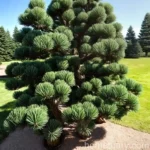
Pinus strobus ‘Nana’ (Eastern White Pine)
Pinus strobus ‘Nana’, commonly known as the Eastern White Pine, is a charming and versatile conifer that can enhance any garden or landscape. This compact cultivar of the native White Pine is prized for its striking aesthetic appeal, making it a sought-after addition for both professional landscapers and home gardeners. In this comprehensive guide, we will delve into the characteristics, care requirements, uses, and other essential aspects of Pinus strobus ‘Nana’, providing insights that will help you make the most of this remarkable plant in your outdoor space.
What is Pinus strobus ‘Nana’?
Pinus strobus ‘Nana’ is a slow-growing, dwarf cultivar of the Eastern White Pine (Pinus strobus), a large evergreen tree native to eastern North America. Unlike the typical species, which can reach towering heights, Pinus strobus ‘Nana’ is known for its compact size and dense, rounded form. This appealing growth habit, combined with its attractive blue-green needles and a graceful overall appearance, makes it a popular choice for gardens, rockeries, and even container planting.
Key Takeaways – Pinus strobus ‘Nana’ (Eastern White Pine)
Before delving into the detailed care and characteristics of Pinus strobus ‘Nana’, let’s take an overview of the key takeaways that will guide us through this comprehensive insight into this fascinating plant:
- Culture
- Uses
- Water
- Sunlight
- Fertilizer
- Soil
- Pruning
- Propagation
- Container Popularity
- Container Common Diseases
- Disease Diagnosis
- Common Pests
- Botanist’s Tips
- Fun Facts
- Links to External Resources
Culture
Understanding the cultural requirements of Pinus strobus ‘Nana’, including its preferred growing conditions and maintenance needs, is crucial to ensuring its health and vitality in your garden or landscape. Let’s explore the various aspects of its culture in detail:
Water
Pinus strobus ‘Nana’ generally prefers well-drained soil and moderate moisture levels. When established, this cultivar tends to exhibit good drought tolerance, but it still benefits from regular watering, particularly during dry spells. Water deeply but infrequently, allowing the soil to dry out slightly between watering sessions to promote healthy root development.
Sunlight
Like its parent species, Pinus strobus ‘Nana’ thrives in full sun to partial shade. While it can tolerate some shade, providing ample sunlight is essential for robust growth and the development of its characteristic dense foliage.
Fertilizer
This dwarf Eastern White Pine doesn’t have excessive fertilizer needs. A balanced slow-release fertilizer applied in spring can support its growth and overall health. Keep in mind that over-fertilizing can lead to excessive and undesirable growth, potentially compromising the plant’s intended compact form.
Soil
As with most pine species, Pinus strobus ‘Nana’ prefers acidic, well-draining soil. It is not particularly finicky about soil types and can adapt to a range of soil conditions, as long as they provide good drainage. Regularly check the soil pH and structure to ensure optimal growing conditions for this cultivar.
Pruning
Pruning requirements for Pinus strobus ‘Nana’ are minimal, thanks to its naturally compact and symmetrical form. Regularly remove any dead, damaged, or diseased branches. Additionally, to maintain its desired size and shape, light shaping and trimming may be performed in the early spring.
Uses
The charming characteristics of Pinus strobus ‘Nana’ make it a versatile plant with numerous potential uses in landscaping and garden design. Let’s explore its diverse applications:
- Garden Beds and Borders: Planting Pinus strobus ‘Nana’ in garden beds and borders adds a beautiful, evergreen focal point to the landscape, providing year-round interest and structure.
- Rock Gardens: The compact size and appealing appearance make this cultivar an excellent choice for rock gardens and alpine settings, where its unique texture and color can be fully appreciated.
- Containers: Due to its compact growth habit, Pinus strobus ‘Nana’ is well-suited for container planting on patios, balconies, or even as an ornamental feature in commercial spaces.
Propagation
While Pinus strobus ‘Nana’ is often propagated from cuttings or grafting, it can also be grown from seeds. The process may require patience due to its slow growth rate, but the result is well worth the wait. When propagating from cuttings, utilizing a rooting hormone and providing consistent, warm, and moist conditions can enhance the chances of success.
Common Diseases
Pinus strobus ‘Nana’ is generally resilient to many common pests and diseases, but regular monitoring is crucial to catch and address any issues promptly. However, it is important to be aware of potential diseases that may affect this cultivar, such as:
- Needle Blight: Needle blight diseases, caused by various fungi, can lead to yellowing, browning, or premature shedding of needles. Proper sanitation, good air circulation, and keeping the foliage dry can help prevent needle blights.
- Root Rot: Excessive moisture and poorly-drained soil can contribute to root rot diseases. Maintaining well-drained soil and avoiding overwatering are important preventive measures.
Common Pests
Pine Sawfly
The Pine sawfly is a common pest that may affect Pinus strobus ‘Nana’. These caterpillar-like larvae feed on the needles, potentially causing defoliation of the plant. Regular inspection of the foliage and prompt removal of any detected larvae can help manage this pest effectively.
Pine Needle Scale
The Pine needle scale is another potential pest that can infest Pinus strobus ‘Nana’. These tiny, sucking insects can cause yellowing and premature dropping of needles. Horticultural oils or insecticidal soaps applied at the appropriate time can help control this pest.
Botanist’s Tips
- Consistent Monitoring: Regularly inspect your Pinus strobus ‘Nana’ for signs of pests, diseases, or any stress indicators such as discoloration or abnormal growth.
- Appropriate Pruning: While minimal pruning is generally required, ensure the removal of dead or diseased branches to maintain the plant’s health and vigor.
- Watering Mindfully: Strike a balance with watering, ensuring adequate moisture without creating waterlogged conditions, especially during the establishment phase.
Fun Facts
- The Eastern White Pine (Pinus strobus) is the state tree of Maine and Michigan, reflecting its cultural and historical significance.
- Pinus strobus ‘Nana’ is a source of food and shelter for various wildlife, including birds and small mammals, enhancing the ecological value of this lovely cultivar.
- This compact pine is an excellent choice for attracting wildlife and creating a naturalistic setting in your outdoor space.
Links to External Resources
For further information on Pinus strobus ‘Nana’ care, characteristics, and more, explore the following valuable resources:
In conclusion, Pinus strobus ‘Nana’ is a delightful and adaptable plant that can bring enduring beauty and value to a wide range of garden settings. Whether used as a focal point in the landscape, a charming addition to a rockery, or an ornamental feature in a container, this dwarf Eastern White Pine embodies grace, resilience, and versatility. With proper care and an understanding of its unique characteristics, integrating Pinus strobus ‘Nana’ into your outdoor space can be a rewarding and enriching experience.
Remember, the information presented here serves as a guide to help you embark on a journey of discovery and enjoyment with Pinus strobus ‘Nana’. Always consider your specific local conditions, the plant’s individual needs, and any unique factors as you nurture and appreciate this captivating cultivar. Happy gardening!