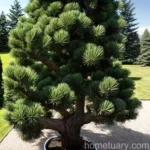
The Remarkable Pinus strobus ‘Tiny Kurls’ (Eastern White Pine)
What is Pinus strobus ‘Tiny Kurls’ (Eastern White Pine)?
The Pinus strobus ‘Tiny Kurls,’ also known as the Eastern White Pine, is a captivating evergreen species belonging to the Pinaceae family. It is a cultivar of the Pinus strobus, a native of eastern North America. The ‘Tiny Kurls’ variety is cherished for its unique foliage, compact size, and adaptability to various landscaping applications. This resilient species has gained popularity due to its distinctive characteristics, making it a sought-after choice for both amateur gardeners and experienced landscape designers.
Key Takeaways – Pinus strobus ‘Tiny Kurls’ (Eastern White Pine)
Culture
The Pinus strobus ‘Tiny Kurls’ thrives in environments with well-drained, moist soil and ample sunlight exposure. It is generally low-maintenance, making it an excellent choice for landscaping projects in diverse settings.
Uses
This versatile evergreen is used for a variety of landscaping purposes, ranging from foundation plantings to privacy screens and ornamental accents. Its compact growth habit and unique foliage make it an ideal choice for both residential and commercial landscapes.
Water
Pinus strobus ‘Tiny Kurls’ has moderate water needs and benefits from regular watering during periods of drought. However, it is crucial to avoid waterlogging the soil, as excessive moisture can be detrimental to its health.
Sunlight
This cultivar thrives in full sun to partial shade, making it suitable for a wide range of landscaping applications. Adequate sunlight exposure is essential for maintaining its compact growth and vibrant foliage.
Fertilizer
The Eastern White Pine benefits from a balanced fertilizer application in the early spring to support healthy growth and foliage development. Selecting a slow-release fertilizer can ensure consistent nutrient availability throughout the growing season.
Soil
Well-drained, slightly acidic soil with good fertility is ideal for the Pinus strobus ‘Tiny Kurls.’ It is essential to ensure proper soil conditions to support its overall health and vigor.
Pruning
Pruning is generally minimal for this cultivar, mainly focusing on the removal of dead or damaged branches and occasional shaping to maintain its compact form. Regular monitoring of its growth can help identify the need for targeted pruning.
Propagation
Propagation of Pinus strobus ‘Tiny Kurls’ can be accomplished through various methods, including seed propagation and softwood cuttings. Each method requires specific care and attention to ensure successful propagation outcomes.
Container Popularity
Due to its compact size and unique foliage, the ‘Tiny Kurls’ variety is popular for container gardening, adding an elegant touch to patios, decks, and small outdoor spaces.
Common Diseases
While relatively resilient, Pinus strobus ‘Tiny Kurls’ is susceptible to certain diseases, including needle blight and rust diseases, which can impact its overall health and appearance.
Disease Diagnosis
Effective disease diagnosis involves careful observation of foliage discoloration, growth abnormalities, and the presence of pests. Timely intervention and proper management strategies are crucial for mitigating the impact of diseases.
Common Pests
Pine sawflies, adelgids, and spider mites are among the common pests that can affect the Eastern White Pine. Monitoring for pest activity and implementing preventive measures is essential for preserving its vitality.
Botanist’s Tips
Enthusiastic gardeners and landscape enthusiasts can benefit from practical tips and insights from botanists regarding the cultivation, maintenance, and landscaping potential of Pinus strobus ‘Tiny Kurls.’
Fun Facts
Exploring intriguing aspects and little-known facts about the Eastern White Pine can offer a deeper appreciation for its ecological significance and ornamental value in diverse landscapes.
Links to External Resources
Discovering additional resources and expert insights can further enhance the understanding and appreciation of Pinus strobus ‘Tiny Kurls,’ providing valuable guidance for successful cultivation and landscaping endeavors.
In the sections that follow, we will delve into more comprehensive details regarding the Pinus strobus ‘Tiny Kurls,’ addressing its various features, growth requirements, cultivation practices, and the diverse landscaping opportunities it presents.
Pinus strobus ‘Tiny Kurls’ Care: Unraveling Its Unique Features and Characteristics
As a plant scientist deeply passionate about the diverse world of flora, I am thrilled to present an in-depth exploration of the Pinus strobus ‘Tiny Kurls’ (Eastern White Pine). This captivating cultivar offers a wealth of enchanting features and versatile landscaping potential, elevating the aesthetics and ecological value of diverse outdoor settings.
Pinus strobus ‘Tiny Kurls’ Features
The ‘Tiny Kurls’ variety of the Eastern White Pine is celebrated for its distinct features, which contribute to its widespread appeal in landscaping. Key features include:
-
Unique Foliage: The ‘Tiny Kurls’ cultivar is renowned for its captivating foliage, characterized by delicate, twisted needles that create an exquisite texture and visual interest.
-
Compact Growth Habit: Unlike the larger Eastern White Pine varieties, the ‘Tiny Kurls’ exhibits a compact growth habit, making it well-suited for smaller gardens, container plantings, and a variety of landscape designs.
-
Ornamental Value: Its charming foliage and compact form make the ‘Tiny Kurls’ an excellent choice for ornamental landscaping, adding a touch of elegance and year-round visual appeal.
-
Adaptability: This cultivar is adaptable to various soil conditions and is well-suited for different climatic zones, making it a valuable addition to landscapes in diverse regions.
Pinus strobus ‘Tiny Kurls’ Characteristics
In addition to its esteemed features, the ‘Tiny Kurls’ variety possesses certain essential characteristics that define its growth requirements and overall suitability for landscaping applications. These include:
-
Moderate Water Needs: While the ‘Tiny Kurls’ requires regular watering, it is important to ensure that the soil is well-drained to prevent waterlogging while maintaining adequate moisture levels.
-
Sunlight Requirements: Thriving in full sun to partial shade, this cultivar displays optimal growth and foliage development when provided with ample sunlight exposure.
-
Low Maintenance: Its overall low-maintenance nature adds to its appeal, making it an excellent choice for both novice and experienced gardeners seeking an elegant, yet manageable, addition to their landscapes.
-
Unique Growth Rate: Understanding the growth rate of the ‘Tiny Kurls’ can aid in planning and designing landscapes that harness its growth potential effectively.
Pinus strobus ‘Tiny Kurls’ Growth Habit
The growth habit of the ‘Tiny Kurls’ variety is a defining feature that influences its suitability for diverse landscaping applications. Understanding its growth habit is crucial for designing and maintaining landscapes that highlight its ornamental and ecological value.
Pinus strobus ‘Tiny Kurls’ Foliage
The foliage of the ‘Tiny Kurls’ is of particular interest, characterized by its unique texture, color, and overall visual impact. Exploring the characteristics of its foliage can provide valuable insights into its ornamental value and ecological significance.
Pinus strobus ‘Tiny Kurls’ Landscaping
The landscaping potential of the ‘Tiny Kurls’ variety encompasses a wide range of design possibilities, including foundation plantings, container gardening, privacy screens, and ornamental accent plantings. Understanding its landscaping attributes can inspire innovative design approaches and applications.
Pinus strobus Cultivars
In addition to the ‘Tiny Kurls’ cultivar, the Eastern White Pine encompasses a diverse array of cultivars, each offering distinctive features and ornamental value. Exploring the broader spectrum of Pinus strobus cultivars provides a comprehensive understanding of the species’ diversity and landscaping potential.
Eastern White Pine ‘Tiny Kurls’
The specific attributes of the ‘Tiny Kurls’ cultivar within the broader context of Eastern White Pine varieties contribute to its unique appeal and versatility in varied landscapes.
Dwarf Eastern White Pine
Dwarf varieties of the Eastern White Pine, such as the ‘Tiny Kurls,’ present an exceptional opportunity for incorporating the species into smaller gardens, container plantings, and other compact landscapes, adding an elegant and distinctive touch to outdoor spaces.
Pinus strobus ‘Tiny Kurls’ Size
Understanding the ultimate size and dimensions of the ‘Tiny Kurls’ variety is essential for planning and designing landscapes that optimize its ornamental and ecological potential while ensuring sufficient space for healthy growth.
Pinus strobus ‘Tiny Kurls’ Pruning
Pruning guidelines tailored to the ‘Tiny Kurls’ cultivar are crucial for maintaining its compact form, aesthetic appeal, and overall health. Proper pruning practices enhance the longevity and visual impact of this remarkable evergreen.
Pinus strobus ‘Tiny Kurls’ Propagation
Insights into the propagation methods specific to the ‘Tiny Kurls’ cultivar provide valuable guidance for expanding its presence in diverse landscapes and ensuring the availability of this unique variety for gardening enthusiasts.
In the subsequent sections, we will delve into the cultivation, maintenance, and landscaping aspects associated with the Pinus strobus ‘Tiny Kurls,’ offering practical insights and expert recommendations to support successful integration into varied outdoor settings.
Pinus strobus ‘Tiny Kurls’ Cultivation: Nurturing Its Unique Appeal in Diverse Landscapes
The art of cultivating Pinus strobus ‘Tiny Kurls’ involves a thoughtful balance of understanding its growth requirements, nurturing its distinct characteristics, and harnessing its ornamental potential in diverse landscape designs. As a plant scientist dedicated to promoting sustainable and captivating plant choices, I am delighted to share a comprehensive guide to the successful cultivation of this esteemed species.
Pinus strobus ‘Tiny Kurls’ – Soil Requirements
The soil requirements for the ‘Tiny Kurls’ cultivar play a pivotal role in sustaining its health, vitality, and overall aesthetic appeal. Understanding and optimizing the soil conditions are essential for successful cultivation outcomes.
Pinus strobus ‘Tiny Kurls’ – Water Needs
Adequate water management is critical for supporting the ‘Tiny Kurls’ variety’s growth and maintaining its vibrant foliage. Tailoring the watering regimen to its specific needs is essential for promoting healthy development and resilience.
Pine Trees for Small Gardens
Incorporating dwarf pine varieties, such as the ‘Tiny Kurls,’ in small garden spaces presents an exceptional opportunity to introduce the charm and elegance of evergreens while ensuring a harmonious balance between plant diversity and spatial considerations.
Pinus strobus ‘Tiny Kurls’ – Sunlight Requirements
Understanding the sunlight preferences of the ‘Tiny Kurls’ cultivar is fundamental for selecting the ideal planting locations and optimizing its growth and foliage development. Adequate sunlight exposure is essential for harnessing its ornamental and ecological value.
Pinus strobus ‘Tiny Kurls’ – Fertilizer Application
Balanced and timely fertilizer applications can significantly impact the growth, foliage development, and overall health of the ‘Tiny Kurls’ variety. Approaching fertilizer application with precision and care supports its vitality and ornamental value in diverse landscapes.
Winter Interest Plants
The ‘Tiny Kurls’ variety, with its distinctive foliage and year-round visual appeal, contributes to the winter interest of landscapes, offering texture, color, and vitality during the colder months.
Low Maintenance Evergreens
The ‘Tiny Kurls’ cultivar’s low-maintenance nature positions it as an ideal choice for enthusiasts seeking elegant and resilient evergreen options for their landscapes. Its adaptability and minimal care requirements enhance its appeal for diverse design preferences.
Pinus strobus ‘Tiny Kurls’ Growth Rate
Understanding the growth rate of the ‘Tiny Kurls’ variety is crucial for planning and designing landscapes that harness its development potential effectively. It enables gardeners and landscapers to anticipate its growth trajectory and allocate space accordingly.
Pinus strobus ‘Tiny Kurls’ Landscape Uses
Exploring the diverse landscape uses of the ‘Tiny Kurls’ variety provides valuable insights into its adaptability to various design contexts, including foundation plantings, privacy screens, and ornamental accent plantings.
Pinus strobus ‘Tiny Kurls’ Planting Tips
Practical planting tips tailored to the ‘Tiny Kurls’ cultivar equip gardening enthusiasts with the necessary knowledge and techniques to ensure successful transplanting and establishment in diverse outdoor settings.
Pinus strobus ‘Tiny Kurls’ Container Growing
Container gardening with the ‘Tiny Kurls’ variety presents a delightful opportunity to introduce its ornamental value to patios, decks, and small outdoor spaces, contributing to the visual appeal and ecological diversity of urban and suburban landscapes.
Pinus strobus ‘Tiny Kurls’ Shade Tolerance
Understanding the shade tolerance of the ‘Tiny Kurls’ cultivar is essential for selecting appropriate planting locations and designing landscapes that optimize its growth and visual impact in varied light conditions.
Pinus strobus ‘Tiny Kurls’ Drought Tolerance
The ‘Tiny Kurls’ variety’s ability to withstand periods of drought enhances its resilience and adaptability, making it a valuable addition to landscapes in regions with varying moisture availability.
Pinus strobus ‘Tiny Kurls’ Companion Plants
Selecting compatible companion plants that complement the ‘Tiny Kurls’ variety enhances the visual and ecological appeal of landscapes, fostering a harmonious and dynamic outdoor environment.
Pinus strobus ‘Tiny Kurls’ Foundation Planting
Incorporating the ‘Tiny Kurls’ cultivar into foundation plantings adds elegance, visual interest, and year-round appeal to architectural features, creating a cohesive and captivating landscape design.
In the subsequent sections, we will delve into the maintenance practices, disease management, and pest control strategies relevant to the successful cultivation and preservation of the remarkable Pinus strobus ‘Tiny Kurls.’
Sustaining the Beauty: Maintenance, Disease Management, and Pest Control for Pinus strobus ‘Tiny Kurls’
The sustainable cultivation and preservation of Pinus strobus ‘Tiny Kurls’ encompass a range of essential practices, including maintenance routines, disease prevention strategies, and pest control measures. As a dedicated plant scientist, I am committed to providing expert insights and practical recommendations to support the long-term health and vitality of this exceptional evergreen species.
Pinus strobus ‘Tiny Kurls’ Pruning
Pruning guidelines tailored to the ‘Tiny Kurls’ cultivar play a pivotal role in maintaining its compact form, aesthetic appeal, and overall health. Proper pruning practices contribute to its longevity and visual impact in landscapes.
Pinus strobus ‘Tiny Kurls’ Winter Care
Winter care considerations for the ‘Tiny Kurls’ variety are essential for protecting its vitality and preserving its ornamental value during the colder months. Tailoring care practices to its specific needs ensures its resilience and visual appeal throughout the winter season.
Pinus strobus ‘Tiny Kurls’ Naturalized Settings
Exploring the naturalized settings conducive to the ‘Tiny Kurls’ cultivar offers valuable insights into its ecological adaptability and potential integration into native and naturalistic landscapes.
Pinus strobus ‘Tiny Kurls’ Landscape Design
Incorporating the ‘Tiny Kurls’ variety into comprehensive landscape designs requires a thorough understanding of its growth requirements, visual impact, and ecological contributions, enabling the creation of harmonious and captivating outdoor environments.
Pinus strobus ‘Tiny Kurls’ Ornamental Value
Appreciating the ornamental value of the ‘Tiny Kurls’ cultivar sheds light on its distinct contributions to landscape aesthetics, from its unique foliage to its year-round visual appeal and overall ecological significance.
Pinus strobus ‘Tiny Kurls’ Unique Foliage
The unique foliage of the ‘Tiny Kurls’ cultivar distinguishes it as an exceptional choice for ornamental accent plantings, container gardens, and various landscape designs that seek to incorporate its captivating texture and visual appeal.
Pinus strobus ‘Tiny Kurls’ Compact Growth
The compact growth habit of the ‘Tiny Kurls’ variety positions it as an ideal choice for small gardens, urban landscapes, and container plantings, offering elegance and resilience in a space-efficient form.
Pinus strobus ‘Tiny Kurls’ Groundcover Uses
Exploring the groundcover potential of the ‘Tiny Kurls’ cultivar provides valuable insights into its adaptability to diverse landscape settings, offering a low-maintenance and visually striking groundcover option.
Pinus strobus ‘Tiny Kurls’ Pathway Planting
Incorporating the ‘Tiny Kurls’ variety into pathway plantings contributes to the overall visual interest and ecological diversity of outdoor walkways, enhancing the appeal and functionality of landscape designs.
Pinus strobus ‘Tiny Kurls’ Container Garden
The ‘Tiny Kurls’ cultivar’s popularity for container gardening extends to a wide range of outdoor spaces, offering an ornamental and resilient addition to patios, balconies, and other container gardening settings.
Pinus strobus ‘Tiny Kurls’ Shade Garden
In shaded garden settings, the ‘Tiny Kurls’ variety demonstrates its adaptability and ornamental value, offering texture, color, and vitality to landscapes with varying light conditions.
Pinus strobus ‘Tiny Kurls’ Rock Garden
The ‘Tiny Kurls’ cultivar’s versatility and resilience make it a valuable addition to rock gardens, contributing to the visual appeal and ecological diversity of these unique landscape features.
Pinus strobus ‘Tiny Kurls’ Border Plant
Incorporating the ‘Tiny Kurls’ variety as a border plant adds elegance, visual interest, and year-round appeal to garden borders, enhancing the overall aesthetic and ecological value of the landscape.
Pinus strobus ‘Tiny Kurls’ Resilient Species
The resilience of the ‘Tiny Kurls’ cultivar positions it as a valuable addition to landscapes seeking low-maintenance, visually striking plant selections, contributing to the overall sustainability and vitality of outdoor environments.
Admiring Nature’s Splendor: Exploring the Ecological Significance and Ornamental Value of Pinus strobus ‘Tiny Kurls’
The Pinus strobus ‘Tiny Kurls,’ with its distinctive characteristics, low-maintenance nature, and versatile landscaping potential, stands as an exemplar of nature’s splendor, offering a harmonious blend of ecological significance and ornamental value. As a plant scientist dedicated to illuminating the captivating allure of flora, I am thrilled to unfurl the diverse facets of this remarkable evergreen species, inspiring enthusiasts and professionals alike to appreciate and integrate its unique charm into their outdoor environments.
Pinus strobus ‘Tiny Kurls’ Wildlife Habitat
The ecological contributions of the ‘Tiny Kurls’ variety extend to its role as a valuable wildlife habitat, supporting biodiversity and ecological balance in diverse landscapes, from residential gardens to community green spaces.
Pinus strobus ‘Tiny Kurls’ Privacy Screen
Harnessing the ‘Tiny Kurls’ variety’s growth potential and ornamental value for privacy screens offers an elegant and resilient solution for creating secluded and visually appealing outdoor spaces.
Pinus strobus ‘Tiny Kurls’ Autumn Color
Exploring the ‘Tiny Kurls’ cultivar’s autumn color characteristics provides insights into its seasonal visual appeal, offering vibrant foliage and distinct contributions to the autumn landscape.
Pinus strobus ‘Tiny Kurls’ Winter Texture
The unique texture of the ‘Tiny Kurls’ variety’s foliage enriches winter landscapes, lending visual interest and vitality to outdoor environments during the colder months.
Pinus strobus ‘Tiny Kurls’ Year-Round Interest
The year-round interest of the ‘Tiny Kurls’ cultivar encompasses its captivating foliage, compact growth habit, and enduring visual appeal, ensuring a harmonious and dynamic landscape presence throughout the seasons.
Pinus strobus ‘Tiny Kurls’ Accent Plant
Incorporating the ‘Tiny Kurls’ variety as an accent plant elevates landscape compositions, offering a focal point of elegance, visual interest, and ecological value in varied outdoor settings.
Pinus strobus ‘Tiny Kurls’ Container Growing
The popularity of the ‘Tiny Kurls’ cultivar for container gardening