Pinus Strobiformis (Southwestern White Pine): A Plant Scientist’s Guide
In the realm of plant science, there are few species that capture the imagination and admiration quite like Pinus strobiformis, commonly known as the Southwestern White Pine. As a plant scientist, it is my pleasure to delve into the nuances of this remarkable species, exploring its unique characteristics, habitat, cultivation, uses, and much more.
What is Pinus strobiformis (Southwestern White Pine)?
Pinus strobiformis, or the Southwestern White Pine, is a species of pine tree native to the mountains of the southwestern United States and northern Mexico. It belongs to the family Pinaceae and is recognized for its stately appearance, long, blue-green needles, and large, attractive cones. This distinctive tree has long been revered for its ecological importance, aesthetic value, and a myriad of practical applications.
Key Takeaways – Pinus strobiformis (Southwestern White Pine)
Before we deep dive into the specifics, let’s take a quick glance at some key takeaways regarding Pinus strobiformis:
- Common Name: Southwestern White Pine
- Scientific Name: Pinus strobiformis
- Habitat: Mountains of the southwestern United States and northern Mexico
- Growth: Slow-growing, may reach heights of 30-50 feet
- Needles: Long, blue-green needles in bundles of five
- Cones: Large, attractive pinecones
- Uses: Timber, landscaping, ecological value
- Care: Drought-tolerant, requires well-drained soil and full sun
Now that we have an overview, let’s delve deeper into the various aspects of Pinus strobiformis.
Pinus strobiformis Characteristics
Pinus strobiformis is distinguished by a range of unique characteristics, setting it apart as a remarkable species within its genus. Understanding these traits is fundamental to appreciating the value and significance of the Southwestern White Pine.
Habit
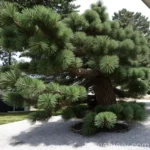
The Southwestern White Pine typically exhibits a pyramidal or conical shape when young, eventually maturing to a more rounded or irregular form. Its stout, spreading branches create a graceful silhouette, making it an appealing specimen in both natural and cultivated settings.
Foliage
The foliage of Pinus strobiformis consists of long, flexible needles arranged in bundles, with each bundle containing five needles. The needles often appear in shades of blue-green, lending the tree a distinctive and attractive appearance. Additionally, the needles persist for several years before shedding, contributing to the tree’s visual appeal throughout the seasons.
Cones
The cones of the Southwestern White Pine are among its most striking features. These large, ovoid cones can measure up to 10 inches in length and are often found on mature trees. They exhibit a pale coloration when young, gradually transitioning to a rich shade of brown as they mature.
Pinus strobiformis Habitat and Distribution
Understanding the natural habitat and distribution of Pinus strobiformis is crucial in comprehending the conditions under which it thrives and the ecological role it plays.
Habitat
Pinus strobiformis is native to high-elevation regions, primarily inhabiting mountain slopes, ridges, and canyons. It is often found in mixed conifer forests, where it coexists with a diverse array of tree species, including other pines, firs, and spruces. The species has exhibited resilience in adapting to a range of soil types and moisture conditions within its native habitat.
Distribution
The natural range of Pinus strobiformis encompasses parts of the southwestern United States, including Arizona, New Mexico, and southern Utah, as well as northern Mexico. Its distribution is largely confined to the mountainous terrain of these regions, where it thrives in the cool, high-altitude climate.
Pinus strobiformis Growth
Understanding the growth patterns and requirements of Pinus strobiformis is essential for successful cultivation and management, whether in natural or landscaped settings.
Growth Rate
Pinus strobiformis is generally characterized by a slow to moderate growth rate. While it may not achieve the rapid development of some other tree species, its steady growth often results in sturdy, long-lived trees that become enduring features of their environments.
Size
Mature specimens of Pinus strobiformis may attain heights ranging from 30 to 50 feet, with a spread of approximately 20 to 25 feet. This moderate stature makes it well-suited for a variety of landscape uses, from individual specimen trees to mixed woodland plantings.
Longevity
In favorable conditions, the Southwestern White Pine can live for several centuries, with some specimens reaching ages of 400 years or more. This remarkable longevity emphasizes the enduring nature of this species and its value as a long-term component of natural ecosystems and designed landscapes.
Pinus strobiformis Care
To ensure the optimal development and health of Pinus strobiformis, it is imperative to provide appropriate care and maintenance, taking into account its specific cultural requirements.
Water
When establishing young trees, regular watering is crucial to promote root establishment and early growth. While mature Pinus strobiformis trees exhibit considerable drought tolerance, providing supplemental water during extended dry spells can benefit their overall health and vitality.
Sunlight
Pinus strobiformis thrives in full sun, requiring at least six to eight hours of direct sunlight daily for optimal development. In shaded or partially shaded settings, the growth and form of the tree may be compromised, potentially leading to decreased vigor and susceptibility to certain pests and diseases.
Fertilizer
During the early stages of growth, providing a balanced, slow-release fertilizer can support the establishment of young Pinus strobiformis trees. Once established, mature specimens generally do not require regular fertilization, as they are well-adapted to nutrient-poor mountain soils.
Soil
The ideal soil for Pinus strobiformis is well-drained and slightly acidic, reflective of the conditions often found in its native habitat. Soil compaction and waterlogged conditions should be avoided, as these can hinder root development and lead to stress and decline in the tree.
Pruning
Minimal pruning is typically necessary for Pinus strobiformis, especially in natural or wildland settings. In landscaped environments, any pruning should be conducted judiciously, focusing on the removal of dead, damaged, or diseased branches to maintain the tree’s natural form and health.
Propagation
Propagating Pinus strobiformis is commonly achieved by seed, with careful attention given to the selection of high-quality, viable seed from reliable sources. While propagation through cuttings is possible, it is less commonly practiced due to the challenges associated with rooting pine cuttings.
Container Popularity
In addition to its success in natural and landscaped settings, Pinus strobiformis is increasingly popular as a container plant, particularly for those seeking to add a touch of the mountains to their patios, balconies, or small gardens. The slowing growth rate in containers allows for an extended period of enjoyment, with the tree remaining a manageable size for years to come.
Container Common Diseases
Though generally robust, Pinus strobiformis in containers may be susceptible to certain diseases that can afflict its roots and foliage. Providing proper drainage in containers and avoiding overwatering can mitigate the risk of diseases such as root rot and needle blights.
Disease Diagnosis
When caring for a container-grown Pinus strobiformis, it is important to be vigilant for signs of disease, such as wilting foliage, yellowing needles, or the presence of fungal growth on the bark or soil surface. Early diagnosis and prompt intervention can often prevent the spread of diseases and promote the tree’s recovery.
Common Pests
In addition to diseases, container-grown Pinus strobiformis may be vulnerable to pests such as aphids, spider mites, and scale insects. Regular monitoring and appropriate pest management strategies can help maintain the health and vitality of these containerized specimens.
Botanist’s Tips
For enthusiasts and professionals alike, here are some practical tips for cultivating and appreciating Pinus strobiformis:
- When planting in the landscape, provide ample space for the tree to reach its mature size, taking into account both its height and spread.
- To combat the effects of poor soil drainage, consider planting Pinus strobiformis in raised beds or mounded planting areas to improve the root environment.
- When selecting container-grown specimens, choose those with well-distributed, healthy foliage and a strong central leader, as these are indicative of robust, well-structured trees.
Fun Facts
- The resin of Pinus strobiformis has historically been used by Indigenous peoples for various purposes, including as a waterproofing agent and adhesive.
- The seeds of Southwestern White Pine are a vital food source for wildlife, including birds and small mammals, contributing to the tree’s ecological role.
Links to External Resources
For those interested in further exploring the world of Pinus strobiformis, the following resources provide valuable information and insights:
- USDA Forest Service: Southwestern White Pine
- University of Arizona Cooperative Extension: The Southwestern White Pine
- Lady Bird Johnson Wildflower Center: Pinus strobiformis
- The Gymnosperm Database: Pinus strobiformis
Conclusion
In conclusion, Pinus strobiformis, the Southwestern White Pine, emerges as a captivating and versatile species with a wealth of attributes that make it a valuable component of natural ecosystems and designed landscapes. From its striking appearance and ecological significance to its applications in horticulture and forestry, this pine tree stands as a testament to the resilience and beauty of nature.
By understanding its characteristics, habitat, growth requirements, and care considerations, we can foster a deeper appreciation for the Southwestern White Pine and contribute to its continued presence and prosperity in the environments it inhabits.
As a plant scientist, I take immense pleasure in unraveling the secrets and wonders of Pinus strobiformis, and I hope that this exploration has provided a deeper understanding and appreciation for this remarkable species.
With a steadfast commitment to conservation and responsible stewardship, we can ensure that Pinus strobiformis and its fellow denizens of the natural world continue to thrive for generations to come.