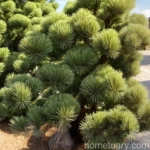
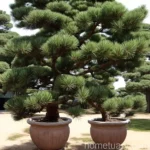
Pinus sabiniana (California Foothill Pine)
Pinus sabiniana, commonly known as California Foothill Pine, is a fascinating and ecologically important tree species native to California and parts of Nevada. This drought-tolerant evergreen tree is a prominent fixture of the California landscape, adapting to diverse habitats and playing a crucial role in the ecosystem.
In this comprehensive guide, we will delve into the characteristics, cultivation, uses, and conservation status of Pinus sabiniana. From its cultural significance to its unique adaptations, we will explore the multitude of aspects that make this species truly remarkable.
What is Pinus sabiniana?
In order to understand the significance of Pinus sabiniana, it is essential to first familiarize ourselves with the key characteristics and ecological role of this captivating tree species.
Pinus sabiniana Characteristics
Pinus sabiniana, belonging to the Pinaceae family, is a large, spreading conifer with distinct features that set it apart from other pine species. The tree typically grows to a height of 15-35 meters, with a broad, open crown and irregular branches. Its bark is deeply furrowed and has a gray to dark brown color, adding to the visual appeal of the tree.
The tree’s needle-like leaves are a distinguishing feature, as they grow in bundles of three and have a characteristic twisted appearance. These needles, which can range from 15 to 25 centimeters in length, contribute to the striking silhouette of the California Foothill Pine.
California Foothill Pine Description
Pinus sabiniana is renowned for its ecological adaptability, thriving in a range of habitats including chaparral, foothill woodlands, and oak woodlands. Its native range spans across California and extends into parts of Nevada, where it plays a vital role in maintaining biodiversity and ecosystem resilience.
The tree’s cones are another notable feature, typically measuring 12-23 centimeters in length and possessing a unique asymmetric shape. The large, woody cones contain large seeds that serve as a crucial food source for various wildlife species, contributing to the intricate web of interactions within its ecosystem.
Key Takeaways – Pinus sabiniana (California Foothill Pine)
Before delving into the specific aspects of Pinus sabiniana, let’s highlight some of the key takeaways about this remarkable tree species:
– Distinctive needle-like leaves in bundles of three
– Large, spreading conifer with a broad, open crown
– Deeply furrowed bark with a gray to dark brown color
– Native to California and parts of Nevada, thriving in diverse habitats
– Ecologically important, providing food and habitat for wildlife
Culture
The cultural significance of Pinus sabiniana extends beyond its ecological role. This section will delve into the traditional and contemporary uses of the California Foothill Pine in indigenous cultures, as well as its symbolic significance.
Uses
The rich cultural heritage of California’s indigenous people, such as the Miwok and Maidu tribes, is intertwined with the utilization of native plant species, including Pinus sabiniana. The tree’s seeds were traditionally collected and consumed, providing a valuable food source for these indigenous communities. Additionally, various parts of the tree, such as the resin and bark, were utilized for medicinal and ceremonial purposes, highlighting the deep cultural connection to this iconic species.
In contemporary culture, Pinus sabiniana continues to be valued for its aesthetic appeal and ecological significance. Its unique appearance and ecological resilience make it an attractive choice for landscapers and conservationists alike. The wood of the California Foothill Pine also holds significance in traditional crafts and woodworking, contributing to its enduring cultural relevance.
Water
Pinus sabiniana is well-adapted to the dry, Mediterranean climate of California, displaying remarkable drought tolerance. While established trees can survive with minimal irrigation, young saplings may require supplemental watering during prolonged dry spells to support their establishment and growth. When providing water to California Foothill Pines, it is important to mimic natural rainfall patterns, allowing the soil to dry out moderately between watering sessions to promote healthy root development.
Sunlight
As a species native to California’s diverse landscapes, Pinus sabiniana exhibits a preference for full sun exposure. The tree thrives in open, sunny environments, where it can fully manifest its characteristic spread and develop a robust crown. When selecting a site for planting or landscaping with the California Foothill Pine, it is essential to prioritize locations that receive ample sunlight throughout the day to ensure the tree’s optimal growth and development.
Fertilizer
In its natural habitat, Pinus sabiniana adapts to nutrient-poor soils and demonstrates resilience in low-fertility environments. As such, the application of fertilizers may not be necessary for established trees growing in native soils. However, when establishing young saplings or cultivating the tree in nutrient-depleted soils, organic, slow-release fertilizers can be applied in the early stages to support healthy growth. It is important to use fertilizers sparingly, as excessive nutrient levels can negatively impact the tree’s natural adaptation to nutrient-poor conditions.
Soil
The California Foothill Pine is well-suited to a range of soil types, including rocky, well-drained soils commonly found in its native habitat. The tree’s adaptability to various soil textures and pH levels contributes to its versatility in landscaping and restoration projects. When cultivating Pinus sabiniana, it is essential to prioritize well-drained soils to prevent waterlogging, as the tree is susceptible to root rot in excessively moist conditions.
Pruning
Pruning plays a crucial role in the maintenance and aesthetic management of Pinus sabiniana, especially in landscaping and urban forestry settings. This section will provide insights into the principles of pruning, including timing and techniques, to ensure the optimal health and visual appeal of the California Foothill Pine.
Principles of Pruning
Pruning young Pinus sabiniana saplings can contribute to the development of a strong and well-balanced canopy, shaping the tree for optimal growth and resilience. When pruning, it is essential to prioritize the removal of dead, damaged, or diseased branches, as well as those that obstruct pedestrian pathways or impede visibility. Additionally, the selective thinning of branches can enhance air circulation within the canopy, reducing the risk of fungal diseases and promoting overall tree health.
Timing
The timing of pruning activities is a critical consideration when managing Pinus sabiniana. As a general guideline, pruning is best performed during the dormant season, typically in late winter to early spring, to minimize stress on the tree and promote efficient wound healing. Avoiding pruning during periods of active growth, such as the summer months, can reduce the risk of excessive sap loss and susceptibility to pests and diseases.
Techniques
When pruning Pinus sabiniana, it is important to utilize proper pruning techniques to minimize the impact on the tree’s health and vitality. This includes making clean, precise cuts to minimize the risk of bark tearing and ensure efficient wound closure. Additionally, the use of sharp pruning tools, such as hand pruners and pruning saws, is essential to achieve accurate cuts and prevent unnecessary damage to the tree’s branches.
Propagation
The propagation of Pinus sabiniana is a valuable practice for conservation efforts, landscaping projects, and research initiatives. This section will discuss the propagation methods commonly employed for the California Foothill Pine, including seed propagation and vegetative propagation techniques.
Seed Propagation
Seed propagation serves as the primary method for propagating Pinus sabiniana, facilitating the production of genetically diverse seedlings for reforestation and restoration projects. To collect seeds from mature cones, it is essential to harvest them when fully developed and beginning to open. The extraction of seeds from the cones can be achieved through careful deconstruction and separation, followed by seed cleaning to remove any debris or non-viable seeds.
Once cleaned, the seeds can be sown in a well-draining growing medium, such as a mixture of sand and peat, and placed in a controlled environment conducive to germination. Adequate moisture and temperature conditions will promote the germination of California Foothill Pine seeds, initiating the establishment of new seedlings for future planting endeavors.
Vegetative Propagation
In addition to seed propagation, vegetative propagation techniques, such as grafting and cutting propagation, can be utilized to propagate selected individuals with desirable traits. Grafting allows for the transfer of genetic material from a selected donor tree to a compatible rootstock, producing a tree with combined favorable characteristics. Cutting propagation involves the rooting of severed branches or stems, enabling the production of genetically identical clones of the parent plant.
Both seed and vegetative propagation techniques play integral roles in the conservation and propagation of Pinus sabiniana, ensuring the preservation of its genetic diversity and ecological value.
Container Popularity
In recent years, the cultivation of plants in containers has gained popularity among gardening enthusiasts, urban dwellers, and landscape designers. The California Foothill Pine, with its striking appearance and ecological adaptability, has captured the interest of container gardening enthusiasts seeking to incorporate native species into their outdoor spaces.
Container Common Diseases
While growing Pinus sabiniana in containers offers the advantage of mobility and adaptability to various environments, it is important to be mindful of potential diseases that can affect containerized specimens. Common container diseases that may impact the health of California Foothill Pines include root rot, caused by soil-borne pathogens, and needle blight diseases, which can lead to the defoliation and decline of the tree.
To mitigate the risk of container diseases, it is crucial to prioritize the use of well-draining potting mediums and containers with proper drainage, allowing excess moisture to escape and reducing the likelihood of root rot. Additionally, regular monitoring for signs of disease, such as discoloration or wilting of foliage, is essential for early intervention and management.
Disease Diagnosis
The diagnosis of diseases affecting Pinus sabiniana is an important aspect of plant health management, enabling timely intervention and treatment to preserve the vitality of the tree. This section will provide insight into the common diseases that can impact the California Foothill Pine and the diagnostic measures employed to identify and address these issues.
Common Pests
Pinus sabiniana is susceptible to a range of pests that can affect its health and vigor. Common pests that may infest California Foothill Pines include bark beetles, which can cause damage to the tree’s vascular system, and pine needle scale insects, which feed on the tree’s foliage, impacting its overall health.
To effectively manage pest infestations, it is important to implement integrated pest management strategies that encompass cultural, biological, and chemical control methods. Regular monitoring for signs of pest activity, such as resin exudation or visible insect presence, is critical for early detection and targeted intervention.
Botanist’s Tips
As plant scientists and enthusiasts, it is our responsibility to share valuable insights and tips for the successful cultivation and conservation of Pinus sabiniana. In this section, we will provide a collection of botanist’s tips aimed at promoting the sustainable management and appreciation of the California Foothill Pine.
Fun Facts
Before delving into the tips for cultivation and conservation, let’s explore some fun and intriguing facts about Pinus sabiniana that showcase the tree’s unique attributes and ecological significance:
– The resin of Pinus sabiniana was traditionally used by indigenous communities for waterproofing and adhesive purposes.
– The large cones of the California Foothill Pine contain edible seeds that were historically gathered and consumed by indigenous tribes.
– The tree’s distinct appearance, with its spreading crown and twisted needles, contributes to its visual appeal and ecological resilience.
Links to External Resources
To further expand your knowledge and understanding of Pinus sabiniana, we have curated a selection of external resources that offer valuable insights and information:
– California Native Plant Society
– Calflora: Information on California Plants
– USDA Forest Service: Celebrating Wildflowers
Plant Name: “Pinus sabiniana (California Foothill Pine)”
In conclusion, the California Foothill Pine, scientifically known as Pinus sabiniana, stands as a symbol of resilience, ecological significance, and cultural heritage. Its adaptation to diverse habitats, utilization in traditional practices, and contribution to ecosystem dynamics underscore its profound impact in the natural world.
By cultivating an appreciation for Pinus sabiniana and advocating for its conservation, we can ensure the enduring presence of this remarkable tree species for future generations to cherish and admire.
References:
– Callaway, D., & Davis, F. W. (1993). Vegetation of the San Bernardino Mountains. California: University of California Press.
– Griffin, J. R., & Critchfield, W. B. (1976). The distribution of forest trees in California. USDA Forest Service: Research Paper PSW-82.
– Schoenherr, A. A. (1992). A Natural History of California. California: University of California Press.