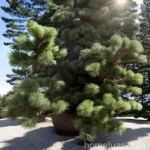
What is Pinus parviflora ‘Glauca’ (Japanese White Pine)?
Pinus parviflora ‘Glauca’, commonly known as the Japanese White Pine, is a stunning evergreen tree that is native to Japan. This beautiful ornamental tree is cherished for its aesthetic appeal, making it a popular choice for gardens, parks, and landscapes around the world. With its striking blue-green foliage and graceful form, the Japanese White Pine adds a touch of elegance and tranquility to any setting.
In this comprehensive guide, we will delve into the various aspects of caring for Pinus parviflora ‘Glauca’, including its culture, uses, maintenance requirements, and common diseases and pests. Whether you’re a gardening enthusiast, a landscape designer, or simply a lover of nature, understanding the intricacies of this remarkable tree will enhance your appreciation for its beauty and resilience.
Key Takeaways – Pinus parviflora ‘Glauca’ (Japanese White Pine)
- Scientific Name: Pinus parviflora ‘Glauca’
- Common Name: Japanese White Pine
- Plant Type: Evergreen Tree
- Native Habitat: Japan
- Foliage Color: Blue-Green
- Mature Height: 20-60 feet
- Growth Rate: Slow to Moderate
- Hardiness Zone: 5-7
- Landscape Uses: Ornamental Tree, Bonsai, Japanese Gardens
- Notable Feature: Graceful Form and Striking Foliage
Now, let’s explore the intricacies of caring for Pinus parviflora ‘Glauca’ and discover the secrets to nurturing this captivating tree to its fullest potential.
Culture
Cultivating Pinus parviflora ‘Glauca’ requires an understanding of its specific cultural requirements to ensure its optimal growth and health. From its water and sunlight needs to soil preferences, providing the right cultural conditions is essential for nurturing this elegant tree.
Water
Watering Needs:
– Japanese White Pine prefers moist, well-draining soil.
– While it is important to keep the soil consistently moist, it is crucial to avoid waterlogging as it can lead to root rot.
– During dry spells, especially in the summer months, regular watering is essential to maintain adequate soil moisture.
Sunlight
Sun Exposure:
– Japanese White Pine thrives in full sun to partial shade.
– It is crucial to provide sufficient sunlight for the tree to promote healthy growth and vibrant foliage.
– In hot climates, some afternoon shade can be beneficial to protect the tree from excessive heat and sunburn.
Soil
Soil Requirements:
– Well-draining, slightly acidic soil is ideal for Pinus parviflora ‘Glauca’.
– The soil should be rich in organic matter to support the tree’s nutrient needs.
– A soil pH range between 5.5 and 6.5 is optimal for the Japanese White Pine’s growth and development.
Uses
The Japanese White Pine offers a myriad of uses and applications, making it a versatile and valuable addition to various settings. From its ornamental value to its cultural significance, understanding the diverse uses of Pinus parviflora ‘Glauca’ sheds light on its exceptional appeal and adaptability.
Landscape Ornament:
– Japanese White Pine serves as a striking focal point in a landscape, adding elegance and visual interest.
– Its graceful form and unique foliage make it an ideal choice for Japanese-style gardens, rock gardens, and tranquil outdoor spaces.
Bonsai Cultivation:
– This species is highly prized for bonsai cultivation, revered for its ability to embody the essence of aged trees in miniature form.
– Its compact size, intricate branching, and resilient nature make it a coveted choice among bonsai enthusiasts.
Wildlife Habitat:
– The dense foliage of Pinus parviflora ‘Glauca’ provides shelter and nesting sites for birds and small wildlife, contributing to the ecosystem’s biodiversity.
Cultural Significance:
– In Japanese culture, the Japanese White Pine holds deep symbolic meaning, often associated with longevity, resilience, and harmony with nature.
Fertilizer
Providing appropriate nutrition is crucial for the overall health and vigor of Pinus parviflora ‘Glauca’. While this tree is relatively low-maintenance, periodic fertilization can promote optimal growth and foliage coloration.
Fertilization Recommendations:
- Timing:
- Apply a balanced, slow-release fertilizer in early spring before the onset of new growth.
-
Avoid fertilizing late in the growing season to prevent stimulating tender growth that may be susceptible to winter damage.
-
Fertilizer Type:
-
A fertilizer specifically formulated for acid-loving plants can provide the essential nutrients, including nitrogen, phosphorus, and potassium, while maintaining the soil pH.
-
Application Method:
- Gently work the fertilizer into the soil around the tree, ensuring it is evenly distributed within the root zone.
- Water the soil thoroughly after applying the fertilizer to aid in its absorption.
Pruning
Pruning is an essential aspect of maintaining the health, form, and aesthetic appeal of Pinus parviflora ‘Glauca’. Additionally, proper pruning practices can help manage the tree’s size, encourage branching, and enhance its overall structure.
Pruning Guidelines:
- Timing:
- Prune Japanese White Pine in late winter to early spring before the onset of new growth.
-
Avoid pruning in late spring and summer to prevent excessive sap bleeding and potential stress to the tree.
-
Tools:
- Use sharp, clean pruning shears and saws to make precise cuts without causing unnecessary damage to the branches.
-
Disinfect the pruning tools before and after use to prevent the spread of diseases.
-
Techniques:
- Remove any dead, damaged, or diseased branches by making clean cuts close to the branch collar.
- When shaping the tree, prune selectively to maintain its natural form and silhouette, avoiding excessive pruning that may harm its growth.
Propagation
While Pinus parviflora ‘Glauca’ is primarily propagated through seeds, exploring alternative propagation methods can offer propagation enthusiasts and horticulturists insights into expanding their plant collection and preserving unique cultivars.
Propagation Techniques:
- Seed Propagation:
- Collect ripe cones from the Japanese White Pine and extract the seeds.
- Prepare a well-draining, sterile growing medium and sow the seeds at the appropriate depth.
-
Keep the growing medium consistently moist and provide warmth and indirect light to promote germination.
-
Cutting Propagation:
- Softwood or hardwood cuttings can be used for propagation, although the success rate may vary.
- Rooting hormone application can aid in stimulating the development of roots from the cuttings.
- Select healthy, disease-free branches for best results.
Container Popularity
The compact size and striking appearance of Pinus parviflora ‘Glauca’ make it an excellent candidate for container gardening, offering versatility and aesthetic appeal for various outdoor and indoor settings.
Container Gardening Considerations:
- Container Selection:
- Choose a spacious container with adequate drainage holes to facilitate proper moisture management.
-
Lightweight, weather-resistant materials such as fiberglass or high-quality resin are ideal for outdoor containers.
-
Soil Mix:
- Utilize a well-draining, soilless potting mix designed for container plants enriched with organic matter.
-
Consider adding perlite or coarse sand to improve drainage and aeration within the container.
-
Placement:
- Position the container in an area that receives sufficient sunlight while providing protection from harsh winds and extreme heat.
- Rotate the container periodically to ensure even sun exposure and balanced growth.
Common Diseases
Like many ornamental plants, Pinus parviflora ‘Glauca’ is susceptible to certain diseases that can affect its health and vitality. Recognizing the symptoms and understanding appropriate disease management strategies are crucial for maintaining the tree’s well-being.
Disease Diagnosis:
Needle Blight:
– Needle blight, caused by various fungi, can result in the browning, discoloration, and premature shedding of needles.
– A thorough inspection of the tree’s needles and branches can help identify the presence of fungal pathogens.
– Proper sanitation, regular pruning of affected branches, and appropriate fungicidal treatments can help manage and prevent needle blight.
Root Rot:
– Excessive soil moisture and poor drainage can lead to root rot, causing the tree’s roots to decay and compromise its overall health.
– Symptoms include yellowing or wilting foliage, stunted growth, and a foul odor emanating from the root system.
– Improving soil drainage, avoiding overwatering, and removing affected roots can mitigate the impact of root rot.
Common Pests
In addition to diseases, Pinus parviflora ‘Glauca’ may encounter pest infestations that can pose a threat to its well-being. Recognizing common pests and implementing appropriate control measures is essential for preserving the tree’s vitality.
Common Pests:
Pine Tip Moth:
– The larvae of the pine tip moth can infest the new growth of the Japanese White Pine, causing distorted, stunted, or damaged terminal shoots.
– Inspection of the tree’s growing tips and the presence of silky webbing can indicate the presence of pine tip moth larvae.
– Cultural practices such as proper pruning techniques and the application of insecticidal treatments during the larvae’s vulnerable stage can effectively manage pine tip moth infestations.
Pine Needle Scale:
– Pine needle scale insects can congregate on the needles of Pinus parviflora ‘Glauca’, resulting in yellowing, stunted growth, and premature needle drop.
– Careful observation of the needle undersides and branches can reveal the presence of scale insects and their protective covering.
– Horticultural oils or insecticidal soaps applied during the dormant season can help control pine needle scale infestations.
Botanist’s Tips
Incorporating expert tips and best practices can elevate the care and cultivation of Pinus parviflora ‘Glauca’, allowing enthusiasts and horticulturists to maximize the tree’s inherent beauty and resilience.
Horticultural Insights:
Seasonal Maintenance:
– Conduct regular inspections of the Japanese White Pine to identify any signs of stress, disease, or pest activity.
– Schedule seasonal fertilization, pruning, and watering adjustments based on the tree’s specific needs and environmental conditions.
Soil Health:
– Prioritize soil health by enriching the growing medium with organic matter, maintaining optimal pH levels, and promoting good soil structure for root development.
Integrated Pest Management:
– Implement an integrated approach to pest control, leveraging cultural, biological, and chemical methods as needed while minimizing environmental impact.
Fun Facts
Uncover intriguing facts and curiosities that showcase the unique qualities and allure of Pinus parviflora ‘Glauca’, enriching your appreciation for this extraordinary tree.
Curious Tidbits:
- Bonsai Traditions:
-
Japanese White Pine has been cherished for centuries in the art of bonsai, embodying the essence of age, grace, and resilience in miniature form.
-
Historical Significance:
-
In Japanese culture, the “Five-Needle Pine” is revered as a symbol of longevity and steadfastness, often depicted in art and poetry.
-
Winter Interest:
-
The striking contrast of the Japanese White Pine’s blue-green foliage against the backdrop of winter landscapes adds a touch of beauty and tranquility to the scenery.
-
Wildlife Sanctuary:
- The dense, evergreen foliage of Pinus parviflora ‘Glauca’ provides shelter and protection for birds and small creatures, contributing to the biodiversity of its ecosystem.
Links to External Resources
Explore additional resources and expert insights to deepen your knowledge of Pinus parviflora ‘Glauca’ and enhance your experience in caring for this exquisite tree.
External Links:
- Royal Horticultural Society – Pinus parviflora ‘Glauca’
- Missouri Botanical Garden – Japanese White Pine
- American Conifer Society – Cultivation of Japanese White Pine
- University of Florida IFAS Extension – Pine Needle Scale Management
- National Bonsai & Penjing Museum – Japanese White Pine Bonsai
In conclusion, Pinus parviflora ‘Glauca’ embodies a harmonious blend of captivating beauty and remarkable resilience, making it a cherished addition to diverse landscapes and gardens. By understanding its cultural requirements, uses, maintenance practices, and unique attributes, you can foster a deeper appreciation for the Japanese White Pine and nurture its enduring grace in your own botanical realm. Whether as a focal point in a tranquil garden, an emblem of cultural significance, or a living work of art in the world of bonsai, the Japanese White Pine continues to captivate hearts and minds with its timeless allure.