Pinus mugo ‘Slowmound’ (Dwarf Mountain Pine): A Plant Care Guide

Introduction
Plants are an essential aspect of our environment, contributing to the aesthetic appeal and ecosystem balance. One such remarkable plant is the Pinus mugo ‘Slowmound,’ commonly known as the Dwarf Mountain Pine. This beautiful evergreen tree is a favorite among gardeners and landscaping enthusiasts due to its unique characteristics and versatility. In this comprehensive guide, we will explore the key features, cultivation techniques, uses, and maintenance practices related to the Pinus mugo ‘Slowmound.’ Whether you are a seasoned gardener or a novice enthusiast, this guide will provide valuable insights into nurturing and leveraging the full potential of this magnificent plant.
What is Pinus mugo ‘Slowmound’ (Dwarf Mountain Pine)?
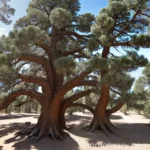
The Pinus mugo ‘Slowmound,’ a cultivar of the species Pinus mugo, is a compact and slow-growing evergreen conifer that belongs to the family Pinaceae. Originating from the mountainous regions of Central and Southern Europe, this delightful plant is admired for its dense, dome-shaped form and rich green foliage. Its slow growth and adaptive nature make it an ideal choice for various landscape designs, including rock gardens, border plantings, and container gardens.
The ‘Slowmound’ variety of Pinus mugo typically reaches a mature height of around 2 to 3 feet with a slightly wider spread, making it a perfect option for smaller gardens and confined spaces. Its resilient nature and minimal maintenance requirements further enhance its appeal, making it a popular choice for both experienced horticulturists and beginners.
Key Takeaways – Pinus mugo ‘Slowmound’ (Dwarf Mountain Pine)
Before delving into the specifics of cultivating and caring for the Pinus mugo ‘Slowmound,’ let’s take a quick look at some key takeaways that will be explored in detail in the subsequent sections.
- Plant Name: Pinus mugo ‘Slowmound’ (Dwarf Mountain Pine)
- Common Name: Dwarf Mountain Pine
- Family: Pinaceae
- Growth Habit: Compact, Dome-shaped
- Mature Height: 2-3 feet
- Sunlight Needs: Full sun to partial shade
- Water Requirements: Low to moderate
- Soil Preferences: Well-drained, acidic to neutral
- Uses: Rock gardens, borders, containers, low maintenance landscapes
- Disease Resistance: Drought-tolerant, pest-resistant
- Maintenance: Minimal pruning, occasional fertilization
- Propagation: Seeds, cuttings
- Winter Hardiness: Cold-hardy
Now that we have an overview of the Dwarf Mountain Pine, let’s delve deeper into its culture, uses, and maintenance requirements to ensure its optimal growth and performance in various gardening settings.
Culture
Understanding the cultural requirements of the Pinus mugo ‘Slowmound’ is essential for successfully incorporating it into your garden or landscape. Here are the primary cultural aspects to consider when cultivating this versatile plant.
Water
The water requirements of the Pinus mugo ‘Slowmound’ are relatively low once it is established. However, like many other plants, it is crucial to provide sufficient moisture, especially during the initial establishment phase. Proper watering practices play a significant role in promoting healthy root development and overall growth.
Watering Guidelines:
- Establishment Phase: During the first year after planting, ensure regular watering to keep the soil consistently moist, but not waterlogged. This is particularly important during periods of drought or extreme heat.
- Mature Plants: Once the plant is well-established, it can thrive with minimal supplemental watering, relying primarily on natural rainfall. However, in prolonged dry spells, it is advisable to provide moderate irrigation to prevent moisture stress.
Sunlight
The Pinus mugo ‘Slowmound’ thrives in full sun to partial shade conditions, exhibiting its best growth and form when exposed to ample sunlight. Adequate sunlight is essential for photosynthesis and the development of the plant’s characteristic dense foliage. When selecting a planting location, ensure that the chosen site receives the recommended amount of sunlight based on the plant’s preferences.
Sunlight Recommendations:
- Full Sun: Ideally, position the Dwarf Mountain Pine in a location that receives at least 6-8 hours of direct sunlight daily. Full sun exposure encourages compact growth and enhances the deep green color of the foliage.
- Partial Shade: In hotter regions, providing some protection from intense afternoon sun can be beneficial, especially during the peak of summer. However, ensure that the plant still receives a significant amount of diffuse light to maintain its vigor.
Fertilizer
Proper fertilization is crucial for supporting the growth and vigor of the Pinus mugo ‘Slowmound.’ While it is generally considered a low-maintenance plant, providing essential nutrients can contribute to improved overall health and appearance.
Fertilization Tips:
- Timing: Apply a balanced, slow-release fertilizer in early spring before the onset of new growth. This helps ensure that the plant has access to vital nutrients as it enters its active growing phase.
- Composition: Choose a fertilizer specifically formulated for evergreen trees or shrubs, preferably with a balanced ratio of essential nutrients such as nitrogen, phosphorus, and potassium.
- Application: Spread the fertilizer evenly around the base of the plant, following the manufacturer’s recommended rates. Avoid direct contact between the fertilizer and the plant’s foliage to prevent any potential damage.
Soil
The selection of suitable soil and proper soil management are crucial for the optimal growth and development of Pinus mugo ‘Slowmound.’ Understanding the plant’s soil preferences is essential for creating an environment conducive to its thriving.
Soil Preferences:
- Drainage: Well-drained soil is essential to prevent waterlogging, which can lead to root rot and other issues. The Dwarf Mountain Pine prefers soils with good drainage, particularly in regions with higher precipitation levels.
- Acidity: While adaptable to a range of soil pH levels, Pinus mugo ‘Slowmound’ generally thrives in slightly acidic to neutral soils. Conduct a soil test to determine the pH of the planting area and make adjustments if necessary using suitable amendments.
Pruning
Pruning is an essential aspect of maintaining the form and appearance of the Pinus mugo ‘Slowmound.’ While it is naturally compact and requires minimal pruning, occasional maintenance is beneficial for removing any dead or damaged growth and shaping the plant as desired.
Pruning Guidelines:
- Timing: Prune the Dwarf Mountain Pine during the early spring months before the onset of new growth. This allows the plant to recover and initiate fresh growth during the growing season.
- Tools: Use sharp, clean pruning shears to make precise cuts, particularly when removing individual branches or shaping the overall form of the plant. Disinfect the tools before and after use to prevent the spread of diseases.
- Limitation: Avoid excessive pruning, as this can disrupt the natural form and growth pattern of the plant. Focus on selective removal of specific branches and maintaining the desired shape.
Propagation
The propagation of Pinus mugo ‘Slowmound’ can be achieved through various methods, including seed propagation and vegetative propagation using cuttings. Understanding the propagation techniques allows gardeners to expand their plant collection and share the beauty of this delightful evergreen.
Seed Propagation:
Seed propagation is one of the primary methods for propagating Pinus mugo ‘Slowmound.’ While it may take longer to produce mature plants compared to vegetative methods, growing from seeds can be a rewarding and cost-effective approach.
Seed Propagation Steps:
- Seed Collection: Gather mature cones from the parent plant and extract the seeds. Choose seeds that are plump, undamaged, and viable for germination.
- Preparation: Cold stratify the seeds by placing them in a damp paper towel within a sealed plastic bag and refrigerating them for a few weeks to simulate the winter conditions necessary for germination.
- Sowing: Plant the stratified seeds in small containers filled with a well-draining seed starting mix. Keep the soil consistently moist and maintain a warm, bright environment for germination to occur.
Vegetative Propagation:
Vegetative propagation using cuttings is an efficient method for creating new plants that are genetically identical to the parent plant, ensuring the retention of desired traits and characteristics.
Cutting Propagation Process:
- Selection: Choose healthy, non-flowering shoots from the parent plant to serve as the source of cuttings. Select segments that exhibit vigorous growth and free from any signs of disease or damage.
- Preparation: Prepare the cuttings by making clean, diagonal cuts just below a node. Remove any lower leaves to expose the nodes and reduce moisture loss.
- Rooting Medium: Dip the base of the cuttings in a rooting hormone to promote the development of roots, then plant them in a well-draining rooting medium such as perlite or a mix of peat and sand.
- Rooting Environment: Provide the cuttings with consistent moisture and a warm, humid environment to encourage the formation of roots. Utilize a clear plastic covering or a misting system to maintain high humidity levels.
Container Popularity
The compact nature and slow growth habit of Pinus mugo ‘Slowmound’ make it an excellent choice for container gardening. Its adaptability to container environments provides opportunities for gardeners with limited space to incorporate this charming evergreen into their designs.
Container Gardening Considerations:
- Container Selection: Choose a spacious container with sufficient drainage holes to ensure proper moisture management. Consider using a potting mix specifically formulated for container plants, providing adequate aeration and drainage.
- Placement: Position the container in a location that aligns with the plant’s sunlight requirements, usually in an area that receives ample sunlight for a significant portion of the day.
- Maintenance: Regularly monitor the moisture levels within the container, particularly during hot and dry periods. Container plants may require more frequent watering compared to those planted directly in the ground.
Common Diseases
While the Pinus mugo ‘Slowmound’ is renowned for its resilience, it is susceptible to certain diseases, particularly when growing in unfavorable conditions or encountering stress factors. Understanding the common diseases and their management is vital for ensuring the plant’s long-term health.
Disease Diagnosis:
- Needle Blight: Needle blight diseases, such as Dothistroma needle blight and brown spot needle blight, can affect the needles of the Dwarf Mountain Pine, causing discoloration, browning, and premature shedding.
- Root Rot: Overly wet or poorly drained soils can lead to root rot, evidenced by the development of rotting roots and a decline in overall plant health.
- Tip Blight: Fungal pathogens can cause tip blight, leading to dieback of the new growth and affecting the aesthetic appeal of the plant.
- Canker Diseases: Canker diseases, including Cytospora canker, can manifest as sunken areas on the bark, leading to the dieback of branches and potential long-term decline.
Disease Management:
- Cultural Practices: Ensure proper site selection and cultural practices, such as providing well-drained soil, adequate spacing, and appropriate watering, to mitigate disease risks.
- Sanitation: Remove and dispose of any infected plant material, including fallen needles and diseased branches, to prevent the spread of pathogens.
- Fungicidal Treatments: In severe cases of fungal diseases, application of targeted fungicides may be necessary as per the recommendations of a certified horticulturist or plant health specialist.
Common Pests
While relatively resistant to pests, the Pinus mugo ‘Slowmound’ may occasionally encounter certain insect pests that can impact its health and appearance. Identifying and addressing pest issues promptly is essential for maintaining the plant’s vitality.
Pest Identification:
- Aphids: Small, soft-bodied insects that feed on the new growth, often present in colonies and causing distortion of the foliage.
- Spider Mites: Tiny arachnids that may infest the needles of the plant, causing stippling and discoloration.
- Pine Sawfly Larvae: The larvae of pine sawflies can consume the needles, leading to defoliation and reduced vigor of the plant.
Pest Management:
- Biological Control: Encourage natural predators and beneficial insects that feed on pest populations, such as ladybugs and lacewings, to help manage aphid and mite infestations.
- Horticultural Oils: Application of horticultural oils can help suffocate and control spider mite populations, particularly when applied during the vulnerable stages of the pests.
- Insecticidal Sprays: In cases of severe infestations, targeted insecticidal sprays may be utilized following the manufacturer’s guidelines and environmental considerations.
Botanist’s Tips
To ensure the successful cultivation and enjoyment of Pinus mugo ‘Slowmound,’ here are some valuable tips and recommendations from botanists and horticultural experts.
Botanist’s Recommendations:
- Site Selection: Choose planting locations that offer well-drained soil, ample sunlight, and sufficient space for the plant to develop its natural form.
- Minimal Disturbance: Minimize disturbances around the plant, particularly during its establishment phase, to allow for healthy root development and acclimatization to its environment.
- Mulching: Apply a layer of organic mulch around the base of the plant to conserve moisture, insulate the roots, and suppress weed growth.
- Observation: Regularly observe the plant for any signs of stress, disease, or pest infestations, and take prompt action to address any issues that arise.
Fun Facts
Delve into some engaging and intriguing facts about the Pinus mugo ‘Slowmound’ that further highlight its appeal and importance in garden landscapes.
Fascinating Tidbits:
- The resilient and compact nature of the Dwarf Mountain Pine makes it a popular choice for alpine gardens and rockeries, thriving in challenging conditions with ease.
- While primarily valued for its ornamental qualities, the Pinus mugo ‘Slowmound’ also contributes to biodiversity, providing cover and nesting sites for certain wildlife species.
- The attractive cones of the plant add seasonal interest and can persist on the branches for extended periods, enhancing the visual allure of the tree.
- The slow growth habit of the plant makes it an exceptional choice for low-maintenance landscapes and areas where minimal intervention is preferred.
Links to External Resources
Explore further resources and information related to the Pinus mugo ‘Slowmound’ to expand your knowledge and appreciation of this remarkable plant.
- Royal Horticultural Society – Pinus mugo ‘Slowmound’
- Missouri Botanical Garden – Pinus mugo ‘Slowmound’
- University of Florida IFAS Extension – Dwarf Mountain Pine
Conclusion
As we conclude this comprehensive guide on Pinus mugo ‘Slowmound’ (Dwarf Mountain Pine), we trust that you have gained valuable insights into the characteristics, cultivation techniques, and care practices associated with this exceptional plant. Whether you are considering adding it to your garden, landscape, or container display, the adaptable and visually appealing nature of the Dwarf Mountain Pine makes it a valuable addition to diverse horticultural settings. By understanding its water, sunlight, soil, and maintenance requirements, you can ensure its flourishing presence and appreciate the enduring beauty it brings to the natural environment.
Remember, successful plant care involves a blend of knowledge, observation, and appreciation for the unique attributes that each plant offers. By incorporating the principles outlined in this guide and leveraging the valuable resources available, you can embark on an enriching journey of nurturing and celebrating the splendor of the Pinus mugo ‘Slowmound’ in your own green spaces and landscapes.