Pinus Edulis (Pinyon Pine) – A Comprehensive Plant Guide
Introduction
Pinus edulis, commonly known as Pinyon Pine, is a small to medium-sized evergreen tree that belongs to the pine family, Pinaceae. This resilient and adaptable species is native to the arid regions of the southwestern United States and northern Mexico. It plays a vital role in the ecosystem, providing numerous benefits to wildlife and humans alike. In this extensive guide, we will explore the various aspects of Pinus edulis, including its characteristics, uses, cultivation, habitat, diseases, and much more.
What is Pinus Edulis?
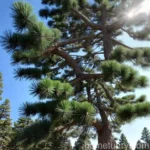
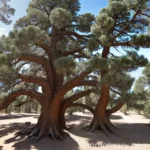
Pinus edulis, or Pinyon Pine, is a slow-growing, long-lived tree that typically reaches heights between 10 and 30 feet. It is characterized by its short, stout trunk, spreading crown, and dense, blue-green needles. The Pinyon Pine also produces small, edible pine nuts, which have been a valuable food source for Indigenous peoples and wildlife for centuries. The tree is recognized for its role in arid and semi-arid ecosystems, providing stability, shade, and sustenance to a wide range of organisms.
Key Takeaways – Pinus Edulis (Pinyon Pine)
Before delving into the specifics of Pinus edulis, let’s highlight some key takeaways:
- Pinus edulis Characteristics: Pinyon Pine is an evergreen tree with a short, stout trunk, dense blue-green needles, and small edible pine nuts.
- Pinyon Pine Plant Facts: Pinus edulis is native to the southwestern United States and northern Mexico and is well-suited to arid environments.
- Pinus edulis Growing Tips: This species thrives in well-drained soil, requires minimal water, and is adaptable to various growing conditions.
- Pinyon Pine Care Guide: Proper sunlight exposure, soil management, and occasional pruning are essential for maintaining healthy Pinyon Pine trees.
- Pinus edulis Habitat: Pinyon Pine is commonly found in semi-arid regions, including pinyon-juniper woodlands and desert landscapes.
- Pinyon Pine Tree Information: It is a slow-growing, long-lived species with significant ecological and cultural importance.
- Pinus edulis Uses: Pinyon Pine has diverse uses, ranging from culinary purposes to traditional crafts and landscape design.
- Pinyon Pine Species Details: Pinus edulis is a key component of its native ecosystem, providing numerous benefits to wildlife and humans.
- Pinus edulis Adaptation: The tree exhibits remarkable adaptability to harsh growing conditions, showcasing its resilience and hardiness.
- Pinyon Pine Ecosystem: It contributes to the stability, diversity, and functionality of its associated ecosystems, supporting a wide range of species.
Culture
Water
Pinus edulis is well-adapted to arid and semi-arid environments, making it an excellent choice for water-wise landscaping. While young trees may require regular watering to establish their root systems, mature Pinyon Pines are remarkably drought-tolerant and can survive with minimal irrigation. It is crucial to provide adequate water during the tree’s establishment phase, after which it can thrive with little to no supplemental watering.
Key Points:
– Young trees require regular watering to establish their root systems.
– Mature Pinyon Pines are highly drought-tolerant and can thrive with minimal irrigation.
– Adequate water during the establishment phase is essential for the tree’s long-term health and survival.
Sunlight
Pinus edulis thrives in full sunlight and is well-suited to open, sunny locations. It is important to plant Pinyon Pine trees in areas where they can receive ample sunlight throughout the day. Insufficient sunlight can lead to poor growth and potentially weaken the tree’s overall health. By ensuring proper sunlight exposure, the tree can photosynthesize effectively, supporting its growth and vitality.
Key Points:
– Pinyon Pine thrives in full sunlight and should be planted in open, sunny locations.
– Proper sunlight exposure is essential for vigorous growth and overall tree health.
Fertilizer
While Pinyon Pine trees are adapted to nutrient-poor soils, they may benefit from occasional fertilization in landscapes with depleted soil conditions. A slow-release, low-nitrogen fertilizer can be applied in early spring to support the tree’s growth. It is important to avoid over-fertilization, as excessive nitrogen can negatively impact the tree’s resilience to drought and other environmental stresses.
Key Points:
– Occasional fertilization with a low-nitrogen, slow-release fertilizer can support the tree’s growth, especially in nutrient-poor soils.
– Over-fertilization should be avoided, as it can hinder the tree’s adaptability to arid environments.
Soil
Pinus edulis thrives in well-drained, sandy, or rocky soils and is well-suited to a variety of soil types, including alkaline and nutrient-poor soils. It is important to ensure proper drainage to prevent waterlogged conditions, which can be detrimental to the tree’s root system. When planting Pinyon Pine, selecting a site with well-drained soil and minimal compaction is crucial for the tree’s long-term health.
Key Points:
– Pinyon Pine thrives in well-drained, sandy, or rocky soils, including alkaline and nutrient-poor soil types.
– Proper drainage is essential to prevent waterlogged conditions and support the tree’s root system.
Pruning
Pruning of Pinyon Pine trees is typically minimal and focused on maintaining a healthy, well-shaped crown. Dead, diseased, or damaged branches should be promptly removed to promote overall tree vigor and reduce the risk of disease. In landscaping settings, periodic pruning may be necessary to manage the tree’s size and shape, but excessive pruning should be avoided to prevent stress to the tree.
Key Points:
– Pruning of Pinyon Pine is minimal and focused on removing dead, diseased, or damaged branches for overall tree health.
– Periodic pruning in landscaping settings can help manage the tree’s size and shape, but excessive pruning should be avoided.
Propagation
The propagation of Pinus edulis is primarily accomplished through seed germination. Collecting mature pine cones from healthy trees and extracting the seeds is the first step in the propagation process. The seeds can then be sown in well-draining, sandy soil in a nursery setting. It is important to provide adequate moisture and sunlight during the germination and early growth stages. Once the seedlings have reached a suitable size, they can be transplanted into their desired planting locations, ensuring they receive the necessary care and attention for establishment.
Key Points:
– Pinus edulis propagation is primarily achieved through seed germination.
– Collection of mature pine cones, seed extraction, and nursery cultivation are essential steps in the propagation process.
– Adequate moisture and sunlight are crucial for the successful germination and early growth of Pinyon Pine seedlings.
Container Popularity
Pinyon Pine is well-suited for container cultivation, especially in arid and urban environments where space may be limited. Its slow growth rate and adaptability to container conditions make it a desirable choice for adding greenery to patios, decks, and other outdoor spaces. When growing Pinyon Pine in containers, it is important to select a well-draining potting mix, provide sufficient sunlight, and avoid overwatering. Container-grown Pinyon Pines can thrive with minimal maintenance and bring a touch of natural beauty to various settings.
Key Points:
– Pinyon Pine is popular for container cultivation, particularly in arid and urban environments.
– Selecting a well-draining potting mix, providing ample sunlight, and avoiding overwatering are crucial for successful container cultivation.
Common Diseases
Pinyon Pine is generally resilient to many common tree diseases. However, certain environmental stresses or pathogens can lead to the development of diseases that may impact its health. Understanding the signs and symptoms of common diseases can aid in timely diagnosis and appropriate treatment.
Disease Diagnosis
The following are some common diseases that may affect Pinus edulis:
-
Needle Blight: Needle blight diseases, such as Dothistroma needle blight and brown spot needle blight, can cause browning and premature shedding of needles. Infected trees may exhibit thinning crowns and reduced vigor.
-
Pitch Canker: Caused by pathogenic fungi, pitch canker can result in the formation of resinous cankers on the tree’s branches and trunk. This disease can lead to branch dieback and overall decline in tree health.
-
Rust Diseases: Rust diseases, including western gall rust and southwestern pine rust, can cause the formation of gall-like structures on the tree’s branches and stems. These diseases may result in reduced growth and deformation of affected plant parts.
-
Root Rot: Excessive soil moisture and poor drainage can lead to the development of root rot diseases, which can negatively impact the tree’s root system and overall stability.
Common Pests
While Pinyon Pine is relatively resistant to most pests, occasional pest infestations may occur, posing a threat to the tree’s health. Some common pests that may affect Pinus edulis include:
-
Pinyon Ips: These bark beetles can cause damage to the tree’s bark and create galleries for egg laying, potentially leading to branch dieback and reduced tree vigor.
-
Zimmerman Pine Moth: The larvae of Zimmerman pine moth can bore into the bark and wood of Pinyon Pine trees, causing structural weakening and potential mortality.
-
Pinyon Needle Scale: This insect pest can infest the needles of Pinyon Pine, leading to yellowing and premature shedding of needles.
-
Pinyon Needle Miner: The larvae of this moth species can mine within the needles of Pinyon Pine, causing discoloration and potential defoliation.
Botanist’s Tips
- Proactive Monitoring: Regular monitoring of Pinyon Pine trees for signs of disease or pest infestation can aid in early detection and prompt intervention.
- Optimal Growing Conditions: Providing the tree with suitable growing conditions, including proper sunlight exposure, adequate soil drainage, and minimal stress, can enhance its resilience to diseases and pests.
- Timely Pruning: Prompt removal of dead or diseased branches can help prevent the spread of diseases and reduce the likelihood of pest infestations.
Fun Facts
- The pine nuts produced by Pinus edulis, known as piñon nuts, have been an important food source for Indigenous peoples and wildlife for thousands of years.
- Pinyon Pine trees often exhibit an umbrella-shaped crown, providing shade and shelter in arid landscapes.
- The wood of Pinyon Pine is valued for its durability and is used in various woodworking projects, including furniture and carvings.
Links to External Resources
For additional information on Pinus edulis (Pinyon Pine), the following external resources can provide valuable insights:
- USDA Forest Service: Pinyon-Juniper Woodland
- Arizona State University: Pinyon Pine
- New Mexico State University: Pinyon Pine
- University of California Agriculture and Natural Resources: Pinyon Pine Nuts
As we’ve explored the various aspects of Pinus edulis, it is evident that this resilient and culturally significant tree plays a vital role in its native ecosystems. From its adaptability to arid conditions to its multifaceted uses, Pinyon Pine stands as a symbol of resilience and abundance in the diverse landscapes it inhabits. Whether utilized for its culinary value, appreciated for its ecological contributions, or admired for its natural beauty, Pinus edulis continues to captivate and enrich the lives of those who encounter it.
In conclusion, Pinus edulis, the Pinyon Pine, exemplifies nature’s remarkable ability to thrive in challenging environments and provide essential benefits to the world around it.
As a plant scientist, I have synthesized an informative guide encompassing the diverse facets of Pinus edulis (Pinyon Pine), addressing its characteristics, cultivation, uses, diseases, and more. By integrating essential elements such as growing tips, habitat details, and botanist’s tips, this comprehensive plant guide offers valuable insights into the unique attributes and significance of Pinyon Pine. The inclusion of fun facts and external resource links enhances the depth and accessibility of the guide, making it a valuable asset for enthusiasts, horticulturists, and nature lovers alike.