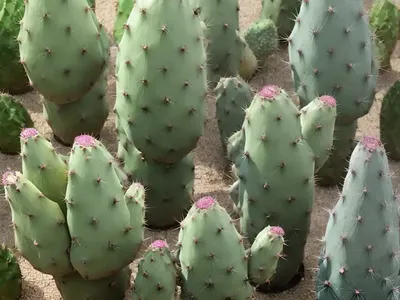
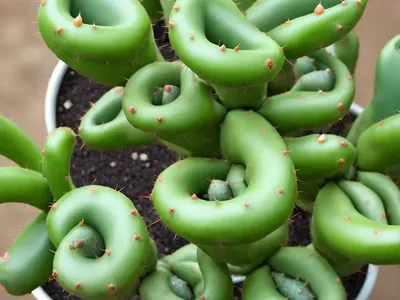
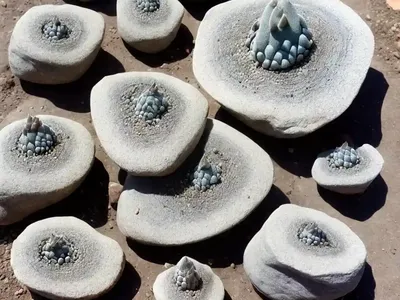
Opuntia Fragilis (Brittle Prickly Pear)
Opuntia fragilis, more commonly known as Brittle Prickly Pear, is a fascinating and versatile plant species that has gained popularity for its unique.
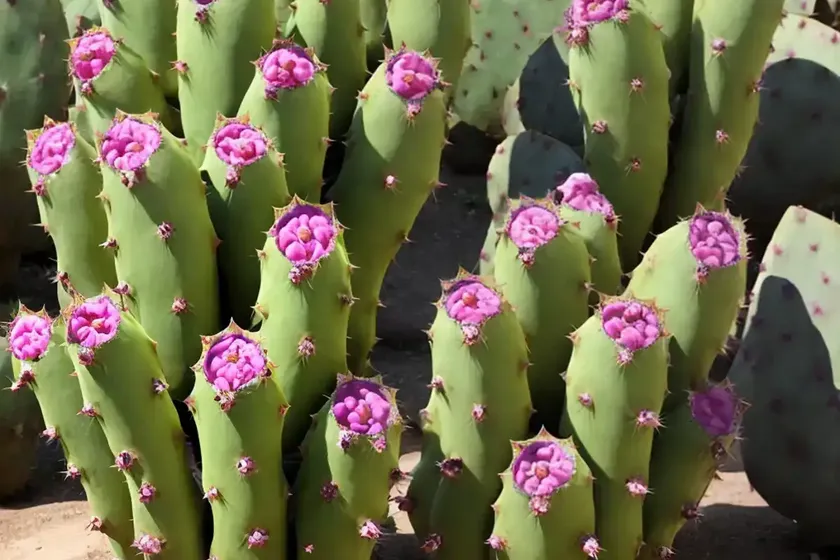
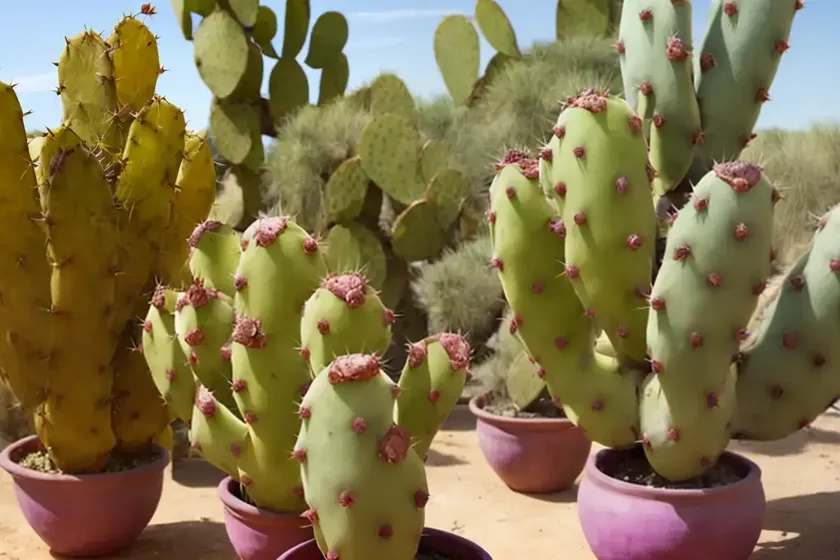
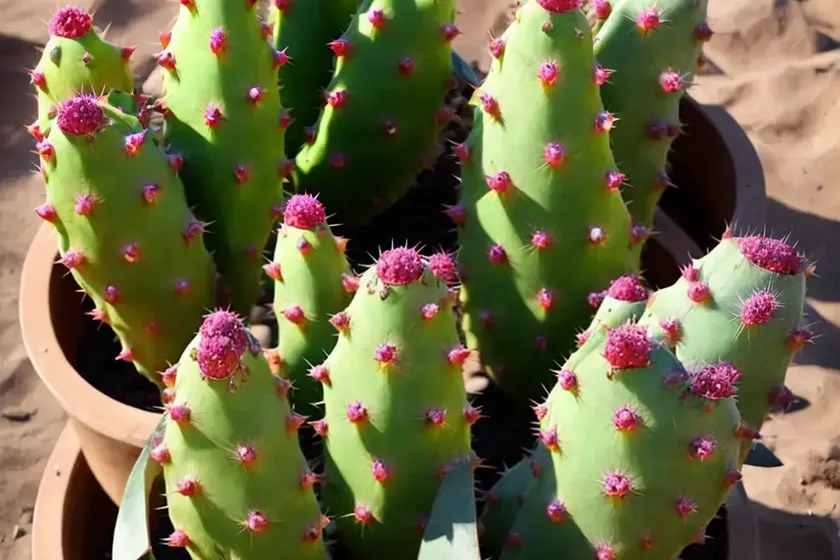
Opuntia fragilis, more commonly known as Brittle Prickly Pear, is a fascinating and versatile plant species that has gained popularity for its unique characteristics and various uses. This blog post aims to delve into the essential attributes and plant care requirements of Opuntia fragilis, as well as its cultivation, natural habitat, propagation methods, potential uses, and more. Whether you are an experienced gardener or just beginning to explore the world of plants, this comprehensive guide will provide valuable insights into the world of Brittle Prickly Pear.
Opuntia fragilis Attributes
Opuntia fragilis belongs to the genus Opuntia within the Cactaceae family. It is renowned for its distinctive appearance, characterized by flat, fleshy pads and sharp spines. The plant’s adaptability to arid environments, low maintenance requirements, and ornamental value make it a popular choice for landscaping and container gardening. Understanding the key attributes of Opuntia fragilis is crucial for successfully cultivating and caring for this unique plant species.
Brittle Prickly Pear Characteristics
The Brittle Prickly Pear, as the name suggests, features delicate and easily breakable pads, adding a layer of uniqueness to its overall appeal. Its adaptability and ability to thrive in harsh conditions make it an excellent choice for xeriscaping and sustainable gardening practices. Additionally, its vibrant flowers and edible fruits contribute to its ornamental and practical value, making it a versatile addition to any garden or landscape.
Opuntia fragilis Plant Care
Cultivating Opuntia fragilis requires a good understanding of its care requirements, including water, sunlight, soil, fertilizer, and pruning. These essential aspects of plant care play a significant role in ensuring the health and vitality of Brittle Prickly Pear plants.
Water
Opuntia fragilis exhibits exceptional drought tolerance, making it well-suited for dry and arid environments. When grown in containers or gardens, it is essential to allow the soil to dry out between watering to prevent issues such as root rot. In regions with regular rainfall, minimal additional watering may be necessary, as the plant has evolved to thrive in low-moisture conditions.
Sunlight
Brittle Prickly Pear plants thrive in full sunlight and require at least six hours of direct sunlight per day to support healthy growth and flowering. Insufficient sunlight may result in decreased flower production and elongated or weakened growth, so it is essential to position the plant in a location that receives ample sunlight.
Fertilizer
Opuntia fragilis has relatively low fertilizer requirements and can thrive in nutrient-poor soils. An annual application of a balanced, low-nitrogen fertilizer in early spring can support healthy growth and flowering. It is important to avoid excessive fertilization, as this can lead to excessively lush growth and reduced drought tolerance.
Soil
Well-draining soil is crucial for the successful cultivation of Brittle Prickly Pear. Sandy or gravelly soils with low organic matter content are ideal, as they mimic the plant’s natural habitat and prevent waterlogging. Additionally, a slightly acidic to neutral soil pH range of 6.0 to 7.5 is optimal for supporting the plant’s nutrient uptake and overall health.
Pruning
Pruning requirements for Opuntia fragilis are minimal, primarily focusing on the removal of damaged or diseased pads and the shaping of the plant for aesthetic purposes. The brittle nature of the pads requires gentle handling to prevent breakage, making pruning a delicate but infrequent task.
Brittle Prickly Pear Cultivation
Understanding the key steps involved in cultivating Opuntia fragilis is essential for establishing healthy and resilient plants. Whether grown outdoors or in containers, the following factors contribute to successful Brittle Prickly Pear cultivation.
Propagation Methods
Opuntia fragilis can be propagated through various methods, including seed propagation, pad cuttings, and grafting. Each method offers unique advantages and challenges, allowing growers to choose the most suitable approach based on their specific requirements and available resources. Seed propagation is an effective method for producing new plants, while pad cuttings offer a quicker means of propagation and the preservation of specific cultivars.
Outdoor Planting
When planting Brittle Prickly Pear outdoors, it is essential to consider its natural habitat and environmental preferences. Selecting a well-draining, sunny location free from excessive moisture is crucial to prevent issues such as root rot. Additionally, providing adequate spacing between plants allows for optimal air circulation and reduces the risk of pest and disease development.
Indoor Care
For gardeners in regions with extreme winter conditions, indoor cultivation of Opuntia fragilis allows for year-round enjoyment of this unique plant. When grown indoors, providing ample sunlight, well-draining soil, and controlled watering practices is essential for maintaining the plant’s health and vigor. Additionally, indoor growing environments should mimic the plant’s natural habitat to promote optimal growth and flowering.
Brittle Prickly Pear Species Information
Opuntia fragilis is a species of prickly pear cactus native to North America, where it can be found in a variety of habitats, ranging from arid deserts to grasslands and rocky slopes. Its natural distribution and adaptability to diverse environmental conditions contribute to its resilience and ability to thrive in different settings. Understanding its natural habitat and growth habits is crucial for successfully cultivating Brittle Prickly Pear in gardens and landscapes.
Opuntia fragilis Growth Habits
The growth habits of Opuntia fragilis are characterized by its low, spreading growth and the development of thick, fleshy pads. As the plant matures, it may produce offsets, resulting in the formation of dense clumps or clusters. Understanding the plant’s growth habits is essential for efficient space planning and the prevention of overcrowding in garden or container settings.
Brittle Prickly Pear Varieties
Opuntia fragilis encompasses several recognized varieties, each boasting distinct characteristics such as pad color, flower color, and overall size. Exploring the diverse varieties of Brittle Prickly Pear allows gardeners to select plants that align with their design preferences and environmental conditions, ultimately enhancing the visual appeal and diversity within their gardens and landscapes.
Opuntia fragilis Drought Tolerance
The remarkable drought tolerance of Opuntia fragilis makes it an ideal choice for regions prone to water scarcity and arid climate conditions. The plant’s ability to store water within its fleshy pads enables it to withstand prolonged periods of drought without significant negative effects. Embracing plants with exceptional drought tolerance contributes to water conservation efforts and sustainable gardening practices.
Brittle Prickly Pear Disease Prevention
While Opuntia fragilis is relatively resistant to many common plant diseases, preventative measures can help minimize the risk of issues such as root rot and fungal infections. Maintaining well-draining soil, practicing controlled watering, and avoiding overhead irrigation are key strategies for preventing moisture-related diseases. Additionally, regular monitoring for signs of disease and prompt intervention can effectively mitigate potential issues.
Opuntia fragilis Pest Control
Pest management is crucial for preserving the health and vigor of Brittle Prickly Pear plants. While the plant is relatively resistant to many pests, occasional infestations of scales, mealybugs, and aphids may occur. Implementing integrated pest management strategies, such as the introduction of natural predators and the use of horticultural oils, can effectively control pest populations while minimizing the use of chemical interventions.
Brittle Prickly Pear Pruning Techniques
Pruning Opuntia fragilis, while minimal, is essential for maintaining the plant’s appearance and health. The removal of damaged or diseased pads, as well as the shaping of the plant to control its size and form, contributes to its overall attractiveness in garden and landscape settings. When pruning Brittle Prickly Pear, it is crucial to handle the delicate pads with care to prevent breakage and injury to the plant.
Opuntia fragilis Flowering Cycle
The flowering cycle of Opuntia fragilis typically occurs in late spring to early summer, producing vibrant blooms in various shades of yellow, orange, and red. The plant’s flowers not only add ornamental value but also serve as a valuable nectar source for pollinators such as bees and butterflies. Understanding the flowering cycle of Brittle Prickly Pear allows for optimal timing of maintenance tasks and the appreciation of its blooming beauty.
Brittle Prickly Pear Fruit Production
Following the flowering cycle, Opuntia fragilis produces distinctive fruits known as tunas or prickly pear fruits. These fruits are edible and prized for their unique flavor and nutritional value. Harvesting mature fruits and incorporating them into culinary creations allows for a deeper appreciation of the plant’s multifaceted benefits and contributes to sustainable food practices.
Opuntia fragilis Uses and Benefits
The uses and benefits of Opuntia fragilis extend beyond its ornamental value, encompassing practical, culinary, and medicinal applications. Exploring the diverse uses of Brittle Prickly Pear highlights its cultural significance and ecological contributions, making it a valuable addition to diverse landscapes and gardens.
Brittle Prickly Pear Medicinal Properties
In addition to its ornamental and culinary uses, Opuntia fragilis exhibits medicinal properties valued in traditional and alternative medicine practices. The plant’s pads, fruits, and other plant parts contain compounds with potential anti-inflammatory, antioxidant, and wound-healing properties, contributing to its role in natural remedies and wellness applications.
Opuntia fragilis Seasonal Care
Adapting plant care practices to suit the changing seasons is essential for maintaining the health and vitality of Brittle Prickly Pear. Seasonal adjustments in watering, fertilization, and protection from extreme weather conditions contribute to the plant’s ability to thrive and flourish throughout the year.
Brittle Prickly Pear Landscape Design
The unique attributes of Opuntia fragilis make it an ideal candidate for landscape design, especially in regions characterized by arid and semi-arid climates. Utilizing Brittle Prickly Pear in landscape designs offers sustainable and water-wise solutions, while its striking visual appeal and low maintenance requirements enhance the overall aesthetics of garden and outdoor spaces.
Opuntia fragilis Wildlife Attraction
The flowers and fruits of Opuntia fragilis attract a diverse array of wildlife, including pollinators and small mammals. Embracing Brittle Prickly Pear in garden and landscape settings promotes biodiversity and supports local ecosystems by providing essential food and habitat resources for wildlife.
Brittle Prickly Pear Companion Plants
Selecting suitable companion plants to grow alongside Opuntia fragilis enhances the visual appeal, ecological balance, and overall functionality of garden and landscape settings. Drought-tolerant and sun-loving plants that complement the ornamental and environmental qualities of the Brittle Prickly Pear contribute to harmonious and sustainable gardening practices.
Opuntia fragilis Container Gardening
The adaptability of Opuntia fragilis to container gardening makes it a versatile choice for urban and small-space settings. When grown in containers, the plant’s unique characteristics and low maintenance requirements contribute to its appeal as a resilient and ornamental addition to patios, balconies, and outdoor living spaces.
Brittle Prickly Pear Sustainable Gardening
Incorporating Opuntia fragilis into sustainable gardening practices aligns with principles of water conservation, biodiversity support, and environmental stewardship. The plant’s ability to thrive in low-moisture conditions, its resilience to environmental stressors, and its positive ecological contributions make it an asset to sustainable gardening initiatives.
Opuntia fragilis Outdoor Decoration
Opuntia fragilis serves as a distinctive and resilient outdoor decoration, adding visual interest and dynamic texture to diverse garden and landscape settings. Its ability to thrive in challenging environmental conditions and its low maintenance requirements make it an appealing choice for enhancing outdoor spaces with minimal upkeep.
Brittle Prickly Pear Garden Maintenance
Regular maintenance practices, including monitoring for signs of disease or pest infestations, minimal pruning, and occasional fertilization, contribute to the overall health and vigor of Brittle Prickly Pear plants. Embracing proactive maintenance strategies supports the plant’s resilience and visual appeal in garden and landscape settings.
Opuntia fragilis Propagation Tips
Successfully propagating Opuntia fragilis through seeds, pad cuttings, or grafting techniques requires careful attention to detail and an understanding of the plant’s growth habits and propagation preferences. By following effective propagation tips, gardeners can increase their plant stock and select specific varieties for cultivation.
Brittle Prickly Pear Garden Design Ideas
Incorporating Opuntia fragilis into garden designs offers a myriad of creative possibilities, ranging from xeriscapes to rock gardens and mixed perennial borders. Embracing Brittle Prickly Pear in garden design allows for the creation of visually captivating, water-wise, and sustainable outdoor spaces that reflect the plant’s unique characteristics and ecological benefits.
Opuntia fragilis Plant Arrangement
Strategic plant arrangement is essential for creating visually appealing and functional garden and landscape designs that feature Opuntia fragilis. Considering the plant’s growth habits, mature size, and ornamental qualities contributes to harmonious plant arrangements that maximize the plant’s impact and overall aesthetic appeal.
Brittle Prickly Pear Natural Remedies
The potential medicinal properties of Opuntia fragilis have been recognized in various cultures, leading to the development of natural remedies for diverse health concerns. Exploring the role of Brittle Prickly Pear in traditional medicine and wellness practices sheds light on its cultural significance and practical applications beyond ornamental and culinary uses.
Opuntia fragilis Sun Exposure
Opuntia fragilis thrives in full sunlight and requires ample exposure to direct sunlight to support healthy growth, flowering, and fruit production. Understanding the plant’s sun exposure preferences is critical for selecting suitable planting locations and ensuring its overall vitality and vigor.
Brittle Prickly Pear Water Requirements
Balancing the water requirements of Opuntia fragilis is essential for promoting healthy growth and preventing issues related to overwatering. While the plant exhibits exceptional drought tolerance, providing periodic deep watering during dry periods supports its overall health and ensures consistent flowering and fruit production.
Opuntia fragilis Growth Stages
The growth stages of Opuntia fragilis encompass the emergence of new pads, flower bud formation, flowering, and fruit development. Monitoring the plant’s growth stages allows for accurate timing of maintenance tasks and the appreciation of its dynamic life cycle, contributing to a deeper understanding of its unique growth habits and seasonal variations.
Brittle Prickly Pear Seed Collection
Harvesting and collecting Opuntia fragilis seeds offers a means of preserving specific varieties and expanding plant stock through propagation. Understanding the timing and methods for seed collection allows gardeners to maintain genetic diversity and select seeds for new plantings or experimental purposes.
Opuntia fragilis Wildlife Habitat
Beyond its ornamental and practical uses, Opuntia fragilis serves as a valuable wildlife habitat, providing food, shelter, and nesting sites for a variety of species. Embracing Brittle Prickly Pear in garden and landscape settings contributes to wildlife conservation efforts and promotes biodiversity within urban and natural environments.
Brittle Prickly Pear Soil pH Levels
The optimal soil pH range for Opuntia fragilis falls within the slightly acidic to neutral range of 6.0 to 7.5. Ensuring suitable soil pH levels supports the plant’s nutrient uptake and overall health, contributing to its resilience and ability to thrive in diverse environmental conditions.
Opuntia fragilis Container Care
When grown in containers, Opuntia fragilis thrives in well-draining, sandy or gravelly soils that mimic its natural habitat. Container care for Brittle Prickly Pear involves maintaining adequate soil moisture, providing sufficient sunlight, and ensuring the plant’s root system has ample space for growth and development.
Brittle Prickly Pear Nutrient Needs
Opuntia fragilis has relatively low nutrient needs and can thrive in nutrient-poor soils, making it well-suited for sustainable gardening practices. Balancing the plant’s nutrient requirements with minimal fertilizer applications promotes healthy growth and flowering, while avoiding excessive lushness that can compromise its resilience.
Opuntia fragilis Pruning Frequency
Pruning Opuntia fragilis is infrequent and typically focuses on the removal of damaged or diseased pads and the shaping of the plant for aesthetic purposes. Understanding the appropriate pruning frequency for Brittle Prickly Pear minimizes stress on the plant and supports its overall health and visual appeal.
Brittle Prickly Pear Seasonal Pruning
Seasonal pruning of Opuntia fragilis may be necessary to remove frost-damaged pads or to shape the plant following its natural growth patterns. Undertaking seasonal pruning tasks with care and attention to the plant’s unique characteristics promotes its long-term vitality and enhances its appearance in garden and landscape settings.
Opuntia fragilis Flower Pollination
The flowers of Opuntia fragilis rely on pollinators such as bees and butterflies for effective pollination and fruit production. Supporting pollinator populations through the cultivation of Brittle Prickly Pear contributes to biodiversity conservation and aligns with sustainable gardening practices focused on ecological balance and resilience.
Brittle Prickly Pear Flower Symbolism
The vibrant blooms of Opuntia fragilis carry symbolic meaning in various cultures, often representing resilience, endurance, and beauty in the face of adversity. Exploring the flower symbolism of Brittle Prickly Pear sheds light on its cultural significance and enhances the appreciation of its ornamental value in diverse garden and landscape settings.
Opuntia fragilis Garden Landscaping
Incorporating Opuntia fragilis into garden landscaping projects offers opportunities to create visually captivating, drought-tolerant, and sustainable outdoor spaces. The plant’s unique characteristics, low maintenance requirements, and ornamental value contribute to the creation of dynamic and resilient landscapes that reflect its natural charm.
Brittle Prickly Pear Color Variations
Opuntia fragilis encompasses diverse color variations in its pads, flowers, and fruits, including shades of green, red, yellow, and orange. Embracing the plant’s color variations enhances the visual diversity and aesthetic appeal of garden and landscape settings while showcasing its adaptability and unique qualities.
Opuntia fragilis in Traditional Medicine
The historical and cultural significance of Opuntia fragilis in traditional medicine practices reflects its role as a valuable natural resource with potential health benefits. Exploring the plant’s uses in traditional medicine sheds light on its enduring cultural importance and contributes to a deeper understanding of its holistic value beyond ornamental and practical uses.
Brittle Prickly Pear Culinary Uses
The edible fruits of Opuntia fragilis, known as tunas or prickly pears, have been utilized in culinary creations for centuries, offering a unique flavor and nutritional profile. Incorporating Brittle Prickly Pear fruits into culinary dishes and beverages allows for the exploration of new flavors and the promotion of sustainable and locally sourced food practices.
Botanist’s Tips
As a plant scientist, my experience and knowledge in working with various plant species, including Opuntia fragilis, have provided valuable insights into effective plant care, propagation methods, and ecological considerations. Based on my expertise, I offer the following tips for cultivating and caring for Brittle Prickly Pear:
-
Embrace the plant’s resilience and ability to thrive in challenging environmental conditions, making it an ideal choice for water-wise gardening and sustainable landscaping initiatives.
-
During propagation, select healthy and mature pads or seeds from reliable sources