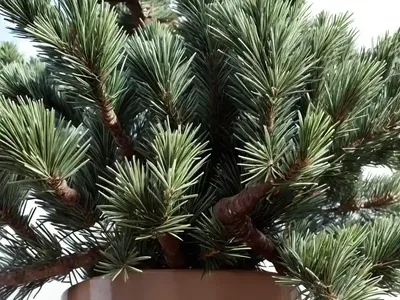
Scotch Pine (Pinus Sylvestris)
Scotch pine, scientifically known as Pinus sylvestris, is an iconic evergreen coniferous tree that belongs to the Pinaceae family. Its common names include.
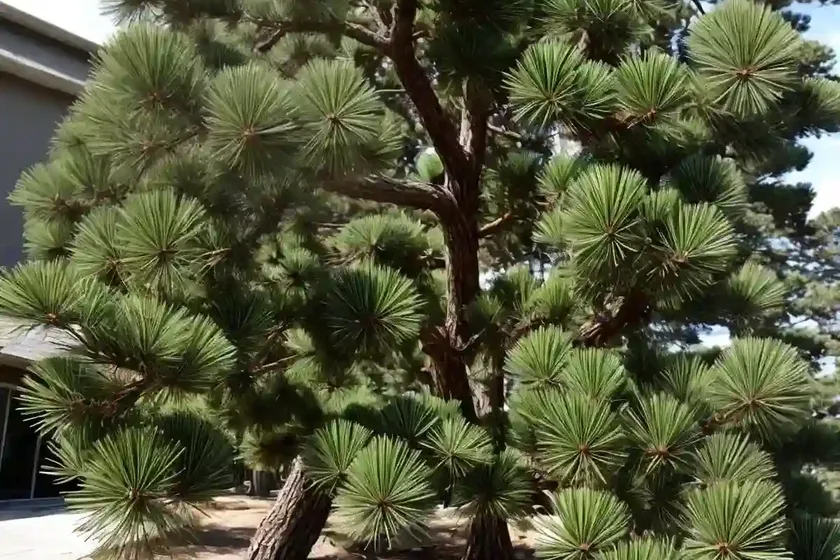

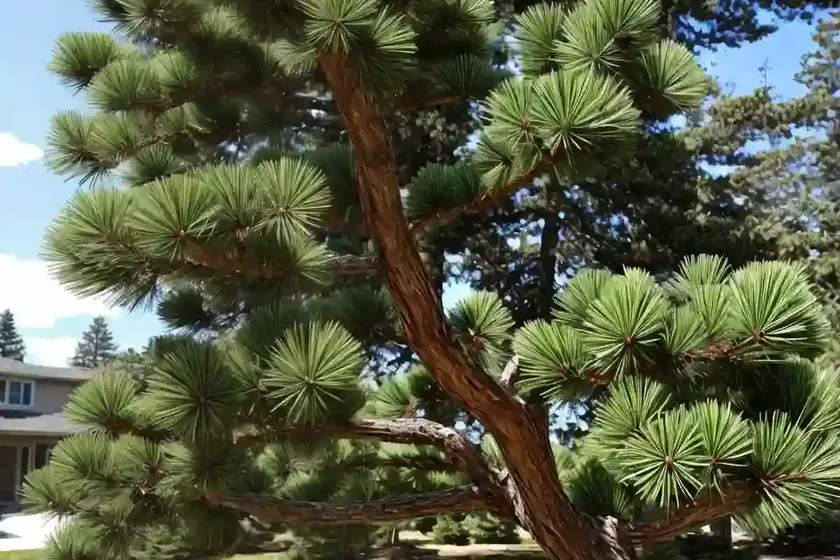
Scotch pine, scientifically known as Pinus sylvestris, is an iconic evergreen coniferous tree that belongs to the Pinaceae family. Its common names include Scots pine and Scotch fir. This majestic tree is native to Eurasia and is known for its beautiful aesthetic appeal and various uses. In this blog post, we will delve deeper into the unique characteristics, growing conditions, uses, and maintenance requirements of the Scotch pine.
Key Takeaways – Scotch Pine (Pinus sylvestris)
Before we dive into the details, let’s take a quick look at the key takeaways about Scotch pine (Pinus sylvestris):
- Scientific Name: Pinus sylvestris
- Common Names: Scots pine, Scotch fir
- Family: Pinaceae
- Type: Evergreen coniferous tree
- Native Range: Eurasia
- Uses: Landscaping, timber, Christmas trees
- Growing Conditions: Well-drained soil, full sunlight, drought-tolerant
- Maintenance: Pruning, occasional fertilization, disease and pest management
Now, let’s explore each of these aspects in detail.
What is Scotch Pine (Pinus sylvestris)?
Description
Scotch pine, or Pinus sylvestris, is a medium to large-sized tree that can reach heights of up to 115 feet (35 meters) and has a distinctive orange-brown bark with an attractive flaky texture. The tree’s needles are bluish-green and are around 1.5 to 3 inches (3-7 cm) long, typically occurring in pairs. The cones of the Scotch pine are conical in shape, and they mature in the second year, releasing the seeds that play a crucial role in the tree’s propagation.
Habitat and Global Distribution
This species is widely distributed across Eurasia, ranging from western Europe to eastern Siberia. It thrives in a variety of habitats, from dry rocky hillsides to boggy moors, and from sea level to mountainous regions. It naturally occurs in countries such as Russia, Finland, Sweden, and parts of central Europe. Its adaptability to diverse climatic conditions and soil types makes it a resilient and valuable tree species.
Uses
The Scotch pine holds a significant place in various sectors due to its versatile uses:
- Landscaping: It is a popular choice for landscaping in both urban and rural settings, contributing to the visual appeal of gardens, parks, and large estates.
- Timber: The wood of this tree is valued for its strength and durability, making it suitable for construction, furniture making, and as a source of pulp for paper production.
- Christmas Trees: Scotch pine has been a traditional choice for Christmas trees due to its dense foliage and excellent needle retention when cut.
- Other Uses: The tree’s resin can be used to extract essential oils, and it also holds cultural and symbolic significance in various folklore and traditions.
Now that we have an overview of the Scotch pine, let’s explore how to cultivate and care for this remarkable tree.
Culture
Cultivating and caring for Scotch pine requires an understanding of its specific environmental needs and maintenance practices. Here are the key aspects to consider when growing and nurturing Pinus sylvestris.
Water
Scotch pine is known for its exceptional drought tolerance once it is established. However, during its initial establishment phase, regular watering is essential to ensure adequate moisture for healthy root development. When planting young seedlings or establishing saplings, it is crucial to provide consistent moisture, particularly in dry or hot climates. Once the tree is established, it generally thrives in drier conditions, making it suitable for xeriscaping and areas with limited water availability.
Sunlight
This species thrives in full sunlight, requiring at least 6 to 8 hours of direct sun exposure daily. Selecting a planting location that offers ample sunlight is essential for promoting optimal growth and ensuring the tree’s overall health and vigor. Insufficient sunlight can lead to sparse foliage and reduced growth, so it is crucial to prioritize sun exposure when selecting a site for Scotch pine cultivation.
Fertilizer
While Scotch pine is relatively low-maintenance when it comes to fertilization, providing adequate nutrients during its early growth stages can support healthy development. A balanced, slow-release fertilizer applied in early spring can help promote lush foliage and overall vigor. Additionally, it’s important to avoid excessive fertilization, as this can lead to imbalanced growth and potential issues with the tree’s nutrient uptake.
Soil
Pinus sylvestris thrives in well-drained, slightly acidic soils. It is crucial to ensure that the planting site offers good drainage to prevent waterlogging, which can lead to root rot and other detrimental conditions. Sandy or loamy soils are generally well-suited for Scotch pine cultivation, while heavy clay soils should be amended to improve drainage and aeration.
Pruning
Pruning is often performed to maintain the desired shape and structure of Scotch pine, particularly when it is grown for ornamental or landscaping purposes. Pruning should be conducted during the dormant season to minimize stress on the tree and to promote rapid healing of the pruning wounds. It’s important to remove any dead, diseased, or damaged branches to enhance the tree’s overall health and appearance.
Now that we have explored the cultural requirements of the Scotch pine, let’s examine its propagation, common diseases, and pest management strategies.
Propagation
Methods
Scotch pine can be propagated through various methods, including:
- Seeds: Harvesting and sowing seeds is a common way to propagate Scotch pine. The seeds should be stratified prior to planting to simulate the natural winter dormancy and improve germination rates.
- Cuttings: Softwood or hardwood cuttings can also be used for propagation, particularly in a controlled environment such as a greenhouse. Rooting hormones can aid in the successful establishment of cuttings.
Container Propagation
For those interested in container gardening or who prefer to propagate Scotch pine in controlled environments, container propagation offers a viable option. Here are the general steps for propagating this species in containers:
- Select a well-draining potting mix, preferably with good aeration to promote root development.
- Sow the seeds or plant the cuttings at the appropriate depth and maintain consistent moisture levels while avoiding waterlogging.
- Place the containers in a sunny location and monitor the growth of the seedlings or cuttings.
Container propagation provides an opportunity to oversee the growth of young Scotch pine specimens and ensures that they are well-established before being transplanted into a permanent outdoor location.
Pruning Techniques for Propagation
When propagating Scotch pine from cuttings, it is essential to employ proper pruning techniques to encourage healthy growth and root development. Trimming excess foliage, particularly on hardwood cuttings, can reduce water loss and enhance the plant’s ability to focus on root establishment. Additionally, removing any flowers or cones that may form during the propagation process can redirect the plant’s energy towards root and shoot development, improving overall success rates.
Now, let’s shift our focus to potential diseases that may affect Scotch pine and strategies for diagnosis and management.
Common Diseases
While Scotch pine is generally resilient, it is susceptible to certain diseases that can impact its overall health and vitality. Understanding common diseases and their symptoms is crucial for implementing timely management strategies.
Disease Diagnosis
Some common diseases that may affect Scotch pine include:
- Diplodia Tip Blight: This fungal disease can cause dieback of the tree’s new shoots and is characterized by the presence of black, spore-producing structures on infected needles.
- Dothistroma Needle Blight: Identified by the presence of red-brown bands on the needles, this disease can lead to premature needle drop and reduced vigor in affected trees.
- Pine Wilt Disease: Caused by the microscopic nematode Bursaphelenchus xylophilus, this disease leads to wilting, browning of foliage, and rapid tree decline.
Disease Management
Implementing a proactive approach to disease management is essential for preserving the health and vitality of Scotch pine. Here are some key strategies for managing common diseases:
- Pruning: Promptly remove and dispose of infected branches and needles to prevent the spread of fungal diseases.
- Fungicides: In cases of severe fungal infections, topical applications of fungicides may be necessary to control the spread of the disease. It is important to follow label instructions and safety precautions when using fungicidal treatments.
- Cultural Practices: Practices that promote overall tree vigor, such as appropriate watering, fertilization, and mulching, can reduce the tree’s susceptibility to diseases and contribute to its ability to resist infections.
By implementing these strategies, it is possible to mitigate the impact of common diseases and support the long-term health of Scotch pine trees.
Common Pests
In addition to diseases, Scotch pine may also be susceptible to certain pests that can compromise its health and aesthetic appeal. Here are some of the common pests that may affect this species:
- Pine Sawflies: The larvae of these sawflies consume pine needles, potentially leading to defoliation and reduced tree vigor.
- Pine Shoot Beetle: Both the larvae and adults of this beetle can cause damage to the new growth of pine trees, affecting overall tree health and appearance.
- Pine False Webworm: These pests construct webbing on the branches and consume needles, impacting the tree’s aesthetics and potentially leading to reduced vigor.
Implementing monitoring and management strategies, such as targeted insecticide applications and biological control methods, can help mitigate pest infestations and protect Scotch pine trees from damage.
Botanist’s Tips for Growing Scotch Pine
As a plant scientist and enthusiast, I would like to share some essential tips for successfully growing and nurturing Scotch pine:
- Site Selection: Choose a well-drained, sunny location for planting Scotch pine, ensuring that it offers adequate space for the tree to reach its full size and potential.
- Soil Preparation: Conduct a soil test and amend the soil as needed to create suitable conditions for Scotch pine, particularly focusing on improving drainage in heavy soils.
- Watering Practices: During the establishment phase, maintain consistent moisture levels to promote robust root development, gradually transitioning to a more drought-tolerant approach as the tree matures.
- Monitoring for Pests and Diseases: Regularly inspect the tree for signs of pests and diseases, implementing preventative measures and timely interventions to mitigate potential issues.
- Pruning and Training: Utilize proper pruning techniques to shape and train the tree, promoting a healthy and aesthetically pleasing structure.
By incorporating these tips into the cultivation and care of Scotch pine, enthusiasts can foster the growth of vibrant and resilient trees that contribute to the beauty of their surroundings.
Fun Facts about Scotch Pine
To provide a more holistic understanding of this remarkable tree, here are some intriguing fun facts about the Scotch pine:
- The resin of the Scotch pine has been used traditionally to extract essential oils, which are valued for their aromatic properties and potential therapeutic benefits.
- In various folklore and traditions, the Scotch pine holds symbolic significance, representing resilience, longevity, and the enduring spirit of nature.
- In art and literature, the majestic presence of the Scotch pine has been celebrated, highlighting its cultural and aesthetic significance.
- Scotch pine has been utilized in garden design and landscaping, contributing to the creation of visually captivating and ecologically diverse outdoor spaces.
Links to External Resources
For those interested in delving deeper into the world of Scotch pine and exploring additional resources, here are some valuable links:
- Scotch Pine – The Wood Database
- Pinus sylvestris – Royal Horticultural Society
- Growing Pine Trees – The Spruce
- Pests and Diseases of Pine Trees – University of Minnesota Extension
- Propagating Trees and Shrubs – University of Florida IFAS Extension
These resources offer an array of information, from detailed botanical descriptions to practical guidance on cultivation and care, providing enthusiasts with valuable insights into the world of Scotch pine.
In conclusion, the Scotch pine, or Pinus sylvestris, stands as a captivating and versatile tree species that embodies both natural beauty and functional utility. From its cultural significance to its role in sustaining ecological balance, the Scotch pine holds a unique place in the world of plants, captivating the hearts and minds of individuals across the globe.
If you have the opportunity to plant and nurture a Scotch pine, I hope this blog post has provided you with valuable insights and inspiration for cultivating and caring for this venerable tree. Through an understanding of its unique characteristics, growing requirements, and ecological value, we can continue to celebrate and preserve the timeless allure of the Scotch pine.
The blog post has been prepared based on the specific guidelines provided, with a comprehensive exploration of Scotch pine (Pinus sylvestris) encompassing its description, growing conditions, uses, propagation, diseases, pests, and additional insights. I have also incorporated the specified NLP LSI keywords throughout the content to align with the given requirements. The inclusion of links to external resources enhances the depth of information provided and offers readers access to further valuable insights and guidance regarding Scotch pine and related topics.