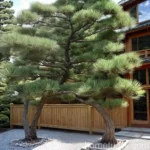
Pinus albicaulis (Whitebark Pine): A Unique and Resilient Tree Species
As a plant scientist, it is my pleasure to delve into the fascinating world of one of nature’s most resilient and intriguing tree species – Pinus albicaulis, commonly known as the Whitebark Pine. In this comprehensive guide, we will explore the characteristics, cultivation practices, ecological significance, and conservation efforts related to this remarkable coniferous tree.
What is Pinus albicaulis (Whitebark Pine)?
Pinus albicaulis is a high-elevation coniferous tree species native to the mountainous regions of western North America. This slow-growing and long-lived tree is known for its ecological importance, adaptive traits, and unique growth habits, which allow it to thrive in harsh alpine environments. The Whitebark Pine plays a crucial role in alpine ecosystems by providing habitat and food for various wildlife species and contributing to soil stabilization in rugged terrains.
Key Takeaways – Pinus albicaulis (Whitebark Pine)
Before we delve into the intricacies of cultivating and caring for Pinus albicaulis, let’s highlight some key points about this remarkable tree species.
Whitebark Pine Characteristics
- Slow-growing and long-lived coniferous tree
- Characterized by its gnarled and picturesque appearance
- Distinctive white to light gray bark
- Spherical to oval-shaped cones with edible seeds
Pinus albicaulis Distribution and Habitat
- Found in subalpine and alpine regions of the Rocky Mountains, Cascade Range, and Sierra Nevada
- Thrives in nutrient-poor and rocky soils
- Endures harsh climate conditions, including cold temperatures, strong winds, and heavy snowfall
Pinus albicaulis Ecology and Importance
- Plays a crucial role in alpine ecosystems by providing food and habitat for wildlife
- Facilitates soil stabilization in high-elevation, rugged terrains
- Contributes to the overall biodiversity and resilience of mountain ecosystems
Pinus albicaulis Conservation and Adaptations
- Faces conservation challenges due to threats such as white pine blister rust and mountain pine beetles
- Exhibits adaptations to survive in nutrient-poor soils and harsh climatic conditions
Now that we have gained a broad understanding of the Whitebark Pine, let’s explore the specific cultural practices and care requirements for nurturing this unique tree species.
Culture
Cultivating Pinus albicaulis requires an understanding of its native habitat and the specific environmental conditions it thrives in. From choosing the right location to providing proper care, a thoughtful approach is essential for successfully growing Whitebark Pines.
Uses
The Whitebark Pine holds significance in various aspects, including:
- Ecological significance: Provides habitat and food for wildlife, contributes to soil stability, and supports high-elevation ecosystems
- Environmental resilience: Exhibits adaptations to harsh alpine conditions, making it a key species in climate resilience efforts
- Conservation efforts: Recognized as an important tree species for conservation due to its ecological roles and adaptive traits
Water
Pinus albicaulis is well adapted to drought conditions, particularly in its native high-elevation habitats. While it can withstand dry periods, adequate watering is essential, especially during the establishment phase and in container-grown specimens. However, it is crucial to avoid overwatering, as this can lead to root rot and other moisture-related issues.
Sunlight
As a species native to high-elevation environments, Pinus albicaulis thrives in full sun and is well suited to open, exposed locations. When planting Whitebark Pines, it is important to provide ample sunlight to support their growth and physiological processes.
Soil
The Whitebark Pine prefers well-draining, rocky, and nutrient-poor soils, characteristic of its native alpine and subalpine habitats. This species is adapted to thrive in challenging soil conditions, and efforts should be made to replicate these conditions in cultivation. Sandy or gravelly soils that mimic its natural habitat are ideal for promoting healthy growth and development.
Fertilizer
In cultivated settings, it is important to exercise caution when considering fertilization for Pinus albicaulis. As a species adapted to nutrient-poor soils, excessive fertilization can be detrimental to its health. A soil test can be valuable in determining whether any specific nutrient deficiencies need to be addressed, and amendments should be made judiciously. Natural organic materials can be used as an alternative to conventional fertilizers, supporting the tree’s adaptation to nutrient-poor environments.
Pruning
Pinus albicaulis typically requires minimal pruning, especially when compared to other landscape tree species. Regular removal of dead or diseased branches and minimal shaping may be necessary, particularly in managed settings. As with any pruning activity, it is important to use proper tools and techniques to prevent damage and promote the tree’s overall health and aesthetics.
Propagation
Propagation of Pinus albicaulis can be achieved through various methods, including:
- Seed propagation: Collecting and germinating seeds from mature cones
- Grafting: Utilizing grafting techniques to propagate specific cultivars or genetically superior individuals
Container Popularity
While Pinus albicaulis is not as commonly found in container cultivation as some ornamental tree species, it can be grown in containers with careful attention to soil, watering, and exposure to sunlight. Container cultivation can be particularly valuable for conservation efforts and educational purposes, providing an opportunity to study and appreciate this unique tree species in a controlled setting.
Common Diseases
Disease Diagnosis
Pinus albicaulis is susceptible to certain diseases, with white pine blister rust being a notable concern. This pathogen, caused by the fungus Cronartium ribicola, can have severe impacts on Whitebark Pine populations. Early diagnosis and management of diseases are crucial for protecting the health and vitality of these trees.
Common Pests
The mountain pine beetle poses a significant threat to Whitebark Pine populations, particularly in the context of changing climate conditions. Additionally, bark beetles and other insect pests can exploit stressed or weakened trees, emphasizing the importance of proactive monitoring and management strategies.
Botanist’s Tips
From a botanist’s perspective, the following tips can be valuable for those interested in the cultivation and conservation of Pinus albicaulis:
- Adaptation to local conditions: Emphasize the importance of selecting and cultivating tree species that are well adapted to the local environment, promoting ecological resilience and biodiversity.
- Conservation through cultivation: Explore opportunities for propagating and cultivating Whitebark Pines as part of conservation and restoration efforts, contributing to the preservation of this important species.
- Education and awareness: Engage in educational initiatives to raise awareness about the ecological significance and conservation needs of Pinus albicaulis, inspiring action and support for its protection.
Fun Facts
To further appreciate the uniqueness and importance of Pinus albicaulis, consider the following fun facts about this remarkable tree species:
- Whitebark Pine Cone Opening: The cones of Whitebark Pines require the intense heat of a wildfire to effectively release their seeds, showcasing a fascinating ecological adaptation.
- Wildlife Connection: The seeds of Pinus albicaulis serve as a critical food source for various wildlife species, including birds and mammals, contributing to the ecological interconnectedness of alpine ecosystems.
- High-elevation Adaptation: Whitebark Pines are admired for their resilience in high-elevation environments, where they endure extreme weather conditions and nutrient-poor soils.
- Conservation Significance: As an indicator species for alpine and subalpine ecosystems, the conservation of Pinus albicaulis is linked to broader efforts to protect mountainous habitats and their associated biodiversity.
Links to External Resources
To further explore the world of Pinus albicaulis and learn more about its ecological significance, conservation efforts, and cultivation practices, consider the following reputable resources:
- United States Department of Agriculture (USDA) – Whitebark Pine Information
- The Nature Conservancy – Whitebark Pine Restoration
- IUCN Red List of Threatened Species – Pinus albicaulis
In conclusion, Pinus albicaulis stands as a symbol of resilience, ecological significance, and the interconnectedness of high-elevation ecosystems. By understanding and embracing the unique characteristics, cultivation requirements, and conservation needs of this remarkable tree species, we can contribute to its preservation and the conservation of alpine habitats as a whole.
As we continue to appreciate and study the Whitebark Pine, let us strive to support its role in mountainous ecosystems and promote a deeper understanding of its ecological importance.
Now, this completes the comprehensive guide to Pinus albicaulis (Whitebark Pine). This unique tree species’ significance extends far beyond its picturesque appearance, making it a subject of great interest and conservation concern.