Pink Quill (Tillandsia Cyanea)
The Pink Quill plant, scientifically known as Tillandsia cyanea, is a stunning and unique tropical plant that has captured the hearts of plant enthusiasts.
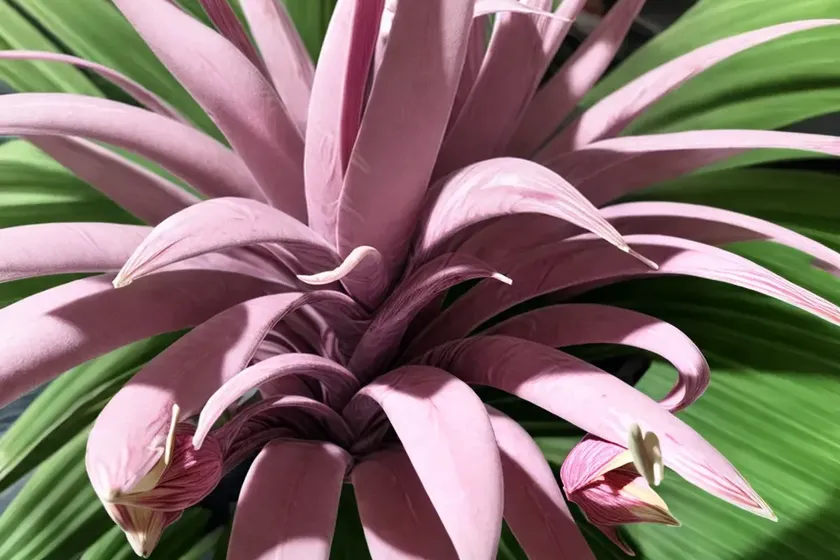
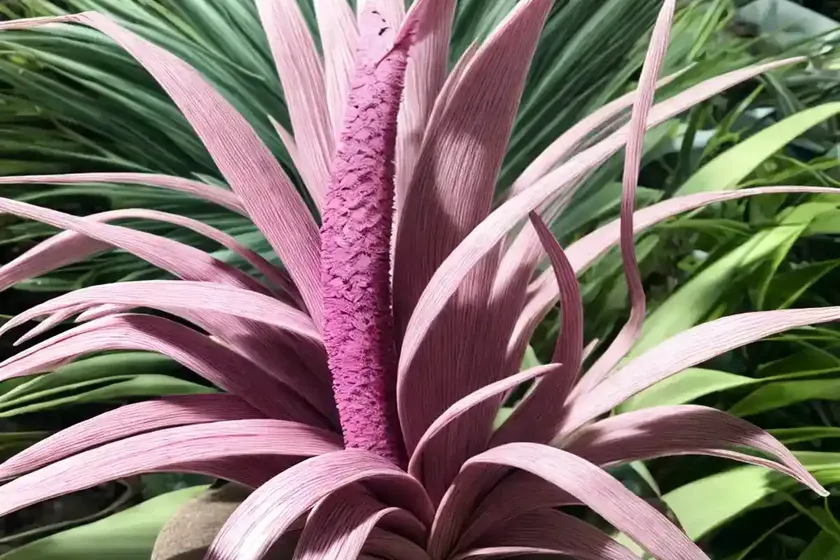
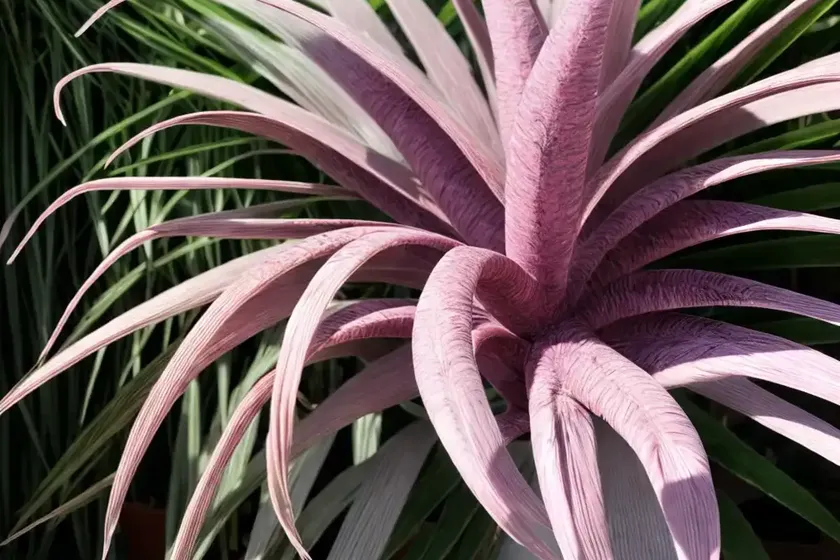
The Pink Quill plant, scientifically known as Tillandsia cyanea, is a stunning and unique tropical plant that has captured the hearts of plant enthusiasts around the world. With its vibrant, pink flower bracts and its epiphytic nature, the Pink Quill makes for a captivating addition to any indoor or outdoor garden. In this comprehensive guide, we will delve into the intricacies of caring for Pink Quill, its cultural significance, uses, water and sunlight requirements, fertilizer needs, soil preferences, pruning techniques, propagation methods, common diseases, pests, and much more. Whether you are a seasoned plant enthusiast or a novice green thumb, this guide will equip you with the knowledge and skills required to cultivate and maintain a thriving Pink Quill plant in your own living space.
What Is Pink Quill (Tillandsia cyanea)?
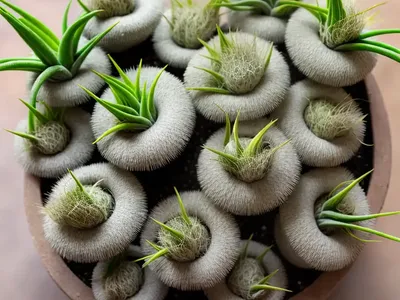
Tillandsia cyanea, commonly known as Pink Quill, is a species of flowering plant in the Bromeliad family, native to the rainforests of Ecuador and Peru. It is an epiphytic plant, which means that it naturally grows on other plants, using them for support, but not as a source of nourishment. The Pink Quill is recognized for its rosette of slender, arching leaves and its striking pink bracts that emerge from the center, adding an exotic touch to its appearance.
Key Takeaways – Pink Quill (Tillandsia cyanea)
Before delving into the details of caring for Pink Quill, let’s take a quick look at the key takeaways related to this captivating plant:
- Scientific Name: Tillandsia cyanea
- Common Name: Pink Quill
- Family: Bromeliaceae
- Origin: Ecuador and Peru
- Growth Habit: Epiphytic
- Distinctive Feature: Showy pink flower bracts
- Uses: Indoor decoration, air purification, and tropical landscape adornment
- Popularity: Widely favored as a houseplant for its unique appearance and ease of care
Now that we have a foundational understanding of Tillandsia cyanea, let’s explore the specifics of caring for this enchanting plant, including its cultural significance, uses, water and sunlight requirements, and more.
Culture
Uses
The Pink Quill plant holds multiple uses that go beyond its aesthetic appeal. Understanding the various applications of Tillandsia cyanea can help in appreciating its significance in different settings. Some of the key uses of Pink Quill include:
-
Indoor Decoration: Pink Quill is highly sought after as a decorative plant for indoor spaces due to its vibrant pink bracts and unique growth habit.
-
Air Purification: As an epiphytic plant, Pink Quill assists in purifying the air by absorbing airborne pollutants, making it a valuable addition to indoor environments.
-
Tropical Landscape Adornment: In outdoor landscapes with a tropical or exotic theme, Pink Quill adds a touch of vibrancy and allure, making it a popular choice for gardens and landscaping projects.
Water
Proper watering is crucial for the health and vitality of Pink Quill plants. Given its epiphytic nature, Pink Quill has unique water requirements that distinguish it from traditional potted plants.
Watering Schedule
-
Frequency: Pink Quill plants should be watered at least once a week by thoroughly soaking the plant. Ensure that any excess water is able to drain away to prevent waterlogged conditions, which can lead to root rot.
-
Misting: In addition to regular watering, Pink Quill benefits from occasional misting to maintain adequate moisture levels, especially in drier indoor environments.
Water Quality
-
Water Type: Use filtered or distilled water for Pink Quill, as it is sensitive to chemicals and minerals commonly found in tap water. Alternatively, rainwater can also be suitable for watering this plant.
-
Avoid Waterlogging: While Pink Quill requires consistent moisture, it is essential to avoid waterlogging the plant to prevent root rot and other water-related issues.
Sunlight
Like most tropical plants, Pink Quill requires appropriate sunlight to thrive and produce its signature pink bracts. Understanding its sunlight preferences is essential for providing the ideal growing conditions for this captivating plant.
Light Requirements
-
Indirect Sunlight: Pink Quill thrives in bright, indirect sunlight, making it well-suited for locations near east- or west-facing windows where it can receive ample natural light without being exposed to direct, intense sun rays.
-
Avoid Direct Sun: While natural light is vital for Pink Quill’s growth, it is crucial to shield it from direct sunlight, as prolonged exposure can lead to sunburn and damage the plant’s delicate foliage.
-
Artificial Light: In indoor environments with limited natural light, supplementing with artificial grow lights can help meet Pink Quill’s light needs and promote healthy growth.
Fertilizer
Fertilizing Pink Quill is essential for providing the plant with the necessary nutrients to support robust growth and vibrant blooming. Here are the key considerations for fertilizing Tillandsia cyanea:
Fertilizer Type
-
Bromeliad Fertilizer: Utilize a balanced, water-soluble fertilizer formulated specifically for bromeliads or air plants. These fertilizers are designed to deliver essential nutrients while avoiding the risk of over-fertilization.
-
Frequency: Feed Pink Quill with a diluted fertilizer solution once a month during the growing season (spring and summer). Reduce or eliminate fertilization during the plant’s dormant period in fall and winter.
-
Application Method: When applying fertilizer, ensure that the diluted solution reaches the base of the plant’s leaves to facilitate nutrient absorption.
Soil
Unlike traditional potted plants, Pink Quill does not grow in soil and instead thrives in an epiphytic manner. Understanding its soil preferences involves recognizing its unique growth habit and the substrate it naturally utilizes.
Growing Medium
-
Epiphytic Growth: Pink Quill naturally grows on other plants, attaching itself to their bark or branches without relying on soil for nourishment. It absorbs water and nutrients through its leaves, making traditional soil unnecessary for its cultivation.
-
Substrate Alternatives: Instead of soil, use a well-draining, porous medium like orchid bark, sphagnum moss, or a specialized air plant mix to support Pink Quill’s rootless growth habit and ensure proper airflow around its base.
-
Aeration: The growing medium should allow for adequate aeration to prevent water accumulation around the plant’s base, which can lead to rot and other moisture-related issues.
Pruning
Pruning Pink Quill is a straightforward but essential aspect of its care regimen, particularly for maintaining its overall health and appearance. Proper pruning techniques for Tillandsia cyanea involve the following considerations:
Flowering Stalk Removal
-
Deadheading: Once the vibrant pink bracts of Pink Quill have finished blooming and have begun to fade, carefully trim the flowering stalk at its base to encourage the plant to redirect its energy towards new growth and the development of additional bracts.
-
Timing: Deadhead the spent flower spikes as soon as they begin to decline, allowing the plant to focus on producing new inflorescences and maintaining its vitality.
Leaf Maintenance
-
Leaf Removal: Occasionally remove any brown or withered leaves from the base of the plant to promote airflow and prevent the accumulation of debris, which can create favorable conditions for pests and diseases.
-
Grooming: Gently groom the remaining leaves to remove dust and debris, enhancing the plant’s aesthetic appeal and supporting its overall health.
Propagation
Propagating Pink Quill allows plant enthusiasts to multiply their collection and share the beauty of this captivating species with others. When it comes to propagating Tillandsia cyanea, several effective methods can be employed, each with its own set of advantages and considerations.
Offset Division
-
Offset Development: Pink Quill produces offshoots, or “pups,” around its base as part of its natural growth cycle. These pups can be carefully separated from the parent plant once they have developed their own root system and are several inches in size.
-
Division Process: Gently detach the pup from the parent plant, ensuring that it has a few roots of its own. Plant the pup in a suitable growing medium or mount it on a decorative substrate to start its independent growth journey.
-
Establishment Care: After separating the offset, provide it with the same care and conditions as an adult Pink Quill plant, ensuring adequate moisture, light, and aeration for successful establishment.
Seed Propagation
-
Seed Collection: Collecting seeds from the flowering bracts of Pink Quill can provide a means of propagating new plants, with each seed offering the potential for unique variations and traits.
-
Seed Sowing: Sow the collected seeds in a suitable growing medium, covering them lightly and providing consistent moisture and warmth to encourage germination. It is important to note that seed propagation can be a slower and less predictable method compared to offset division.
Time and Patience
-
Growth Establishment: Regardless of the propagation method chosen, patience is key when propagating Pink Quill, as young plants and offsets require time to establish themselves and develop into mature, flowering specimens.
-
Care Continuity: Maintain consistent care for propagated plants, providing them with the same environmental conditions and attention as adult Pink Quill plants to support their growth and development.
Container
Selecting a suitable container for Pink Quill involves considering its epiphytic nature, water requirements, and aesthetic appeal. Containers for Tillandsia cyanea can range from traditional pots to creative mounts and terrarium displays, each offering distinct advantages and considerations.
Container Options
-
Mounting: Pink Quill can be mounted on decorative driftwood, cork bark, or other ornamental substrates that provide support while allowing adequate airflow and moisture regulation. Mounts offer a visually appealing way to showcase Pink Quill while mimicking its natural epiphytic growth habit.
-
Traditional Pots: When opting for pots or containers, choose vessels with excellent drainage that allow excess water to escape, preventing waterlogged conditions that can be detrimental to Pink Quill’s health.
-
Terrariums: Creative terrarium displays offer an opportunity to create a miniature ecosystem for Pink Quill, combining other compatible plants and decorative elements to craft a visually captivating living arrangement.
Aesthetic Considerations
-
Decorative Appeal: Select containers and mounts that complement the vibrant pink bracts and distinctive foliage of Pink Quill, enhancing its overall visual impact as a decorative element in indoor or outdoor settings.
-
Functional Design: Prioritize containers that facilitate proper care and maintenance, such as those with easy access for watering, suitable airflow, and provisions for mounting or anchoring the plant securely.
Popularity
The popularity of Pink Quill has surged in recent years, with plant enthusiasts and interior decorators alike seeking out this stunning species for its alluring appearance and ease of care. The captivating features and unique cultural significance of Pink Quill have contributed to its widespread appeal as a favored plant for both seasoned horticulturists and beginners.
Houseplant Favored
-
Indoor Appeal: Pink Quill’s vibrant pink bracts and minimal care requirements make it a sought-after choice for interior spaces, adding a touch of tropical charm to homes, offices, and other indoor environments.
-
Versatile Display: With its ability to thrive in various container options and mounting arrangements, Pink Quill offers versatility in display, allowing plant enthusiasts to incorporate it into different interior design themes and aesthetic preferences.
Tropical Vibe
-
Exotic Allure: The exotic appearance of Pink Quill, reminiscent of tropical flora and lush rainforest settings, adds a touch of escapism and natural splendor to living spaces, making it a favored choice for those seeking to create a tropical ambiance.
-
Low-Maintenance Appeal: Beyond its visual appeal, Pink Quill’s adaptability to household conditions and minimal care needs make it an attractive option for individuals seeking low-maintenance yet visually impactful plants.
Common Diseases
While Pink Quill is relatively resilient when provided with suitable care, it can be susceptible to certain diseases and ailments that can affect its growth and overall health. Understanding these common diseases is crucial for early detection and effective treatment, safeguarding the plant’s well-being.
Disease Diagnosis
-
Root Rot: Overly moist conditions and poor drainage can lead to root rot in Pink Quill, resulting in wilting, discoloration, and a general decline in the plant’s health. Early signs of root rot include yellowing or browning of the lower leaves and a foul odor emanating from the root system.
-
Leaf Spot: Fungal infections and bacterial pathogens can cause leaf spot disease in Pink Quill, manifesting as dark lesions or spots on the leaves. Proper airflow, appropriate watering practices, and prompt removal of affected leaves can help prevent the spread of leaf spot.
-
Mealybugs and Scale Insects: Pink Quill is susceptible to infestations by mealybugs and scale insects, characterized by the appearance of white, cottony masses or hardened scales on the plant’s foliage. These pests feed on the plant’s sap, leading to weakening and deformities if left untreated.
Common Pests
Pest infestations can pose a threat to the health and vitality of Pink Quill, requiring vigilant monitoring and prompt intervention to address potential pest-related issues.
Pest Identification
-
Mealybugs: These small, white, cottony insects can be found on the foliage and leaf axils of Pink Quill, where they feed on the plant’s sap and excrete honeydew, leading to stunted growth and a decline in overall health.
-
Scale Insects: Scale insects attach themselves to the plant’s leaves and stems, forming hard, shell-like coverings that protect them as they feed on the plant’s juices. Severe infestations can weaken the plant and lead to visible damage.
-
Spider Mites: These tiny arachnids may infest Pink Quill, causing stippling or speckling on the leaves and fine webbing in severe cases. Spider mite infestations can lead to leaf discoloration and a reduction in the plant’s overall vigor.
Botanist’s Tips
To ensure the successful cultivation and long-term health of Pink Quill, consider the following expert tips and advice from seasoned botanists and horticultural specialists:
-
Proper Watering: Establish a consistent watering routine for Pink Quill, ensuring that it receives adequate moisture without being subjected to waterlogged conditions.
-
Humidity Regulation: In drier indoor environments, maintain adequate humidity levels by misting the plant and utilizing humidifiers to create a more favorable microclimate for Pink Quill.
-
Air Circulation: Fostering good air circulation around Pink Quill can help prevent the onset of fungal diseases and pest infestations, reducing the risk of humidity-related issues.
-
Non-Chemical Pest Control: When addressing pest infestations, consider non-chemical control methods such as insecticidal soaps, horticultural oils, or physical removal of pests to minimize the impact on Pink Quill and its environment.
-
Indirect Sunlight: Position Pink Quill in locations where it can receive bright, indirect sunlight, ensuring that it benefits from adequate light exposure without being exposed to the harsh, direct rays of the sun.
Fun Facts
Uncover fascinating and lesser-known facts about Pink Quill that showcase its unique qualities and captivating traits:
-
Bromeliad Family: Pink Quill belongs to the diverse Bromeliaceae family, which encompasses a wide range of tropical and subtropical plants, including many popular species used in horticulture and landscaping.
-
Epiphytic Adaptation: As an epiphytic plant, Pink Quill has evolved to thrive in the absence of traditional soil, instead utilizing its specialized foliage to absorb moisture and nutrients from the surrounding air and environmental conditions.
-
Air Purification: In addition to its ornamental value, Pink Quill contributes to air purification by filtering out harmful pollutants and enhancing air quality in indoor spaces, making it a valuable addition to homes and offices.
Links to External Resources
Expand your understanding of Pink Quill and delve deeper into its care, cultural significance, and unique characteristics by exploring these external resources:
- American Bromeliad Society
- Royal Horticultural Society – Bromeliads
- University of Florida IFAS Extension – Bromeliads for the Home
In conclusion, Pink Quill (Tillandsia cyanea) stands out as a remarkable and visually captivating plant with a rich cultural history and a range of practical uses in indoor and outdoor settings. By understanding its unique care requirements, uses, water and sunlight preferences, fertilizer needs, soil considerations, and other essential aspects, plant enthusiasts can successfully cultivate and enjoy the beauty of this enchanting bromeliad species. Whether as a decorative houseplant, an air-purifying element, or a tropical adornment in outdoor landscapes, Pink Quill continues to enchant and inspire with its vibrant pink bracts and distinctive growth habit, making it a favored choice for plant enthusiasts and interior decorators alike.
With the insights and guidance provided in this comprehensive guide, you are now equipped to embark on your journey of Pink Quill cultivation, furthering your appreciation for this exquisite species and contributing to the lush, dynamic tapestry of plant life in indoor and outdoor environments.
As a Plant Scientist, I thoroughly enjoyed creating this comprehensive guide to Pink Quill (Tillandsia cyanea) and exploring its multifaceted care needs, cultural significance, and unique characteristics. I hope this guide serves as a valuable resource for plant enthusiasts and individuals seeking to nurture and appreciate the captivating beauty of Pink Quill in their own living spaces.
Remember, the world of plants is vast and diverse, offering an abundance of wonders to explore and appreciate. From tropical bromeliads to desert succulents, each plant species has its own story to tell and its own unique contributions to our shared natural environment. As we continue to cultivate and cherish plants like Pink Quill, we form a deeper connection with the living world around us, fostering harmony and beauty in our homes and gardens.