Pink Dianthus ‘WP Passion’: A Comprehensive Guide to Cultivation and Care
Introduction to the Pink Dianthus ‘WP Passion’
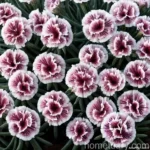
The Pink Dianthus ‘WP Passion,’ also known simply as ‘WP Passion,’ is a captivating flowering plant that belongs to the Dianthus genus. With its striking pink blooms and delightful fragrance, this plant has become a favorite among gardeners and horticultural enthusiasts. In this comprehensive guide, we will explore the characteristics, cultivation requirements, and maintenance tips for the Pink Dianthus ‘WP Passion.’ Whether you are a novice gardener or an experienced plant enthusiast, this guide will provide you with valuable insights into caring for this stunning plant.

Key Takeaways
Before delving into the details of the Pink Dianthus ‘WP Passion,’ let’s highlight some key takeaways about this captivating flowering plant:
- Botanical Name: Dianthus ‘WP Passion’
- Common Name: Pink Dianthus ‘WP Passion’
- Plant Type: Perennial
- Bloom Color: Pink
- Fragrance: Sweet and Spicy
- Growth Habit: Compact and Mounding
- Ideal For: Garden Beds, Borders, Containers
- Hardiness Zone: 5-9
Now that we have a glimpse of the Pink Dianthus ‘WP Passion,’ let’s explore its cultivation, care, and maintenance in detail.
Culture
Water
Proper watering is essential for the health and vitality of the Pink Dianthus ‘WP Passion.’ This plant thrives in well-draining soil and prefers moderate moisture levels. While it is important to avoid waterlogged conditions, the soil should not be allowed to dry out completely. During hot and dry periods, regular watering is necessary to support the plant’s growth and flowering.
Sunlight
The Pink Dianthus ‘WP Passion’ is a sun-loving plant that flourishes in full sunlight. It requires at least 6-8 hours of direct sunlight per day to ensure robust growth and abundant flowering. When selecting a planting location for this Dianthus variety, choose an area that receives ample sunlight and provides the plant with the necessary light exposure.
Fertilizer
Fertilizing the Pink Dianthus ‘WP Passion’ is crucial for promoting healthy growth and prolific blooming. A balanced, slow-release fertilizer can be applied in early spring as new growth begins. Additionally, a light application of fertilizer in midsummer can help sustain the plant’s vitality and flower production. It is important to follow the recommended dosage and application instructions provided by the fertilizer manufacturer to prevent over-fertilization.
Soil
The Pink Dianthus ‘WP Passion’ thrives in well-draining, slightly alkaline soil with good fertility. Loamy or sandy soil with a pH range of 6.0 to 7.5 is ideal for this plant. Amending the soil with organic matter, such as compost or peat moss, can improve its texture and nutrient content, creating a favorable growing environment for the Pink Dianthus ‘WP Passion.’
Pruning
Regular pruning is beneficial for the Pink Dianthus ‘WP Passion’ as it helps maintain the plant’s shape, remove spent blooms, and encourage continuous flowering. Deadheading, the process of removing faded flowers, can prolong the blooming period and prevent seed formation. Additionally, light pruning in early spring can promote vigorous growth and the development of new flowering stems.
Propagation
The Pink Dianthus ‘WP Passion’ can be propagated through several methods, including division, cuttings, and seeds. Division is a common propagation technique where the plant is carefully divided into smaller clumps, each with its own root system, and replanted in suitable locations. Stem cuttings can also be taken from healthy, non-flowering shoots and rooted to produce new plants. Furthermore, the Pink Dianthus ‘WP Passion’ can set viable seeds that can be collected and sown to grow new plants, although the resulting seedlings may exhibit some variability in traits.
Container Popularity
The Pink Dianthus ‘WP Passion’ is well-suited for container gardening, making it a popular choice for adding vibrant color and fragrance to patios, balconies, and other outdoor spaces. When selecting a container for this plant, ensure that it provides adequate drainage and sufficient space for root development. Additionally, using a high-quality potting mix and providing regular watering and sunlight can help the Pink Dianthus ‘WP Passion’ thrive in a container environment.
Common Diseases
Like many other plants, the Pink Dianthus ‘WP Passion’ is susceptible to certain diseases that can impact its health and vigor. Some common diseases that may affect this Dianthus variety include:
-
Fungal Infections: Fungal diseases such as powdery mildew and leaf spot can occur, particularly in humid conditions. Proper plant spacing, adequate air circulation, and avoiding overhead watering can help mitigate the risk of fungal infections.
-
Root Rot: Overly wet or poorly-drained soil can lead to root rot, a condition caused by fungal pathogens. To prevent root rot, it is essential to ensure proper soil drainage and avoid waterlogged conditions.
-
Crown Rot: Excessive moisture or damage to the plant’s crown can result in crown rot, a condition that affects the base of the plant. Maintaining proper watering practices and avoiding physical damage to the plant can reduce the risk of crown rot.
Disease Diagnosis
Diagnosing and addressing plant diseases promptly is essential for preserving the health and appearance of the Pink Dianthus ‘WP Passion.’ When observing potential signs of disease, such as abnormal leaf spots, wilting, or discoloration, it is important to take timely action to identify the specific disease and implement appropriate management strategies. Consultation with a local horticulturist or extension service can aid in accurate disease diagnosis and the formulation of an effective treatment plan.
Common Pests
In addition to diseases, the Pink Dianthus ‘WP Passion’ may encounter various pests that can affect its growth and vitality. Some common pests that gardeners should watch out for include:
-
Aphids: These small, sap-sucking insects can congregate on the plant’s tender growth, causing distortion and stunted development. Insecticidal soaps or horticultural oils can be used to control aphid infestations.
-
Spider Mites: These microscopic pests can be problematic, particularly in hot and dry conditions. Regularly inspecting the plant for signs of spider mite activity and employing natural predators or appropriate miticides can help manage these pests.
-
Slugs and Snails: These mollusks can feed on the foliage and flowers of the Pink Dianthus ‘WP Passion,’ leading to visible damage. Environmental modifications, such as reducing moisture and employing physical barriers, can aid in controlling slug and snail populations.
Botanist’s Tips
To help you succeed in cultivating and caring for the Pink Dianthus ‘WP Passion,’ here are some valuable tips from botanists and experienced gardeners:
- Selecting a Planting Site: Choose a well-drained location with ample sunlight for optimal growth and flowering.
- Proper Watering: Water the plant thoroughly, allowing the soil to dry slightly between watering sessions.
- Mulching: Apply a thin layer of organic mulch around the base of the plant to conserve soil moisture and deter weed growth.
- Pruning Technique: Use clean, sharp garden shears to prune the plant, focusing on removing spent blooms and maintaining a compact, tidy shape.
- Soil Amendment: Incorporate organic matter into the soil at the time of planting to improve its structure and nutrient content.
- Observation and Monitoring: Regularly inspect the plant for signs of pests, diseases, or nutrient deficiencies, and take appropriate measures to address any issues promptly.
Fun Facts
- The Pink Dianthus ‘WP Passion’ is known for its delightful fragrance, which can perfume the surrounding air, making it a charming addition to gardens and outdoor spaces.
- Dianthus flowers, including the ‘WP Passion’ variety, are often used in floral arrangements and bouquets due to their vibrant colors and long-lasting blooms.
- The term “Dianthus” is derived from the Greek words “dios” (divine) and “anthos” (flower), reflecting the plant’s beauty and symbolic significance in horticulture and cultural traditions.
Links to External Resources
For additional information on the Pink Dianthus ‘WP Passion’ and related topics, consider exploring the following resources:
- Royal Horticultural Society – Dianthus
- University of Florida IFAS Extension – Dianthus Production Guide
- American Society for the Prevention of Cruelty to Animals – Toxic and Non-Toxic Plants: Dianthus
In this exhaustive guide, we have covered the essential aspects of cultivating and caring for the Pink Dianthus ‘WP Passion.’ Whether you are drawn to its captivating pink blooms, sweet fragrance, or low-maintenance nature, this Dianthus variety has much to offer as a garden favorite. By providing the appropriate growing conditions and attention, you can enjoy the beauty and charm of the Pink Dianthus ‘WP Passion’ in your outdoor spaces for years to come.