Pincushion Flower (Scabiosa caucasica): A Complete Guide
Pincushion flower, scientifically known as Scabiosa caucasica, is a delightful and versatile perennial plant belonging to the honeysuckle family (Caprifoliaceae). This plant is well-loved for its charming, pincushion-like blooms that come in a variety of hues, making it a favorite among gardeners and floral enthusiasts alike. In this comprehensive guide, we will delve into the various aspects of pincushion flowers, including its culture, uses, care requirements, common diseases and pests, propagation methods, and more.
What is Plant Pincushion Flower (Scabiosa caucasica)?
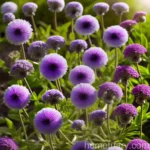
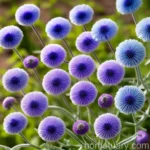
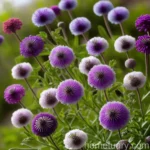
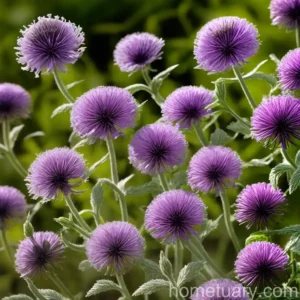
The pincushion flower, or Scabiosa caucasica, is an herbaceous perennial native to the Caucasus region, particularly in the mountainous areas of southern Russia and Georgia. It is characterized by its deeply-lobed, dark green basal leaves and its long, wiry stems that give rise to an abundance of pincushion-shaped flowers during the blooming season. The flowers themselves are undeniably charming, with their prominent, cushion-like centers surrounded by a ring of delicate, papery petals. These blooms can be found in various colors, including shades of white, pink, lilac, and deep, velvety purple, adding a touch of whimsy and elegance to any garden or floral arrangement.
Key Takeaways – Pincushion Flower (Scabiosa caucasica)
Before we delve into the specifics of pincushion flower care and cultivation, let’s summarize the key takeaways of this remarkable plant.
- Pincushion flowers, or Scabiosa caucasica, are herbaceous perennials known for their charming, pincushion-like blooms that come in various colors such as white, pink, lilac, and deep purple.
- They are native to the Caucasus region and are a favorite among gardeners and floral enthusiasts for their versatile uses and easy cultivation.
- Pincushion flowers are valued for their cultural and medicinal uses, in addition to their ornamental appeal.
- Proper care for pincushion flowers includes attention to water, sunlight, soil, fertilizer, pruning, and propagation.
Now, let’s explore the various aspects of pincushion flower care and cultivation in detail.
Culture
Culturally, pincushion flowers hold significant value and are deeply rooted in various traditions and practices. The plant has garnered attention for its symbolic meanings, culinary contributions, and medicinal properties. Additionally, the versatile nature of pincushion flowers makes them a popular choice for landscaping, floral arrangements, and companion planting.
Uses
Ornamental Use
Pincushion flowers are primarily cherished for their ornamental appeal. Their delightful blooms make them a favorite for adorning gardens, borders, and flower beds. Additionally, their long stems and attractive flowers make them an excellent choice for cut flower arrangements.
Medicinal Use
Beyond their aesthetic beauty, pincushion flowers have historically been used for their medicinal properties. In traditional herbal medicine, various parts of the plant have been utilized to address ailments such as inflammation and wounds. The plant contains bioactive compounds that contribute to its potential health benefits.
Symbolism
Pincushion flowers are often associated with symbolic meanings, including thoughts of admiration, romance, and encouragement. Their charming appearance and varied colors make them a popular choice for expressing different sentiments in floral arrangements and bouquets.
Water
Proper watering is crucial for the health and vigor of pincushion flowers. Although they are relatively drought-tolerant once established, consistent moisture is essential, especially during periods of active growth and flowering. Aim to provide regular, deep waterings, ensuring that the soil is evenly moist but not waterlogged. It is advisable to water the plant at the base to prevent the foliage and flowers from getting wet, which can reduce the risk of fungal diseases.
Sunlight
Pincushion flowers thrive in full sun to partial shade, making them a versatile addition to various garden settings. Aim to provide them with at least 6 hours of direct sunlight per day to ensure optimal flowering and overall plant health. However, in regions with intense summer heat, providing some afternoon shade can be beneficial, especially to prevent the onset of heat stress and to prolong the bloom period.
Fertilizer
When it comes to fertilizing pincushion flowers, a balanced, general-purpose fertilizer can be applied in the spring as new growth emerges. Avoid excessive levels of nitrogen, as this can promote lush foliage at the expense of prolific flowering. Following the application of fertilizer, ensure to water the plant thoroughly to aid in the absorption of nutrients by the roots.
Soil
Well-draining, fertile soil is essential for the successful cultivation of pincushion flowers. They thrive in loamy, moderately rich soil with a slightly acidic to neutral pH. Amending the soil with organic matter such as compost or well-rotted manure can help improve its structure, drainage, and nutrient content, creating an ideal growing environment for the plants.
Pruning
Regular deadheading of spent blooms can encourage continuous flowering and prevent self-seeding, especially in cases where preventing naturalization is desired. In addition to deadheading, light pruning after the first flush of blooms can help maintain a compact, tidy growth habit and promote the development of new buds.
Propagation
Pincushion flowers can be propagated through various methods, including division, stem cuttings, and seed. Division is often performed in the early spring or fall, separating the plant’s crowns and ensuring that each division has ample roots attached. Stem cuttings can be taken in the spring from healthy, non-flowering shoots, and placed in a suitable rooting medium to enable the development of new roots. Lastly, seeds can be collected from the plant’s spent flowers and sown in the desired location, following appropriate guidelines for depth and spacing.
Container Popularity
Pincushion flowers are well-suited to container gardening, adding color and interest to patios, balconies, and other outdoor spaces. Their compact growth habit and attractive blooms make them a delightful addition to container arrangements, particularly when combined with complementary plants that share similar cultural requirements.
Common Diseases
While pincushion flowers are relatively resilient, they can be susceptible to certain diseases, particularly those related to fungal pathogens. Understanding the common diseases and their associated symptoms is crucial for timely intervention and effective management.
Disease Diagnosis
Powdery Mildew
Powdery mildew, a common fungal disease, may affect pincushion flowers, manifesting as a powdery, white coating on the leaves and stems. Additionally, the affected foliage may become distorted and compromised, leading to a decline in overall plant health and vigor.
Botrytis Blight
Botrytis blight, caused by the fungal pathogen Botrytis cinerea, can lead to the development of brown spots on the plant’s foliage and flowers. This disease thrives in moist conditions and can spread rapidly, especially in overcrowded or poorly ventilated planting areas.
Disease Prevention
To prevent the onset and spread of common fungal diseases, proactive measures and cultural practices can be implemented. These include:
- Providing adequate spacing between plants to promote air circulation and reduce humidity levels.
- Avoiding overhead irrigation that can wet the foliage excessively, promoting an environment suited for fungal development.
- Selecting disease-resistant cultivars when establishing new plantings.
- Regularly monitoring the plants for early signs of disease and promptly addressing any issues that arise.
Common Pests
Pincushion flowers are generally resistant to most pests, but they can occasionally face challenges from certain insect invaders. Understanding the common pests and their behaviors is crucial for implementing targeted pest management strategies.
Botanist’s Tips
Aphids
Aphids, small sap-sucking insects, can occasionally infest pincushion flowers, clustering on the new growth and undersides of leaves. They can cause stunted growth and distortion of the foliage, requiring prompt intervention to prevent widespread damage.
Slugs and Snails
Slugs and snails are notorious for their feeding habits, often causing visible damage to the tender foliage and flowers of pincushion flowers. Their presence can be managed through the implementation of physical barriers and organic control methods.
Fun Facts
- The term “pincushion” in the plant’s common name is attributed to the resemblance of its flowering structures to traditional pincushions used for sewing.
- Pincushion flowers are known for their attractiveness to pollinators such as butterflies, bees, and other beneficial insects, contributing to the overall biodiversity of the garden.
Links to External Resources
For more information on pincushion flowers and related topics, consider exploring the following resources:
With its endearing blooms and cultural significance, the pincushion flower (Scabiosa caucasica) stands as a testament to nature’s beauty and resilience. Its adaptability and ornamental value make it a prized addition to gardens, landscapes, and floral compositions, continually enchanting all who encounter it.
In conclusion, the meticulous care and attention dedicated to pincushion flowers are undoubtedly rewarding, yielding a delightful tapestry of color and vitality. To witness the blooming splendor of these charming perennials is to embrace the inherent magic of the natural world, enriching our lives and evoking a sense of wonder with each graceful petal and enchanting blossom.
Keywords: Pincushion flower care, Scabiosa caucasica planting guide, Pincushion flower varieties, Growing Scabiosa caucasica, Pincushion flower cultivation tips, Scabiosa caucasica medicinal properties, Pincushion flower benefits, Scabiosa plant characteristics, Pincushion flower symbolism, Scabiosa caucasica gardening tips, Pincushion flower disease prevention, Scabiosa caucasica common pests, Pincushion flower pruning techniques, Scabiosa caucasica companion plants, Pincushion flower landscaping ideas, Scabiosa caucasica flower arrangement, Pincushion flower container gardening, Scabiosa caucasica pollinator-friendly plants, Pincushion flower indoor care, Scabiosa caucasica natural habitat, Pincushion flower soil requirements, Scabiosa caucasica water needs, Pincushion flower propagation methods, Scabiosa caucasica history and origin, Pincushion flower perennial varieties, Scabiosa caucasica annual vs. perennial, Pincushion flower sunlight preferences, Scabiosa caucasica shade tolerance, Pincushion flower container size, Scabiosa caucasica pruning schedule, Pincushion flower winter protection, Scabiosa caucasica drought-tolerant plants, Pincushion flower companion flowers, Scabiosa caucasica wildlife attractant, Pincushion flower organic gardening tips, Scabiosa caucasica ground cover plants, Pincushion flower container planting ideas, Scabiosa caucasica butterfly gardens, Pincushion flower dry flower arrangements, Scabiosa caucasica floral arrangements, Pincushion flower container watering tips, Scabiosa caucasica garden design, Pincushion flower flower bed ideas, Scabiosa caucasica border plants, Pincushion flower indoor decoration, Scabiosa caucasica seasonality, Pincushion flower wildlife habitat plants, Scabiosa caucasica native plants, Pincushion flower seeds and seedlings, Scabiosa caucasica traditional uses