All About Pincushion Flower (Scabiosa ‘Butterfly Blue’)
Pincushion flower, scientifically known as Scabiosa ‘Butterfly Blue’ is a delightful perennial plant that captivates with its beautiful, pincushion-like blooms. With its stunning flowers and easy maintenance, this plant has become a popular choice among gardeners and plant enthusiasts.
In this comprehensive guide, we’ll explore the culture, uses, maintenance, common diseases, and pests of Scabiosa ‘Butterfly Blue’, along with botanist’s tips and fun facts. We will also delve into its natural habitat, cultivation, and an array of other essential tips that every plant lover should know.
Key Takeaways – Pincushion Flower (Scabiosa ‘Butterfly Blue’)
Before we embark on our journey to explore the intricacies of Scabiosa ‘Butterfly Blue’, let’s take a quick look at its key characteristics and the vital information we’ll cover in this guide.
-
Plant Name: Pincushion flower (Scabiosa ‘Butterfly Blue’)
-
Scientific Name: Scabiosa ‘Butterfly Blue’
-
Category: Perennial
-
Bloom time: Late spring to early summer, occasionally reblooming in the fall
-
Ideal planting time: Spring or early fall
-
Hardiness Zones: 3-7
-
Sunlight: Full sun to partial shade
-
Soil: Well-draining, fertile soil
-
Water: Regular watering, allowing the soil to dry out between watering sessions
Now, let’s dive deeper into the enchanting world of Scabiosa ‘Butterfly Blue’ and unravel its beauty and intricacies.
What is Pincushion Flower (Scabiosa ‘Butterfly Blue’)?
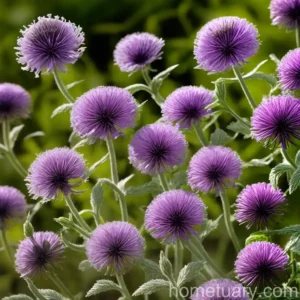
Pincushion flower (Scabiosa ‘Butterfly Blue’) is a stunning flowering perennial that belongs to the honeysuckle family (Caprifoliaceae). This charming plant is native to Europe, where it thrives in meadows, grasslands, and open woodlands. It is beloved for its delicate, pincushion-shaped flower heads that bloom in an array of captivating colors, ranging from pastel blues and pinks to rich purples and lavenders.
The unique appearance of the Scabiosa ‘Butterfly Blue’ bloom has earned it the common name “pincushion flower” due to its resemblance to the small, cushioned pincushions used for sewing. This endearing resemblance, coupled with its prolific blooming and captivating hues, makes this plant a must-have for any garden enthusiast.
Culture
Uses
The pincushion flower (Scabiosa ‘Butterfly Blue’) is predominantly used for ornamental purposes, gracing gardens, borders, and floral arrangements with its delightful presence. Its exquisite blooms are renowned for attracting pollinators such as bees and butterflies, making it a valuable addition to wildlife gardens and pollinator-friendly landscapes.
Water
Proper watering is essential for the health and vitality of Scabiosa ‘Butterfly Blue’. While it requires regular moisture, it’s crucial to ensure that the soil is well-draining to prevent waterlogging, which can lead to root rot. A good practice is to water the plant deeply, allowing the soil to partially dry out between watering sessions to promote healthy root growth.
Sunlight
Pincushion flowers thrive in full sun to partial shade. When planted in a location with full sun exposure, the plant tends to produce more abundant blooms, while partial shade can be suitable in regions with intense heat.
Fertilizer
To support healthy growth and prolific blooming, Scabiosa ‘Butterfly Blue’ can benefit from a balanced, all-purpose fertilizer applied in early spring. Additionally, a light application of fertilizer in midsummer can provide the plant with the nutrients it needs to sustain its growth and flower production.
Soil
Well-draining, fertile soil is paramount for the success of pincushion flowers. A loamy soil rich in organic matter ensures proper drainage and provides the plant with the necessary nutrients to thrive.
Pruning
Regular deadheading and light pruning can encourage continuous blooming and maintain the plant’s appearance. Removing spent flowers not only prolongs the blooming period but also prevents the plant from expending energy on seed production, redirecting its resources towards the development of new blooms.
Propagation
Pincushion flowers can be propagated through division or seed sowing. Division is typically conducted in early spring, while seed sowing is best carried out in the fall, enabling the seeds to undergo the natural stratification process during the winter months.
Container Popularity
Scabiosa ‘Butterfly Blue’ is well-suited for container gardening, adding a touch of elegance and color to patios, balconies, and outdoor living spaces. Its compact growth habit and charming blooms make it an ideal choice for containers and planters.
Common Diseases
While Scabiosa ‘Butterfly Blue’ is relatively resistant to diseases, it can be susceptible to certain issues under unfavorable conditions. Some common diseases include:
-
Powdery Mildew: This fungal disease presents as a white, powdery coating on the leaves and stems, often caused by poor air circulation and high humidity. Ensuring adequate spacing between plants and avoiding overhead watering can help prevent this condition.
-
Crown Rot: Overly wet soil and poor drainage can lead to crown rot, affecting the base of the plant and causing wilting and eventual decline. Proper soil drainage and watering practices can mitigate the risk of crown rot.
-
Leaf Spot: Leaf spot diseases can occur due to fungal pathogens, presenting as dark lesions on the foliage. Adequate airflow and avoiding overhead watering can help prevent the development of leaf spot.
Disease Diagnosis
When diagnosing diseases in Scabiosa ‘Butterfly Blue, careful observation is crucial. Keep an eye out for any changes in the foliage, such as discoloration, spots, or unusual growth patterns. Additionally, noting environmental conditions and recent changes in care practices can offer valuable insights into the potential causes of disease in the plant.
Common Pests
Pincushion flowers can sometimes fall victim to common garden pests, including aphids, spider mites, and caterpillars. Regular inspection of the plants can aid in the early detection of pest infestations, allowing for prompt intervention to prevent extensive damage.
Botanist’s Tips
Here are some insightful tips to help ensure the thriving success of Scabiosa ‘Butterfly Blue in your garden:
-
Planting companion plants such as lavender, echinacea, and salvia alongside pincushion flowers can create visually appealing and ecologically beneficial garden landscapes.
-
Deadhead spent flowers regularly to encourage continuous blooming throughout the growing season.
-
To attract a diverse array of pollinators, including bees and butterflies, consider planting Scabiosa ‘Butterfly Blue’ in a sunny location surrounded by other nectar-rich plants.
Fun Facts
-
Pincushion flowers are named for their striking resemblance to the pincushions used in sewing, owing to the clustered and cushion-like appearance of their blooms.
-
These enchanting flowers have a rich history and are associated with various legends and folklore, adding to their allure and mystique.
Now that we’ve peeled back the layers of information surrounding the captivating Scabiosa ‘Butterfly Blue’, let’s explore some external resources to further augment our understanding of this delightful plant.
References
-
Royal Horticultural Society. (2021). Scabiosa atropurpurea (Pincushion flower). https://www.rhs.org.uk/Plants/11618/i-Scabiosa-i-atropurpurea/Details
-
University of Florida IFAS Extension. (2021). Scabiosa spp. Pincushion flower. https://gardeningsolutions.ifas.ufl.edu/plants/ornamentals/scabiosa.html
-
Missouri Botanical Garden. (n.d.). Scabiosa ‘Butterfly Blue’. http://www.missouribotanicalgarden.org/PlantFinder/PlantFinderDetails.aspx?kempercode=d190
-
Penn State Extension. (2021). Scabiosa caucasica – Pincushion Flower. https://extension.psu.edu/scabiosa-caucasica-pincushion-flower
-
Texas A&M AgriLife Extension. (n.d.). Pincushion Flower (Scabiosa). https://aggie-horticulture.tamu.edu/archives/parsons/turf/publications/pincushionflower.html
-
The American Phytopathological Society. (2021). Powdery Mildew. https://www.apsnet.org/edcenter/disandpath/fungalasco/powdery/Pages/default.aspx