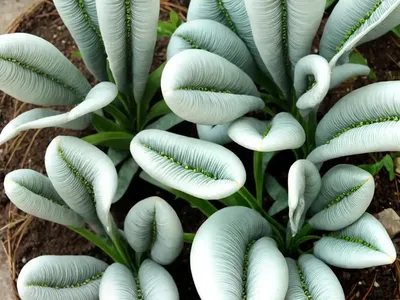
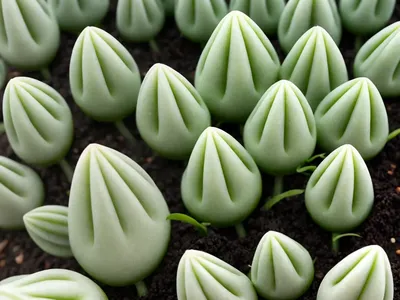
Pig’s Ears (Cotyledon Orbiculata)
Pig’s Ears, scientifically known as Cotyledon orbiculata, are captivating succulents that make a stunning addition to any indoor or outdoor garden. With.
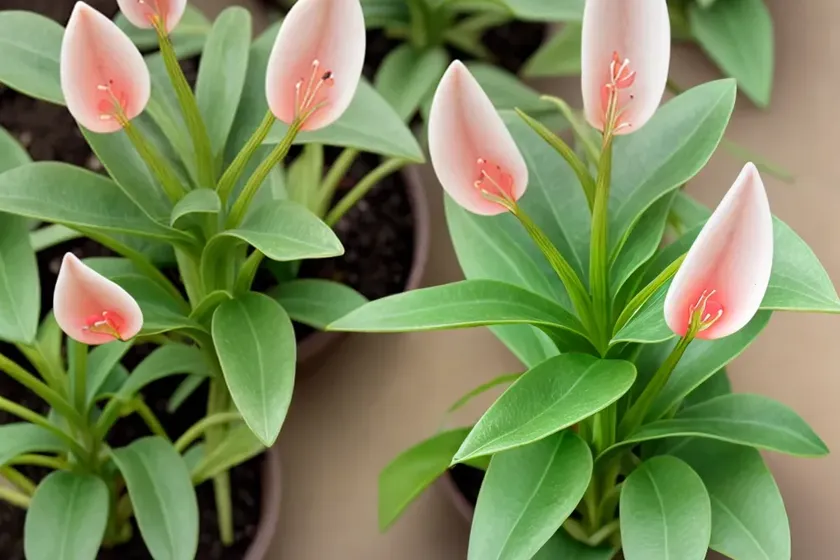
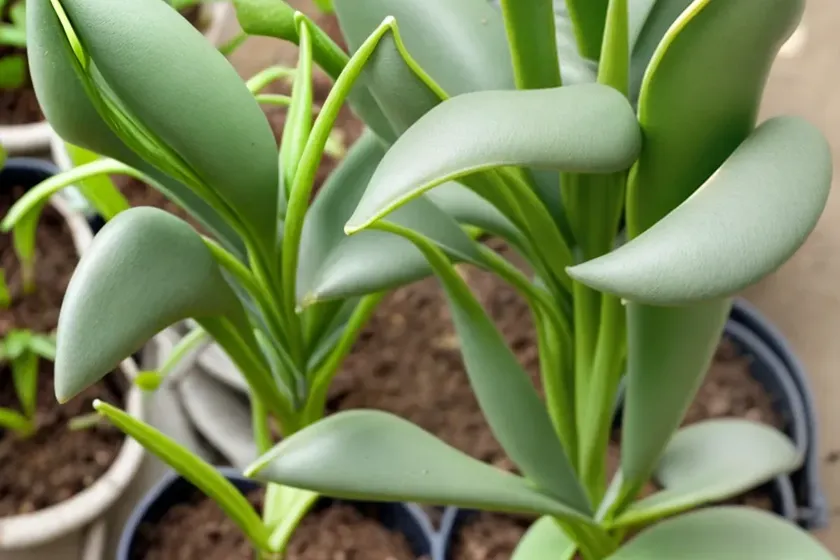
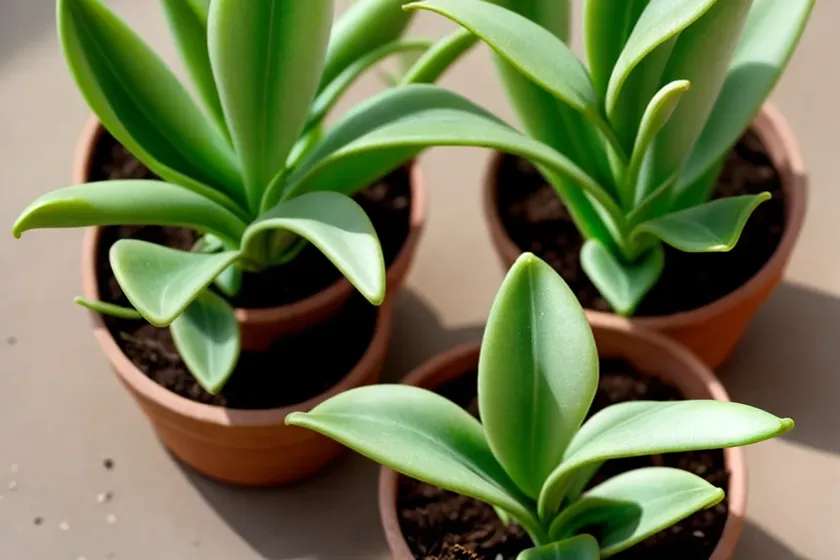
Pig’s Ears, scientifically known as Cotyledon orbiculata, are captivating succulents that make a stunning addition to any indoor or outdoor garden. With their thick, round leaves and easy-to-care-for nature, these plants have gained popularity among plant enthusiasts and gardeners. In this comprehensive guide, we’ll explore the various aspects of Pig’s Ears, including their culture, uses, care requirements, propagation, common diseases, pests, and much more. Whether you’re a seasoned succulent enthusiast or a beginner looking to explore the world of unique and intriguing plants, this guide will provide you with all the information you need to cultivate and care for Pig’s Ears successfully.
What is Pig’s Ears (Cotyledon orbiculata)?
Pig’s Ears, also known as Penny Pigs and Round-leafed Navel-wort, belong to the Crassulaceae family and are native to South Africa. This species is characterized by its fleshy, round leaves that give the plant its distinctive appearance. Pig’s Ears are primarily grown for their ornamental value and are often featured in succulent gardens, containers, and landscapes. These plants are known for their ability to thrive in various conditions, making them an excellent choice for both indoor and outdoor cultivation.
Key Takeaways – Pig’s Ears (Cotyledon orbiculata)
Before delving into the details of Pig’s Ears cultivation and care, let’s take a look at some key takeaways:
- Scientific Name: Cotyledon orbiculata
- Common Names: Pig’s Ears, Penny Pigs, Round-leafed Navel-wort
- Family: Crassulaceae
- Native Habitat: South Africa
- Plant Type: Succulent
- Uses: Ornamental, landscaping, containers, indoor decoration
- Growth Habit: Clumping, branching
- Distinctive Features: Round, fleshy leaves with a silvery-green hue
- Hardiness Zones: 9-11 (USDA zones)
- Sunlight Requirements: Full sun to partial shade
- Watering Needs: Low to moderate
- Soil Type: Well-draining, sandy soil
- Common Pests: Mealybugs, aphids
- Common Diseases: Root rot, fungal infections
With these key points in mind, let’s explore the various aspects of Pig’s Ears, ranging from their cultural preferences to propagation methods and common maintenance practices.
Culture
Understanding the cultural requirements of Pig’s Ears is essential for creating an environment that promotes optimal growth and overall health for these succulents. From sunlight exposure to watering practices, getting the cultural aspects right is key to ensuring the longevity and vibrancy of these plants.
Water
Pig’s Ears, like many succulents, have low to moderate watering needs. Overwatering can lead to root rot and other moisture-related issues, so it’s crucial to allow the soil to dry out between waterings. During the active growing season, typically spring and summer, a thorough watering once every 7-10 days is usually sufficient. In contrast, during the dormant season in fall and winter, it’s best to reduce watering frequency to once every 2-3 weeks, allowing the soil to dry out even more between waterings.
Sunlight
These succulents thrive in bright, indirect light or full sun, making them ideal for sunny locations in your garden or as indoor plants in well-lit spaces. When grown outdoors, they perform well in areas with ample sunlight, while indoor plants benefit from being placed near south or west-facing windows where they can receive plenty of natural light. However, it’s important to acclimate Pig’s Ears to direct sunlight gradually if they have been grown in low light conditions to prevent sunburn on the foliage.
Fertilizer
Pig’s Ears have modest fertilizer needs and can thrive without frequent feeding. During the peak growing season in spring and summer, applying a balanced, water-soluble fertilizer at half or quarter strength once a month can provide the necessary nutrients to support healthy growth. Avoid fertilizing during the dormant period in fall and winter, as the plant’s metabolic activity slows down during this time.
Soil
One of the critical elements for successful Pig’s Ears cultivation is well-draining soil. A combination of cactus mix and perlite or pumice works well for these succulents, providing the adequate drainage they require to prevent waterlogged conditions. It’s essential to choose a potting mix that promotes good aeration and allows excess moisture to escape, helping to safeguard the plant from root rot and other soil-related complications.
Pruning
Pruning Pig’s Ears is typically minimal and mainly focuses on removing any dead or damaged leaves and spent flower stalks. Regularly inspecting the plant for any signs of pests, disease, or decaying foliage allows for early intervention and helps maintain the plant’s overall health and appearance. When pruning, it’s advisable to use sanitized pruning tools to prevent the spread of disease and ensure clean cuts that promote faster healing.
Propagation
Propagating Pig’s Ears is a rewarding and straightforward process that allows you to expand your collection of these captivating succulents. The primary methods of propagation for Pig’s Ears include leaf cuttings and offsets.
Leaf Cuttings
To propagate Pig’s Ears from leaf cuttings, carefully remove a healthy leaf from the mother plant, ensuring that a clean cut is made. Allow the cutting to callus over for a few days to prevent rotting, and then place it on a well-draining propagation mix, lightly misting the soil to maintain adequate moisture levels. Over time, the leaf will develop roots and eventually give rise to a new plantlet, signaling successful propagation.
Offsets
Pig’s Ears produce offsets or “pups” as part of their natural growth habit. These offsets can be gently separated from the parent plant and potted individually in appropriate soil to establish new plants. Ensure that the offsets have a few days to dry and callus before potting them, and take care not to overwater during the initial rooting phase to avoid rotting.
Container Popularity
The versatile nature of Pig’s Ears makes them well-suited for container cultivation, allowing enthusiasts to create striking arrangements and displays both indoors and outdoors. Their preference for well-draining soil and moderate watering requirements makes them an excellent choice for container gardening, providing a splash of character and lush greenery to any space.
Container Uses
- Indoor decoration: Placed on windowsills, desks, or shelves to bring a touch of greenery to indoor spaces.
- Outdoor display: Arranged in containers on patios, balconies, or garden borders to enhance outdoor aesthetics.
- Succulent arrangements: Combined with other succulent varieties to create visually appealing and diverse succulent displays.
- Hanging baskets: Showcased in hanging baskets to add an elegant and cascading element to gardens or indoor areas.
- Centerpieces: Utilized as focal points in container arrangements to draw attention and add visual interest.
Common Diseases and Pest Control
While Pig’s Ears are relatively resilient plants, they can still be susceptible to certain diseases and pest infestations. Understanding how to identify and address these issues is essential for maintaining the health and beauty of your Pig’s Ear plants.
Disease Diagnosis
The most common disease that affects Pig’s Ears is root rot, which is caused by overwatering or poorly draining soil. Symptoms of root rot include wilting, yellowing or browning of the leaves, and a mushy, unpleasant odor emanating from the soil. If detected early, the affected parts can be pruned, and the plant can be repotted in fresh, well-draining soil to promote recovery.
Common Pests
Pig’s Ears are prone to infestations by mealybugs and aphids, which can cause damage to the foliage and overall plant health if left unchecked. Mealybugs appear as white, cottony masses on the plant, while aphids are small, soft-bodied insects that congregate on the undersides of leaves. Controlling these pests can be achieved through various methods, including manual removal, spraying with insecticidal soap, or introducing natural predators such as ladybugs to the garden.
Botanist’s Tips
For those looking to enhance their Pig’s Ears cultivation and care practices, here are some insightful tips from botanists and experienced succulent enthusiasts:
- Provide proper airflow: Good air circulation is crucial for preventing moisture buildup and minimizing the risk of fungal infections in Pig’s Ears.
- Monitor for pests regularly: Regular inspections of the plant help in early pest detection and prompt intervention, reducing the risk of widespread infestations.
- Use a well-draining potting mix: A well-draining mix is essential for preventing waterlogging and ensuring the overall health of Pig’s Ears.
- Acclimate to sunlight gradually: When moving Pig’s Ears to a location with more sunlight, acclimatize them slowly to prevent sunburn and stress.
- Exercise caution with watering: Overwatering is a common issue with succulents, so it’s important to practice restraint and allow the soil to dry out adequately between waterings.
Fun Facts
In addition to being visually captivating and relatively low-maintenance, Pig’s Ears also boast some interesting and noteworthy characteristics:
- Attracts pollinators: When in bloom, the flowers of Pig’s Ears can attract pollinators such as bees and butterflies, contributing to the biodiversity of the garden.
- Drought tolerance: These hardy succulents exhibit excellent drought tolerance, making them suitable for arid and semi-arid climates.
- Longevity: With proper care, Pig’s Ears can live for many years, becoming beloved fixtures in indoor and outdoor spaces.
- Variegated varieties: Pig’s Ears are available in variegated forms, adding a unique and striking dimension to their appearance.
Links to External Resources
For further exploration of Pig’s Ears (Cotyledon orbiculata) and related topics, the following external resources provide valuable insights and in-depth information:
-
Cotyledon orbiculata – PlantZAfrica: Explore detailed information about the species, its distribution, and cultivation.
-
Succulent Pig’s Ears Care Guide – The Spruce: Learn about caring for Pig’s Ears, including light, water, soil, and propagation tips.
-
Cotyledon orbiculata: Pig’s Ear – Mountain Crest Gardens: Delve into the various varieties and characteristics of Pig’s Ears, along with care guidelines.
-
Pig’s Ear Succulent – Costa Farms: Discover the versatility and appeal of Pig’s Ears as indoor and outdoor plants, with useful care tips.
-
Succulent Plant Care – Succulents and Sunshine: Access a wealth of resources on general succulent care, maintenance, and troubleshooting.
-
How to Care for Succulents – World of Succulents: Gain insights into the broader aspects of succulent care, including watering, soil, and propagation.
-
Succulent Gardening Tips – The Succulent Eclectic: Learn about creative ideas, design considerations, and innovative approaches to succulent gardening.
Conclusion
Pig’s Ears (Cotyledon orbiculata) are enchanting succulents that offer a delightful blend of visual appeal and ease of care. Whether you’re drawn to their charming foliage, intrigued by their diverse varieties, or simply seeking low-maintenance plants to enhance your living spaces, Pig’s Ears are an excellent choice for succulent enthusiasts and gardeners alike. By understanding their cultural preferences, implementing appropriate care practices, and staying vigilant against potential issues, you can cultivate thriving Pig’s Ears that bring beauty and serenity to your indoor and outdoor environments. With the knowledge and insights presented in this comprehensive guide, you’re well-equipped to embark on a rewarding journey of nurturing and enjoying these captivating succulents.
Remember, the world of succulents, including Pig’s Ears, is a vast and varied realm, offering endless opportunities for exploration, creativity, and enjoyment. Embrace the unique allure of Pig’s Ears and discover the joy of incorporating these remarkable plants into your botanical repertoire. Happy gardening!