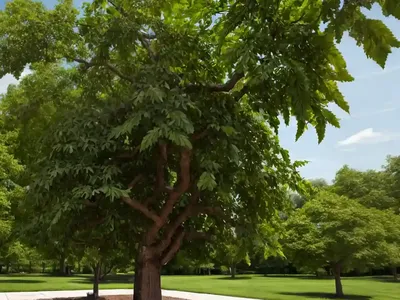
Carya Illinoinensis (Hardy Pecan)
In the world of trees that produce nuts, the Carya illinoinensis, commonly known as the Hardy Pecan, stands out as an iconic and economically important.
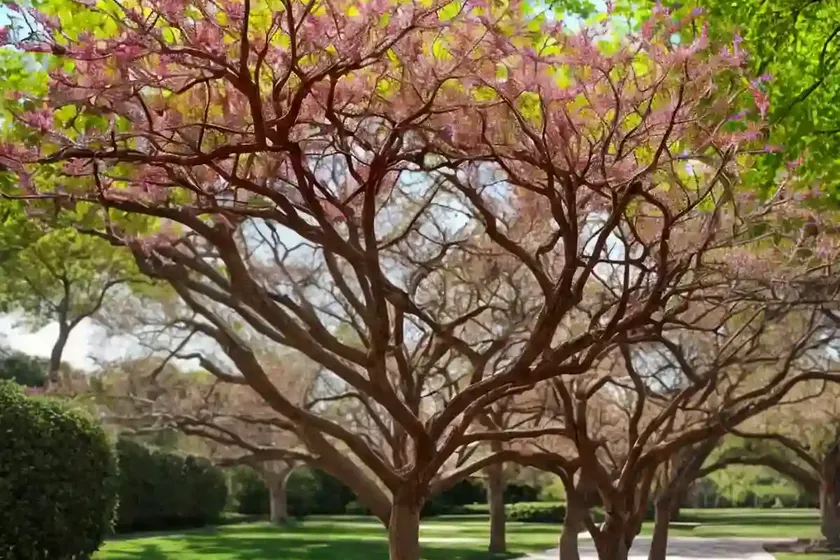


In the world of trees that produce nuts, the Carya illinoinensis, commonly known as the Hardy Pecan, stands out as an iconic and economically important plant. This magnificent tree is not only cherished for its sweet and delicious nuts but also for its ornamental value and a myriad of other uses. As a plant scientist, it is my pleasure to delve into the intricacies of this remarkable species, providing insights into its culture, uses, maintenance, common diseases, and essential botanist’s tips. This comprehensive guide aims to be a valuable resource for both enthusiasts and horticulturalists seeking to learn about the Carya illinoinensis.
What is Carya illinoinensis?
Carya illinoinensis, commonly referred to as the Hardy Pecan or Pecan, is a species of hickory native to the southern United States and northern Mexico. It belongs to the Juglandaceae family, which includes other economically important trees like walnuts and hickories. The Hardy Pecan is renowned for its large, deciduous stature and its ability to produce highly prized, edible nuts. While it is typically grown for its nuts, the Carya illinoinensis also possesses ornamental qualities, with its impressive stature and attractive foliage adding aesthetic value to landscapes.
Key Takeaways – Carya illinoinensis (Hardy Pecan)
Before we delve into the detailed aspects of the Hardy Pecan, let’s highlight a few key takeaways about this remarkable tree:
- Scientific Name: Carya illinoinensis
- Common Name: Hardy Pecan
- Family: Juglandaceae
- Native to: Southern United States and northern Mexico
- Significance: Prized for its edible nuts and ornamental value
Now, let’s proceed to explore the various facets of the Carya illinoinensis, including its culture, uses, maintenance, diseases, and fascinating tips for plant enthusiasts.
Culture of Carya illinoinensis
Water
Proper watering is crucial for the health and productivity of the Hardy Pecan tree. As a native species of the southern United States, it is adapted to humid conditions but can also tolerate dry spells once established. However, consistent moisture is important, especially during the growing season and when the tree is fruiting. Adequate watering helps in nut development and overall tree vigor.
Watering Requirements
- Young Trees: Newly planted or young Carya illinoinensis trees require regular watering, especially during dry spells. Providing approximately 1-2 inches of water per week is beneficial for their establishment and early growth.
- Mature Trees: Once established, mature Hardy Pecan trees can generally withstand moderate drought conditions. However, during prolonged dry periods, it is advisable to water deeply, ensuring the moisture reaches the tree’s extensive root system.
Sunlight
The Hardy Pecan thrives in full sun, requiring at least 6-8 hours of direct sunlight daily for optimal growth and nut production. As such, it is essential to plant the tree in a location where it can receive ample sunlight throughout the day.
Fertilizer
Proper fertilization is vital for the overall health and productivity of Carya illinoinensis trees. Fertilizers can help supplement the soil with essential nutrients, especially in nutrient-deficient soils, ensuring vigorous growth and abundant nut production.
Fertilizer Application
- Timing: Fertilize young Hardy Pecan trees in early spring. For mature trees, split the fertilizer application, providing half in early spring and the other half in late spring to early summer.
- Type and Quantity: A balanced fertilizer with a high content of nitrogen, phosphorus, and potassium is recommended. Apply according to the manufacturer’s instructions, usually based on the tree’s age and size.
Soil
The Hardy Pecan thrives in deep, well-draining, and loamy soils. It prefers slightly acidic to neutral soils, with a pH range of 6.0-7.0 being ideal for optimal growth and nut production. Additionally, the soil should be rich in organic matter to support the tree’s extensive root system and overall health.
Pruning
Pruning is an essential aspect of Carya illinoinensis maintenance, contributing to tree health, shape, and fruitfulness. Proper pruning helps in maintaining an open canopy, improving air circulation, and removing dead or diseased wood, thus promoting better nut production.
Pruning Techniques
- Timing: Prune young trees in late winter or early spring before bud break. For mature trees, conduct pruning during the dormant season.
- Goals: The primary goals of pruning is to remove dead or diseased branches, thin out crowded growth, and shape the tree for optimal sunlight penetration.
Propagation
The propagation of Carya illinoinensis can be achieved through various methods, including seed propagation and grafting. While seed propagation is the most common method for growing pecan trees, grafting is often utilized to ensure the propagation of specific cultivars with desirable traits.
Seed Propagation
- Seed Collection: Collect fully matured pecans from healthy, disease-free trees in the fall.
- Stratification: Soak the pecans in water for 24 hours, then store them in a moist medium at temperatures of 32-45°F for 60-90 days to break dormancy.
- Planting: Sow the stratified pecans in well-draining soil in the spring.
Grafting
- Scion Collection: Obtain healthy scion wood from a desirable cultivar.
- Grafting Technique: Utilize the cleft grafting or whip-and-tongue grafting method for successful propagation.
- Nurturing Grafted Trees: Provide proper care and maintenance to ensure the successful establishment of grafted pecan trees.
Container Popularity
While Hardy Pecan trees are traditionally grown in open landscapes, they are also suitable for container cultivation. Growing Carya illinoinensis in containers allows individuals with limited space to enjoy the benefits of this remarkable tree, including its ornamental value and tasty nuts.
Container Growth Requirements
- Pot Size: Choose large, sturdy containers with adequate drainage holes to accommodate the tree’s extensive root system.
- Soil: Utilize a well-draining potting mix, ensuring it is rich in organic matter and has a slightly acidic pH.
- Sunlight: Place the container in a location that receives ample sunlight, providing at least 6-8 hours of direct sunlight daily.
- Watering: Maintain consistent moisture in the container, ensuring the tree’s roots do not dry out.
Common Diseases
Disease Diagnosis
While the Hardy Pecan is relatively resilient, it is susceptible to certain diseases that can impact its health and productivity. Common diseases that affect Carya illinoinensis include pecan scab, powdery mildew, and bacterial leaf scorch. Timely diagnosis and appropriate management are essential for effectively addressing these diseases.
Pecan Scab
- Symptoms: Dark, olive-green lesions on leaves, shucks, and nut kernels.
- Management: Utilize fungicidal sprays, practice good sanitation, and consider resistant cultivars.
Powdery Mildew
- Symptoms: White, powdery fungal growth on leaves and shoots.
- Management: Apply sulfur-based fungicides and ensure proper air circulation around the tree.
Bacterial Leaf Scorch
- Symptoms: Marginal necrosis and leaf scorching, typically progressing from the outer edges inwards.
- Management: There are no effective treatments for bacterial leaf scorch, and affected trees often require removal to prevent the spread of the disease.
Common Pests
The Hardy Pecan is also susceptible to various pests that can impact its growth and nut production. Common pecan pests include pecan weevils, hickory shuckworms, and aphids, among others.
Pecan Weevils
- Damage: Larvae feed on developing nuts, causing significant damage and reducing nut quality.
- Management: Utilize pheromone traps, apply insecticidal sprays, and practice orchard sanitation to manage pecan weevil populations.
Hickory Shuckworms
- Damage: Larvae bore into developing nuts, resulting in damaged and unsalable pecans.
- Management: Utilize insecticidal sprays during the vulnerable stages of nut development to control shuckworm populations.
Aphids
- Damage: Aphids feed on sap, causing distortion and stunted growth in pecan trees.
- Management: Utilize insecticidal soaps, horticultural oils, and encourage natural predators to manage aphid infestations.
Botanist’s Tips
As a plant scientist, I have several tips and recommendations for successful Carya illinoinensis cultivation and maintenance:
- Selecting Cultivars: When choosing Hardy Pecan cultivars, consider factors such as disease resistance, nut size, and overall productivity to ensure successful nut yields.
- Soil Management: Regular soil testing and amendments are vital for maintaining optimal soil conditions for pecan trees, ensuring they receive the necessary nutrients for vigorous growth.
- Pruning Practices: Employ proper pruning techniques to establish a strong scaffold structure and open canopy, promoting sunlight penetration and airflow within the tree.
- Integrated Pest Management: Implement integrated pest management strategies, combining cultural, biological, and chemical controls for effective pest management while minimizing environmental impact.
Fun Facts
- The word “pecan” is of Algonquian origin, meaning “a nut requiring a stone to crack.”
- Pecans are not true nuts but are botanically classified as drupes, consisting of a single stone or pit surrounded by a husk.
- The Hardy Pecan is the state tree of Texas and the state nut of Alabama.
Links to External Resources
For further in-depth information on Carya illinoinensis and pecan tree care, consider exploring the following resources:
- Growing Pecans in the Home Landscape
- Pecan Cultivars: Yard and Garden, Agriculture and Natural Resources Fact Sheet
- Pecan Production Guidelines for Small Orchards and Home Yards
- Managing Pests in Pecans
- Pecan Nut Varieties
- Pecan Scab Management in Georgia
- Pecan Production Practices in California
- Pecan Tree Care in Arizona
In conclusion, Carya illinoinensis, or the Hardy Pecan, stands as a testament to the splendor and utility of trees in the natural world. Its significance lies not only in its delectable nuts but also in its contribution to landscapes, ecosystems, and horticultural practices. By understanding and appreciating the intricacies of this remarkable species, we can foster a deeper connection with the natural world and further our knowledge of plant science and cultivation.
As I conclude this comprehensive guide, I hope that it serves as a valuable resource for plant enthusiasts, horticulturists, and individuals seeking to explore the captivating realm of the Hardy Pecan, Carya illinoinensis.
Remember, when it comes to Carya illinoinensis, there’s more to this iconic tree than meets the eye!