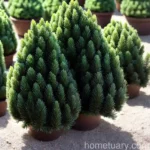
Picea pungens ‘Edith’ (Colorado Spruce): The Ultimate Guide
The Picea pungens ‘Edith,’ commonly known as the Colorado Spruce ‘Edith,’ is a magnificent coniferous evergreen tree that belongs to the Pinaceae family. Its striking blue-green foliage and graceful form make it a valuable addition to landscapes, providing year-round interest with its attractive color and texture. In this comprehensive guide, we will delve into the world of the Picea pungens ‘Edith,’ exploring its cultural requirements, uses, care tips, common diseases, and much more.
What is Picea pungens ‘Edith’ (Colorado Spruce)?
The Picea pungens ‘Edith’ is a cultivar of the species Picea pungens, commonly known as the Colorado Spruce. This tree is native to the Rocky Mountains of the United States and is particularly prevalent in Colorado, where it thrives in the harsh climate and rugged terrain of the region. The ‘Edith’ variety is renowned for its stunning blue needles and its ability to maintain its vibrant color throughout the year, making it a sought-after ornamental tree for landscaping.
Key Takeaways – Picea pungens ‘Edith’ (Colorado Spruce)
- Scientific Name: Picea pungens ‘Edith’
- Common Name: Colorado Spruce ‘Edith’
- Family: Pinaceae
- Origin: Rocky Mountains, United States
- Foliage: Blue-green needles
- Growth Form: Conical, pyramidal
- Uses: Ornamental, landscaping
Now, let’s explore the various facets of this remarkable tree in detail, from its cultural requirements to its role in the landscape and its potential pests and diseases.
Culture
Understanding the cultural requirements of the Picea pungens ‘Edith’ is essential for successfully cultivating and maintaining this striking tree. From watering and sunlight needs to soil preferences and pruning techniques, each aspect plays a crucial role in nurturing healthy and vibrant specimens of this Colorado Spruce variety.
Water
An adequate and consistent water supply is vital for the optimal growth and health of Picea pungens ‘Edith.’ While these trees are relatively drought-tolerant once established, they benefit from regular watering during dry periods, especially in the first few years after planting. Deep, infrequent watering is preferred over frequent shallow irrigation, as it encourages the development of a robust root system.
Watering Requirements for Picea pungens ‘Edith’
| Age of Tree | Watering Frequency and Amount |
|---|---|
| Newly Planted | Water deeply 2-3 times per week, adjusting based on weather conditions |
| Established (2+ years) | Water deeply every 7-10 days, more during periods of prolonged drought |
It’s important to monitor soil moisture levels, particularly during hot and dry spells, to ensure that the tree’s water requirements are met. Mulching the base of the tree with a layer of organic mulch, such as wood chips or pine bark, can help retain soil moisture and regulate temperature, promoting an optimal growing environment for the Colorado Spruce ‘Edith.’
Sunlight
Colorado Spruce ‘Edith’ thrives in full sun to partial shade, preferably receiving at least six hours of direct sunlight daily. When selecting a planting site, it’s crucial to prioritize locations that offer ample sunlight, as this promotes the development of dense, vibrant foliage and a well-balanced, symmetrical growth habit.
Sunlight Needs for Picea pungens ‘Edith’
Ideal Conditions: Full sun to partial shade (6+ hours of direct sunlight)
Signs of Insufficient Sunlight:
– Sparse foliage
– Reduced growth rate
– Poor coloration of needles
By ensuring adequate exposure to sunlight, gardeners can maximize the ornamental value of the ‘Edith’ Colorado Spruce and promote its overall vigor and resilience.
Soil
The Colorado Spruce ‘Edith’ thrives in well-draining, slightly acidic to neutral soils. It is essential to avoid waterlogging, as excessively moist or compacted soils can lead to root rot and other detrimental conditions. Prior to planting, it’s advisable to amend heavy clay soils with organic matter, such as compost or peat moss, to improve drainage and enhance soil structure.
Best Soil for Picea pungens ‘Edith’
- pH Range: 5.5 – 7.0 (slightly acidic to neutral)
- Texture: Well-draining, loamy soil
- Structure: Aerated, friable
Conducting a soil test can provide valuable insights into the existing soil composition and pH levels, guiding the appropriate amendments and ensuring an optimal foundation for the growth of the ‘Edith’ Colorado Spruce.
Fertilizer
Proper fertilization can bolster the growth and vitality of Picea pungens ‘Edith,’ particularly during the initial stages of establishment. An annual application of a balanced, slow-release fertilizer in early spring can provide the tree with essential nutrients for the growing season. It’s essential to follow the manufacturer’s recommendations regarding application rates and to avoid over-fertilization, which can be detrimental to the tree’s health.
Pruning
Pruning is an integral aspect of the maintenance and shaping of the Colorado Spruce ‘Edith.’ While minimal pruning is generally necessary due to its naturally elegant form, occasional removal of dead or damaged branches can help maintain the tree’s health and aesthetic appeal. Pruning is best conducted during the dormant season to minimize stress and promote efficient healing of cut surfaces.
‘Edith’ Colorado Spruce Pruning Techniques
- Remove dead, diseased, or broken branches as needed
- Maintain the natural form and structure of the tree
- Conduct pruning during late winter or early spring
By adhering to proper pruning techniques, gardeners can accentuate the graceful silhouette of the ‘Edith’ Colorado Spruce while ensuring its long-term well-being.
Propagation
The propagation of Picea pungens ‘Edith’ is commonly achieved through the collection and germination of seeds. However, it’s essential to note that growing trees from seed may result in genetic variability, potentially leading to variations in the color and characteristics of the offspring. Propagation via cuttings is also feasible, albeit less common, and typically requires specialized horticultural knowledge and techniques.
Container Popularity
Due to its striking foliage and manageable size, Picea pungens ‘Edith’ is a popular choice for container cultivation, making it suitable for patios, small gardens, and urban landscapes. When grown in containers, it’s crucial to ensure adequate drainage and moisture retention, as well as regular monitoring of the tree’s growth to prevent root binding and other container-related issues.
Uses
The Colorado Spruce ‘Edith’ holds significant value in landscaping and ornamental horticulture, serving diverse purposes in both residential and commercial settings. From its role as a focal point in garden designs to its contributions to wildlife habitats, this versatile tree offers an array of uses and benefits.
Landscaping
Picea pungens ‘Edith’ is favored for landscaping due to its exceptional ornamental qualities, including its distinctive blue-green needles and graceful growth habit. It serves as an elegant focal point in gardens, adding visual interest and a sense of permanence to the landscape. When planted in groupings or used as a specimen tree, the ‘Edith’ Colorado Spruce contributes texture, color, and structure to diverse landscape designs.
‘Edith’ Colorado Spruce Landscaping Ideas
- Accentuate entryways and pathways with strategically placed ‘Edith’ Colorado Spruce specimens
- Create mixed evergreen borders featuring the ‘Edith’ alongside other conifers and broadleaf plants
- Incorporate the tree into rock gardens or alpine-inspired landscapes to emulate its native habitat
With its adaptable nature and striking appearance, the Colorado Spruce ‘Edith’ offers endless possibilities for creative landscaping endeavors.
Companion Plants
When selecting companion plants for Picea pungens ‘Edith,’ it’s essential to consider its soil, water, and sunlight requirements, as well as its growth habit and mature size. Well-chosen companion plants can complement the tree’s aesthetic appeal and provide a harmonious backdrop for its vibrant blue-green foliage.
Companion Plants for Picea pungens ‘Edith’
- Shrubs: Juniperus squamata ‘Blue Star,’ Berberis thunbergii ‘Golden Ruby’
- Perennials: Festuca glauca, Sedum spectabile ‘Autumn Joy’
- Groundcovers: Ajuga reptans, Vinca minor
- Bulbs: Allium caeruleum, Muscari armeniacum
By incorporating compatible companion plants, gardeners can create visually engaging plant combinations that enhance the overall allure of the ‘Edith’ Colorado Spruce within the landscape.
Common Diseases
While the Colorado Spruce ‘Edith’ is generally resilient, it is susceptible to certain diseases that can impact its health and appearance. Recognizing the symptoms and implementing appropriate preventive measures are essential for maintaining the vigor of the tree and minimizing disease-related issues.
Disease Prevention
Ensuring proper cultural care, such as adequate watering, appropriate pruning, and soil management, is a fundamental component of disease prevention for Picea pungens ‘Edith.’ Additionally, monitoring and promptly addressing any signs of disease or stress can help mitigate the impact of potential pathogens.
Key Diseases Affecting Picea pungens ‘Edith’:
1. Cytospora Canker: Characterized by sunken, discolored areas on branches and trunk, often accompanied by resinous sap
2. Rhizosphaera Needle Cast: Causing needle discoloration and premature needle drop, particularly in dense, shaded conditions
Regular inspection of the tree for symptoms of disease, coupled with a proactive approach to cultural care, can greatly contribute to the overall health and resilience of the ‘Edith’ Colorado Spruce.
Disease Diagnosis
In the event of suspected disease issues, seeking professional diagnosis from a certified arborist or plant health specialist is advisable. Through comprehensive assessment and laboratory analysis, accurate identification of the disease and tailored management recommendations can be obtained, enabling targeted treatment and preventive strategies.
Common Pests
Like many coniferous trees, Picea pungens ‘Edith’ may encounter certain pests that can potentially compromise its vitality and appearance. Identifying common pests, understanding their life cycles, and implementing appropriate control measures are essential for mitigating pest-related issues and safeguarding the tree’s well-being.
Notable Pests of Picea pungens ‘Edith:
1. Spruce Spider Mites: Tiny arachnids that feed on needles, leading to stippling and discoloration
2. Spruce Gall Adelgids: Producing abnormal growths (galls) on shoots and twigs, potentially causing deformities and stress
Vigilant monitoring and prompt intervention in the event of pest infestations are crucial for maintaining the health and aesthetics of the ‘Edith’ Colorado Spruce.
Botanist’s Tips
To ensure the successful cultivation and enjoyment of Picea pungens ‘Edith,’ consider the following botanist’s tips for optimal tree care and management:
- Monitor soil moisture regularly, particularly during periods of drought or excessive heat, to ensure adequate hydration for the ‘Edith’ Colorado Spruce.
- Prioritize proper soil preparation and drainage to mitigate the risk of waterlogged conditions, which can be detrimental to the tree’s root system.
- Implement a regular inspection routine to detect signs of pests or diseases early, allowing for timely intervention and mitigation of potential issues.
- Incorporate compatible companion plants that complement the ‘Edith’ Colorado Spruce, enhancing its visual impact and ecological value within the landscape.
- Adhere to proper pruning practices, focusing on the removal of dead, diseased, or damaged branches while preserving the natural form and structure of the tree.
By incorporating these tips into the care and management of Picea pungens ‘Edith,’ gardeners can foster healthy, vibrant specimens that contribute to the beauty and vitality of their outdoor spaces.
Fun Facts
Expand your knowledge and appreciation for the Colorado Spruce ‘Edith’ with these intriguing fun facts:
- The distinctive blue-green needles of the ‘Edith’ Colorado Spruce add a captivating and unique hue to the landscape, standing out among other evergreen species.
- Picea pungens ‘Edith’ is renowned for its cold hardiness, thriving in regions with challenging winter climates and contributing to the allure of winter landscapes with its persistent color.
- The foliage of the Colorado Spruce ‘Edith’ provides shelter and nesting sites for various bird species, enhancing its ecological significance in diverse habitats.
- The ‘Edith’ variety is prized for its adaptability to container cultivation, offering a versatile option for adding ornamental evergreens to patios, balconies, and small urban spaces.
Links to External Resources
Expand your knowledge and discover valuable insights about Picea pungens ‘Edith’ and related topics through these reputable external resources:
- The Spruce – How to Grow and Care for Colorado Blue Spruce Trees
- [Royal Horticultural Society – Picea pungens ‘Edith’] (https://www.rhs.org.uk/Plants/142592/i-Picea-pungens-i-Edith/Details)
- Colorado State University Extension – Spruce Tree Diseases
- [Missouri Botanical Garden – Picea pungens] (https://www.missouribotanicalgarden.org/PlantFinder/PlantFinderDetails.aspx?kempercode=a602)
Conclusion
The Picea pungens ‘Edith,’ or Colorado Spruce ‘Edith,’ stands as a captivating and valuable addition to landscapes, offering timeless beauty and enduring appeal. By understanding its cultural requirements, uses, potential diseases, and vital care tips, gardeners can cultivate and enjoy the ornamental charm of the ‘Edith’ Colorado Spruce while contributing to the richness and diversity of their outdoor environments. Embrace the timeless allure of this remarkable conifer, and usher in a new realm of beauty and fascination within your landscape with the captivating Picea pungens ‘Edith.’