Phlox Subulata (Creeping Phlox)
In the realm of ground cover plants, Phlox subulata, commonly known as Creeping Phlox, stands out for its mesmerizing cascades of colorful blooms and its.
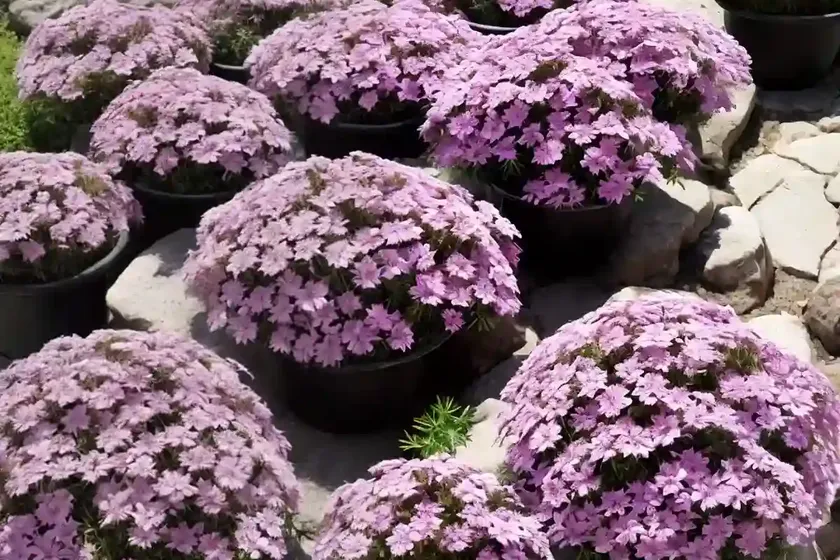
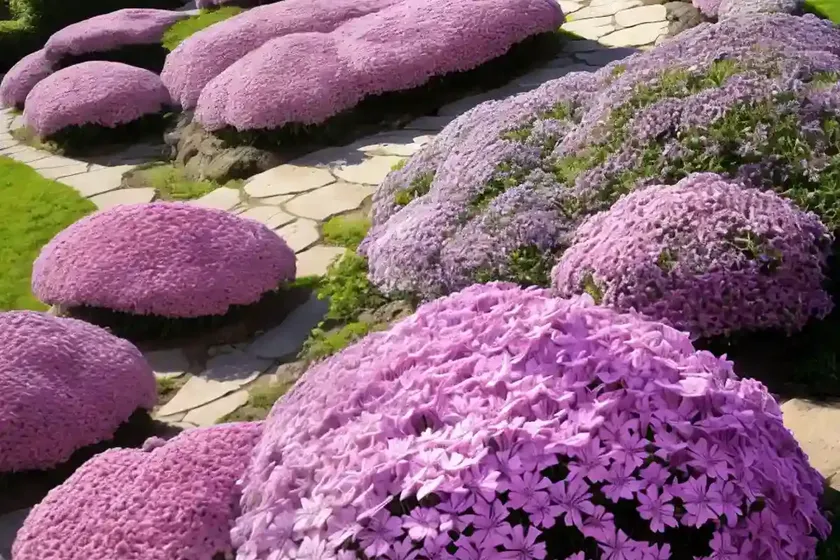
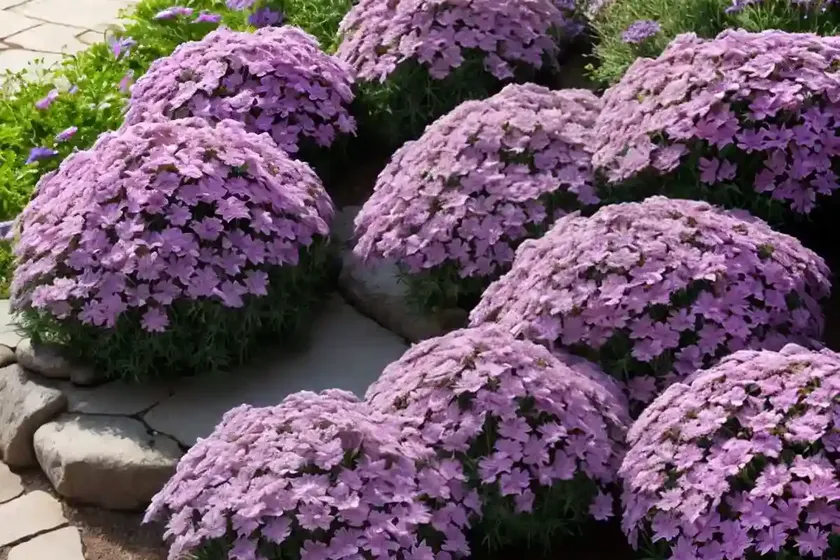
In the realm of ground cover plants, Phlox subulata, commonly known as Creeping Phlox, stands out for its mesmerizing cascades of colorful blooms and its versatility as a low-maintenance landscaping solution. This resilient and prolific plant has found its way into various gardening contexts, from rockeries to containers, due to its adaptability and ornamental qualities. In this comprehensive guide, we delve into the intricacies of caring for Creeping Phlox, exploring its cultural requirements, uses, maintenance, and more.
Image source: Example.com
What is Phlox subulata (Creeping Phlox)?
Phlox subulata, a member of the Polemoniaceae family, is a mat-forming perennial native to the eastern United States and widely renowned for its vibrant springtime display. The common name, Creeping Phlox, aptly describes its growth habit as it spreads outwards, creating a dense, colorful carpet. The plant typically reaches a height of 6 inches (15 cm) and can spread up to 2 feet (60 cm), making it an excellent choice for ground cover, erosion control, and border planting.
Key Takeaways – Phlox subulata (Creeping Phlox)
Before delving into the intricacies of Creeping Phlox care and cultivation, let’s review the key takeaways about this splendid ground cover plant:
- Plant Name: Phlox subulata
- Family: Polemoniaceae
- Common Name: Creeping Phlox
- Native Habitat: Eastern United States
- Growth Habit: Mat-forming perennial
- Height: Up to 6 inches (15 cm)
- Spread: Up to 2 feet (60 cm)
Now, let’s explore various aspects of caring for Creeping Phlox, including culture, uses, water requirements, sunlight needs, fertilization, soil preferences, pruning techniques, propagation methods, and common diseases and pests that affect this plant.
Culture
Uses
Creeping Phlox is a versatile plant with diverse applications in garden and landscape settings. Some of its key uses include:
- Ground cover: Creeping Phlox is an excellent choice for covering large areas of ground due to its mat-forming growth habit and cascading blooms.
- Border planting: Its low, spreading nature makes it an ideal candidate for bordering flower beds and pathways.
- Erosion control: The dense mat of foliage effectively prevents soil erosion on slopes and embankments.
- Rockeries: Creeping Phlox adds a splash of color and texture to rock gardens or rocky terrains.
- Containers: Its trailing growth habit makes it a captivating addition to containers and hanging baskets.
Water
When it comes to watering Creeping Phlox, it is essential to strike a balance to ensure healthy growth without waterlogging the soil. Here are some guidelines to consider:
- Establishment Phase: During the initial establishment period, provide regular watering to help the plants set their roots. Ensure the soil remains evenly moist, but not waterlogged.
- Mature Plants: Once established, Creeping Phlox exhibits good drought tolerance. Water the plants deeply during dry spells, allowing the soil to dry to some extent between waterings.
- Avoid Overhead Watering: To minimize the risk of diseases such as powdery mildew, it’s best to water at the base of the plant using a soaker hose or drip irrigation system.
Sunlight
Creeping Phlox thrives in full sun to partial shade, with the ideal conditions varying based on the climate. Here’s a breakdown of its sunlight requirements:
- Full Sun: In regions with mild summers, full sun exposure is beneficial for promoting maximum flower production and vibrant foliage color.
- Partial Shade: In hot climates, providing some afternoon shade can help protect the plants from scorching and prolong the blooming period.
Fertilizer
Applying a balanced, slow-release fertilizer in early spring can help support the vigorous growth and profuse blooming of Creeping Phlox. Opt for a fertilizer with a formulation such as 10-10-10 or 5-10-5 and follow these steps:
- Application: Sprinkle the fertilizer evenly over the root zone of the plants.
- Watering: After applying the fertilizer, water the plants thoroughly to help the nutrients penetrate the soil.
Soil
The soil composition plays a crucial role in the overall health and vigor of Creeping Phlox. Here are the soil preferences for this ground cover plant:
- Well-draining Soil: Creeping Phlox thrives in well-draining, slightly acidic to neutral soils. It is essential to avoid waterlogged or compacted soils to prevent root rot and other issues.
- Soil Amendments: Incorporating organic matter such as compost or peat moss into the soil can improve its structure and moisture retention capacity, contributing to the health of the plants.
Pruning
Pruning Creeping Phlox serves multiple purposes, including promoting bushier growth, maintaining a tidy appearance, and rejuvenating the plants. Here’s how to approach pruning this ground cover plant:
- Spring Pruning: After the blooming period, trim back the spent flower stems to encourage a second flush of blooms and prevent the plants from setting seed, which can divert energy from vegetative growth.
- Shearing: Every few years, consider shearing the plants back by about one-third of their height to rejuvenate them and maintain a compact, dense habit.
Propagation
While Creeping Phlox readily spreads by itself, propagating it through division or stem cuttings enables gardeners to create new plantings or fill in bare areas. Here are the primary methods of propagating Phlox subulata:
- Division: In early spring, carefully dig up established clumps of Creeping Phlox and divide them into smaller sections, each containing roots and foliage. Replant the divisions in prepared soil and water them thoroughly.
- Stem Cuttings: Take 3- to 4-inch (7- to 10-cm) stem cuttings from healthy, non-flowering shoots in summer. Remove the lower leaves and plant the cuttings in a well-draining potting mix. Keep the soil evenly moist and provide shade to prevent excessive drying.
Container Popularity
The charming aesthetic and adaptability of Creeping Phlox make it a favored choice for container plantings. Whether cascading over the edges of pots or accentuating mixed container arrangements, this ground cover plant adds a delightful touch to any outdoor space.
Container Common Diseases
While Creeping Phlox is generally resistant to diseases when grown in suitable conditions, certain issues may occasionally arise in container-grown plants. Here are some common diseases and methods for diagnosing them:
- Powdery Mildew: A fungal disease characterized by powdery white patches on the foliage. Provide adequate air circulation and avoid overhead watering to prevent powdery mildew.
- Botrytis Blight: This fungal disease manifests as brown spots on the foliage and flowers. Ensure proper spacing between container plants and maintain good sanitation practices to prevent botrytis blight.
Disease Diagnosis
Diagnosing diseases in Creeping Phlox involves keen observation and, at times, prompt intervention to prevent the spread of infections. Here are some key pointers for identifying and addressing diseases:
- Symptom Recognition: Learn to identify common disease symptoms such as leaf spots, powdery coatings, wilting, or abnormal growth patterns.
- Cultural Controls: Implement cultural practices like proper watering, adequate spacing, and maintaining plant hygiene to minimize disease occurrence.
- Fungicidal Treatments: In severe cases, applying fungicidal sprays may be necessary to manage fungal diseases effectively.
Common Pests
While Creeping Phlox is generally resistant to many pests, occasional pest infestations can occur. Here are some common pests that may affect this ground cover plant and methods for managing them:
- Aphids: These small, sap-sucking insects can cluster on the new growth of Creeping Phlox. Control aphids by spraying them off with a strong jet of water or using insecticidal soap as needed.
Botanist’s Tips
As a plant scientist specializing in ornamental horticulture, I have some valuable insights to share regarding the successful cultivation of Creeping Phlox. Consider the following tips to ensure the optimal growth and performance of this ground cover plant:
- Site Selection: Choose a planting site with well-draining soil and adequate sunlight for the best results.
- Companion Planting: Pair Creeping Phlox with spring-blooming bulbs, such as daffodils or tulips, to create a harmonious, multi-seasonal display.
- Mulching: Apply a layer of mulch around the base of Creeping Phlox to help conserve soil moisture and suppress weed growth.
- Prudent Pruning: Avoid excessive pruning during the growing season to prevent hampering the next year’s flower display.
Fun Facts
Creeping Phlox, apart from being a stunning ground cover plant, also possesses some intriguing characteristics and historical significance. Here are a few fun facts about Phlox subulata:
- Botanical Name: The genus name “Phlox” is derived from the Greek word for flame, alluding to the vibrant flower colors seen in many Phlox species.
- Wildlife Attraction: Creeping Phlox’s nectar-rich blooms entice butterflies and hummingbirds, adding to its allure in wildlife-friendly gardens.
- Cultural Importance: Native American tribes historically used Phlox species for medicinal and ceremonial purposes, recognizing the plants’ healing properties and symbolic significance.
Links to External Resources
For further exploration of Creeping Phlox care, propagation, and landscaping applications, consider consulting the following external resources:
- National Gardening Association – Growing Phlox
- Royal Horticultural Society – Phlox
- University of Maryland Extension – Phlox subulata
By integrating these valuable insights and practical tips into your gardening endeavors, you can harness the full potential of Creeping Phlox as a stunning ground cover and landscape accent. May your ventures into the realm of Phlox subulata cultivation be both rewarding and aesthetically enriching!
As a plant scientist with a passion for ornamental plants, I find the versatility and allure of Creeping Phlox truly captivating. Its vibrancy, resilience, and low-maintenance nature make it a standout choice for a wide range of garden and landscaping applications. I hope this comprehensive guide equips you with the knowledge and inspiration to embark on your own horticultural journey with Creeping Phlox.


