Phlox Paniculata ‘Eva Cullum’ – The Ultimate Guide for Gardeners
Phlox paniculata ‘Eva Cullum’ or Garden Phlox is a stunning perennial flowering plant known for its vibrant and fragrant blooms. It is a popular choice for gardeners seeking to add color and beauty to their outdoor spaces. In this comprehensive guide, we will delve into the various aspects of caring for and cultivating Phlox paniculata ‘Eva Cullum’.
What is Phlox Paniculata ‘Eva Cullum’ (Garden Phlox)?
Phlox paniculata ‘Eva Cullum’ is a cultivar of the Phlox paniculata species, which is part of the Polemoniaceae family. This particular cultivar is prized for its striking flowers and its ability to attract pollinators such as butterflies and hummingbirds. With its long blooming period and ease of care, it has become a favorite among gardeners looking to enhance their landscapes with vibrant floral displays.
Key Takeaways – Phlox paniculata ‘Eva Cullum’ (Garden Phlox)
Before we dive into the specific care and cultivation techniques for Phlox paniculata ‘Eva Cullum’, let’s summarize the key takeaways for this beautiful plant:
- Botanical Name: Phlox paniculata ‘Eva Cullum’
- Common Name: Garden Phlox ‘Eva Cullum’
- Plant Type: Herbaceous perennial
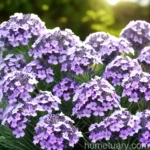
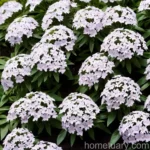
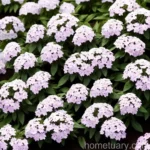
- Flower Color: Pink with white center
- Blooming Period: Summer to early fall
- Fragrance: Sweet, pleasant fragrance
- Attracts: Butterflies, hummingbirds
- Ideal for: Borders, containers, and cottage gardens
Now that we have a general understanding of what Phlox paniculata ‘Eva Cullum’ is, let’s explore the specific care requirements and cultivation techniques to help you grow and maintain this stunning plant in your garden.
Culture
Cultivating Phlox paniculata ‘Eva Cullum’ requires attention to several key aspects, including water, sunlight, soil, fertilization, and pruning. Let’s delve into each of these cultural requirements in detail.
Uses
Phlox paniculata ‘Eva Cullum’ is a versatile plant that can be used in various garden settings and landscaping designs. Some popular uses include:
- Borders: The vibrant blooms of Garden Phlox ‘Eva Cullum’ make it an excellent choice for border plantings, where it can add a splash of color and visual interest.
- Containers: Due to its compact size and beautiful flowers, Phlox paniculata ‘Eva Cullum’ can be grown in containers and placed on patios, balconies, or as a focal point in the garden.
- Cottage Gardens: Its classic, cottage garden appeal makes it a perfect addition to informal garden settings, where it can thrive alongside other perennials and annuals.
Water
Proper watering is essential for the health and vitality of Phlox paniculata ‘Eva Cullum’. While this plant is known for its tolerance to dry conditions, it thrives best when provided with consistent moisture, especially during the growing season. Here are some watering guidelines to follow:
- Regular Watering: Water the plant thoroughly whenever the top inch of the soil feels dry to the touch. During hot and dry periods, consider increasing the frequency of watering to ensure the soil remains evenly moist.
- Avoid Overwatering: While Garden Phlox ‘Eva Cullum’ appreciates moisture, it is important to avoid overwatering, as this can lead to root rot and other problems. Ensure that the soil has good drainage to prevent waterlogging.
Sunlight
Phlox paniculata ‘Eva Cullum’ thrives in full sun to partial shade, making it adaptable to various light conditions. When selecting a location for planting or situating containers, consider the following sunlight requirements:
- Full Sun: Ideally, provide the plant with at least 6 hours of direct sunlight per day for the best flowering performance. In regions with intense summer heat, some afternoon shade can be beneficial.
- Partial Shade: In hotter climates, partial shade during the hottest part of the day can help protect the plant from wilting and maintain the quality of the blooms.
Fertilizer
To support healthy growth and abundant flowering, Phlox paniculata ‘Eva Cullum’ benefits from regular applications of balanced fertilizer. Here’s how to fertilize this garden beauty effectively:
- Spring Feeding: In early spring, as new growth emerges, apply a slow-release, balanced fertilizer according to the manufacturer’s instructions. A 10-10-10 or 15-15-15 formulation is suitable.
- Mid-Season Boost: Around mid-summer, as the plant continues to bloom, consider providing a light application of fertilizer to replenish nutrients and sustain flowering.
- Avoid Excessive Nitrogen: While fertilizing, be cautious not to overapply nitrogen, as this can lead to excessive leaf growth at the expense of flowers. A balanced approach to feeding is key.
Soil
The soil requirements for Phlox paniculata ‘Eva Cullum’ are relatively straightforward, focusing on well-draining, fertile soil that provides a healthy foundation for the plant’s root system. Consider the following tips for optimizing soil conditions:
- Well-Draining Soil: Ensure that the soil is well-draining to prevent waterlogging, particularly during periods of heavy rainfall or irrigation. Amending heavy clay soils with organic matter can improve drainage.
- Fertile Soil: Garden Phlox ‘Eva Cullum’ thrives in fertile soil enriched with organic matter. Prior to planting, incorporate compost or well-rotted manure into the soil to promote healthy growth.
- pH Range: Phlox paniculata ‘Eva Cullum’ prefers slightly acidic to neutral soil with a pH range between 6.0 to 7.0. Conduct a soil test to assess the pH and make any necessary adjustments.
Pruning
Pruning plays a vital role in the maintenance and rejuvenation of Phlox paniculata ‘Eva Cullum’, helping to promote continuous blooming and prevent the plant from becoming leggy. Here’s how to approach pruning:
- Deadheading: Regularly deadhead faded flowers by removing the spent blooms. This encourages the production of new flower buds and prolongs the blooming period.
- Cutting Back: After the initial flowering period, consider cutting back the stems by about one-third to encourage a second flush of blooms. This practice can help prevent the plant from becoming sparse and unruly.
Propagation
Propagating Phlox paniculata ‘Eva Cullum’ allows you to expand your plant collection or share this beautiful cultivar with fellow gardening enthusiasts. Several methods can be used to propagate Garden Phlox ‘Eva Cullum’:
- Division: In early spring or fall, divide established clumps of Phlox paniculata ‘Eva Cullum’, ensuring that each division has a good portion of roots and healthy growth. Replant the divisions in prepared soil and water thoroughly.
- Stem Cuttings: Take 4-6 inch stem cuttings from healthy, actively growing shoots during the growing season. Remove the lower leaves, dip the cut ends in a rooting hormone, and plant the cuttings in a well-draining rooting medium. Provide bottom heat to encourage root development.
Container Popularity
Given its compact size and beautiful blooms, Phlox paniculata ‘Eva Cullum’ is well-suited for container gardening. Whether grown on its own or combined with other plants in mixed container displays, this cultivar can brighten up patios, decks, and small outdoor spaces.
Container Common Diseases
While Garden Phlox ‘Eva Cullum’ grown in containers is generally less susceptible to soil-borne diseases, certain issues can still arise. Common diseases that may affect Phlox paniculata ‘Eva Cullum’ in containers include:
- Powdery Mildew: This fungal disease can develop in conditions of high humidity and poor air circulation. To prevent powdery mildew, ensure good airflow around the plant and avoid overhead watering.
- Root Rot: Overwatering and poorly draining soil can lead to root rot in container-grown plants. Monitor soil moisture levels and adjust watering practices accordingly.
Disease Diagnosis
Diagnosing and addressing diseases in Phlox paniculata ‘Eva Cullum’ is essential for maintaining the plant’s health and preventing the spread of infections to neighboring plants. Keep an eye out for the following symptoms:
- Powdery Mildew: Look for a powdery white coating on the leaves, which can lead to leaf distortion and premature leaf drop.
- Root Rot: Symptoms of root rot include yellowing and wilting of the foliage, as well as mushy, darkened roots. If left untreated, it can ultimately lead to plant death.
Common Pests
Garden Phlox ‘Eva Cullum’ may encounter certain pests that can impact its growth and overall vigor. Vigilance and prompt action can help manage these potential pest problems effectively:
- Spider Mites: These tiny arachnids can cause stippling and webbing on the leaves, leading to reduced plant vigor. Hose the plant down regularly to discourage spider mite infestations.
- Aphids: These small, soft-bodied insects may gather on the tender new growth of Phlox paniculata ‘Eva Cullum’, feeding on plant sap. Use a strong spray of water to dislodge aphids from the plant.
Botanist’s Tips
Harnessing the knowledge and insights of botanists and experienced gardeners can provide valuable tips for successfully growing and caring for Phlox paniculata ‘Eva Cullum’. Here are some expert tips to consider:
- Companion Planting: Pair Garden Phlox ‘Eva Cullum’ with other pollinator-friendly plants such as lavender, Echinacea, and salvia to create a vibrant and wildlife-attracting garden.
- Mulching: Apply a layer of organic mulch around the base of the plant to conserve moisture, suppress weed growth, and insulate the soil, particularly during extreme temperatures.
Fun Facts
Exploring fascinating and little-known facts about Phlox paniculata ‘Eva Cullum’ can deepen your appreciation for this captivating plant. Here are some fun facts to delight and inspire:
- Herbal Symbolism: In the language of flowers, phlox symbolizes harmony, partnership, and the unity of the heart and soul.
- Historical Significance: Phlox paniculata was historically used by Native American tribes for its medicinal properties, including the treatment of various ailments.
Links to External Resources
For further information on Phlox paniculata ‘Eva Cullum’ and related topics, consider exploring the following external resources:
- The Royal Horticultural Society (RHS): The RHS provides detailed insights into the cultivation and care of Phlox paniculata ‘Eva Cullum’, along with stunning images.
- University of Maryland Extension – Garden Phlox: This comprehensive guide offers practical advice on growing and maintaining garden phlox, including tips on pest and disease management.
- American Horticultural Society – Phlox Paniculata: Explore a wealth of information on Phlox paniculata ‘Eva Cullum’ and its attributes, cultivation, and landscape uses from the American Horticultural Society.
By immersing yourself in these external resources, you can gain additional insights and perspectives on the care and cultivation of Phlox paniculata ‘Eva Cullum’, enhancing your ability to create a thriving and beautiful garden display.
In conclusion, Phlox paniculata ‘Eva Cullum’ stands out as a magnificent addition to any garden, offering vibrant blooms, delightful fragrance, and a wealth of ornamental and ecological value. By following the guidelines and insights shared in this comprehensive guide, you can cultivate and enjoy the beauty of Garden Phlox ‘Eva Cullum’ in your own outdoor spaces, creating a captivating and pollinator-friendly garden oasis.
Remember to share your experiences and showcase the beauty of Phlox paniculata ‘Eva Cullum’ with fellow gardening enthusiasts, spreading the joy and wonder of this exceptional plant far and wide.
Happy gardening!
References:
1. Royal Horticultural Society (RHS). “Phlox Paniculata ‘Eva Cullum’.” https://www.rhs.org.uk/plants/334163/phlox-paniculata-eva-cullum/details
2. University of Maryland Extension. “Garden Phlox.” https://extension.umd.edu/hgic/topics/garden-phlox
3. American Horticultural Society. “Phlox Paniculata.” https://ahsgardening.org/gardening-resources/plant-profiles/phlox-paniculata-eva-cullum/