Plant Species Spotlight: Phlox bifida (Sand Phlox)
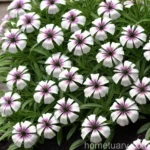
Phlox bifida, commonly known as Sand Phlox, is a delightful flowering plant native to North America, particularly found in the sandy soils of Texas, Oklahoma, and Kansas. This low-growing perennial belongs to the Polemoniaceae family and is renowned for its stunning displays of delicate, star-shaped blossoms.
In this comprehensive guide, we will explore the ins and outs of caring for Phlox bifida, from its preferred growing conditions to propagation methods, common pests and diseases, and its diverse cultural uses. Whether you are a seasoned gardener or a novice plant enthusiast, this article will equip you with valuable insights into cultivating and enjoying the beauty of Sand Phlox in a variety of settings.
Key Takeaways – Phlox bifida (Sand Phlox)
Before diving into the specifics of Sand Phlox maintenance and cultivation, let’s highlight the key takeaways associated with Phlox bifida:
- Scientific Name: Phlox bifida
- Common Name: Sand Phlox
- Family: Polemoniaceae
- Landscape Uses: Ground cover, borders, rock gardens, xeriscaping, rain gardens, containers
- Cultural Uses: Medicinal properties, wildlife attraction, culinary uses, herbal remedies
- Growth Habits: Low-growing, spreading, drought tolerant
- Flowering Season: Spring to early summer
- Special Features: Fragrant, pollinator-friendly, erosion control
- Propagules: Seeds, cuttings
- Soil Preferences: Well-draining, sandy or gravelly soils
- Watering Requirements: Moderate to low water needs
- Sunlight Needs: Full sun to partial shade
- Maintenance: Low maintenance, occasional pruning
- Pests & Diseases: Susceptible to powdery mildew, spider mites, and root rot
- Fertilizer Recommendations: Light feeding in early spring
Now, let’s delve into the specifics of cultivating Sand Phlox, covering each aspect of its care and cultivation in detail.
Culture
Water
Sand Phlox, being native to sandy soils, prefers well-draining conditions and exhibits moderate drought tolerance once established. When it comes to watering, striking a balance is crucial. Overly soggy conditions can lead to root rot and other moisture-related issues, while prolonged drought may affect the plant’s vigor and flowering performance.
- Established Plants: Once established, Phlox bifida generally thrives with occasional deep watering. During extended dry spells, supplemental irrigation can help maintain its vitality and blooming potential.
Sunlight
In its natural habitat, Sand Phlox is accustomed to open, sunny locations with well-draining, sandy soils. Therefore, providing ample sunlight is crucial for its growth and flowering prowess.
- Light Requirements: Full sun to partial shade. While it can tolerate some dappled shade, providing at least 6 hours of direct sunlight per day typically results in robust growth and profuse flowering.
Fertilizer
For Sand Phlox, a light and balanced approach to fertilization is recommended. Due to its adaptation to nutrient-poor sandy soils in the wild, excessive fertilization can lead to lush foliage at the expense of flowering.
- Fertilizing Schedule: In early spring, a gentle application of a balanced, slow-release fertilizer can support healthy growth and flowering. Subsequently, avoid heavy feeding to prevent excessive vegetative growth.
Soil
The natural habitat of Phlox bifida provides valuable insights into its preferred soil conditions. The plant is inherently adapted to sandy or gravelly substrates, emphasizing the importance of providing well-draining soils in cultivation.
- Soil Type: Sandy, gravelly, well-draining soils. Amending heavier soils with sand or gravel can improve drainage and mimic its natural environment.
Pruning
Pruning Phlox bifida primarily revolves around maintenance and rejuvenation. While it does not necessitate rigorous pruning, periodic interventions can help manage its growth and ensure a tidy, floriferous appearance.
- Deadheading: Removing spent blossoms can encourage continuous flowering and prevent self-seeding, particularly in garden settings.
- Thinning: Occasional thinning of overcrowded stems and foliage can enhance air circulation, reducing the risk of disease and promoting vigorous growth.
Propagation
Sand Phlox can be propagated through both seeds and cuttings, allowing enthusiasts to expand their plantings or share this delightful species with fellow gardeners.
- Seed Propagation: Collecting and sowing seeds in well-draining, sandy mixtures can yield new plants. Scarifying the seeds can enhance germination rates due to their hard seed coats.
- Cutting Propagation: Taking stem cuttings in spring and placing them in a suitable rooting medium can facilitate the propagation of identical clones.
Container Popularity
The adaptability and charming aesthetics of Phlox bifida make it an appealing choice for container gardening. Whether integrated into mixed plantings or showcased as a standalone feature, Sand Phlox can thrive in containers, provided that its cultural needs are met.
- Container Size: Choose containers that accommodate the plant’s spreading growth habit, considering its potential to form dense mats over time.
- Soil Mix: Utilize well-draining soil mixtures tailored to the preferences of Phlox bifida, often incorporating sand and gravel for improved drainage.
Common Diseases
Disease Diagnosis
While Phlox bifida is generally resilient, certain diseases can pose occasional challenges, particularly in conditions that compromise its vigor and vitality.
- Powdery Mildew: Fungal disease characterized by a powdery white coating on foliage. It thrives in humid conditions and can be mitigated through cultural practices and targeted treatments.
- Root Rot: Excessive moisture or poorly draining soils can predispose the plant to root rot. Symptoms include wilting, yellowing foliage, and stunted growth.
Common Pests
In addition to diseases, some pests may occasionally target Sand Phlox, necessitating vigilant monitoring and timely interventions to maintain its health and ornamental appeal.
- Spider Mites: These tiny arachnids can cause stippling and discoloration of foliage, often proliferating under dry, dusty conditions. Regularly spraying foliage with water can deter spider mites and improve plant vigor.
- Aphids: These sap-sucking insects can congregate on tender shoot tips and flower buds, potentially distorting growth and causing aesthetic damage. Natural predators and targeted sprays can help manage aphid populations.
Botanist’s Tips
Beyond the fundamental care guidelines, here are some additional tips to enhance your experience in cultivating Phlox bifida:
- Companion Plants: Pair Sand Phlox with other native, drought-tolerant species to create visually appealing and ecologically beneficial plantings. Consider incorporating species like Coreopsis, Gaillardia, and Echinacea to form vibrant, low-maintenance habitats for pollinators.
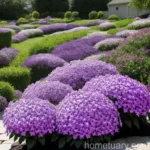
- Landscape Borders: Use Sand Phlox to delineate garden beds, pathways, or borders, leveraging its spreading growth habit and delightful flowers to create naturalistic, visually captivating arrangements.
Fun Facts
- Wildlife Attraction: Sand Phlox entices various pollinators, such as bees and butterflies, with its nectar-rich blossoms, contributing to the ecological diversity and vibrancy of garden settings.
- Medicinal Uses: In traditional herbal medicine, certain indigenous tribes utilized Phlox species for their purported medicinal properties, employing them in remedies for various ailments.
Now that we have covered the essential aspects of caring for Sand Phlox, let’s explore some external resources offering further insights and practical guidance on cultivating this enchanting plant.
Links to External Resources
- Gardening Know How – Growing Phlox
- University of Florida IFAS Extension – Phlox
- National Gardening Association – Phlox: A Field Guide
- Missouri Botanical Garden – Phlox bifida
- Royal Horticultural Society – Phlox
- American Horticultural Society – Phlox Species: Plant Care and Collection of Varieties
- North Carolina State University – Pollinator Plants, Perennials, and Sand Phlox
These resources offer a wealth of information, including cultivation tips, species-specific care guidelines, and insights into incorporating Phlox bifida into diverse garden settings. By exploring these sources, you can expand your knowledge and refine your approach to nurturing Sand Phlox in your own garden.
In conclusion, Phlox bifida, or Sand Phlox, stands as a captivating and resilient plant species with a range of cultural, ecological, and ornamental merits. By understanding and applying the principles of its care and cultivation, enthusiasts can enjoy the bountiful beauty of this native North American perennial while contributing to the biodiversity and allure of their outdoor spaces. Whether adorning landscape borders, enriching container plantings, or attracting pollinators, Sand Phlox exemplifies the intrinsic allure and practical value of native plants in the horticultural realm.
Remember to stay attuned to the unique needs and growth habits of Phlox bifida, and embrace the intrinsic charm and vigor of this delightful species as you embark on your journey of cultivating and celebrating the beauty of Sand Phlox in your own garden.