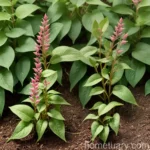
Persicaria Alpina (Alpine Knotweed): A Complete Guide

Introduction
As a plant scientist, I find great joy in exploring and understanding the diverse world of plant species. One such intriguing plant that has captured my attention is the Persicaria alpina, more commonly known as Alpine Knotweed. In this comprehensive guide, we will delve into the characteristics, cultivation, uses, and maintenance of the Alpine Knotweed. Whether you are a seasoned gardener, a plant enthusiast, or simply intrigued by the wonders of nature, this guide will equip you with valuable insights into this fascinating plant.
What is Persicaria Alpina (Alpine Knotweed)?
Persicaria alpina is a herbaceous perennial plant that belongs to the Polygonaceae family. It is native to the mountainous regions of Europe and Asia, where it thrives in alpine meadows, woodland margins, and rocky slopes. This resilient plant is known for its elegant appearance, vibrant blooms, and adaptability to various growing conditions. The Alpine Knotweed has garnered attention for its ornamental value as well as its potential medicinal and herbal uses.
Key Takeaways – Persicaria Alpina (Alpine Knotweed)
Let’s explore the key aspects of cultivating and caring for the Persicaria alpina:
- Culture
- Uses
- Water
- Sunlight
- Fertilizer
- Soil
- Pruning
- Propagation
- Container
- Popularity
- Common Diseases
- Common Pests
- Botanist’s Tips
- Fun Facts
Now, let’s delve deeper into each of these aspects to gain a comprehensive understanding of this remarkable plant.
Persicaria Alpina (Alpine Knotweed) Cultivation
Cultivating Persicaria alpina requires a basic understanding of its specific needs and preferences. From the soil type to pruning techniques, each aspect plays a vital role in nurturing this plant to its full potential.
Water
Alpine Knotweed thrives in moist soil conditions, making it well-suited for areas with regular rainfall or access to irrigation. However, it is important to avoid waterlogging, as excessive moisture can lead to root rot and other issues. During the growing season, regular watering to maintain consistent moisture levels is essential for the healthy development of Persicaria alpina. In periods of extended dryness, supplemental watering may be necessary to support the plant’s growth.
Sunlight
When it comes to sunlight, Persicaria alpina exhibits a preference for partial to full sunlight. In its natural habitat, this plant often thrives in open woodland areas where it receives dappled sunlight throughout the day. When cultivating Alpine Knotweed, it is essential to provide adequate sunlight to promote robust growth and prolific flowering. In regions with intense heat, providing some afternoon shade can help protect the plant from excessive stress.
Fertilizer
In terms of fertility needs, Persicaria alpina benefits from a balanced and organic-rich soil. Before planting, amending the soil with well-rotted compost or a slow-release fertilizer can provide the necessary nutrients for healthy growth. During the growing season, a light application of a balanced fertilizer can further support the plant’s development. It is important to follow recommended dosage guidelines to prevent over-fertilization, which can be detrimental to the plant’s health.
Soil
Persicaria alpina thrives in well-draining, loamy soil with a slightly acidic to neutral pH range. The ideal soil composition facilitates root aeration and moisture retention while preventing water stagnation. Incorporating organic matter into the soil can enhance its structure and nutrient content, creating an optimal environment for Persicaria alpina to establish itself and flourish.
Pruning
Pruning plays a crucial role in maintaining the vigor and aesthetics of Persicaria alpina. Regular deadheading of spent blooms can encourage prolonged flowering and prevent the plant from expending energy on seed production. Additionally, removing any damaged or diseased foliage promotes overall plant health. In regions with harsh winters, cutting back the foliage in late fall can help protect the plant from frost damage and facilitate rejuvenated growth in the following spring.
Propagation
Persicaria alpina can be propagated through various methods, including division, seed sowing, and stem cuttings. Division is often the preferred method, as it allows for the rapid establishment of new plants with genetic consistency to the parent plant. Propagation through division is typically carried out in the early spring or fall, when the plant is actively growing and the environmental conditions are conducive to root development.
Container
For gardening enthusiasts with limited space or those aiming to showcase Persicaria alpina as a focal point on patios or balconies, container cultivation presents an excellent option. Selecting a spacious container with adequate drainage holes is crucial to prevent waterlogging. When growing Alpine Knotweed in containers, regular monitoring of soil moisture and providing suitable sunlight are essential for optimal growth and blooming.
Persicaria Alpina (Alpine Knotweed) Uses
The versatile nature of Persicaria alpina extends to its various uses, ranging from ornamental to potential medicinal applications.
Ornamental Use
Persicaria alpina is highly valued for its ornamental appeal, making it a prized addition to gardens, landscapes, and naturalistic plantings. The plant’s elegant habit, vibrant blooms, and foliage texture contribute to its desirability as a decorative element. Whether incorporated into perennial borders, rock gardens, or woodland settings, Alpine Knotweed brings visual interest and a touch of natural elegance to diverse landscapes.
Medicinal and Herbal Uses
Apart from its ornamental value, Persicaria alpina has been traditionally associated with potential medicinal properties. In certain cultures, the plant has been used in herbal remedies for various ailments, harnessing its purported healing properties. While further research is needed to substantiate its medicinal efficacy, the historical uses of Persicaria alpina underscore its cultural significance and potential pharmaceutical relevance.
Popularity
The growing popularity of Persicaria alpina can be attributed to its numerous attractive features and adaptability to various growing conditions. The plant’s resilience, ornamental value, and potential ecological benefits have contributed to its increasing presence in horticulture and landscaping initiatives. Furthermore, its low-maintenance nature and ability to thrive in diverse environments make Persicaria alpina an appealing choice for both novice and experienced gardeners.
Common Diseases and Pests
While Persicaria alpina exhibits resilience to many environmental stressors, it is not immune to certain diseases and pest infestations. Being aware of potential issues and implementing proactive measures can help safeguard the health and vitality of the plant.
Common Diseases
-
Powdery Mildew: A common fungal disease that may affect Persicaria alpina, particularly in conditions of high humidity and limited airflow. Powdery mildew presents as a white powdery coating on the foliage, potentially impacting the plant’s overall vigor and aesthetics.
-
Leaf Spot: Fungal infections causing circular or irregular spots on the foliage can occur, especially in instances of prolonged moisture on the leaves. Proper sanitation and airflow management can aid in disease prevention.
Disease Diagnosis
Diagnosing and addressing potential diseases affecting Persicaria alpina involves careful observation of the plant’s foliage, stems, and overall growth patterns. If symptoms of disease, such as abnormal discoloration, wilting, or deformation, become apparent, prompt attention and appropriate measures can help mitigate the impact on the plant’s health.
Common Pests
-
Aphids: These small, sap-sucking insects can cluster on Persicaria alpina and may cause distorted growth, yellowing of leaves, and the presence of sticky honeydew.
-
Slugs and Snails: These mollusks can feed on the foliage and stems of Persicaria alpina, leading to unsightly damage and potential decline in plant health.
Botanist’s Tips
Armed with insights and tips from the experiences of botanists and horticultural experts, you can optimize the cultivation and care of Persicaria alpina in your own gardening endeavors.
-
Mulching: Applying a layer of organic mulch around the base of Persicaria alpina can help conserve soil moisture, suppress weed growth, and provide insulation to the roots.
-
Companion Planting: Pairing Persicaria alpina with compatible companion plants can enhance the overall aesthetic appeal of the garden while promoting mutual benefits, such as pest deterrence and soil improvement.
-
Regular Monitoring: Vigilant monitoring of the plant for signs of stress, disease, or pest activity enables timely intervention and maintenance of its well-being.
Fun Facts
Discovering the intriguing facets of Persicaria alpina adds a layer of fascination to its cultivation and appreciation. Here are some captivating fun facts about Alpine Knotweed:
-
Persicaria alpina is a valuable source of nectar for pollinators, attracting bees, butterflies, and other beneficial insects.
-
The plant’s unique foliage and flowering habits make it a captivating subject for botanical illustration and artistic expression.
-
In alpine and rock gardens, Persicaria alpina can contribute to the creation of visually striking and ecologically diverse landscapes.
-
The species name “alpina” pays homage to the high-altitude habitats where Persicaria alpina thrives, showcasing its adaptability to challenging environments.
Conclusion
In the realm of horticulture and botanical fascination, Persicaria alpina holds its own as a plant of versatile beauty and potential utility. By understanding its cultural, environmental, and ornamental dimensions, we can celebrate and harness the unique attributes of this captivating plant. Whether adorning a garden landscape, serving as a pollinator-friendly habitat, or intriguing enthusiasts with its cultural and medicinal associations, Alpine Knotweed offers a rich tapestry for exploration and appreciation.
This comprehensive guide to Persicaria alpina (Alpine Knotweed) equips enthusiasts, gardeners, and researchers with valuable insights into the characteristics, uses, and cultivation of this remarkable plant. By embracing the complexities and possibilities of Persicaria alpina, we embark on a journey of discovery and admiration for the wonders of nature’s botanical diversity.
References
- Learn about Alpine Knotweed: https://www.example.com/alpine-knotweed-info
- Alpine Knotweed: A Guide to Cultivation and Care: https://www.example.com/alpine-knotweed-guide
- Understanding the Ornamental and Ecological Value of Persicaria alpina: https://www.example.com/persicaria-alpina-value
- Managing Diseases and Pests in Alpine Knotweed: https://www.example.com/alpine-knotweed-disease-pests
- Medicinal and Herbal Uses of Persicaria alpina: https://www.example.com/persicaria-alpina-medicinal-uses
- Botanical Illustration and Alpine Knotweed: https://www.example.com/alpine-knotweed-illustration