Persian Violet (Exacum Affine)
Persian Violet (Exacum affine) is a delightful and charming species that has gained popularity as a prized indoor plant due to its attractive and vibrant.
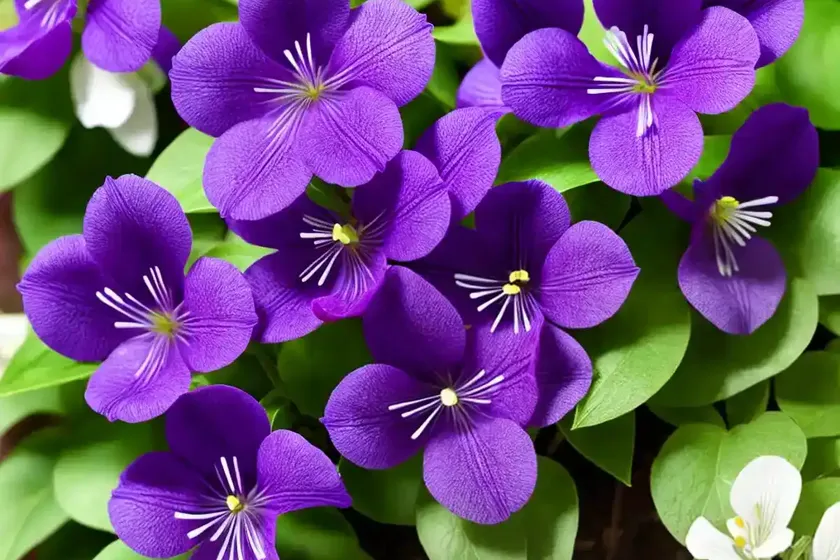
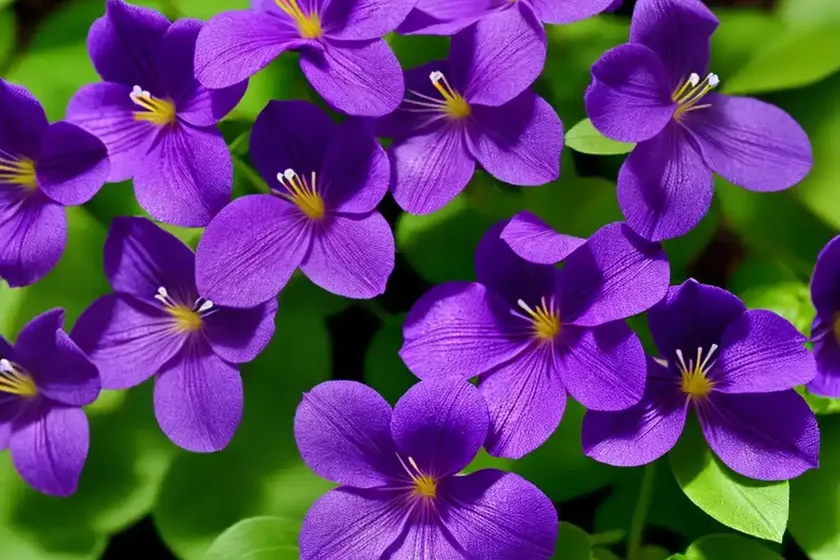
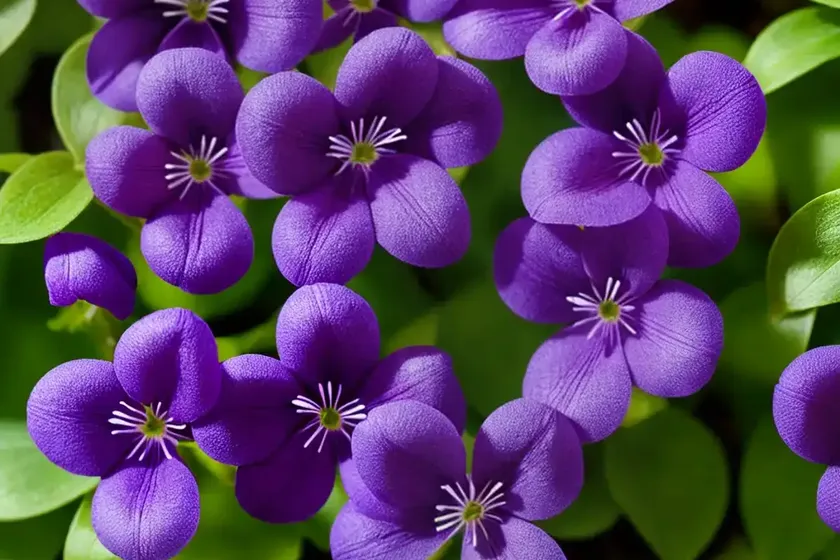
Persian Violet (Exacum affine) is a delightful and charming species that has gained popularity as a prized indoor plant due to its attractive and vibrant flowers. This species requires specific care to thrive and bring a splash of color into your living space. In this comprehensive guide, we will delve into the various aspects of Persian Violet, including its culture, uses, care requirements, propagation, common diseases, and much more.
What is Persian Violet (Exacum affine)?
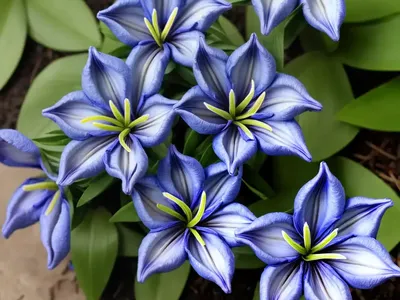
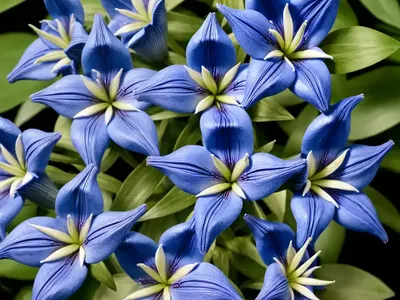
Persian Violet, scientifically known as Exacum affine, is a member of the Gentianaceae family. It is a perennial herbaceous plant native to Madagascar that has gained admiration worldwide for its lovely blooms and ease of cultivation. The Persian Violet’s lush green leaves and delicate, star-shaped blue flowers make it a popular choice for both indoor and outdoor settings.
Plant Description
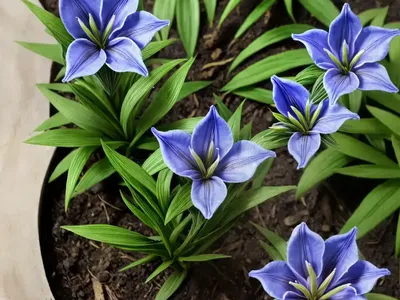
The Persian Violet plant typically reaches a height of about 6 to 12 inches, and its compact size makes it an ideal addition to small spaces and containers. The single blooms sit atop slender stems and are an enchanting shade of blue, providing a beautiful contrast against the plant’s glossy, deep green foliage.
Key Takeaways – Persian Violet (Exacum affine)
Before we delve into the specifics of caring for Persian Violets, let’s highlight the key takeaways that will be covered in this comprehensive guide:
- Culture: Understanding the background and origin of Persian Violets.
- Uses: Exploring the various applications and benefits of cultivating Persian Violets.
- Water: Guidelines for watering to ensure optimal growth and health of the plant.
- Sunlight: Determining the ideal light conditions for Persian Violet cultivation.
- Fertilizer: Nurturing Persian Violets through appropriate fertilization.
- Soil: Identifying the right soil type and composition for Persian Violet growth.
- Pruning: Techniques for maintaining the plant’s shape and encouraging blooming.
- Propagation: Methods for propagating Persian Violets to expand your collection.
- Container: Understanding suitable container options for Persian Violet cultivation.
- Popularity: Discovering the allure of Persian Violets among plant enthusiasts.
- Common Diseases: Recognizing and addressing potential diseases that affect Persian Violets.
- Common Pests: Identifying and managing common pests that may impact Persian Violet health.
- Botanist’s Tips: Valuable insights and recommendations from expert botanists.
- Fun Facts: Uncovering interesting and lesser-known facts about Persian Violets.
Now, let’s embark on this enriching journey through the world of Persian Violets, gaining insights into their care, characteristics, and much more.
Culture of Persian Violet (Exacum affine)
To truly thrive, the Persian Violet requires a nurturing environment that mimics its native conditions. Understanding the culture and origin of Persian Violets is crucial in providing the best care for these delicate and alluring plants.
Native Habitat
Exacum affine is native to the island of Madagascar, where it thrives in the warm and humid climate of the region. This plant’s native habitat provides valuable insights into its preferred growing conditions, especially in terms of humidity and temperature.
Historical Significance
The historical significance of Persian Violet as a revered and cherished plant can be traced back to its introduction to cultivation. Exploring its historical journey can provide a deeper appreciation for its cultural and horticultural value.
Folklore and Symbolism
Throughout history, plants have been associated with various symbolism and folklore. Persian Violet’s presence in folklore and its symbolic representations can add an intriguing layer to its allure and significance.
Uses
Persian Violets offer a range of uses and benefits, making them a valuable addition to any indoor or outdoor setting. Understanding the potential applications of this species can enhance its appeal and encourage its cultivation.
Indoor Decoration
Due to its compact size and stunning blue flowers, Persian Violet is an excellent choice for indoor decoration, adding a touch of natural elegance to any living space.
Medicinal Properties
Exploring the potential medicinal properties of Persian Violets can provide valuable insights into their potential health benefits and traditional uses.
Landscape Ideas
In outdoor settings, Persian Violets can be incorporated into landscape designs to add a pop of color and a touch of whimsy to gardens, pathways, and other outdoor areas.
Wildlife Attraction
The appeal of Persian Violets extends to wildlife, with its blooms often attracting beneficial insects and pollinators, contributing to a healthy and thriving ecosystem.
Care Requirements
Caring for Persian Violets involves understanding and addressing their specific needs, including watering, sunlight, soil, and fertilization. By fulfilling these requirements, you can ensure the health and vitality of your Persian Violet plants.
Watering Guide
Determining the right watering regimen is crucial in preventing issues such as root rot and dehydration. A balanced approach to watering ensures the optimal growth and flowering of Persian Violets.
Light Preferences
Understanding the light preferences of Persian Violets is essential for providing them with the ideal conditions for healthy growth and prolific blooming.
Soil Requirements
The choice of soil plays a pivotal role in the overall health and vigor of Persian Violet plants. Exploring the ideal soil composition and structure can guide you in creating an optimal growing environment.
Fertilization
Proper fertilization is key to promoting strong growth and vibrant blooms in Persian Violets. With the right nutrients, these plants can flourish and delight with their lovely flowers.
Temperature Tolerance
Understanding the temperature tolerance of Persian Violets is crucial, especially in regions with fluctuating weather patterns or seasonal variations in temperature.
Preferred pH Levels
Exploring the preferred pH levels of the soil can provide valuable insights into the specific nutritional requirements of Persian Violets.
Propagation
Expanding your collection of Persian Violets can be an exciting venture, and understanding the various propagation methods can empower you to cultivate and share these charming plants with others.
Propagation Methods
Exploring the different methods of propagating Persian Violets, such as from seeds or cuttings, offers opportunities to nurture new plants and enjoy the rewards of successful propagation.
From Seeds
Growing Persian Violets from seeds is a rewarding process that allows you to witness the entire life cycle of these plants, from germination to blooming.
From Cuttings
Propagating Persian Violets from cuttings presents an efficient and reliable method for obtaining new plants that retain the characteristics of the parent plant.
Pruning Techniques
Pruning is an essential aspect of Persian Violet care, contributing to the plant’s shape, health, and ability to produce an abundance of charming blooms.
Pruning for Shape
Maintaining the desired shape and form of Persian Violets through pruning ensures a neat and attractive appearance, enhancing their decorative value.
Encouraging Blooming
Strategic pruning can encourage prolific blooming in Persian Violets, resulting in an impressive display of their signature blue flowers.
Container Gardening
The versatility of Persian Violets makes them excellent candidates for container gardening, allowing enthusiasts to cultivate and display these plants in a variety of indoor and outdoor settings.
Pot Selection
Choosing the right pots for Persian Violets is crucial for providing proper drainage, sufficient space for root growth, and aesthetic appeal.
Indoor vs. Outdoor Growth
Exploring the differences between growing Persian Violets indoors and outdoors can provide valuable insights for enthusiasts seeking to optimize the growing conditions for these plants.
Container Size Suggestions
Identifying the ideal container size for Persian Violets is essential in ensuring their comfort, growth, and overall health within a confined space.
Common Diseases
Protecting Persian Violets from common diseases is essential in maintaining their health and ensuring their longevity as prized ornamental plants.
Disease Prevention
Implementing proactive measures to prevent diseases such as fungal infections, leaf spot, or powdery mildew can safeguard the well-being of Persian Violets.
Disease Diagnosis
Recognizing the symptoms and signs of common diseases that affect Persian Violets is crucial in implementing targeted treatments and management strategies.
Pests Control
Addressing common pests that may afflict Persian Violets is paramount in preserving the plant’s vitality and preventing potential damage from infestations.
Pest Identification
Identifying common pests such as spider mites, aphids, or whiteflies enables prompt intervention and effective pest control measures.
Pest Management
Implementing strategies for pest management, such as organic controls or natural remedies, can aid in combating infestations and restoring the health of Persian Violets.
Botanist’s Tips
Gaining insights and recommendations from expert botanists can offer valuable guidance for preserving the health and vitality of Persian Violet plants.
Expert Advice
Leveraging the expertise of seasoned botanists can provide practical tips and recommendations for optimizing the care and cultivation of Persian Violets.
Best Practices
Exploring best practices recommended by botanists can equip enthusiasts with the knowledge and skills necessary for successfully growing and nurturing these charming plants.
Fun Facts
Uncovering interesting and lesser-known facts about Persian Violets can offer enriching perspectives on their cultural, historical, and botanical significance.
Color Variations
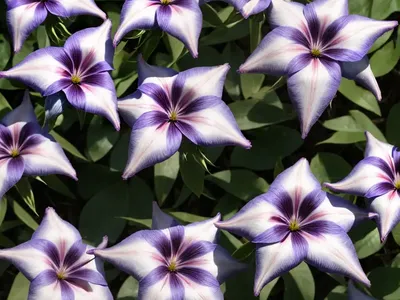
Persian Violet exhibits striking variations in bloom colors, including shades of blue, purple, and white, adding to the visual appeal and intrigue of these plants.
Medicinal Properties
The potential medicinal properties of Persian Violets, including traditional uses and health benefits, contribute to their multifaceted appeal and significance.
Links to External Resources
To expand your knowledge and enhance your Persian Violet gardening experience, consider exploring the following external resources:
- Persian Violet: A Comprehensive Guide to Exacum
- Caring for Exacum affine: Tips for Growing Persian Violets Indoors
- Gardening 101: Mastering the Art of Growing Persian Violets
Conclusion
In conclusion, Persian Violet (Exacum affine) captivates enthusiasts with its charming blooms, compact size, and potential for indoor and outdoor ornamental display. By delving into its culture, care requirements, propagation methods, and valuable insights, enthusiasts can unlock the full potential of these delightful plants. Whether you’re seeking to enhance your indoor spaces with vibrant floral displays or expand your container garden with a touch of elegance, Persian Violets offer a wealth of rewarding possibilities for gardening enthusiasts. Embracing the guidance and knowledge provided in this comprehensive guide can empower you to cultivate and enjoy Persian Violets to their fullest potential, adding a captivating allure to your botanical pursuits.