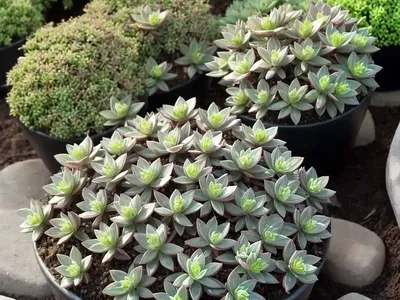
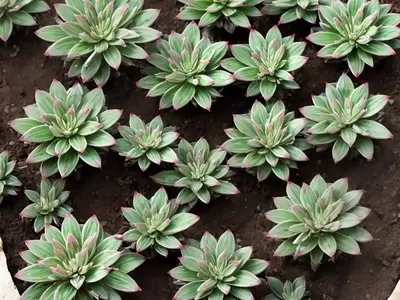
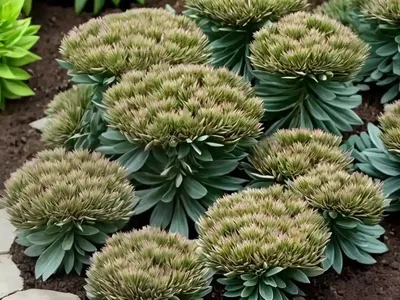
Parva Succulent (Echeveria Parva)
Echeveria parva, commonly known as Parva Succulent, is a stunning plant adored for its striking rosette shape and vibrant colors. This versatile succulent.
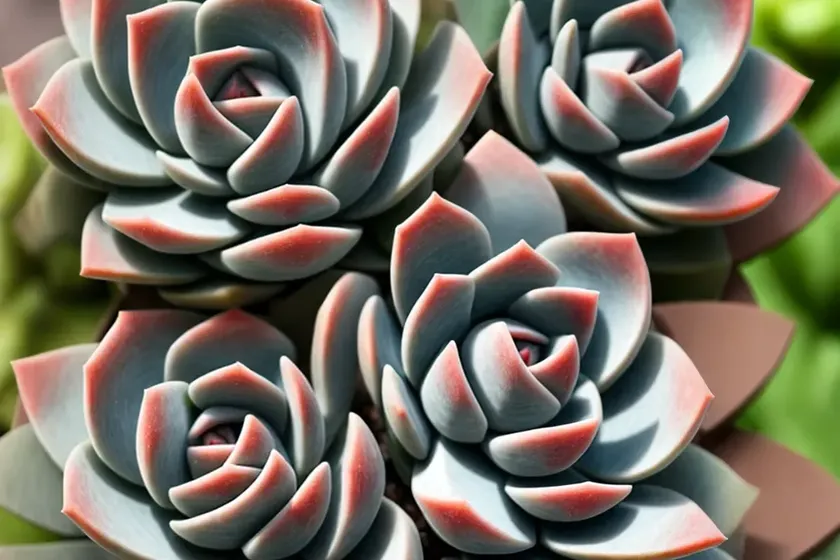
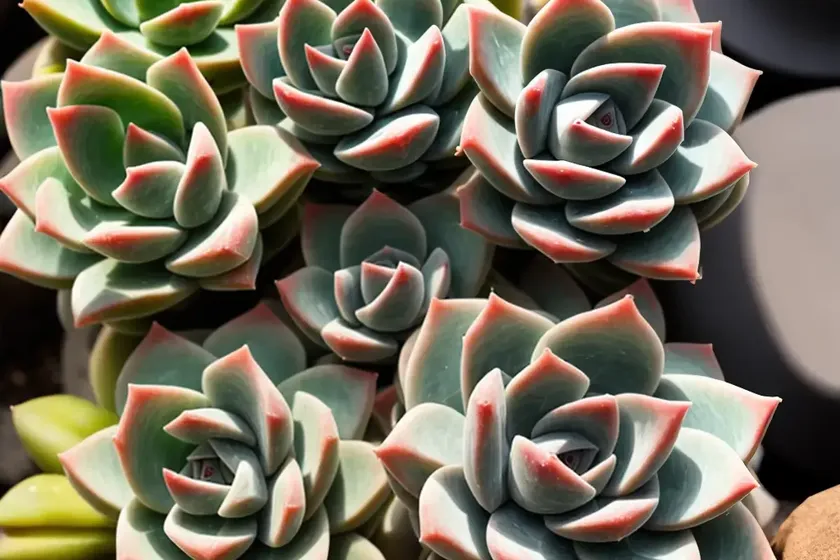
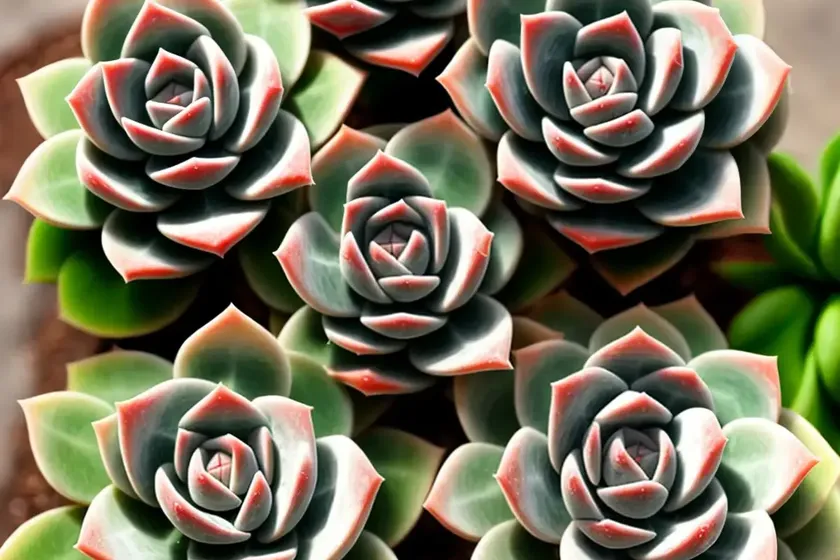
Echeveria parva, commonly known as Parva Succulent, is a stunning plant adored for its striking rosette shape and vibrant colors. This versatile succulent is a favorite among plant enthusiasts due to its ease of care and unique aesthetic appeal. In this comprehensive guide, we will delve into the various aspects of the Parva Succulent, including its culture, uses, care requirements, and interesting facts. By the end of this article, you will have a thorough understanding of how to nurture and appreciate this remarkable plant in both indoor and outdoor settings.
What is Parva Succulent (Echeveria parva)?
Echeveria parva is a species of succulent in the Crassulaceae family, native to Mexico. It is characterized by its compact rosette shape, with tightly clustered, fleshy leaves that form a beautiful symmetrical pattern. The leaves of Echeveria parva exhibit a range of colors, including shades of green, pink, and red, often with delicate powdery coatings that enhance their visual appeal.
The plant typically produces slender, arching flower stalks that bear dainty bell-shaped flowers in shades of pink, red, or orange during the flowering season. Due to its captivating appearance and low maintenance requirements, Echeveria parva has gained popularity as a decorative plant for both indoor arrangements and outdoor landscapes.
Key Takeaways – Parva Succulent (Echeveria parva)
Before delving into the specifics of Parva Succulent care and cultivation, let’s explore some key takeaways to offer a holistic view of this fascinating plant.
Culture
- Echeveria parva is revered for its drought-resistant nature and ability to thrive in arid conditions.
- The plant is well-suited for container gardening and can also be incorporated into rock gardens, desert landscapes, and xeriscapes.
- In addition to its ornamental value, Echeveria parva is known for its therapeutic benefits, making it a popular choice for eco-friendly and wildlife-friendly gardens.
Uses
- Parva Succulent is widely used in decorative arrangements, such as hanging baskets, vertical gardens, and container designs.
- Its striking appearance and unique characteristics make it a sought-after choice for low-maintenance landscaping and groundcover applications.
Water
- Echeveria parva exhibits excellent drought tolerance and requires infrequent watering to prevent root rot.
- Proper water management is crucial for the health and longevity of the plant, especially in regions with high humidity or limited sunlight.
Sunlight
- Parva Succulent thrives in bright, indirect sunlight and benefits from partial to full sun exposure.
- Adequate sunlight is essential for promoting vibrant leaf colors and compact growth habits in Echeveria parva.
Fertilizer
- The plant’s fertilizer needs are minimal, and it responds well to a balanced, low-nitrogen fertilizer applied sparingly during the growing season.
- Fertilization should be approached with caution to prevent overfeeding, which can lead to etiolation and reduced aesthetic value.
Soil
- Echeveria parva prefers well-draining, sandy soil with good aeration to support healthy root development.
- A custom soil mix formulated for succulents and cacti is recommended to provide optimal growing conditions for Parva Succulent.
Pruning
- Occasional pruning and deadheading of spent flowers are beneficial for maintaining the plant’s shape and encouraging new growth.
- Care should be taken to utilize sterile tools and follow proper pruning techniques to minimize stress and potential damage to the plant.
Propagation
- Parva Succulent can be propagated from leaf cuttings, offsets, or seeds, allowing for the expansion of its presence in a garden or collection.
- Understanding the specific propagation methods and timing is essential for successful reproduction of Echeveria parva.
Container Popularity
- Echeveria parva is a popular choice for container gardening, offering versatility in design and placement options.
- The plant’s compact size and aesthetic appeal make it an ideal candidate for indoor containers, window boxes, and creative succulent arrangements.
Common Diseases
- While Echeveria parva is relatively resilient, it is susceptible to certain diseases, including fungal infections and rot issues.
- Proper plant hygiene, watering practices, and environmental management are crucial for disease prevention and mitigation.
Disease Diagnosis
- Recognizing the signs and symptoms of common succulent diseases is vital for prompt treatment and containment.
- Timely intervention can help preserve the health and vigor of Parva Succulent, ensuring its long-term survival and beauty.
Common Pests
- Parva Succulent may face pest infestations, such as aphids, mealybugs, and spider mites, which can compromise its vitality and appearance.
- Implementing proactive pest management strategies is essential to safeguard Echeveria parva from detrimental infestations.
Botanist’s Tips
- Insights from experienced botanists and succulent enthusiasts can offer valuable guidance on optimizing the care and cultivation of Echeveria parva.
- Learning from the expertise of plant professionals can enhance your understanding and appreciation of this captivating succulent species.
Now that we have outlined the key takeaways, let’s delve into each aspect of Parva Succulent care and cultivation in detail.
Parva Succulent (Echeveria parva) – A Closer Look
In this section, we will explore the various facets of Parva Succulent care, covering essential topics such as watering, sunlight requirements, soil preferences, propagation methods, container gardening, disease management, and more. By gaining an in-depth understanding of these factors, you will be well-equipped to nurture and showcase the beauty of Echeveria parva in your personal or professional green spaces.
Echeveria parva Care
Echeveria parva care encompasses a combination of fundamental factors, including watering, sunlight, soil, fertilizer, temperature, and maintenance practices. By attending to these aspects with attentiveness and precision, you can ensure the optimal growth, development, and visual appeal of Parva Succulent.
Watering
Proper watering is crucial for the health and vitality of Echeveria parva, as succulents are adapted to thrive in arid environments with sporadic rainfall. Overwatering is a common cause of succulent decline, leading to root rot and other moisture-related issues. Here are some key considerations for watering Parva Succulent effectively:
-
Frequency: Echeveria parva should be watered sparingly, allowing the soil to dry out between waterings to prevent excess moisture accumulation around the roots. During the growing season in spring and summer, a general guideline is to water the plant once every 7-10 days, adjusting based on environmental conditions and soil moisture levels.
-
Watering Technique: When watering Parva Succulent, it is important to apply water directly to the soil around the base of the plant, avoiding overhead watering or wetting the foliage excessively. This targeted approach helps prevent fungal diseases and maintains the cleanliness and integrity of the leaves.
-
Drainage: Utilize pots or containers with drainage holes to facilitate the efficient removal of excess water and prevent waterlogging. Good drainage is essential for succulents, ensuring that the roots are not subjected to prolonged periods of saturation.
-
Seasonal Variations: Adjust the frequency and volume of watering during the winter months, reducing the amount of water provided to accommodate the plant’s dormancy period and lower metabolic activity. Monitoring the moisture levels in the soil is essential to prevent under or overwatering during seasonal transitions.
Sunlight Requirements
Proper sunlight exposure is essential for promoting the vibrant colors, compact growth habits, and overall vigor of Parva Succulent. Understanding the specific sunlight requirements of Echeveria parva is critical for creating an optimal environment for its sustained well-being. Here are some considerations related to sunlight:
-
Light Intensity: Echeveria parva thrives in bright, indirect sunlight, benefiting from partial to full sun exposure. In indoor settings, place the plant near south or west-facing windows to ensure it receives an adequate amount of light throughout the day. Outdoor placement should consider providing sufficient sunlight without subjecting the plant to intense, prolonged direct sun, especially during the hottest part of the day.
-
Sunlight Duration: Aim to provide Echeveria parva with 6-8 hours of sunlight daily, ensuring that the plant has access to the energy it needs for photosynthesis and healthy growth.
-
Seasonal Adjustments: Monitor the changing angle of sunlight throughout the year and adjust the placement of Parva Succulent accordingly to maintain an optimal balance of light exposure. During the summer, consider providing some protection from the intense midday sun to prevent leaf scorch or sunburn.
-
Indoor Cultivation: When growing Parva Succulent indoors, consider using supplemental grow lights, especially during the winter months when natural light levels may be reduced. Select full-spectrum LED grow lights to provide the necessary light wavelengths for robust growth and coloration.
Soil Mix
The choice of soil mix is instrumental in creating a favorable growing environment for Echeveria parva, as it directly influences water retention, aeration, and root development. An ideal soil mix for Parva Succulent should prioritize drainage, aeration, and balanced moisture levels. Consider the following aspects when preparing or selecting a soil mix for Echeveria parva:
-
Drainage: Use a well-draining soil mix that prevents water from pooling around the roots, reducing the risk of root rot and other moisture-related issues. A blend of coarse sand, perlite, and gritty amendments contributes to efficient drainage and aeration.
-
Aeration: Ensuring adequate air circulation within the soil is essential for root health and function. Incorporate materials such as pumice, bark fines, or porous aggregates to enhance soil aeration and prevent compaction.
-
Nutrient Content: While succulents have minimal nutrient requirements, a balanced soil mix that provides essential minerals and trace elements can support the overall vitality and resilience of Echeveria parva. Consider adding a small amount of well-rounded succulent or cactus-specific fertilizer to the soil mix during potting or repotting.
-
pH Level: Aim for a slightly acidic to neutral pH range (6.0-7.0) in the soil mix, as this supports optimal nutrient uptake and microbial activity in the root zone. Regularly testing the pH of the soil mix and making adjustments as needed can help maintain an ideal growing environment for Parva Succulent.
Fertilization
Echeveria parva exhibits modest fertilization requirements, as excessive feeding can lead to overstimulated growth and diminished visual appeal. By adopting a conservative approach to fertilization and selecting appropriate products, you can provide the necessary nutrients without overwhelming the plant. Consider the following guidelines for fertilizing Parva Succulent:
-
Feeding Schedule: Apply a balanced, low-nitrogen fertilizer at quarter to half strength every 4-6 weeks during the active growing season in spring and summer. Reduce or eliminate fertilization during the winter months when the plant is in a state of reduced metabolic activity.
-
Dilution Ratio: Dilute the fertilizer according to the manufacturer’s recommendations, adjusting the concentration to provide a gentle, steady source of nutrients without overwhelming the plant’s root system.
-
Application Method: Apply the diluted fertilizer solution to the soil surface around the base of Echeveria parva, ensuring that it is absorbed gradually during subsequent waterings. Avoid direct contact with the foliage, as this can lead to leaf burn and potential nutrient imbalances.
-
Organic Alternatives: Consider using organic, natural fertilizers, such as compost tea, liquid seaweed extract, or worm castings, as alternatives to synthetic products. These organic amendments contribute to soil health and microbial activity while providing gentle, sustained nutrition to Parva Succulent.
Pruning Techniques
Pruning plays a role in maintaining the compact, symmetrical form and aesthetic appeal of Parva Succulent, addressing issues such as spent flowers, damaged foliage, or irregular growth patterns. By employing appropriate pruning techniques, you can encourage new growth and cultivate a visually pleasing appearance for Echeveria parva. Consider the following aspects when approaching pruning and maintenance:
-
Deadheading: Remove spent flowers and dried flower stalks promptly to redirect the plant’s energy towards new growth and flower production. Snip the stalk or flower close to the base using sanitized pruning shears to minimize stress on the plant.
-
Leaf Trimming: Occasionally trim discolored, damaged, or overgrown leaves to improve the overall visual appearance of Echeveria parva. Utilize sterile scissors or pruning tools to make clean cuts, minimizing the risk of infections or tissue damage.
-
Propagation Consideration: Some of the pruning activities, such as leaf removal and offset separation, can also serve as propagation opportunities, allowing you to expand your collection of Parva Succulent or share plants with friends and fellow gardening enthusiasts.
-
Maintenance Pruning: Regularly inspect the foliage and stems for signs of disease, pest infestations, or mechanical damage, addressing any issues promptly through targeted pruning or removal of affected plant parts.
Propagation Methods
The ability to propagate Echeveria parva through various methods provides opportunities for expanding your succulent collection, creating decorative arrangements, or sharing the beauty of this plant with others. Understanding the specific propagation techniques and timing is essential for successful reproduction of Parva Succulent. Consider the following propagation methods for Echeveria parva:
-
Offsets: Echeveria parva produces offsets or “pups” around the base of the parent plant, which can be carefully separated and transplanted to establish new individual plants. Wait until the offsets have developed a sufficient root system before detaching them to ensure successful establishment.
-
Leaf Cuttings: Propagate Echeveria parva from individual leaves by carefully removing healthy, mature leaves and allowing them to callus before planting them in a suitable rooting medium. With time and proper care, these leaf cuttings will produce new plantlets, showcasing the remarkable regenerative capacity of Parva Succulent.
-
Stem Cuttings: In addition to leaf cuttings, stem cuttings can be used to propagate Echeveria parva, particularly in instances where the plant has developed leggy growth or elongated stems. Select healthy stem segments and allow them to callus before planting them in a well-draining rooting medium.
-
Seeds: While less commonly used for propagation due to longer growth timelines, collecting and germinating Echeveria parva seeds can be an exciting and rewarding endeavor. It provides opportunities to cultivate unique variations and explore the genetic diversity within the species.
By exploring the versatility of these propagation methods, you can deepen your connection with Echeveria parva and gain insights into its growth habits and development stages.
Container Gardening
Echeveria parva’s compact size, stunning aesthetic, and adaptability make it an excellent candidate for container gardening, offering endless potential for creative designs and arrangements. Whether grown indoors or outdoors, Parva Succulent thrives in containers, contributing to the visual appeal of any space. Consider the following aspects when incorporating Echeveria parva into container gardens:
-
Pot Selection: Choose pots or containers with drainage holes and ample space for the plant’s root system to establish and grow. Consider the aesthetic qualities of the containers, selecting options that complement the colors and textures of Echeveria parva’s foliage.
-
Soil Considerations: Utilize a well-draining succulent soil mix in containers, ensuring that the roots receive adequate aeration and moisture control. Incorporate porous materials and amendments to improve drainage and support healthy root development.
-
Placement Options: Position Parva Succulent containers in locations that receive the appropriate amount of sunlight, whether indoors near sunlit windows or outdoors on patios, balconies, or garden beds. Ensure that the containers are protected from extreme weather conditions and potential physical damage.
-
Arrangement Diversity: Explore various container gardening arrangements, such as mixed succulent containers, terrariums, fairy gardens, and cascading succulent displays, to showcase the unique beauty and diversity of Echeveria parva alongside other compatible plant species.
-
Seasonal Considerations: During the winter months, when outdoor temperatures drop significantly, consider bringing containers indoors to safeguard the plant from frost damage and temperature extremes.
By leveraging the potential of container gardening, you can elevate the visual impact of Echeveria parva and integrate it seamlessly into both interior and exterior design schemes.
Common Diseases and Pest Management
While Echeveria parva is known for its resilience, it is not immune to certain diseases and pest infestations that can compromise its health and appearance. Vigilant monitoring and proactive management are essential for safeguarding Parva Succulent from these potential threats. Consider the following strategies for disease and pest management:
Disease Prevention and Management
-
Fungal Infections: Keep the foliage dry and ensure adequate air circulation to prevent fungal diseases, such as powdery mildew and botrytis. Remove affected leaves promptly and provide a suitable growing environment to discourage fungal proliferation.
-
Root Rot Prevention: Avoid overwatering and waterlogged soil, as excessive moisture can lead to root rot and subsequent decline in Echeveria parva. Utilize well-draining soil and pots with drainage holes to maintain proper soil moisture levels.
-
Leaf Spot Control: Maintain good plant hygiene by removing debris and fallen leaves from around the base of Echeveria parva, reducing the risk of leaf spot diseases and bacterial infections.
-
Diagnosis and Treatment: If you observe any unusual discoloration, lesions, or wilting in the foliage, promptly inspect and diagnose the underlying cause to implement targeted treatment measures. Consult with experienced gardeners or plant professionals for accurate disease identification and management guidance.
Pest Prevention and Management
-
Aphids and Mealybugs: Regularly inspect the foliage for signs of aphid or mealybug infestations and employ physical removal or targeted insecticidal solutions to eliminate these pests. Isolation and treatment of affected plants can prevent pests from spreading to healthy individuals.
-
Spider Mites: Keep a lookout for spider mite activity, characterized by fine webbing, stippled leaves, and reduced plant vigor. Introduce natural predators, such as predatory mites, or utilize insecticidal sprays to control spider mite infestations effectively.
-
Quarantine Procedures: When introducing new plants to your collection, quarantine them initially to monitor for potential pest introductions and prevent the spread of any unsuspected infestations.
-
Integrated Pest Management: Adopt an integrated approach to pest management, combining cultural, physical, and biological control methods to maintain a healthy and balanced ecosystem for Parva Succulent and associated plant species.
By staying proactive in disease prevention and pest management, you can preserve the vibrancy and beauty of Echeveria parva while fostering a resilient and harmonious growing environment.
Botanist’s Tips
Insights and tips from experienced botanists and succulent enthusiasts can provide valuable guidance for optimizing the care and cultivation of Echeveria parva. By leveraging their expertise and recommendations, you can enhance your understanding and appreciation of this captivating succulent species. Consider the following botanist’s tips for nurturing Parva Succulent:
-
Species-Specific Knowledge: Acquire detailed information about the natural habitat, growth habits, and ecological preferences of Echeveria parva to align your cultivation practices with the plant’s inherent characteristics.
-
Cultural Adaptations: Tailor the care routines for Parva Succulent to suit your specific growing conditions, incorporating adjustments based on environmental factors, such as humidity,