Lemon Ball Cactus (Parodia Leninghausii)
Plants have always held a special place in human society, captivating our imagination with their diversity and resilience. One such intriguing plant is the.
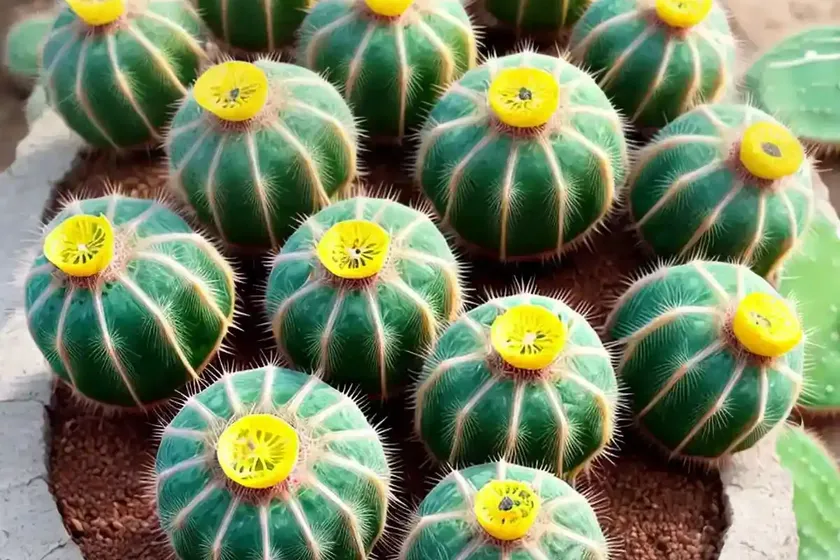
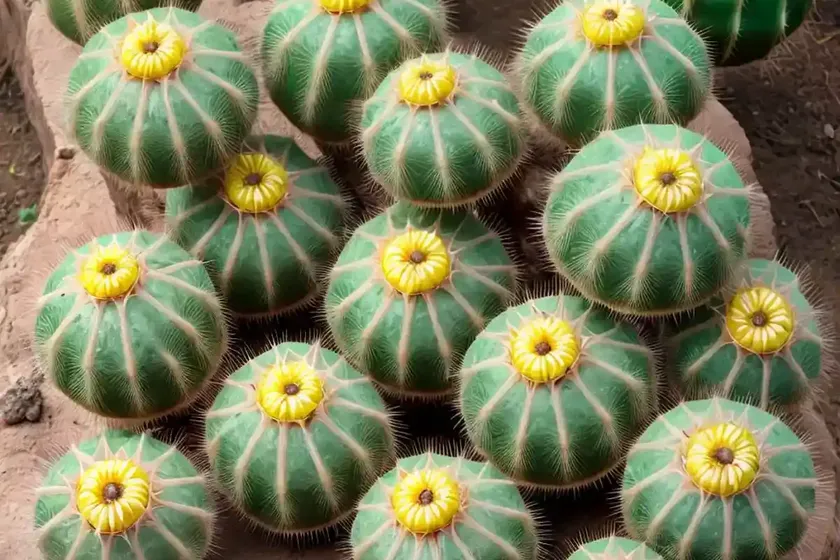
Plants have always held a special place in human society, captivating our imagination with their diversity and resilience. One such intriguing plant is the Lemon Ball Cactus, scientifically known as Parodia leninghausii. In this in-depth guide, we will explore the unique characteristics of this plant and delve into the essential aspects of its care and cultivation. Whether you are a novice plant enthusiast or an experienced gardener, this guide aims to provide you with valuable insights into the world of Lemon Ball Cactus care.
What is the Lemon Ball Cactus (Parodia leninghausii)?
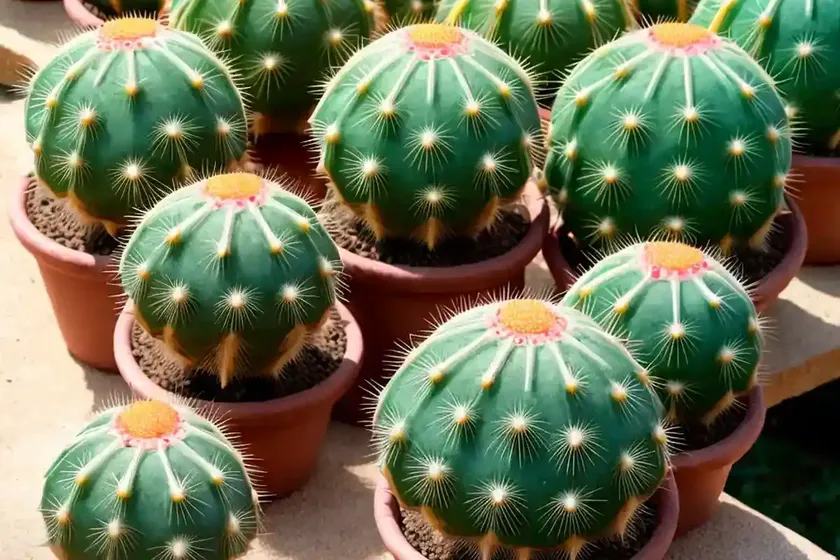
The Lemon Ball Cactus, or Parodia leninghausii, is a species of cactus native to Brazil. It belongs to the Cactaceae family and is characterized by its spherical shape and vibrant yellow spines. This striking cactus is a popular choice for both indoor and outdoor cultivation, thanks to its compact size and low-maintenance requirements.
Key Takeaways
Below are some key takeaways about the Lemon Ball Cactus (Parodia leninghausii) that we will explore in detail:
- Culture
- Uses
- Water
- Sunlight
- Fertilizer
- Soil
- Pruning
- Propagation
- Container
- Popularity
- Common Diseases
- Disease diagnosis
- Common Pests
- Botanist’s Tips
- Fun Facts
- Links to External Resources
Now, let’s embark on a journey to understand the specific care needs and unique attributes of the Lemon Ball Cactus.
Culture of Lemon Ball Cactus (Parodia leninghausii)
The culture of the Lemon Ball Cactus encompasses its natural habitat, growth habits, and overall behavior in different environmental conditions. Understanding the cultural aspects of this plant is crucial for providing it with an environment where it can thrive.
Uses
The Lemon Ball Cactus, with its visually appealing appearance and minimal space requirements, serves several purposes in horticulture and landscaping. Its charming spherical form and vivid spines make it an ideal choice for ornamental use, both indoors and outdoors.
Water
Watering is a critical aspect of caring for the Lemon Ball Cactus, as it is essential to strike the right balance to prevent overwatering or underwatering. Understanding its water requirements is fundamental to ensuring the plant’s health and vitality.
Sunlight
Like all plants, the Lemon Ball Cactus relies on sunlight for photosynthesis and overall growth. Determining the optimal sunlight conditions for this cactus is crucial for its well-being in both indoor and outdoor settings.
Fertilizer
Fertilization plays a vital role in providing the Lemon Ball Cactus with essential nutrients for healthy growth. Selecting the right type of fertilizer and applying it judiciously is key to supporting the plant’s development.
Soil
The soil composition significantly influences the growth and overall health of the Lemon Ball Cactus. Understanding its soil preferences and requirements is essential for creating an ideal growing medium.
Pruning
Pruning, when done correctly, can help maintain the Lemon Ball Cactus’s distinct shape and remove any damaged or unhealthy parts. Knowing the proper pruning techniques ensures that the plant remains visually appealing and healthy.
Propagation
Learning about the various methods of propagation for the Lemon Ball Cactus is invaluable for those looking to expand their cactus collection or share this delightful plant with others.
Container
Choosing the right container is essential for the Lemon Ball Cactus, as it directly impacts its growth and overall well-being. Understanding the container requirements is crucial for providing the plant with a conducive environment.
Popularity
The Lemon Ball Cactus has gained popularity among plant enthusiasts and homeowners due to its unique appearance and ease of care. Understanding the factors contributing to its widespread appeal provides insights into its desirability.
Common Diseases
Like all plants, the Lemon Ball Cactus is susceptible to certain diseases that can impact its health and appearance. Being aware of these common diseases is essential for early detection and effective management.
Disease Diagnosis
Accurately diagnosing diseases and ailments in the Lemon Ball Cactus is crucial for implementing appropriate measures to restore the plant’s health and prevent the spread of infections.
Common Pests
Pest infestations can threaten the well-being of the Lemon Ball Cactus, making it essential to identify and address common pests promptly.
Botanist’s Tips
Benefit from the wisdom and insights of experienced botanists to gain practical tips and recommendations for successfully caring for the Lemon Ball Cactus.
Fun Facts
Delve into the fascinating world of the Lemon Ball Cactus with intriguing and lesser-known facts that highlight its unique attributes and characteristics.
Links to External Resources
Explore additional resources and information about the Lemon Ball Cactus for a comprehensive understanding of its care and cultivation.
Now, let’s delve into each of these aspects in detail to gain a comprehensive understanding of the care requirements and fascinating attributes of the Lemon Ball Cactus (Parodia leninghausii).
Lemon Ball Cactus (Parodia leninghausii) Care Guide
Lemon Ball Cactus Culture
The Lemon Ball Cactus, Parodia leninghausii, is native to Brazil and thrives in arid regions with well-draining soil and ample sunlight. Understanding its cultural preferences is essential for successfully cultivating this charming cactus.
Native Habitat
The native habitat of the Lemon Ball Cactus provides valuable insights into its preferred environmental conditions. It typically grows in rocky terrain and sandy soils, often enduring dry periods and intense sunlight.
Growth Habit
Parodia leninghausii exhibits a spherical growth habit, often resembling a small, vibrant yellow ball due to its distinct spines. This compact and slow-growing cactus is well-suited for container cultivation.
Environmental Adaptability
The Lemon Ball Cactus demonstrates remarkable adaptability to arid conditions, making it a resilient choice for xeriscaping and low-water gardening. Its ability to thrive in dry, sunny environments makes it an ideal plant for those seeking low-maintenance ornamentals.
Uses of Lemon Ball Cactus
The Lemon Ball Cactus is prized for its ornamental value, both indoors and outdoors. Its visually striking appearance and minimal care requirements make it a popular choice for various uses.
Ornamental Value
With its spherical form and vibrant yellow spines, Parodia leninghausii is prized for its ornamental appeal. It adds a distinctive touch to succulent gardens, rock gardens, and indoor plant displays.
Landscaping
In landscaping, the Lemon Ball Cactus serves as a charming accent plant, particularly in arid and desert-themed garden designs. Its compact size and striking appearance make it an excellent choice for adding visual interest to outdoor spaces.
Container Cultivation
The Lemon Ball Cactus’s compact growth habit and low water requirements make it an ideal candidate for container cultivation. It thrives in small pots, making it suitable for indoor display or limited garden spaces.
Watering the Lemon Ball Cactus
Proper watering is crucial for the health and vitality of the Lemon Ball Cactus. While it is tolerant of drought conditions, it is essential to provide adequate moisture without overwatering.
Watering Frequency
The watering frequency for Parodia leninghausii depends on various factors, including the season, climate, and growth stage. During the active growing season, it is best to water the cactus when the top inch of the soil is dry. In the winter months or during dormancy, reduce watering to prevent excess moisture.
Watering Methods
When watering the Lemon Ball Cactus, use a targeted approach to deliver water to the root zone, avoiding wetting the plant’s body and spines. This prevents rot and fungal issues that can arise from prolonged contact with excess moisture.
Signs of Overwatering and Underwatering
Understanding the signs of overwatering and underwatering is essential for adjusting the watering regimen promptly. Overwatering may lead to root rot and wilting, while underwatering can result in shriveled or yellowing stems.
Sunlight Requirements for the Lemon Ball Cactus
As a sun-loving succulent, the Lemon Ball Cactus thrives in bright sunlight and benefits from ample exposure to direct sunlight, both indoors and outdoors.
Indoor Sunlight
When cultivating the Lemon Ball Cactus indoors, place it in a location with bright, indirect sunlight. South or west-facing windows typically provide the ideal light conditions for promoting healthy growth.
Outdoor Sunlight
In outdoor settings, position the Lemon Ball Cactus in a spot where it receives full sun for the majority of the day. Providing it with direct sunlight allows the plant to thrive and maintain its vibrant appearance.
Sunlight Intensity
The intensity of sunlight directly influences the growth and coloration of the Lemon Ball Cactus. Intense sunlight typically enhances the plant’s yellow spines and promotes compact, healthy growth.
Fertilizing the Lemon Ball Cactus
Applying a balanced fertilizer at the right time and in the correct dosage supports the Lemon Ball Cactus’s growth and vitality. Understanding its fertilization needs is essential for promoting lush and healthy foliage.
Fertilizer Type
Use a specialized cactus or succulent fertilizer to provide the Lemon Ball Cactus with the essential nutrients it needs. These fertilizers are formulated to meet the unique requirements of desert-adapted plants like Parodia leninghausii.
Fertilizing Schedule
During the active growing season, typically from spring through early fall, fertilize the Lemon Ball Cactus monthly. Reduce or cease fertilization in late fall and winter when the plant enters a period of dormancy.
Application Method
Apply the chosen fertilizer according to the manufacturer’s instructions, diluting it to half or quarter strength to prevent over-fertilization. A light, even application distributes the nutrients evenly and minimizes the risk of salt buildup.
Soil Requirements for the Lemon Ball Cactus
Selecting the right soil mix is crucial for the Lemon Ball Cactus, as it directly impacts its root health and overall growth. A well-draining and nutrient-rich soil medium is essential to support its unique requirements.
Soil Composition
Create a well-draining soil mix by combining components such as coarse sand, perlite, and cactus potting mix. This blend provides the Lemon Ball Cactus with a suitable substrate that allows excess water to drain freely.
Porosity and Drainage
The soil mix should be porous and well-draining to prevent waterlogged conditions that can lead to root rot. It should also provide sufficient aeration to the roots, fostering healthy growth and minimizing the risk of fungal issues.
pH Level
A slightly acidic to neutral pH range, typically between 6.0 and 7.0, is favorable for the Lemon Ball Cactus. Test the soil pH periodically to ensure that it remains within the optimal range for the plant’s health.
Pruning and Grooming the Lemon Ball Cactus
Pruning and grooming the Lemon Ball Cactus help maintain its compact form and remove any damaged, discolored, or diseased parts. It is essential to perform these tasks carefully to preserve the plant’s health and appearance.
Pruning Technique
Use clean, sharp pruning shears to remove any unsightly or unhealthy growth, taking care to avoid contact with the cactus’s spines. Wipe the blades with rubbing alcohol before and after pruning to prevent the spread of diseases.
Grooming
Gently remove any accumulated dust or debris from the Lemon Ball Cactus with a soft brush or cloth. This helps keep the plant’s spines free from blockages and maintains its vibrant appearance.
Handling Spines
Exercise caution when handling the Lemon Ball Cactus to avoid contact with its sharp spines. Using protective gloves or tongs can help minimize the risk of injury while grooming or handling the plant.
Propagation of the Lemon Ball Cactus
Several methods, including offsets and seeds, can be employed to propagate the Lemon Ball Cactus. Understanding these propagation techniques is beneficial for expanding your cactus collection or sharing the plant with others.
Offsets (Pups)
When the Lemon Ball Cactus matures, it produces offsets, also known as pups, around the base of the parent plant. Carefully detach these offsets and allow the cut ends to callus before planting them in a suitable growing medium to encourage root development.
Seed Propagation
Although slower than propagation from offsets, growing Lemon Ball Cactus from seeds is a rewarding process. Sow the seeds in a well-draining cactus mix and provide them with the appropriate warmth and moisture for germination.
Propagation Considerations
Regardless of the chosen propagation method, provide the newly propagated Lemon Ball Cactus with optimal growing conditions and care to support its establishment and early growth.
Container Requirements for the Lemon Ball Cactus
Selecting the right container for the Lemon Ball Cactus is essential for providing it with ample space for growth, proper drainage, and a stable environment.
Container Size
Choose a container that provides sufficient room for the Lemon Ball Cactus’s root system and allows for future growth. A slightly larger pot than the plant’s current size is suitable, ensuring that the roots have space to develop.
Drainage Holes
Ensure that the chosen container has drainage holes to prevent water from pooling at the bottom. Adequate drainage is crucial for safeguarding the plant against root rot and water-related issues.
Container Material
Opt for containers made from breathable materials such as terracotta or other porous ceramics. These materials allow excess moisture to evaporate from the soil, promoting a healthy root environment.
Popularity of the Lemon Ball Cactus
The Lemon Ball Cactus has gained popularity among plant enthusiasts and homeowners due to its unique attributes, ease of care, and ornamental appeal. Its rising popularity highlights its desirability and suitability for a wide range of gardening and landscaping applications.
Plant Collectors
The Lemon Ball Cactus has captured the attention of plant collectors and enthusiasts seeking unique and visually striking specimens for their collections. Its compact size and vibrant appearance make it a sought-after addition to succulent displays.
Homeowners and Gardeners
For homeowners and gardeners, the Lemon Ball Cactus offers a charming and low-maintenance plant option for both indoor and outdoor spaces. Its adaptability to various growing conditions contributes to its widespread appeal.
Landscape Designers
In landscaping, the Lemon Ball Cactus serves as a versatile and eye-catching addition to arid and desert-themed garden designs. Its distinctive form and vivid spines make it an attractive choice for adding visual interest to outdoor environments.
Common Diseases of the Lemon Ball Cactus
Despite its resilience, the Lemon Ball Cactus is susceptible to certain diseases and ailments that can impact its health and appearance. Early detection and prompt intervention are essential for preventing the spread of diseases.
Root Rot
Overwatering or poorly drained soil can lead to root rot in the Lemon Ball Cactus. Symptoms include wilting, yellowing, and softening of the stems. To prevent root rot, ensure the plant’s soil dries out between watering sessions and maintain proper drainage.
Fungal Infections
Excessive moisture or high humidity levels can create favorable conditions for fungal infections in the Lemon Ball Cactus. Watch for signs of mold, mildew, or soft spots on the plant’s body and take measures to improve airflow and reduce moisture levels.
Pest Infestations
Pests such as mealybugs and spider mites can pose a threat to the Lemon Ball Cactus. Regularly inspect the plant for the presence of pests and address infestations promptly with the appropriate control methods.
Disease Diagnosis and Management
Accurately diagnosing diseases and ailments in the Lemon Ball Cactus is crucial for implementing effective management strategies and restoring the plant’s health.
Early Detection
Regularly inspect the Lemon Ball Cactus for any signs of disease, including discoloration, wilting, or unusual growths. Early detection allows for timely intervention and prevents the spread of infections.
Proper Care Practices
Implement proper watering, fertilization, and grooming practices to promote the Lemon Ball Cactus’s overall health and resilience. Providing the plant with optimal growing conditions strengthens its ability to ward off diseases.
Disease Management
When dealing with diseases or issues such as root rot or fungal infections, adjust the plant’s care regimen and environmental conditions to create a less favorable environment for the pathogens. Additionally, consider using targeted treatments to address specific diseases or pest infestations.
Common Pests Affecting the Lemon Ball Cactus
Pest infestations can threaten the health and appearance of the Lemon Ball Cactus, making it imperative to identify and address common pests promptly.
Mealybugs
These small, white insects can infest the Lemon Ball Cactus, often congregating in the plant’s crevices and along its stems. Manual removal and the application of horticultural oils or insecticidal soaps can effectively manage mealybug infestations.
Spider Mites
Spider mites are common pests that can affect the Lemon Ball Cactus, causing visible stippling and webbing on the plant. Regularly rinsing the plant with water and using insecticidal soaps can help control spider mite populations.
Prevention Measures
Implement preventative measures, such as inspecting new plant acquisitions for pests and maintaining good overall plant health, to minimize the risk of pest infestations in the Lemon Ball Cactus.
Botanist’s Tips for Lemon Ball Cactus Care
Drawing from the expertise of seasoned botanists, we can gain valuable insights and practical tips for successfully caring for the Lemon Ball Cactus.
Temperature Considerations
The Lemon Ball Cactus thrives in warm temperatures and is sensitive to cold. During the winter months, protect it from frost and extreme cold by providing adequate insulation or moving it to a protected indoor location.
Seasonal Adjustments
Adjust the plant’s care regimen, including watering and fertilization, to accommodate seasonal changes in light, temperature, and humidity. These adjustments help maintain the plant’s health and vitality throughout the year.
Handling and Repotting
When handling the Lemon Ball Cactus for grooming or repotting, use protective gear such as gloves and eye protection to prevent injuries from its sharp spines. Take the necessary precautions to ensure safe and successful plant care activities.
Fun Facts About the Lemon Ball Cactus
Discover intriguing and lesser-known facts about the Lemon Ball Cactus that highlight its unique characteristics and contribute to its allure.
Succulent Adaptations
Parodia leninghausii is a true succulent, defined by its ability to store water in its stems and survive in arid environments. Its adaptations make it well-suited for xeric landscapes and low-water gardening.
Vivid Spines
The Lemon Ball Cactus’s vibrant yellow spines not only serve as a protective feature but also contribute to its visual appeal, especially when contrasted against the plant’s green stem.
Longevity
When provided with proper care, the Lemon Ball Cactus can thrive for many years, making it a long-term and low-maintenance addition to gardens and indoor plant collections.
Links to External Resources
Explore additional resources and information about the care and cultivation of the Lemon Ball Cactus to further enhance your knowledge and understanding of this captivating plant.
Plant Care Guides
Consult reputable plant care guides and gardening websites for detailed insights into caring for the Lemon Ball Cactus, including specific care tips and techniques.
Horticultural Communities
Engage with horticultural communities, forums, and social media groups focused on cacti and succulents to connect with fellow enthusiasts and access valuable insights and experiences related to growing Parodia leninghausii.
Botanical Gardens and Arboreta
Visit botanical gardens and arboreta with diverse desert and succulent plant collections to observe and learn from the cultivation and display of the Lemon Ball Cactus in well-maintained environments.
In conclusion, the Lemon Ball Cactus (Parodia leninghausii) captivates plant enthusiasts with its