Papaver Orientale ‘Tiffany’ (Oriental Poppy)
Papaver orientale ‘Tiffany’, commonly known as the Oriental Poppy, is a stunning perennial plant that captivates with its vibrant blooms and distinctive.
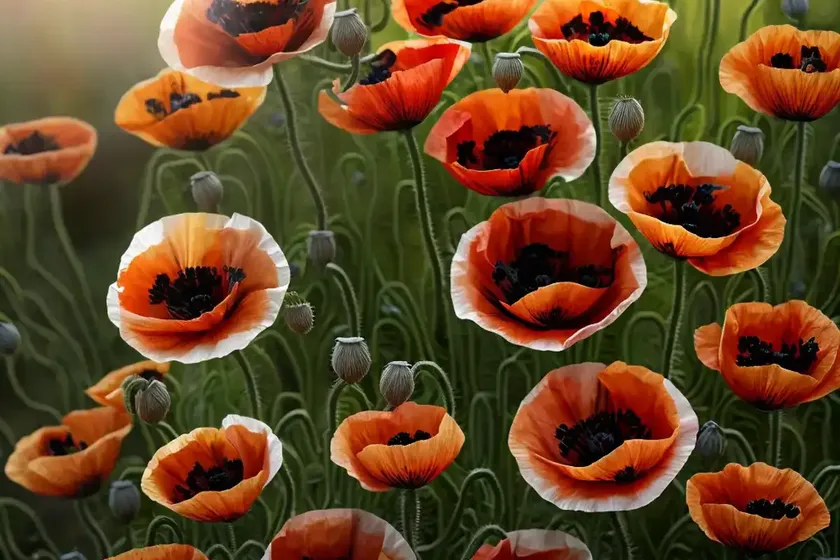
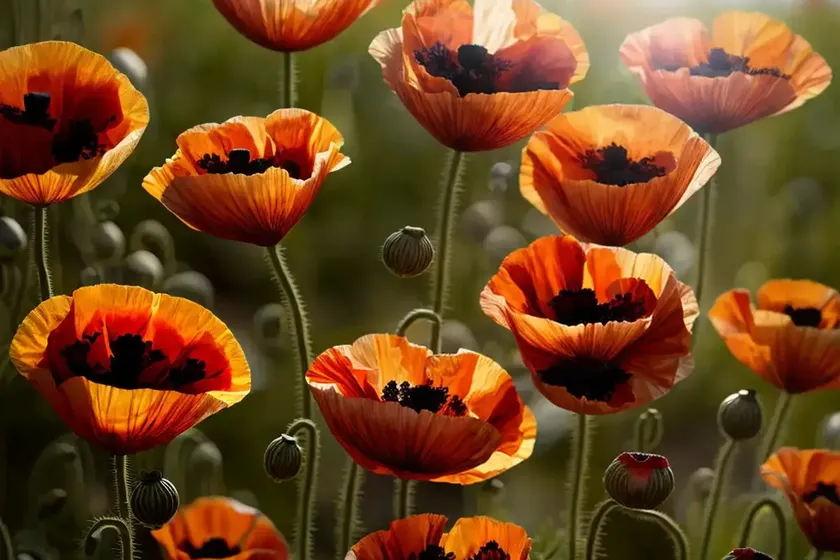
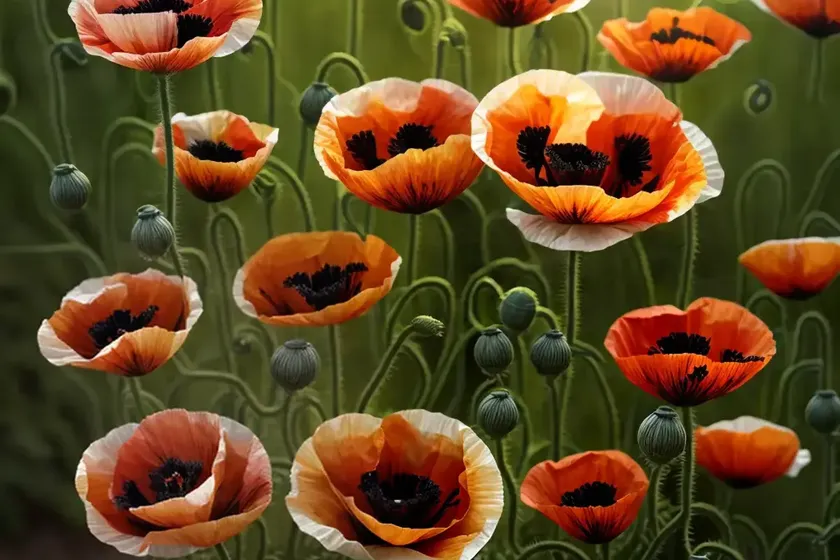
Papaver orientale ‘Tiffany’, commonly known as the Oriental Poppy, is a stunning perennial plant that captivates with its vibrant blooms and distinctive foliage. As a plant scientist with a passion for exploring the intricate world of plant species, I am thrilled to delve into the nuances of this captivating flowering plant. In this comprehensive guide, we will explore the characteristics, cultivation, maintenance, and various aspects related to Papaver orientale ‘Tiffany’, providing valuable insights to gardening enthusiasts and horticulture aficionados.
What is Papaver orientale ‘Tiffany’ (Oriental Poppy)?
Papaver orientale ‘Tiffany’ is a member of the Papaveraceae family, renowned for its large, crepe-paper-like flowers and deeply lobed, hairy foliage. This striking perennial is native to the Caucasus, northeastern Turkey, and northern Iran and has earned widespread popularity among gardeners for its breathtaking floral display and distinct ornamental appeal.
The Oriental Poppy ‘Tiffany’ variety is celebrated for its vibrant, salmon-pink flowers that add a touch of elegance and vibrancy to garden landscapes. With its bold blossoms and attractive foliage, this perennial plant serves as a captivating focal point in various garden settings, from traditional cottage gardens to modern landscape designs.
Let’s embark on an enlightening journey to discover the enchanting world of Papaver orientale ‘Tiffany’, unveiling the key insights and practical tips that will empower plant enthusiasts to cultivate and appreciate this remarkable botanical specimen.
Key Takeaways – Papaver orientale ‘Tiffany’ (Oriental Poppy)
Culture
- Common Name: Oriental Poppy ‘Tiffany’
- Scientific Name: Papaver orientale ‘Tiffany’
- Family: Papaveraceae
- Origin: Caucasus, northeastern Turkey, northern Iran
- Hardiness Zone: 3-7
- Mature Height: 2-3 feet
- Mature Spread: 1-2 feet
- Bloom Time: Late spring to early summer
- Lifespan: Perennial
Uses
- Landscape Ornamental: Ideal for borders, rock gardens, and naturalized settings
- Cut Flowers: Striking blooms for floral arrangements and indoor displays
- Wildlife Attraction: Attracts pollinators such as bees and butterflies
Now, let’s delve into the essential aspects of cultivating and nurturing Papaver orientale ‘Tiffany’ to unlock its full potential in garden landscapes.
Water
Oriental Poppies thrive in well-draining soil and prefer moderate moisture levels. Here are some guidelines for watering this enchanting perennial:
- Regular Watering: Ensure consistent moisture during the growing season, especially in the absence of rainfall.
- Avoid Waterlogging: Prevent waterlogged conditions, which can lead to root rot.
- Minimal Watering After Flowering: Reduce watering frequency after the blooming period to mimic the plant’s natural dormancy phase.
Sunlight
Proper sunlight exposure is crucial for the optimal growth and blooming of Papaver orientale ‘Tiffany’:
- Full Sun: Thrives in full sunlight and requires at least 6-8 hours of direct sun exposure daily.
- Morning Sun: Prefers morning sun exposure, especially in regions with hot summers, to avoid heat stress.
Fertilizer
Fertilization is an integral part of promoting healthy growth and prolific blooming in Oriental Poppies:
- Balanced Fertilizer: Apply a balanced, slow-release fertilizer in early spring to support vigorous growth and abundant flowering.
- Avoid Excessive Nitrogen: Be cautious of excessive nitrogen, as it can lead to lush foliage at the expense of floral production.
Soil
The choice of soil and proper soil preparation significantly impacts the thriving of Papaver orientale ‘Tiffany’:
- Well-Draining Soil: Requires well-draining soil to prevent waterlogging and root rot.
- Loamy Soil: Flourishes in nutrient-rich, loamy soil with good aeration.
- pH Range: Tolerates a slightly acidic to neutral soil pH level (pH 6.5-7.5).
Pruning
Pruning practices play a vital role in maintaining the health and appearance of Oriental Poppies:
- Post-Blooming Pruning: Trim back the spent flower stalks to encourage reblooming and prevent seed formation.
- Dormancy Pruning: After the foliage turns yellow and dies back, cut the stems to the ground to prepare the plant for dormancy.
Propagation
Explore the propagation techniques to expand your Oriental Poppy ‘Tiffany’ collection:
- Division: Divide mature clumps in early spring or late summer to propagate the plant.
- Root Cuttings: Propagate from root cuttings in early spring to produce new plants.
Container Popularity
Papaver orientale ‘Tiffany’ captivates container gardening enthusiasts with its striking presence and adaptability:
- Container Size: Choose a sizable container to accommodate the plant’s robust root system.
- Well-Draining Potting Mix: Use well-draining soil mix for containers to mimic the ideal soil conditions.
Common Diseases
Understanding the potential diseases that may affect Oriental Poppies is essential for proactive management:
- Powdery Mildew: Watch for powdery mildew, a common fungal disease, especially in humid conditions.
- Root Rot: Avoid overwatering and waterlogging to prevent root rot, a potentially fatal condition for the plant.
Disease Diagnosis
Recognizing the symptoms and signs of diseases is crucial for timely intervention and management:
- Fungal Spots on Leaves: Investigate and address the presence of fungal spots on the foliage promptly.
- Wilting and Yellowing: Monitor for wilting and yellowing of the leaves as potential indicators of fungal infections or root issues.
Common Pests
Be vigilant for potential pests that may affect the health of Papaver orientale ‘Tiffany’:
- Aphids: Keep a lookout for aphids, especially during the early growth stages and budding phase.
- Spider Mites: Monitor for spider mite infestations, which can cause stippling on the foliage.
Botanist’s Tips
Cultivating and caring for Papaver orientale ‘Tiffany’ can be further enhanced with these expert tips:
- Mulching: Apply a layer of organic mulch to conserve soil moisture and suppress weed growth.
- Natural Dormancy: Allow the plant to undergo natural dormancy after the blooming period, as it contributes to long-term health and vigor.
Fun Facts
Uncover intriguing tidbits about Oriental Poppy ‘Tiffany’ that add to its allure and appeal in garden landscapes:
- Symbolism: Oriental Poppies symbolize remembrance and extravagance, making them meaningful additions to commemorative gardens.
- Herbal Uses: Historically, various parts of the poppy plant have been utilized for their medicinal properties and culinary applications.
Links to External Resources
Expand your knowledge and explore diverse perspectives on Papaver orientale ‘Tiffany’ with these reputable external resources:
- Royal Horticultural Society
- University Extension Programs
- Botanical Gardens and Arboreta
- Plant Science Journals
- Plant Pathology Resources
Unveiling the Splendor of Papaver orientale ‘Tiffany’
In conclusion, the resplendent Papaver orientale ‘Tiffany’ holds a special place in the realm of ornamental perennials, captivating enthusiasts with its vibrant blooms and distinctively lobed foliage. By embracing the nurturing guidelines and insights delineated in this comprehensive guide, gardening aficionados can embark on a rewarding journey of cultivating and appreciating the beauty of Oriental Poppy ‘Tiffany’ in diverse garden landscapes.
Delve into the enchanting world of Papaver orientale ‘Tiffany’, and witness the enduring allure of this exquisite perennial as it graces garden spaces with its resplendent blossoms and enriches the tapestry of nature’s grandeur.
Keywords: Papaver orientale care, Oriental Poppy ‘Tiffany’ tips, Growing Papaver orientale, Papaver orientale ‘Tiffany’ varieties, Oriental Poppy gardening ideas, Best soil for Papaver orientale, How to propagate Oriental Poppy, Oriental Poppy plant characteristics, Papaver orientale cultivation, ‘Tiffany’ Oriental Poppy care guide, Oriental Poppy ‘Tiffany’ colors, Tips for planting Papaver orientale, Papaver orientale ‘Tiffany’ maintenance, Oriental Poppy ‘Tiffany’ features, Growing Papaver orientale from seed, Oriental Poppy ‘Tiffany’ pruning, Papaver orientale ‘Tiffany’ pests and diseases, Oriental Poppy ‘Tiffany’ companion plants, Papaver orientale ‘Tiffany’ flowering period, Oriental Poppy ‘Tiffany’ sunlight requirements, Papaver orientale ‘Tiffany’ watering needs, Oriental Poppy ‘Tiffany’ landscape uses, Papaver orientale ‘Tiffany’ seasonal care, Oriental Poppy ‘Tiffany’ growing zones, Papaver orientale ‘Tiffany’ container gardening, Tips for overwintering Oriental Poppy, Papaver orientale ‘Tiffany’ garden design, Oriental Poppy ‘Tiffany’ plant size, Papaver orientale ‘Tiffany’ disease prevention, How to divide Oriental Poppy ‘Tiffany’, Papaver orientale ‘Tiffany’ foliage color, Oriental Poppy ‘Tiffany’ pollination, Papaver orientale ‘Tiffany’ cut flowers, Oriental Poppy ‘Tiffany’ insect control, Papaver orientale ‘Tiffany’ seasonality, Oriental Poppy ‘Tiffany’ natural habitat, Papaver orientale ‘Tiffany’ outdoor planting, Oriental Poppy ‘Tiffany’ pest management, Papaver orientale ‘Tiffany’ soil preparation, Oriental Poppy ‘Tiffany’ bloom time, Papaver orientale ‘Tiffany’ diseases identification, Oriental Poppy ‘Tiffany’ foliage texture, Papaver orientale ‘Tiffany’ sunlight exposure, Oriental Poppy ‘Tiffany’ water retention, Papaver orientale ‘Tiffany’ plant propagation, Oriental Poppy ‘Tiffany’ landscape design, Papaver orientale ‘Tiffany’ fragrance, Oriental Poppy ‘Tiffany’ soil pH requirements, Papaver orientale ‘Tiffany’ weed control, Oriental Poppy ‘Tiffany’ wildlife attraction