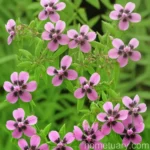
Panicled Tick-clover (Desmodium Paniculatum): A Comprehensive Guide
Panicled Tick-clover, scientifically known as Desmodium paniculatum, is a versatile and valuable plant that holds numerous benefits for both gardeners and the environment. This resilient species is renowned for its ornamental value, medicinal properties, and ability to attract wildlife. In this guide, we will delve into the various aspects of Panicled Tick-clover, including its cultural requirements, uses, common diseases, and much more.
What is Plant: Panicled Tick-clover (Desmodium Paniculatum)?
Panicled Tick-clover, also known as Desmodium Paniculatum, is a perennial plant belonging to the Fabaceae family. This plant is native to North America, where it can be found in various habitats, including grasslands, open woods, and disturbed areas. Its distinctive three-lobed leaves and elongated clusters of small, pinkish-purple flowers make it an attractive addition to gardens and landscapes.
Key Takeaways – Panicled Tick-clover (Desmodium Paniculatum)
Before delving into the specifics, here are some key takeaways about Panicled Tick-clover:
- Botanical Name: Desmodium paniculatum
- Common Name: Panicled Tick-clover
- Family: Fabaceae
- Uses: Medicinal, ornamental, wildlife attractor
- Cultural Requirements: Water, sunlight, soil, fertilizer
- Habitat: Native to North America
- Propagation: Seeds, division
- Common Diseases: Leaf spot, powdery mildew
- Common Pests: Aphids, leafhoppers
- Fun Facts: Nitrogen-fixing properties, attracts butterflies
With these essential points in mind, let’s explore the various aspects of Panicled Tick-clover in more detail.
Culture
Water
Panicled Tick-clover prefers moderate moisture levels in well-drained soil. While it can tolerate short periods of drought once established, consistent watering is crucial, especially during the plant’s early stages of growth. Adequate moisture levels contribute to healthy foliage and vibrant blooms.
Sunlight
For optimal growth and flowering, Panicled Tick-clover thrives in full sun to partial shade. However, it is important to note that insufficient sunlight can result in diminished flowering and overall plant vigor. Therefore, it is advisable to provide the plant with at least 6 hours of direct sunlight daily.
Fertilizer
When it comes to fertilizing Panicled Tick-clover, a balanced, slow-release fertilizer can be applied in spring to promote robust growth and enhance flowering. Additionally, incorporating organic matter into the soil during planting or topdressing with compost can provide essential nutrients for the plant.
Soil
Panicled Tick-clover thrives in well-drained, slightly acidic to neutral soil with a pH range of 5.5 to 7.0. The addition of organic matter, such as compost or well-rotted manure, can improve the soil structure and fertility, thus enhancing the plant’s overall health and performance.
Pruning
Periodic pruning is beneficial for Panicled Tick-clover to maintain its shape, enhance flowering, and encourage new growth. Pruning can be carried out in early spring to remove any dead or damaged growth, as well as to shape the plant as desired. Additionally, spent flowers can be deadheaded to prolong the blooming period.
Propagation
Panicled Tick-clover can be propagated through both seeds and division. When propagating from seeds, it is advisable to sow them directly in the garden after the last frost date. For propagation by division, mature plants can be carefully divided in early spring, ensuring that each division has a sufficient root system and shoots.
Container Popularity
Due to its adaptability and ornamental value, Panicled Tick-clover is also well-suited for container gardening. When grown in containers, it is essential to provide adequate room for the plant’s root system to facilitate healthy growth. Container-grown Panicled Tick-clover can be placed on patios, balconies, or in garden beds to create an appealing display.
Common Diseases
While Panicled Tick-clover is relatively resistant to diseases, it may occasionally encounter issues such as leaf spot and powdery mildew. These fungal diseases can be managed through proper cultural practices, including maintaining good air circulation, avoiding overhead watering, and promptly removing any affected foliage.
Disease Diagnosis
Diagnosing diseases in Panicled Tick-clover involves closely monitoring the plant for any abnormal symptoms, such as spots on the leaves, powdery white patches, or stunted growth. If disease is suspected, promptly isolating the affected plant and implementing appropriate control measures can help prevent the spread of the infection.
Common Pests
Panicled Tick-clover may be susceptible to certain pests, including aphids and leafhoppers. These pests can cause damage by feeding on the plant’s sap, resulting in distorted growth and potential transmission of viral diseases. Physical removal of pests, as well as the application of insecticidal soap or neem oil, can effectively manage pest infestations.
Botanist’s Tips
As a botanist, here are some practical tips for the successful cultivation of Panicled Tick-clover:
- Regularly monitor soil moisture levels, especially during hot and dry periods, to ensure adequate hydration for the plant.
- When planting Panicled Tick-clover in the garden, allow ample spacing between individual plants to facilitate air circulation and prevent overcrowding.
- Incorporate a layer of organic mulch around the base of the plant to conserve soil moisture, suppress weed growth, and provide insulation.
These tips, along with an understanding of the plant’s specific requirements, can contribute to the optimal growth and well-being of Panicled Tick-clover.
Fun Facts
Nitrogen-Fixing Properties
Panicled Tick-clover, like many other leguminous plants, possesses the remarkable ability to fix atmospheric nitrogen with the aid of nitrogen-fixing bacteria in its root nodules. This process contributes to soil fertility and can benefit neighboring plants by enhancing nitrogen availability.
Butterfly Attractor
The nectar-rich flowers of Panicled Tick-clover attract various pollinators, including butterflies. By planting Panicled Tick-clover in the garden, you can create a vibrant and ecologically diverse ecosystem, while also contributing to the conservation of butterfly populations.
Links to External Resources
To further enhance your understanding of Panicled Tick-clover and explore additional information, here are some valuable external resources:
- USDA Plants Database
- Missouri Botanical Garden: Desmodium paniculatum
- Purdue University Extension: Growing Desmodiums in the Home Garden
In conclusion, Panicled Tick-clover (Desmodium Paniculatum) stands as a remarkable plant with a multitude of uses and ecological benefits. Whether it’s for its ornamental charm, medicinal properties, or role in wildlife conservation, this plant offers an array of opportunities for gardeners and nature enthusiasts. By understanding and meeting its cultural requirements, managing potential issues, and appreciating its unique attributes, Panicled Tick-clover can thrive and contribute to the vitality of diverse ecosystems.
As you embark on your journey of growing and caring for Panicled Tick-clover, may these insights serve as a valuable guide, enriching your experience and fostering a deeper appreciation for this remarkable plant.
Remember, the beauty of Panicled Tick-clover lies not only in its captivating blooms, but also in the ecological harmony it nurtures within gardens and natural landscapes.
Happy gardening!