Plant Scientist’s Guide to Panicle Hydrangea Care: Hydrangea paniculata ‘SMHPLQF’ LITTLE QUICK FIRE
What is Panicle Hydrangea?
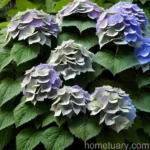
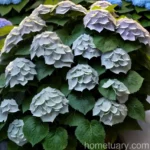
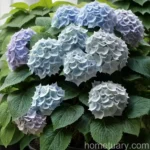
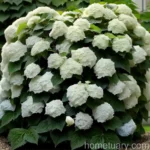
Panicle hydrangea, scientifically known as Hydrangea paniculata, is a stunning deciduous shrub appreciated for its large, showy flower heads and excellent cold hardiness. The Hydrangea paniculata ‘SMHPLQF’ LITTLE QUICK FIRE, commonly referred to as Little Quick Fire hydrangea, is a remarkable cultivar known for its compact size and early blooming nature. With its striking blooms and adaptability to various growing conditions, panicle hydrangeas have become a popular choice for landscapes and gardens worldwide.
Key Takeaways – Panicle Hydrangea (Hydrangea paniculata ‘SMHPLQF’ LITTLE QUICK FIRE)
Here are the key points we will cover in this comprehensive guide to panicle hydrangea care:
- Culture
- Uses
- Water
- Sunlight
- Fertilizer
- Soil
- Pruning
- Propagation
- Container Popularity
- Common Diseases
- Disease Diagnosis
- Common Pests
- Botanist’s Tips
- Fun Facts
- Links to External Resources
Now, let’s delve deeper into each of these aspects to understand how to best care for the panicle hydrangea and, specifically, the Hydrangea paniculata ‘SMHPLQF’ LITTLE QUICK FIRE variety.
Culture
Panicle hydrangeas are relatively easy to grow and care for, making them an excellent choice for both beginners and experienced gardeners. They are known for their resilience and ability to thrive in a wide range of environmental conditions.
- USDA Hardiness Zones: Panicle hydrangeas, including the Little Quick Fire variety, are well-suited for USDA Hardiness Zones 3-8. They can tolerate colder temperatures and are generally hardy in northern regions.
- Mature Size: Little Quick Fire hydrangea typically reaches a height and spread of 3-5 feet, making it a compact and manageable shrub for most garden settings.
- Landscape Use: These hydrangeas can be utilized as stand-alone specimens, mass plantings, hedges, or incorporated into mixed perennial borders.
Panicle hydrangeas are incredibly versatile and can adapt to various soil types and environmental conditions, making them a popular choice for landscapes and gardens.
Uses
Panicle hydrangeas, including the Little Quick Fire variety, offer several uses in landscaping and garden design due to their aesthetic appeal and adaptability. Here are some common applications:
- Accent Plants: The showy flower heads of panicle hydrangeas make them excellent choices for focal points in the landscape, drawing attention and adding visual interest.
- Privacy Screens: When planted in clusters or rows, these shrubs can serve as effective privacy screens or windbreaks, providing both beauty and functionality.
- Cut Flowers: The large, cone-shaped flower clusters of panicle hydrangeas make stunning additions to cut flower arrangements, bringing beauty indoors.
- Pollinator Support: The abundant blooms of panicle hydrangeas attract pollinators, such as butterflies and bees, making them valuable additions to pollinator-friendly gardens.
Given their diverse uses, panicle hydrangeas are highly valued in both residential and commercial landscaping projects.
Water
Proper watering is crucial for the health and vitality of panicle hydrangeas, including the Little Quick Fire variety. While these shrubs are considered relatively drought-tolerant once established, they still require regular and consistent moisture, especially during the growing season and in periods of prolonged drought.
Here are some essential watering guidelines for panicle hydrangeas:
- Established Plants: Water deeply at the base of the shrub when the soil begins to dry out. Provide approximately 1 inch of water per week, either through rainfall or supplemental irrigation, to maintain adequate soil moisture levels.
- Avoid Overwatering: While consistent watering is important, it’s essential to avoid overwatering, as excessive moisture can lead to root rot and other issues. Ensure that the soil has proper drainage to prevent waterlogging.
Understanding the specific water needs of your panicle hydrangeas, based on factors such as climate and soil type, will help promote healthy growth and abundant flowering.
Sunlight
Panicle hydrangeas, including the Little Quick Fire variety, thrive in locations with ample sunlight, making them well-suited for sunny garden spots. However, they can also tolerate partial shade, which expands their adaptability to different light conditions.
Here are key points to consider regarding sunlight requirements for panicle hydrangeas:
- Full Sun: To encourage robust growth and profuse flowering, plant panicle hydrangeas in areas that receive at least 6-8 hours of direct sunlight per day. In full sun, they typically produce the best floral display.
- Partial Shade: While panicle hydrangeas prefer full sun, they can also thrive in locations with partial shade, especially in regions with intense afternoon sunlight or during periods of extreme heat.
Finding the ideal balance of sunlight for your panicle hydrangeas based on your specific climate and growing conditions will support their overall health and blooming performance.
Fertilizer
Proper fertilization plays a vital role in promoting the growth and flowering of panicle hydrangeas, including the Little Quick Fire variety. By providing essential nutrients, you can help ensure that these shrubs are well-nourished and capable of producing an abundance of beautiful blooms.
Here are essential guidelines for fertilizing panicle hydrangeas:
- Timing: Apply a balanced, slow-release fertilizer in early spring, just as new growth begins to emerge. This will provide the necessary nutrients to support healthy development throughout the growing season.
- Application Rate: Use a fertilizer specifically formulated for woody shrubs or one designed for flowering plants. Follow the manufacturer’s recommendations for application rates based on the size and age of the shrub.
By incorporating a consistent fertilization regimen into your panicle hydrangea care routine, you can help ensure that these plants have the essential nutrients they need to thrive and flourish.
Soil
The soil quality and composition have a significant impact on the health and performance of panicle hydrangeas. These shrubs have relatively adaptable soil preferences but generally thrive in well-draining, fertile soils.
Here are essential considerations for soil requirements when growing panicle hydrangeas:
- Well-Draining Soil: Panicle hydrangeas, including the Little Quick Fire variety, prefer soils that drain well to prevent waterlogging and root rot. Amending heavy clay soils with organic matter can improve drainage and create a more conducive growing environment.
- Soil pH: These hydrangeas thrive in slightly acidic to neutral soils with a pH range of 5.5 to 7.0. Soil pH can directly influence flower color in some panicle hydrangea varieties, with lower pH levels resulting in blue or lavender blooms and higher pH levels producing pink or red blooms.
- Soil Amendments: Adding organic matter, such as compost or well-rotted manure, to the soil can enhance fertility and improve its overall structure, benefiting the growth of panicle hydrangeas.
Understanding and addressing the specific soil needs of your panicle hydrangeas will contribute to their overall health and vitality, ultimately leading to robust growth and abundant flowering.
Pruning
Pruning is an important aspect of panicle hydrangea care, as it helps maintain the shape of the shrub, promotes healthy growth, and encourages prolific flowering. Knowing when and how to prune these hydrangeas, including the Little Quick Fire variety, is essential for achieving desirable results.
Here are key points to consider when pruning panicle hydrangeas:
- Timing: Prune panicle hydrangeas in late winter to early spring while the plants are dormant. This allows you to remove dead or weak wood, shape the shrub, and encourage the development of new growth and flower buds.
- Pruning Techniques: Remove spent blooms and thin out older, thicker stems to allow light and air to penetrate the shrub. Avoid heavy pruning, as this can diminish the following year’s flowering potential.
- Rejuvenation Pruning: Every few years, consider performing more drastic rejuvenation pruning to encourage vigorous new growth and maintain the overall health of the shrub.
By following proper pruning practices tailored to panicle hydrangeas, you can help ensure that these shrubs remain healthy, well-structured, and capable of producing abundant blooms.
Propagation
Propagation allows you to create new panicle hydrangea plants, including the Little Quick Fire variety, from existing ones, offering an excellent way to expand your garden or share these beautiful shrubs with others. While panicle hydrangeas can be propagated through various methods, including hardwood cuttings and division, softwood cuttings are commonly used due to their high success rates.
Here are essential guidelines for propagating panicle hydrangeas through softwood cuttings:
- Timing: Take softwood cuttings in early summer when the new growth is still soft and flexible. This stage typically offers the best success for propagating healthy and vigorous new plants.
- Cutting Preparation: Select healthy, non-flowering shoots and take cuttings that are 4-6 inches long. Remove the lower leaves, dip the cut end in rooting hormone, and plant the cuttings in a well-draining potting mix.
- Rooting Environment: Provide the cuttings with high humidity and consistent moisture while they establish roots. A warm, bright location with indirect sunlight is typically ideal for encouraging rooting.
By successfully propagating new panicle hydrangea plants, you can expand your garden or share these beautiful shrubs with fellow gardening enthusiasts, further enhancing their popularity and appreciation.
Container Popularity
Panicle hydrangeas, including the Little Quick Fire variety, are well-suited for container gardening, offering a versatile and portable option for incorporating these stunning shrubs into various outdoor settings.
Here are key points to consider regarding the container popularity of panicle hydrangeas:
- Container Selection: Choose a large container with adequate drainage holes to accommodate the mature size of the shrub and provide ample space for root development.
- Growing Medium: Use a high-quality potting mix that offers good drainage and aeration, as well as essential nutrients to support the growth of panicle hydrangeas in containers.
- Maintenance: Regular watering, fertilization, and occasional root pruning for root-bound plants are essential for maintaining the health and vitality of panicle hydrangeas grown in containers.
By growing panicle hydrangeas in containers, you can enjoy the beauty of these shrubs on patios, balconies, or other outdoor spaces, expanding their versatility and appeal in garden design.
Common Diseases
Despite their overall resilience, panicle hydrangeas, including the Little Quick Fire variety, can be susceptible to certain diseases that may impact their growth and flowering. Understanding the common diseases that affect these shrubs is essential for prompt diagnosis and effective management.
Here are some common diseases that may affect panicle hydrangeas:
- Powdery Mildew: This fungal disease appears as a white, powdery growth on the leaves and shoots, leading to leaf distortion and reduced plant vigor. Proper air circulation and managing humidity levels can help prevent powdery mildew.
- Leaf Spot: Leaf spot diseases can cause browning, spotting, or yellowing of the leaves, impacting the overall aesthetics and health of the shrub. Removing and disposing of affected plant material can help minimize the spread of leaf spot pathogens.
- Cercospora Leaf Spot: This fungal disease can cause circular purple spots on the leaves, ultimately leading to leaf drop and reduced plant vitality. Maintaining proper watering practices and promoting good air circulation can aid in preventing cercospora leaf spot.
By being aware of common diseases that may affect panicle hydrangeas, you can take proactive measures to promote plant health and minimize the impact of these potential issues.
Disease Diagnosis
Effective disease diagnosis is crucial for identifying and addressing potential health issues in panicle hydrangeas, including the Little Quick Fire variety. By recognizing the symptoms and signs of common diseases, gardeners can take appropriate steps to manage and mitigate the impact of these ailments.
Here are essential steps for diagnosing diseases in panicle hydrangeas:
- Visual Inspection: Regularly inspect the foliage, stems, and overall appearance of the shrub for signs of discoloration, spots, or abnormal growth patterns.
- Symptom Identification: Pay attention to specific symptoms such as leaf spots, powdery coatings, or leaf distortion, which can provide valuable clues for disease diagnosis.
- Consulting Experts: If unsure about a particular disease or its management, consider consulting with local extension services, horticulturists, or plant pathologists for accurate diagnosis and recommended treatment strategies.
By accurately diagnosing diseases affecting panicle hydrangeas, gardeners can implement targeted solutions to maintain the health and vitality of these beautiful shrubs.
Common Pests
While panicle hydrangeas, including the Little Quick Fire variety, are generally resistant to many pests, they can still occasionally face issues with certain insects that may impact their growth and appearance. Being aware of common pests and their potential impact is essential for proactive pest management.
Here are some common pests that may affect panicle hydrangeas:
- Aphids: These small, soft-bodied insects can cause distorted growth and honeydew secretion, impacting the overall health and aesthetics of the shrub. Regular monitoring and using horticultural oils can help manage aphid infestations.
- Spider Mites: Spider mites can cause stippling and webbing on the leaves, leading to reduced photosynthetic capacity and plant vigor. Increasing humidity and employing natural predators can aid in controlling spider mite populations.
By monitoring for common pests and implementing appropriate pest management strategies, gardeners can help safeguard the health and beauty of panicle hydrangeas in their landscapes and gardens.
Botanist’s Tips
As a plant scientist, I recommend the following tips for successful panicle hydrangea care, with a specific focus on the Little Quick Fire variety:
- Selecting a Planting Site: Choose a well-drained location with ample sunlight for optimal growth and flowering performance.
- Mulching: Apply a layer of organic mulch around the base of the shrub to conserve moisture, regulate soil temperature, and suppress weed growth.
- Regular Monitoring: Keep a close eye on the shrub for signs of stress, diseases, or pest infestations, intervening as needed to maintain its health and vigor.
- Soil Amendments: Incorporate organic matter into the soil when planting or transplanting to provide essential nutrients and improve soil structure.
By incorporating these botanist’s tips into your panicle hydrangea care routine, you can support the overall health and resilience of these stunning shrubs, including the Little Quick Fire variety.
Fun Facts
To further appreciate and celebrate the beauty of panicle hydrangeas, here are some fascinating and fun facts about these remarkable shrubs:
- Blooming Variability: The flower color of some panicle hydrangea varieties, including the Little Quick Fire, can change over the blooming period, starting white or green and gradually developing pink or red hues.
- Long Blooming Season: Panicle hydrangeas typically boast an extended blooming season, offering stunning flower displays from midsummer to fall, adding vibrant colors to the landscape.
- Versatile Flower Arrangements: The cone-shaped flower clusters of panicle hydrangeas make excellent additions to both fresh and dried flower arrangements, showcasing their aesthetic appeal beyond the garden setting.
By exploring these fun facts about panicle hydrangeas, you can gain a deeper appreciation for the unique characteristics and charm of these exceptional shrubs.
Links to External Resources
For additional information, resources, and inspiration about panicle hydrangeas and their care, I recommend exploring the following links:
- The American Hydrangea Society: An authoritative source for hydrangea enthusiasts, offering valuable insights, educational materials, and community support.
- University Extension Services: Local extension offices and university horticultural resources can provide region-specific guidance on panicle hydrangea care and management.
- Garden Design Magazine: A wealth of articles, ideas, and professional insights on incorporating panicle hydrangeas into stunning garden designs and landscapes.
These external resources can serve as valuable references and inspiration for further enhancing your knowledge and appreciation of panicle hydrangeas and their care.
In conclusion, panicle hydrangeas, including the Hydrangea paniculata ‘SMHPLQF’ LITTLE QUICK FIRE, are exceptional shrubs that contribute beauty, versatility, and vibrancy to landscapes and gardens. By understanding their specific cultural needs, addressing common disease and pest concerns, and incorporating expert tips, gardeners can cultivate healthy, flourishing panicle hydrangeas, ultimately enhancing the allure of outdoor spaces with their stunning blooms and graceful foliage.