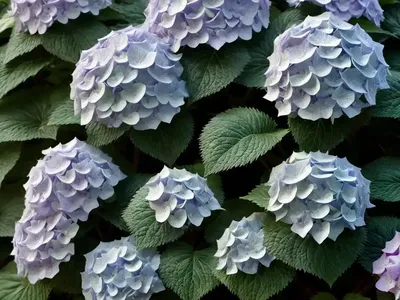
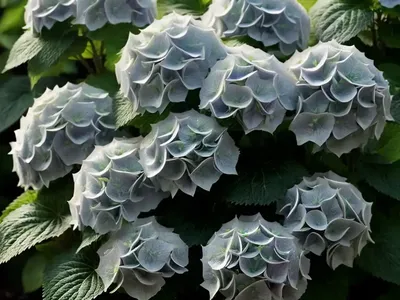
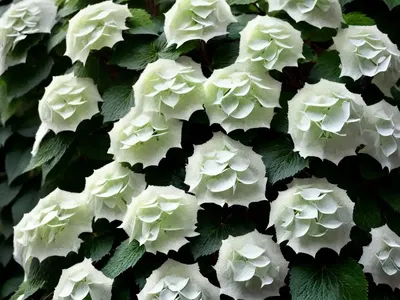
Panicle Hydrangea (Hydrangea Paniculata ‘Rendia’ DIAMOND ROUGE)
Hydrangeas are popular for their stunning, large blooms and their ability to thrive in various climates and conditions. Among the different types of.
Introduction
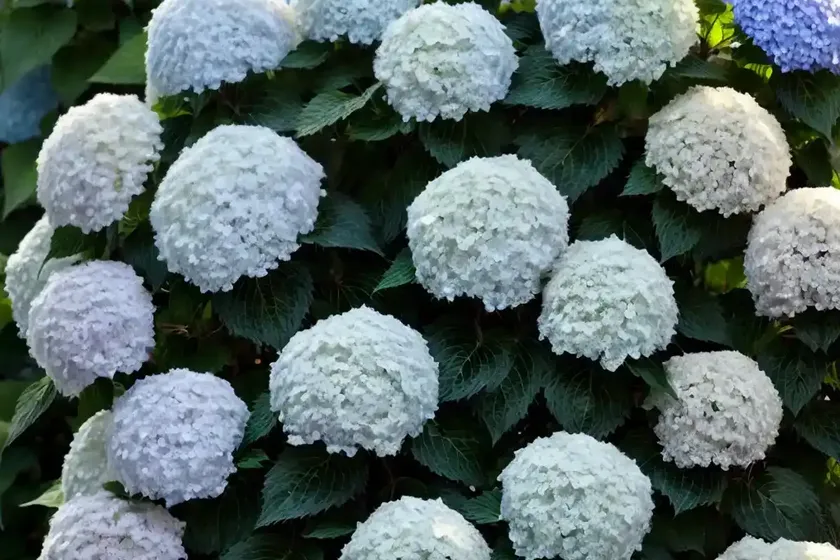
Hydrangeas are popular for their stunning, large blooms and their ability to thrive in various climates and conditions. Among the different types of hydrangeas, the panicle hydrangea (Hydrangea paniculata) stands out for its ease of care and versatility in landscaping. In this comprehensive guide, we will delve into the specifics of the panicle hydrangea cultivar ‘Rendia’ DIAMOND ROUGE, its cultural aspects, uses, care requirements, and interesting facts.
What is Panicle Hydrangea ‘Rendia’ DIAMOND ROUGE?
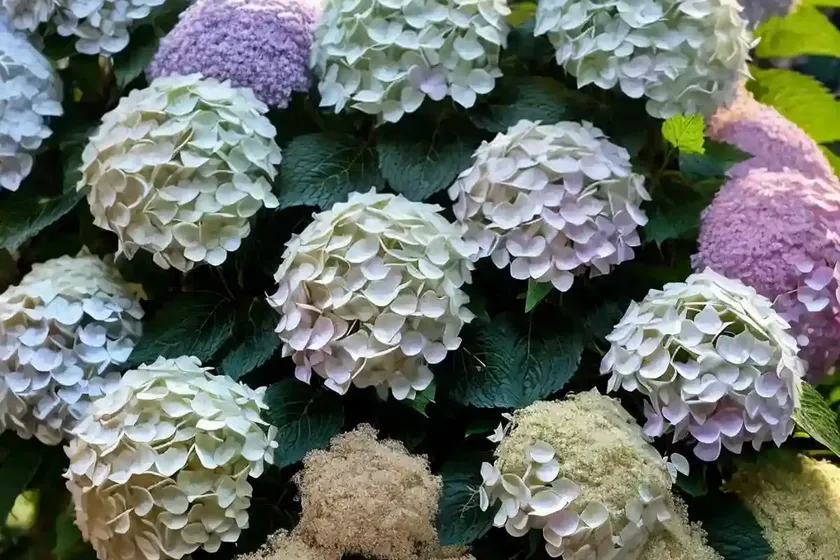
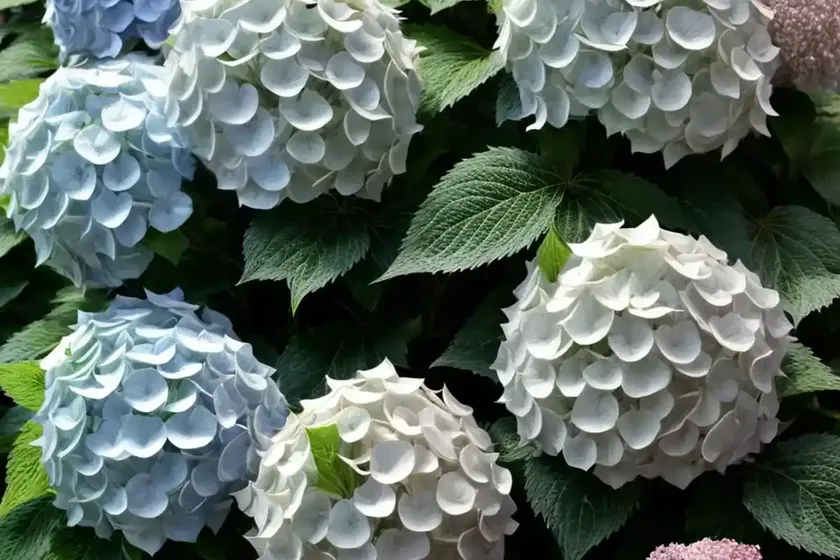
Panicle hydrangea (Hydrangea paniculata) is a deciduous shrub native to China, Korea, and Japan. The ‘Rendia’ DIAMOND ROUGE is a lovely cultivar of the panicle hydrangea that is prized for its vibrant blooms and exceptional adaptability. With its striking red-colored flowers, the ‘Rendia’ DIAMOND ROGUE adds a bold and captivating presence to gardens and landscapes.
Key Takeaways
The panicle hydrangea (Hydrangea paniculata ‘Rendia’ DIAMOND ROGUE) is characterized by:
- Striking red-colored blooms
- Exceptional adaptability
- Eye-catching presence in gardens and landscapes
- Ease of care
Culture
Understanding the cultural needs and preferences of the panicle hydrangea ‘Rendia’ DIAMOND ROGUE is crucial for ensuring its optimal growth and development. Let’s explore the cultural aspects of this captivating shrub.
Uses
Landscaping
The ‘Rendia’ DIAMOND ROGUE is a popular choice for landscaping due to its striking blooms and adaptable nature. It can be used as a focal point in garden beds, as a border plant, or even as a standalone specimen in the landscape. Additionally, it serves as an excellent choice for mixed shrub borders, where its vibrant flowers add a pop of color.
Cut Flowers
The panicle hydrangea ‘Rendia’ DIAMOND ROGUE is well-suited for use as cut flowers, thanks to its large, showy blooms. These blooms can be incorporated into floral arrangements, adding a touch of elegance and vibrancy to indoor spaces.
Pollinator-Friendly Plant
Its abundant blooms make the ‘Rendia’ DIAMOND ROGUE an attractive option for pollinators such as bees and butterflies. By planting this cultivar, gardeners can contribute to the support of local pollinator populations.
Water
Proper watering is essential for the health and vitality of the panicle hydrangea ‘Rendia’ DIAMOND ROGUE. It thrives in well-draining soil that retains moisture without becoming waterlogged. During the initial establishment period, regular watering is crucial to support root development. Once established, it is important to monitor soil moisture and water the plant as needed, particularly during periods of drought or dry weather.
Sunlight
The ‘Rendia’ DIAMOND ROGUE prefers a location with partial to full sunlight. While it can tolerate some shade, providing ample sunlight is ideal for promoting abundant flowering and overall vigor.
Fertilizer
Fertilizing the panicle hydrangea ‘Rendia’ DIAMOND ROGUE can help support its growth and blooming potential. A balanced, slow-release fertilizer formulated for woody plants can be applied in spring, before new growth emerges. Additionally, organic matter such as well-rotted compost can be incorporated into the soil around the base of the plant to provide essential nutrients.
Soil
Well-draining, fertile soil is ideal for the ‘Rendia’ DIAMOND ROGUE. It thrives in soil that is rich in organic matter and has a slightly acidic to neutral pH. Amending the soil with organic matter during planting can aid in moisture retention and the overall health of the plant.
Pruning
Pruning is an important aspect of maintaining the shape and size of the panicle hydrangea ‘Rendia’ DIAMOND ROGUE. In late winter or early spring, any dead or weak stems can be removed to encourage new growth. Additionally, spent blooms can be deadheaded to promote continuous flowering and a tidy appearance.
Propagation
The ‘Rendia’ DIAMOND ROGUE can be propagated through various methods, including:
- Softwood cuttings
- Semi-hardwood cuttings
- Division of mature plants
Each method requires specific techniques and timing, but with proper care and attention, successful propagation can be achieved.
Container Popularity
Thanks to its manageable size and adaptability, the panicle hydrangea ‘Rendia’ DIAMOND ROGUE is well-suited for container gardening. Its striking blooms add visual interest to patios, balconies, and outdoor living spaces. When growing in containers, it is essential to monitor soil moisture and provide adequate nutrients to support the plant’s health and vigor.
Common Diseases
While the ‘Rendia’ DIAMOND ROGUE is relatively resistant to diseases, it can occasionally encounter certain issues that may affect its overall health and appearance. Some common diseases known to affect panicle hydrangeas include:
- Powdery mildew
- Leaf spots
- Rust
Proper cultural practices, such as providing ample air circulation and avoiding overhead watering, can significantly reduce the risk of disease development.
Disease Diagnosis
In the event of unusual symptoms or signs of disease, it is important to accurately diagnose the issue to implement effective management strategies. Consulting with a plant pathologist or a certified horticulturist can aid in identifying the specific disease and determining the appropriate course of action.
Common Pests
Panicle hydrangeas, including the ‘Rendia’ DIAMOND ROGUE, may be susceptible to certain pests, such as:
- Aphids
- Spider mites
- Scale insects
Regular monitoring of the plant for the presence of pests and the early implementation of control measures can help prevent pest infestations from causing significant damage.
Botanist’s Tips
As a botanist, it is important to consider the following tips for the successful cultivation of the panicle hydrangea ‘Rendia’ DIAMOND ROGUE:
- Mulch the base of the plant to conserve soil moisture and regulate soil temperature.
- Monitor soil pH and make adjustments as needed to maintain optimal growing conditions.
- Promote biodiversity by including companion plants that complement the panicle hydrangea and support local ecosystems.
Fun Facts
Here are some interesting and fun facts about the panicle hydrangea ‘Rendia’ DIAMOND ROGUE:
- The color of the blooms can change based on soil pH, with acidic soils producing blue or purple blooms and alkaline soils yielding pink blooms.
- The ‘Rendia’ DIAMOND ROGUE is known for its exceptional cold hardiness, making it a great choice for gardens in northern regions.
- In some cultures, hydrangeas are associated with gratitude, heartfelt emotions, and genuine emotions, making them a popular choice for gifts and floral arrangements.
Links to External Resources
For additional information on the panicle hydrangea ‘Rendia’ DIAMOND ROGUE and related topics, feel free to explore the following links:
- The American Hydrangea Society
- University of Georgia Extension – Pruning Hydrangeas
- Missouri Botanical Garden – Growing Hydrangeas
In this comprehensive guide, we explored the fascinating world of the panicle hydrangea ‘Rendia’ DIAMOND ROGUE, uncovering its cultural aspects, uses, care requirements, and fun facts. By understanding the unique characteristics and preferences of this cultivar, gardeners and enthusiasts can cultivate thriving and vibrant landscapes adorned with the captivating beauty of the panicle hydrangea ‘Rendia’ DIAMOND ROGUE.