Plant Scientist’s Guide to Panicle Hydrangea (Hydrangea paniculata ‘Dvppinky’ PINKY-WINKY)
As a plant scientist, I find panicle hydrangea (Hydrangea paniculata ‘Dvppinky’ PINKY-WINKY) to be an interesting and versatile plant. In this comprehensive guide, we will explore the culture, uses, care, common diseases, pests, and propagation techniques for panicle hydrangea. Whether you are a seasoned gardener or a beginner looking to add these beautiful plants to your landscape, this guide will provide valuable insights.
What is Panicle Hydrangea (Hydrangea paniculata ‘Dvppinky’ PINKY-WINKY)
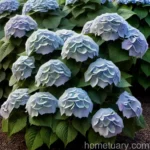
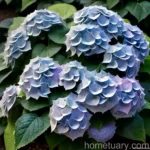
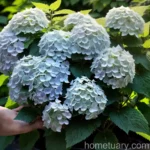
Panicle hydrangea, scientifically known as Hydrangea paniculata ‘Dvppinky’ or more commonly referred to as PINKY-WINKY, is a deciduous shrub that belongs to the Hydrangeaceae family. This variety is known for its large and showy panicles of white and pink flowers, creating a stunning display in gardens and landscapes.
Key Takeaways – Panicle Hydrangea (Hydrangea paniculata ‘Dvppinky’ PINKY-WINKY)
Before delving into the specifics of culture, care, and maintenance, it’s important to highlight some key takeaways for panicle hydrangea:
- Panicle hydrangeas, such as the ‘Dvppinky’ PINKY-WINKY variety, are versatile plants suitable for various landscaping designs and garden settings.
- These plants are relatively low-maintenance and can thrive in different soil types and light conditions.
- Panicle hydrangeas are valued for their ornamental features, including their large, cone-shaped flower clusters and striking color changes throughout the growing season.
Now, let’s explore the various aspects of culture, uses, care, and maintenance of panicle hydrangeas.
Culture
Water
Proper watering is crucial for the health and vigor of panicle hydrangeas. While these plants can tolerate some drought, consistent and adequate moisture is essential, especially during the establishment phase and periods of intense heat.
- Watering Guidelines:
- Water deeply once or twice a week, ensuring the soil is moist but not waterlogged.
- During hot and dry periods, increase the frequency of watering to prevent the soil from drying out completely.
- Avoid overhead watering to minimize the risk of foliar diseases.
Sunlight
Panicle hydrangeas generally thrive in full sun to partial shade, making them adaptable to a wide range of light conditions. However, the amount of sunlight can influence the plant’s growth, flowering, and overall appearance.
- Sunlight Preferences:
- Full Sun: Panicle hydrangeas grown in full sun tend to produce more robust and abundant blooms. However, in hot climates, providing some afternoon shade can help protect the plants from excessive heat and sunburn.
- Partial Shade: In warmer regions, providing afternoon shade or dappled sunlight can help prevent stress and maintain the plant’s vigor.
Soil
Understanding the soil requirements for panicle hydrangeas is essential for creating optimal growing conditions. These plants are adaptable and can flourish in different soil types, provided certain key factors are considered.
- Soil Requirements:
- Well-Drained Soil: Ensure the soil provides good drainage to prevent waterlogging, which can lead to root rot and other moisture-related issues.
- pH Level: Panicle hydrangeas prefer slightly acidic to neutral soil with a pH range of 5.5 to 7.5. If necessary, amend the soil to achieve the ideal pH level for optimal growth.
Uses
Panicle hydrangeas, including the ‘PINKY-WINKY’ variety, offer a range of practical and aesthetic uses in gardening and landscaping. Understanding the potential applications of these plants can help gardeners and landscapers make informed decisions when incorporating them into different settings.
- Landscaping:
- Specimen Plant: The striking floral displays make panicle hydrangeas ideal for showcasing as stand-alone specimens in gardens or landscapes.
- Hedges and Borders: These plants can be used to create attractive hedges and borders, adding structure and seasonal interest to outdoor spaces.
-
Mass Plantings: When planted in groups or clusters, panicle hydrangeas create visually impactful displays, especially when in bloom.
-
Cut Flowers:
- Panicle hydrangeas, including the ‘Dvppinky’ PINKY-WINKY variety, are popular choices for cut flower arrangements. The large, cone-shaped blooms add a touch of elegance to floral displays.
Fertilizer
Proper fertilization is essential for promoting healthy growth and abundant flowering in panicle hydrangeas. Understanding the fertilizer requirements and application techniques is crucial for maximizing the plant’s potential.
- Fertilizer Requirements:
- Balanced Fertilizer: Apply a balanced, slow-release fertilizer formulated for flowering shrubs in early spring, just before new growth begins.
-
Phosphorus Boost: To promote prolific blooms, use a fertilizer with a higher phosphorus content. Phosphorus is essential for flower production and overall plant health.
-
Application Tips:
- Avoid over-fertilizing, as excessive nutrients can lead to excessive foliage growth at the expense of flowers.
- Water the plants thoroughly after applying fertilizer to help distribute the nutrients and prevent root burn.
Pruning
Proper pruning is an important aspect of panicle hydrangea care, influencing the plant’s overall shape, size, and flowering performance. Understanding when and how to prune these shrubs is essential for maintaining their health and appearance.
- Pruning Guidelines:
- Timing: Prune panicle hydrangeas in late winter or early spring before new growth emerges. This allows the plants to allocate energy to new growth and flower production.
- Flowering Stems: To encourage robust blooms, selectively prune older stems, removing around one-third of the oldest stems at ground level.
- Deadheading: After the initial bloom period, remove spent flowers to promote additional flowering and a tidy appearance.
- Shape and Size: Prune selectively to maintain the desired shape and size, ensuring that the natural form of the plant is preserved.
Propagation
Propagation allows gardeners to increase their panicle hydrangea collection or share these beautiful plants with others. Understanding the different propagation techniques can provide gardeners with the flexibility to expand their garden or rejuvenate existing plantings.
- Propagation Methods:
- Softwood Cuttings: Take softwood cuttings in early summer and root them in a well-draining medium under controlled conditions.
- Division: Divide mature panicle hydrangea plants in early spring before new growth appears, ensuring each division has a healthy root system and sufficient foliage.
- Layering: Encourage the growth of new roots on the lower branches by layering a portion of the plant’s stem and burying it in the soil.
Common Diseases
While panicle hydrangeas are relatively resilient, they can be susceptible to certain diseases that may affect their overall health and appearance. Understanding these common diseases and their associated symptoms is essential for timely diagnosis and effective management.
- Powdery Mildew:
- Symptoms: White, powdery spots on the leaves, often accompanied by leaf distortion and yellowing.
-
Management: Ensure proper air circulation around the plants, avoid overhead watering, and apply fungicidal treatments as necessary.
-
Leaf Spot:
- Symptoms: Circular or irregular brown spots on the leaves, sometimes surrounded by a yellow halo.
-
Management: Remove and destroy affected foliage, avoid overhead watering, and apply preventative fungicidal sprays.
-
Botrytis Blight:
- Symptoms: Gray mold on flowers and foliage, often affecting plants during periods of high humidity and extended wetness.
- Management: Ensure proper air circulation, remove and destroy affected plant parts, and avoid overhead watering.
Disease Diagnosis
Timely and accurate diagnosis of plant diseases is crucial for implementing targeted management strategies and minimizing the impact on panicle hydrangeas. Some diseases can present similar symptoms, making a precise diagnosis essential for effective treatment.
- Diagnostic Tips:
- Carefully examine the affected plant parts, including leaves, stems, and flowers, for any unusual symptoms such as discoloration, spots, or mold.
- Consider environmental factors and recent weather conditions that may contribute to the development of certain diseases.
- Seek professional guidance or diagnostic services if unsure about the specific disease affecting the plants.
Common Pests
Panicle hydrangeas are relatively resistant to most pests, but they can occasionally fall victim to certain insect infestations that can compromise their health and aesthetics. Familiarizing yourself with these common pests and their management can help safeguard your plants.
- Aphids:
- Identification: Small, soft-bodied insects found on the undersides of leaves, often in large colonies.
-
Management: Use a strong stream of water to dislodge aphids, introduce natural predators, or apply horticultural oil or insecticidal soap as necessary.
-
Japanese Beetles:
- Identification: Metallic green beetles that feed on foliage and flowers, leaving behind skeletonized leaves and damaged blooms.
-
Management: Handpick and destroy adult beetles, use pheromone traps, and consider applying targeted insecticides during infestations.
-
Spider Mites:
- Identification: Tiny arachnids that may cause stippling or discoloration on leaves and fine webbing on plant surfaces.
- Management: Increase humidity around the plants, employ natural predators, or use miticides to control spider mite populations.
Botanist’s Tips
As a plant scientist, I have gathered valuable insights and tips for successfully cultivating and caring for panicle hydrangeas, including the ‘PINKY-WINKY’ variety. These tips are based on scientific understanding and practical experience with these beautiful shrubs.
-
Selecting Companion Plants: When choosing companion plants for panicle hydrangeas, consider options that complement the plant’s color, form, and growing requirements. For example, pairing them with bold foliage plants or contrasting bloom colors can create visually captivating garden designs.
-
Winter Protection: In regions with harsh winters, providing adequate protection for panicle hydrangeas is crucial. Apply a layer of mulch around the base of the plants to insulate the roots and shield them from temperature fluctuations.
-
Encouraging Pollinators: Panicle hydrangeas, especially when in bloom, can attract pollinators such as bees and butterflies. Incorporating these plants into pollinator-friendly gardens can support local biodiversity and ecological balance.
Fun Facts
Discovering fascinating and lesser-known facts about panicle hydrangeas adds a layer of intrigue to these already captivating plants. Whether you are a gardening enthusiast or a plant lover, these fun facts offer a glimpse into the unique characteristics of panicle hydrangeas.
-
Color Changes: The flowers of panicle hydrangeas, including the ‘PINKY-WINKY’ variety, undergo striking color changes during the blooming season. The initial white blooms gradually transition to shades of pink or red as they mature, creating a captivating visual display.
-
Hydrangea Macrophylla Relatives: While panicle hydrangeas belong to the same Hydrangea genus as the popular macrophylla species, they exhibit distinct growth habits, flowering patterns, and overall appearances, offering diversity within the Hydrangeaceae family.
Links to External Resources
To further expand your knowledge and explore additional insights into panicle hydrangeas, the following links to external resources are valuable references for in-depth information and practical tips:
- American Hydrangea Society – American Hydrangea Society
- University of Georgia Extension – Hydrangeas in the Landscape
- Missouri Botanical Garden – Hydrangea paniculata ‘Dvppinky’
- Royal Horticultural Society – Hydrangeas: Planting and Care
- The Spruce – Growing Hydrangeas
In conclusion, panicle hydrangeas, including the ‘PINKY-WINKY’ variety, offer a wide range of ornamental and practical uses in gardens and landscapes. Understanding their culture, uses, care requirements, and potential challenges empowers gardeners to cultivate these beautiful shrubs with confidence and success.
Remember to consider the specific needs of panicle hydrangeas, such as water, sunlight, soil, and fertilization, to create optimal growing conditions. By mastering the art of pruning, propagation, and disease management, you can nurture vibrant and healthy panicle hydrangeas that enhance the beauty of outdoor spaces. Whether you are drawn to their captivating blooms, their versatility in landscaping, or their role in supporting local pollinators, panicle hydrangeas undoubtedly hold a special place in the world of ornamental horticulture.