Bigleaf Hydrangea (Hydrangea macrophylla ‘Mariesii Perfecta’ BLUE WAVE)
Introduction
Bigleaf Hydrangea (Hydrangea macrophylla ‘Mariesii Perfecta’ BLUE WAVE) is a stunning and popular flowering shrub that belongs to the family Hydrangeaceae. Renowned for its large and showy flower clusters, along with its ability to thrive in various environmental conditions, this plant has become a favorite among gardeners and landscapers. In this comprehensive guide, we will delve into the various aspects of bigleaf hydrangea, including its culture, uses, care requirements, pests and diseases, propagation, and interesting facts.
What is Bigleaf Hydrangea?
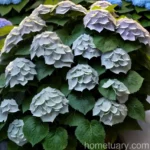
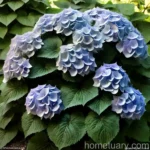
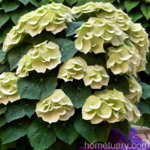
Bigleaf Hydrangea, scientifically known as Hydrangea macrophylla ‘Mariesii Perfecta’ BLUE WAVE, is a deciduous shrub that typically reaches a height of 3 to 6 feet and spreads 4 to 6 feet wide. It is characterized by its large, dark green, glossy leaves and its spectacular, rounded flower clusters that can vary in color from deep blue to vibrant pink, depending on the soil pH. The pH-dependent color change of its flowers adds a fascinating element to this plant, making it a popular choice for landscaping and ornamental purposes.
The ‘Mariesii Perfecta’ BLUE WAVE variety of the Hydrangea macrophylla species is particularly valued for its stunning blue to pink gradient blooms, contributing to its desirability among horticultural enthusiasts.
Key Takeaways
Culture
- Bigleaf hydrangeas thrive in USDA Hardiness Zones 6-9.
- These shrubs prefer partial shade, especially in hot climates, and moist, well-draining soil.
Uses
- Bigleaf hydrangeas are commonly used for landscaping, as ornamental plants in gardens, and in floral arrangements due to their beautiful and large flower clusters.
Water
- Adequate and consistent moisture is essential for the optimal growth and flowering of bigleaf hydrangeas. Regular watering, especially during dry periods, is crucial.
Sunlight
- Partial shade is ideal, as too much direct sunlight can scorch the leaves and flowers.
Fertilizer
- Apply a balanced fertilizer for acid-loving plants in the spring to promote healthy growth and abundant blooms.
Soil
- Well-drained, rich, and loamy soil with a slightly acidic pH is best suited for bigleaf hydrangeas.
Pruning
- Pruning should be done immediately after flowering to remove dead or weak stems and maintain the desired shape of the shrub.
Propagation
- Bigleaf hydrangeas can be propagated through softwood cuttings taken in early summer or through layering.
Container Popularity
- Due to their beautiful blooms and compact size, bigleaf hydrangeas are popular choices for container gardening.
Common Diseases
- Leaf spot, powdery mildew, and bacterial wilt are among the common diseases affecting bigleaf hydrangeas.
Disease Diagnosis
- Proper diagnosis of diseases is crucial for implementing suitable control measures to protect the health of the shrub.
Common Pests
- Aphids, mites, and scale insects are common pests that can infest bigleaf hydrangeas, leading to foliage damage and reduced flowering.
Botanist’s Tips
- Regular monitoring and timely intervention are crucial for preventing and managing diseases and pests that can affect bigleaf hydrangeas.
- Understanding the specific care requirements based on the local climate and soil conditions is essential for ensuring the optimal growth and health of these shrubs.
Fun Facts
- The color of bigleaf hydrangea flowers can be altered by modifying the soil pH, with acidic soil resulting in blue flowers and alkaline soil producing pink flowers.
- The term “Hydrangea” is derived from the Greek words “hydro” meaning water and “angeion” meaning vessel, reflecting the shrub’s preference for moist soil.
Now that we have a brief overview of Bigleaf Hydrangea, let’s explore each aspect in detail.
Bigleaf Hydrangea Care
Water
Bigleaf hydrangeas require regular watering to maintain adequate soil moisture. However, it’s essential to avoid waterlogging, as overly wet conditions can lead to root rot and other issues. The frequency of watering can vary based on factors such as climate, soil type, and the presence of mulch. During periods of drought or extreme heat, it’s crucial to provide supplemental watering to ensure the well-being of the plant.
Sunlight
While bigleaf hydrangeas thrive in partial shade, they can tolerate more sunlight in cooler climates. In regions with intense heat, it’s advisable to provide them with protection from the harsh afternoon sun to prevent leaf scorching and wilting. Understanding the specific light requirements for different varieties of bigleaf hydrangeas is important for creating optimal growing conditions.
Fertilizer
Applying a balanced fertilizer designed for acid-loving plants in the spring helps promote healthy growth and robust flowering. It’s important to follow the recommended dosage and application guidelines to prevent over-fertilization, which can lead to excessive foliage growth at the expense of flowering.
Soil
Bigleaf hydrangeas thrive in well-drained, rich, and slightly acidic soil. Amending the soil with organic matter such as compost or peat moss can improve its structure and fertility, creating an ideal growing environment for the shrub. Regular soil testing is beneficial for monitoring the pH and nutrient levels, allowing for adjustments as needed to maintain optimal soil conditions.
Pruning
Pruning bigleaf hydrangeas is essential for maintaining their shape, removing spent blooms, and promoting healthy growth. Care should be taken to prune them at the right time, which is immediately after flowering, to avoid cutting off potential flower buds for the following season. Removing dead or weak stems and shaping the shrub to control its size are key objectives of pruning.
Propagation
Bigleaf hydrangeas can be propagated through softwood cuttings in early summer or through layering. Softwood cuttings taken from healthy, disease-free plants have the potential to develop into new shrubs when treated with rooting hormone and provided with suitable growing conditions. Layering involves encouraging a stem to form roots while still attached to the parent plant, facilitating the development of new roots and shoots.
Common Diseases
Leaf Spot
Leaf spot, caused by fungal pathogens, manifests as dark spots on the leaves, often surrounded by yellow halos. It can lead to defoliation and weakened plant vigor if left unaddressed. Proper sanitation, including the removal of infected leaves and debris, and the application of fungicidal treatments can help manage and prevent the spread of leaf spot.
Powdery Mildew
Powdery mildew is characterized by a white, powdery coating on the leaves, stems, and flowers of bigleaf hydrangeas. It thrives in humid conditions and can impact the overall appearance and health of the shrub. Adequate air circulation, regular inspection for early detection, and the use of fungicidal sprays can aid in controlling powdery mildew.
Bacterial Wilt
Bacterial wilt, caused by the pathogen Pseudomonas solanacearum, can lead to wilting, browning of vascular tissues, and ultimately, the death of the plant. Employing cultural practices such as proper irrigation, avoiding water stress, and the use of disease-resistant varieties can help reduce the risk of bacterial wilt.
Common Pests
Aphids
Aphids are small, sap-sucking insects that can infest bigleaf hydrangeas, leading to distorted growth, yellowing leaves, and the production of sticky honeydew. Natural predators, insecticidal soaps, and horticultural oils can be effective in controlling aphid populations and preventing damage to the shrub.
Mites
Spider mites are common pests that feed on the undersides of leaves, causing stippling, discoloration, and webbing. Regular monitoring, increasing humidity levels, and the use of insecticidal sprays targeted at mites can aid in managing infestations and protecting the foliage of bigleaf hydrangeas.
Scale Insects
Scale insects can attach themselves to the stems and leaves of bigleaf hydrangeas, drawing nutrients from the plant and causing yellowing, wilting, and premature leaf drop. Implementing cultural controls, such as pruning infested plant parts and introducing natural predators, can assist in managing scale insect populations and minimizing their impact.
Disease Diagnosis
Accurate diagnosis of diseases affecting bigleaf hydrangeas is vital for implementing appropriate control measures and safeguarding the health of the shrub. Consulting with a plant pathologist or experienced horticulturist can help identify the specific disease, assess its severity, and determine the most effective treatment options, whether they involve cultural, biological, or chemical measures.
Botanist’s Tips
- Regularly inspecting bigleaf hydrangeas for signs of disease and pest infestations, especially during periods of stress, such as extreme heat or prolonged wetness, can aid in early detection and prompt intervention.
- Adhering to proper cultural practices, including maintaining optimal soil moisture, providing adequate nutrition, and ensuring good air circulation, is fundamental for minimizing the risk of diseases and pests.
Fun Facts
- The color of bigleaf hydrangea flowers is determined by the presence of aluminum ions in the soil, with acidic soil leading to blue flowers and alkaline soil resulting in pink flowers.
- Along with their vibrant blooms, bigleaf hydrangeas are treasured for their versatility, as they can serve as focal points in garden beds, colorful hedges, or eye-catching container plantings.
Now that we have covered the fundamentals of caring for bigleaf hydrangeas, let’s explore additional aspects related to this captivating plant.
Hydrangea macrophylla Varieties
The Hydrangea macrophylla species encompasses a diverse array of cultivars, each offering unique characteristics in terms of flower color, growth habit, and cold hardiness. Some prominent varieties include:
- ‘Nikko Blue’: Known for its large, rounded flower clusters that exhibit intense blue coloration in acidic soil.
- ‘Bailmer’: Marketed under the name Endless Summer®, this variety is prized for its ability to bloom on both old and new wood, extending the flowering period.
- ‘Merritt’s Supreme’: Featuring compact growth and rich, rosy-pink blooms, this variety is well-suited for smaller garden spaces and containers.
Each variety of Hydrangea macrophylla presents distinct attributes and considerations, offering an extensive palette of options for gardeners and landscapers seeking to incorporate these stunning shrubs into their outdoor spaces.
Blue Wave Hydrangea
The ‘Mariesii Perfecta’ BLUE WAVE variety of Hydrangea macrophylla possesses unique appeal due to its captivating, gradient blue to pink flowers, which create a striking visual impact in garden landscapes. Its ability to adapt to varying soil pH levels and its impressive floral display make it a sought-after selection among enthusiasts seeking to introduce captivating hues into their gardens.
Hydrangea macrophylla Tips
Growing Bigleaf Hydrangea
- Choose a planting site with partial shade or filtered sunlight, ensuring protection from intense afternoon sun.
- Amend the soil with organic matter and maintain consistent soil moisture to support healthy growth and abundant blooms.
- Incorporate mulch around the base of the plant to conserve soil moisture and suppress weed growth.
Bigleaf Hydrangea Pruning
- Prune immediately after flowering or in early summer to remove spent blooms and shape the shrub, promoting vigorous growth and flower bud development for the following season.
- Sterilize pruning tools to prevent the spread of diseases and ensure clean, precise cuts.
Hydrangea macrophylla Blooms
- Monitor soil pH levels to manipulate flower color, with acidic soil resulting in blue blooms and alkaline soil leading to pink blooms.
- Deadhead spent flowers to encourage continued blooming and maintain a tidy appearance.
Blue Wave Hydrangea Facts
- The ‘Mariesii Perfecta’ BLUE WAVE variety is especially valued for its exceptional flower coloration, transitioning from blue to pink based on soil pH and aluminum availability.
- With proper care and a suitable growing environment, this variety can serve as a focal point in garden beds, borders, or large containers, enriching outdoor spaces with its stunning blooms.
Hydrangea macrophylla ‘Mariesii Perfecta’ Characteristics
- Gorgeous, lacecap flower clusters featuring a dynamic color range from blue to pink, creating a captivating display that evolves with the changing soil pH.
- Dark green, glossy leaves provide an attractive backdrop to the striking blooms, contributing to the shrub’s ornamental appeal throughout the growing season.
Bigleaf Hydrangea Planting Guide
- Select a site with well-drained, fertile soil and protection from intense sunlight, especially in warmer regions.
- Consider incorporating organic matter, such as compost or peat moss, into the soil to improve its texture and fertility.
- Space multiple plants at appropriate distances to allow for adequate air circulation and future growth.
Hydrangea macrophylla ‘Mariesii Perfecta’ Care
- Ensure consistent soil moisture, avoiding both waterlogging and drought stress, to support the growth and flowering of the shrub.
- Protect the plant from harsh sunlight and winds, especially during high temperatures, to prevent leaf scorch and wilting.
- Monitor and adjust soil pH as needed to influence flower coloration, enabling the shrub to express its captivating blue to pink blooms.
Blue Wave Hydrangea Care Tips
- Implement a regular fertilization schedule with a balanced fertilizer formulated for acid-loving plants to support the overall health and vigor of the shrub.
- Mulch around the base of the plant to conserve moisture, inhibit weed growth, and provide insulation against temperature fluctuations.
Hydrangea macrophylla ‘Mariesii Perfecta’ Propagation
- Softwood cuttings taken from healthy, disease-free stems can be rooted to produce new plants, providing an effective means of propagation.
- Employ layering as an alternative method, encouraging a stem to form roots while still attached to the parent plant, facilitating the development of independent shrubs.
Bigleaf Hydrangea Varieties
Companion Plants
- Astilbe and hosta are popular choices for companion planting with bigleaf hydrangeas, as they thrive in similar growing conditions and complement the shrub’s ornamental qualities.
- Including ground covers such as creeping myrtle or vinca can help create a visually appealing and low-maintenance planting scheme around bigleaf hydrangeas.
Shade Tolerance
- Bigleaf hydrangeas exhibit good shade tolerance, making them suitable for planting in areas with filtered sunlight or partial shade under the canopy of taller trees.
- Proper soil moisture and adequate air circulation are crucial considerations for ensuring healthy growth and flowering in shaded environments.
Cut Flowers
- Harvesting bigleaf hydrangea blooms for cut flower arrangements can extend their ornamental value indoors, allowing enthusiasts to enjoy their striking beauty and vibrant colors beyond the garden setting.
- Place cut stems in a bucket of water immediately after harvesting and recut the ends before arranging them in a vase to ensure optimal water uptake and longevity.
Blue Wave Hydrangea Growth Habits
- The ‘Mariesii Perfecta’ BLUE WAVE variety showcases an upright, spreading growth habit, forming a well-branched shrub with a pleasingly symmetrical appearance.
- Regular pruning and shaping can help maintain a tidy and compact form, enhancing the shrub’s visual appeal in garden landscapes.
Hydrangea macrophylla ‘Mariesii Perfecta’ Pests
- Monitoring for common pests such as aphids, mites, and scale insects is essential for early detection and intervention to prevent foliage damage and diminished flowering.
- Implementing cultural controls and targeted insecticidal treatments can aid in managing pest populations and preserving the health of the shrub.
Bigleaf Hydrangea Winter Care
- Apply a layer of mulch around the base of the shrub in late fall to provide insulation and protect the roots from extreme temperature fluctuations during winter.
- Prune any damaged or diseased stems before the onset of winter to promote the shrub’s overall health and vitality during the dormant season.
Hydrangea macrophylla ‘Mariesii Perfecta’ Pruning Techniques
- Utilize sharp, clean pruning tools to make precise cuts, removing dead or weak stems and shaping the shrub as desired.
- Refrain from heavy pruning in late summer or fall to avoid removing potential flower buds for the following season’s blooms.
Blue Wave Hydrangea Mulching Tips
- Apply a layer of organic mulch around the base of the shrub to conserve soil moisture, suppress weed growth, and provide an additional layer of protection during extreme temperatures.
- Use mulch materials such as shredded bark, compost, or leaf litter to create an attractive and functional mulching layer.
Hydrangea macrophylla ‘Mariesii Perfecta’ Landscape Design
- Incorporate bigleaf hydrangeas into mixed borders, foundation plantings, or woodland garden settings to introduce vibrant color and lush foliage to the landscape.
- Utilize the shrub’s versatile growth habit and attractive blooms to create focal points and dynamic compositions within outdoor spaces.
Bigleaf Hydrangea Watering Requirements
- Maintain consistent soil moisture throughout the growing season, adjusting watering frequency based on weather conditions and soil type to prevent drought stress.
- Employ the use of soaker hoses or drip irrigation systems to provide targeted and efficient watering to the root zone of bigleaf hydrangeas.
Hydrangea macrophylla ‘Mariesii Perfecta’ Diseases
- Regularly monitor for signs of common diseases such as leaf spot and powdery mildew, implementing appropriate preventive measures and treatments to minimize their impact.
- Consistent sanitation, including the removal of infected plant parts and debris, can aid in reducing disease pressure and promoting the overall health of the shrub.
Blue Wave Hydrangea Planting Tips
- Choose a location with protection from intense sunlight and strong winds, especially in regions with hot summers, to create favorable growing conditions for the shrub.
- Adopt proper planting techniques, ensuring the shrub is positioned at the appropriate depth and provided with ample space for future growth and development.
Hydrangea macrophylla ‘Mariesii Perfecta’ Soil Requirements
- Amend the soil with organic matter, such as compost or peat moss, to improve its fertility, structure, and moisture-retention capabilities, creating an optimal growing environment for the shrub.
- Regularly monitor soil pH levels, making adjustments as needed to influence flower color and support the overall health of the plant.
Bigleaf Hydrangea Sun Exposure
- Select a planting site with partial shade to ensure protection from intense sunlight, especially during the hottest part of the day, to prevent leaf scorch and maintain optimal growth and flowering conditions.
- Consider strategic placement within the landscape to capitalize on filtered sunlight and create visually appealing compositions.
Hydrangea macrophylla ‘Mariesii Perfecta’ Container Gardening
- Incorporate bigleaf hydrangeas into containers to create stunning focal points on patios, decks, or balconies, utilizing their vibrant blooms and lush foliage to enhance outdoor living spaces.
- Choose well-draining, nutrient-rich potting mixes and ensure appropriate watering and fertilization to support the growth and flowering of the shrub in containerized environments.
Blue Wave Hydrangea Fertilizing Tips
- Apply a balanced, slow-release fertilizer formulated for acid-loving plants in the spring, following recommended dosage guidelines to promote healthy growth and abundant blooms.
- Refrain